
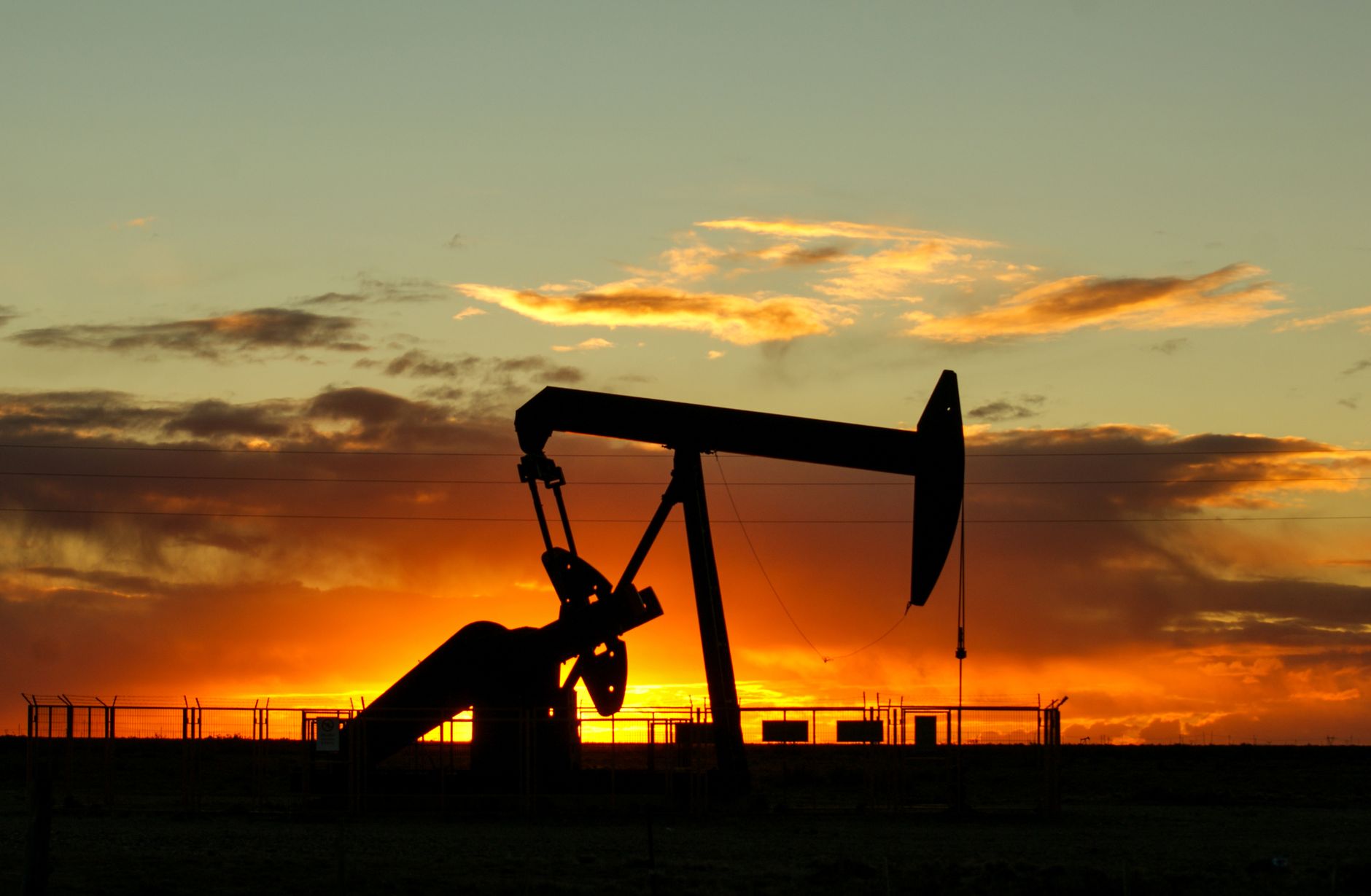
What if America stops producing oil? The implications of halting american oil production resonate deeply across various sectors. With the nation historically being one of the largest oil producers, its withdrawal from oil production could have far-reaching consequences. First, we’ll explore the importance of american oil production, which significantly contributes to the country’s energy security. A decline in domestic oil output would directly impact fuel supply and prices, creating potential volatility in the market. Furthermore, the economic repercussions on the oil industry, including job losses, would be profound and merit attention. This situation would also force a reevaluation of national energy policy, as the country would need to adapt to a new energy landscape. Finally, we’ll look ahead to the future outlook for american oil production and what it could mean for the nation’s economy and energy strategies. Join us as we delve into these critical aspects and examine how a shift in oil production could reshape America’s energy future.
The Importance of American Oil Production
Why Oil Production Matters for the Economy
American oil production plays a crucial role in the U.S. economy, contributing significantly to job creation and GDP growth. In 2021, the oil and gas industry supported nearly 11 million jobs and contributed over $1.7 trillion to the GDP, reflecting its central position in the national economic landscape. The ripple effects extend beyond direct employment; for every job in the oil industry, an estimated 3 to 4 additional jobs are created in related sectors, from manufacturing to transportation. This interconnectedness showcases the importance of maintaining a robust domestic fuel supply not just for energy, but as a lifeline for many communities across the country.
Current Trends in American Oil Production
As of 2023, American oil production has seen a resurgence, with output reaching approximately 12.9 million barrels per day, according to the U.S. Energy Information Administration. This increase comes on the heels of policy shifts aimed at enhancing energy security while grappling with climate change concerns. The Biden administration has emphasized a balanced approach to national energy policy, promoting both renewable energy and the continued use of fossil fuels. However, regulatory hurdles and environmental considerations have also led to fluctuating production levels, creating a complex landscape for the oil industry. These dynamics are crucial to watch, as they influence oil industry economics and can impact fuel prices for consumers.
Without a strong commitment to sustaining American oil production, the U.S. risks losing its competitive edge in the global energy market. As we look ahead, the implications of these trends will be vital not just for energy security but for the overall economic health of the nation. Ensuring policies support a vibrant oil sector while addressing environmental goals will be key in navigating this multifaceted challenge.

Implications for Energy Security
How American Oil Production Affects National Security
The concept of energy security is integral to a nation’s stability and defense. American oil production plays a critical role in this context, providing both a reliable fuel supply and a buffer against global market fluctuations. If the United States were to halt its oil production, the immediate impact would be a significant disruption in the domestic energy landscape. This would not only spike fuel prices but could also lead to increased reliance on foreign oil, which poses risks to national security. Countries that control oil resources may wield disproportionate influence, creating vulnerabilities in U.S. foreign policy and economic stability.
Additionally, decreased domestic production could undermine the oil industry economics that support local economies and job markets. A sudden shift away from American oil production could lead to job losses in the thousands, further straining communities that depend on this sector for their livelihoods. The energy landscape would quickly become more volatile, increasing the chances of geopolitical conflicts over remaining oil resources.
Alternatives to Domestic Oil Production
While the transition to alternative energy sources is essential for long-term sustainability, it is not a simple one. Renewable energy technologies, such as solar and wind, are making strides, but they currently lack the capacity to wholly replace the fuel supply that American oil production provides. Investments in energy storage and grid infrastructure are critical to make these alternatives viable. Furthermore, policy frameworks such as a comprehensive national energy policy are needed to guide this transition effectively, ensuring that energy security remains intact during the shift.
Exploring options like biofuels or hydrogen could help bridge the gap, but these technologies are still in development stages and may not be ready for immediate deployment. Balancing these alternatives with necessary investments in American oil production is crucial to maintaining a robust energy security strategy. The right mix of domestic production and renewable energy could ensure that the U.S. remains resilient against external shocks while fostering a sustainable economic future.

Impact on Fuel Supply and Prices
What Happens to Fuel Prices?
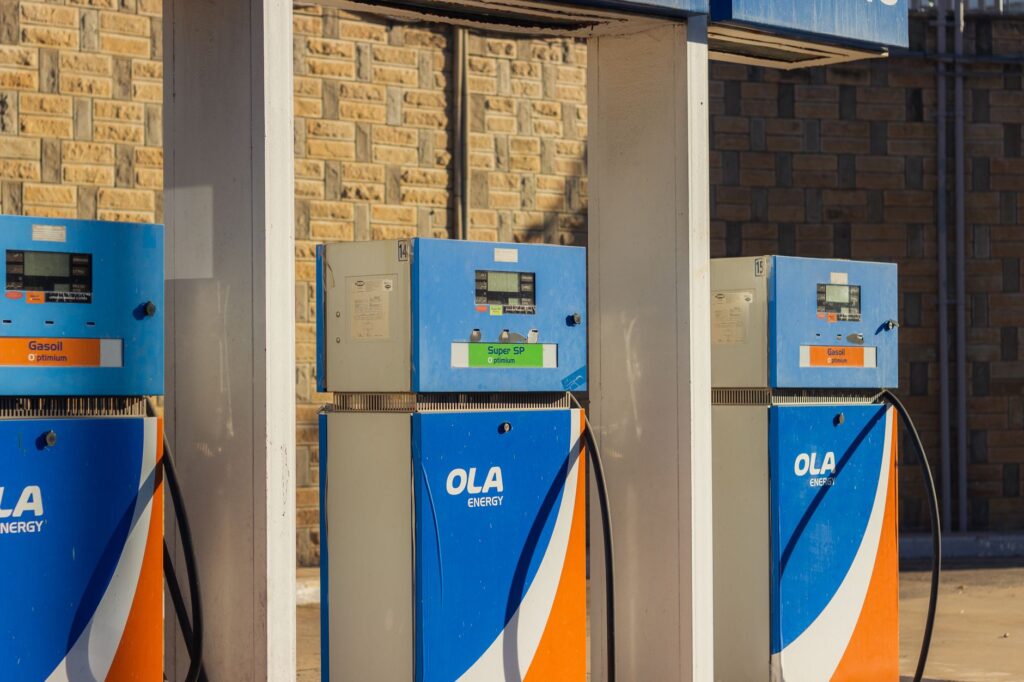
If America stops producing oil, the immediate impact on fuel supply would be profound. The United States is one of the largest producers of oil globally, and a sudden halt in production would create a significant void in the market. According to the
U.S. Energy Information Administration, American oil production accounted for nearly 11.2 million barrels per day in 2021. Without this supply, global oil prices would likely skyrocket due to the laws of supply and demand. The
World Bankreports that fluctuations in oil prices can lead to widespread economic repercussions, affecting everything from transport costs to consumer prices at the pump. As prices rise, consumers would feel the pinch with increased fuel costs. This could lead to inflationary pressures across various sectors, as businesses that rely heavily on transportation would pass on these costs to consumers. The ripple effects could destabilize the oil industry economics, causing job losses and reduced investment in alternative energy sources.
Effects on Consumers and Businesses
The implications of halting American oil production extend beyond just the price at the pump; they would affect consumers and businesses alike. For individuals, the cost of commuting to work or transporting goods would increase, straining household budgets. This situation could push more people to seek alternative modes of transportation, negatively impacting industries reliant on fossil fuels. Businesses, particularly in logistics and manufacturing, would face increased operational costs. A 2022 report by
American Trucking Associationshighlighted that rising fuel prices could lead to higher shipping fees, which would ultimately be passed onto consumers. This cycle could lead to a reevaluation of national energy policy, as the government may need to consider more aggressive investments in renewable energy to ensure energy security and stabilize fuel supply in the long term.
Oil Industry Economics and Job Losses
As discussions surrounding the future of American oil production intensify, it’s essential to consider its economic implications, especially in today’s context of rising energy prices and geopolitical tensions. Halting domestic oil production could generate substantial ripple effects across various sectors, affecting not only the economy but also the livelihoods of countless individuals.
Economic Ripple Effects
The oil industry is a significant pillar of the U.S. economy, contributing over $300 billion annually. If American oil production were to cease, the immediate economic repercussions would be felt across local and national levels. Communities that rely heavily on oil extraction would see a decline in revenue, leading to reduced public services and infrastructure investment. Moreover, this shift could impact national energy policy, forcing a greater reliance on foreign oil sources, which may threaten energy security.

Job Market Impact and Industry Transition
One of the most concerning outcomes of stopping American oil production would be the job losses within the industry. The oil and gas sector employs approximately 1.1 million people directly, with many more jobs in ancillary services, such as transportation and manufacturing. A sudden halt could lead to significant unemployment, straining local economies and potentially leading to long-term economic decline.
Transitioning workers to other industries will require targeted economic support, such as retraining programs and investment in emerging sectors like renewable energy. While the shift toward sustainable energy sources is crucial for the future, it is equally important to manage the transition effectively to mitigate the job market impact. Policymakers must strategically plan for these changes to ensure a balanced approach to sustainability and economic stability, influencing the broader discussion around oil industry economics.
the decision to halt American oil production is not merely an environmental issue but a complex economic challenge that warrants careful consideration of its far-reaching implications on jobs and local economies. Fuel Prices and Geopolitics
National Energy Policy Moving Forward
The Role of Government in Energy Production
The landscape of american oil production is heavily influenced by national energy policy. The government plays a crucial role in setting regulations that determine how and where oil is extracted. With an increasing focus on energy security, the administration is tasked with balancing the need for domestic fuel supply against environmental concerns. Policies that promote renewable energy sources, for example, have the dual purpose of reducing carbon emissions while aiming for energy independence. However, this shift can create uncertainty within the oil industry economics, particularly for companies reliant on traditional oil extraction.
Government strategies often involve subsidies, tax incentives, and research funding to foster innovation in both traditional oil and emerging energy sectors. A concerted effort is needed to ensure that the transition to sustainable energy does not compromise the stability of our fuel supply. For instance, the Department of Energy is actively exploring ways to modernize the grid, which is essential for integrating various energy sources, including oil.
Future of American Energy Independence and Oil Production
Looking ahead, the future of american oil production will hinge on the effectiveness of national energy policy. The push towards energy independence is not just about increasing domestic oil output; it also involves strategic decisions that prioritize sustainability without sacrificing economic growth. As we face global energy challenges, the U.S. must navigate complex international markets and geopolitical factors that can impact oil prices and availability.
To achieve a balanced approach, policymakers are encouraged to invest in technologies that enhance both the efficiency of oil extraction and the development of alternative energy sources. This not only addresses environmental concerns but also strengthens the nation’s energy security. Ultimately, a forward-looking energy policy that incorporates these elements will be vital in shaping the future of the oil industry and maintaining a reliable fuel supply for generations to come. Understanding Oil and Gas Economics

Future Outlook: What’s Next for American Oil Production?
Potential Scenarios if American Oil Production Ceases
Imagining a future without American oil production opens up a myriad of potential scenarios, each carrying significant geopolitical implications. The immediate fallout would likely include skyrocketing fuel prices, as the U.S. is a major player in the global oil market. Countries reliant on American oil for their energy security might scramble to find alternative suppliers, potentially leading to increased tensions in regions like the Middle East and the Americas. This shift could create opportunities for oil-rich nations to bolster their influence, further complicating international relations.
Moreover, domestic industries that depend on affordable oil for transportation and manufacturing could face severe disruptions. The oil industry economics would take a hit, resulting in job losses and economic downturns in oil-dependent regions. The U.S. might find itself increasingly vulnerable to global market fluctuations and supply chain disruptions, emphasizing the need for a robust national energy policy that prioritizes resilience and diversification.
Long-Term Energy Strategies for Transition and Sustainability
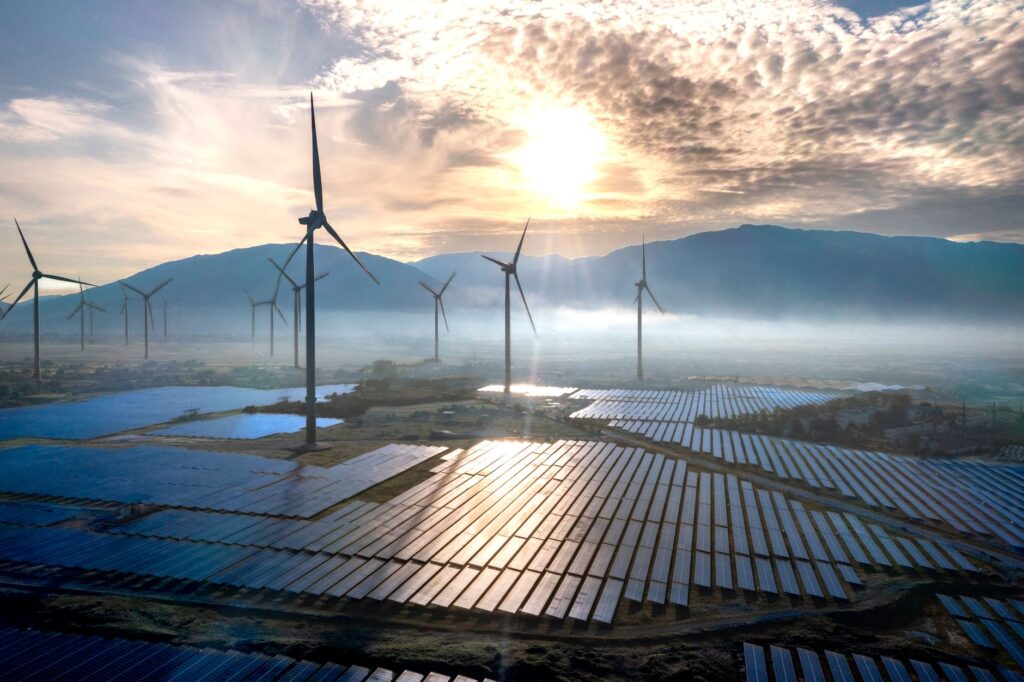
To mitigate these risks, long-term strategies are essential. Investing in renewable energy sources like solar, wind, and biofuels could provide a sustainable alternative to fossil fuels. The U.S. has already made strides in this direction, with renewable energy accounting for a growing share of the national fuel supply. The transition not only supports climate goals but also enhances energy security by reducing dependence on foreign oil.
Additionally, advancing technologies such as energy storage, smart grids, and electric vehicles will be crucial for a successful transition. As we look ahead, establishing a comprehensive national energy policy that integrates these elements will be key in ensuring a stable and sustainable energy future, ultimately protecting the economy and the environment.
The potential halt of American oil production would undoubtedly shake the foundations of the nation’s energy security. With a heavy reliance on oil for transportation and power, the disruption in fuel supply could lead to increased prices and scarcity. This scenario would not only affect consumers but also ripple through the economy, influencing oil industry economics and driving a reevaluation of the national energy policy. A shift away from domestic production may force the U.S. to rely more heavily on imports, which can complicate relationships with other oil-producing nations.
As we navigate this complex landscape, it is essential to consider how the U.S. can bolster its energy independence and adapt to changing circumstances. Engaging in discussions about sustainable energy sources and innovative technologies can pave the way for a more resilient future. To stay informed and involved, consider following energy policy forums or local initiatives that advocate for energy diversification and sustainable practices. By taking part in these conversations, you can contribute to shaping a robust energy future for America.
“`html
What would happen to gas prices if America stops producing oil?
If America stops producing oil, gas prices are likely to increase significantly. The U.S. is one of the largest oil producers, and a sudden halt would disrupt the fuel supply chain. This would create a reliance on imports, which could be more expensive due to transportation and global market fluctuations. Additionally, reduced domestic production could lead to higher prices at the pump as demand remains steady while supply diminishes.
How would energy security be affected by halting oil production?
Halting American oil production would significantly undermine energy security. The U.S. would become more reliant on foreign oil sources, making the country vulnerable to geopolitical tensions and supply disruptions. This dependence could lead to increased prices and potential shortages, impacting the overall stability of the energy market. A diversified energy portfolio that includes renewables can help mitigate some of these risks, but the immediate consequences would be challenging.
What are the economic impacts of stopping American oil production?
The economic impacts of stopping American oil production would be profound. The oil industry contributes significantly to GDP and provides millions of jobs. A sudden stop could lead to massive layoffs, reduced investment, and lower tax revenues for local and state governments. Furthermore, increased energy costs could affect various sectors, driving inflation and reducing consumer spending. The ripple effects would likely be felt across the economy, impacting everything from transportation to manufacturing.
What alternatives to oil production exist in the U.S.?
Alternatives to oil production in the U.S. include renewable energy sources such as solar, wind, and hydroelectric power. Electric vehicles (EVs) are also becoming more prevalent, reducing the demand for traditional gasoline. Additionally, biofuels and natural gas can serve as transitional fuels. Investment in these alternatives is crucial for reducing dependency on oil and enhancing energy security while addressing environmental concerns associated with fossil fuel consumption.
How does national energy policy influence oil production?
National energy policy plays a critical role in shaping oil production levels. Policies that support fossil fuel extraction, such as tax incentives and deregulation, can boost production. Conversely, policies aimed at reducing carbon emissions may promote a transition to renewable energy, potentially decreasing reliance on American oil production. The balance between economic growth, environmental concerns, and energy independence is a complex challenge for policymakers.
What would be the job market impact if the oil industry collapsed?
If the oil industry collapsed, the job market would experience significant disruptions. Millions of jobs in exploration, drilling, refining, and distribution would be affected, leading to high unemployment rates in regions dependent on oil. The loss of these jobs would not only impact workers but also local economies that rely on the oil industry for income and services. Transition programs and investment in alternative energy sectors would be essential to mitigate these impacts.
“`