

Fuel prices and geopolitics are intricately linked, influencing economies and everyday life in ways many may not realize. In Nevada, these dynamics play a crucial role, especially as global conflicts disrupt oil markets and affect crude oil prices. This article delves into the current landscape of fuel prices and geopolitics, examining how international tensions shape energy security and impact local economies. With rising fuel costs, Nevadans are feeling the pinch at the pump and in their daily budgets. We’ll explore the implications of these changes, discussing what they mean for residents and businesses alike. Additionally, we’ll look ahead to the future, considering how shifting global energy trends might influence fuel prices and the overall economic climate in Nevada. Join us as we navigate this complex terrain, providing insights that can help you understand the broader implications of fuel prices and geopolitics on your life. For a deeper dive into the relationship between crude oil prices and global energy demands, check out the U.S. Energy Information Administration and the International Association of Oil & Gas Producers.
Understanding Fuel Prices and Geopolitics
Fuel prices and geopolitics are intricately linked, especially in a state like Nevada, where the economy relies heavily on energy costs. Understanding what drives fuel prices is vital for residents and policymakers alike. As global events unfold, the dynamics of supply and demand in the oil markets can shift dramatically, affecting everything from gas prices to broader economic conditions.
What Drives Fuel Prices?
Fuel prices are primarily influenced by the balance between supply and demand. When demand for crude oil rises, due to economic growth or seasonal travel, for instance, prices typically increase. Conversely, when supply exceeds demand, prices tend to fall. However, this relationship is far from straightforward. Factors such as production cuts by OPEC, advancements in renewable energy, and local regulations also play a significant role.
Currently, we are witnessing fluctuations in crude oil prices largely due to geopolitical tensions. Conflicts in oil-rich regions can disrupt supply lines, leading to unexpected spikes in fuel prices. For instance, sanctions against countries like Iran have historically caused a ripple effect in global energy markets, pushing prices higher even if other sources remain stable. These shifts can have immediate effects on consumers in Nevada, where residents already face challenges associated with transportation costs and energy security.
The Role of Global Conflicts in Fuel Prices and Geopolitics
Global conflicts serve as a significant factor in determining fuel prices. When tensions escalate, whether through military action or economic sanctions, oil markets react swiftly. For example, the ongoing conflict in Ukraine has not only affected European energy supplies but has also reverberated through global energy markets, causing crude oil prices to rise sharply. The disruption of supply chains adds uncertainty, which can lead to increased prices at the pump for Nevadans.
Moreover, these geopolitical tensions highlight the importance of energy security. States like Nevada, while not directly involved in these conflicts, still feel the economic impact. Higher fuel prices can contribute to inflationary pressures, affecting everything from groceries to transportation. As such, understanding the nexus between fuel prices and geopolitics is crucial for both consumers and policymakers in Nevada. Keeping an eye on global energy trends can provide insights into future economic conditions and help residents prepare for potential price fluctuations.

As we look ahead, the interplay between fuel prices and geopolitics will continue to shape Nevada’s economic landscape. Monitoring these developments will be essential for adapting to the challenges and opportunities that lie ahead. Understanding Petroleum Pricing: What Influences Prices?
Current Global Conflicts and Their Impact on Fuel Prices
Recent Events Influencing Oil Markets
The ongoing geopolitical tensions, particularly in regions rich in oil reserves, have had a significant impact on crude oil prices. For example, the recent escalation of conflicts in the Middle East has raised concerns about the stability of oil supply routes. In August 2023, the U.S. imposed sanctions on Iran, which fueled fears of supply disruptions, causing crude oil prices to spike by over 10% in just a few weeks. This volatility in the oil markets is a prime example of how fuel prices and geopolitics are inextricably linked, leading to fluctuations that can have widespread implications.
Additionally, Russia’s ongoing war in Ukraine continues to affect global energy dynamics. The sanctions imposed on Russian oil have forced many countries to seek alternative sources, further straining the already tight global energy supply. As a result, crude oil prices have remained elevated, hovering around $90 per barrel as of late September 2023. These changes in the global energy landscape not only influence fuel prices at the pump but also ripple through various sectors of the economy, making energy security a pressing concern for many states, including Nevada.
Nevada’s Response to Global Energy Changes
Nevada’s economy is deeply intertwined with global energy trends, particularly as it becomes a hub for renewable energy development. With rising fuel prices driven by international conflicts, the state is placing an increased emphasis on energy security to mitigate the impact on its residents and businesses. The Nevada government has been investing in solar and wind energy projects, aiming to diversify its energy portfolio and reduce dependence on volatile oil markets.
Moreover, initiatives such as the Nevada Energy Policy focus on building a resilient energy infrastructure that can withstand global shocks. This proactive approach not only helps stabilize fuel prices but also boosts local economies by creating jobs in the renewable sector. As we look ahead, the state’s commitment to sustainable energy solutions may provide a buffer against the fluctuations of crude oil prices, positioning Nevada as a leader in energy innovation while ensuring its energy security amidst a turbulent global landscape.
As global tensions continue to evolve, the intersection of fuel prices and geopolitics will remain a critical factor for states like Nevada. The pathway forward will depend on how effectively the state can adapt to these changes and maintain energy security in an increasingly unpredictable world.
The Implications of Rising Fuel Prices for Nevadans
Economic Consequences of Fuel Prices and Geopolitics
The recent surge in fuel prices, an outcome influenced by complex fuel prices and geopolitics, has significant implications for Nevadans. As crude oil prices continue to rise globally, local residents are feeling the pinch at the pump. In Nevada, where transportation is essential for both daily commutes and tourism, the impacts can be profound. The U.S. Energy Information Administration reported that crude oil prices have significantly influenced retail fuel prices, which have soared by over 30% in the past year in some areas.
This increase directly affects transportation costs for both individuals and businesses. For residents, higher fuel prices mean more expensive trips to work, school, or running errands. For local businesses, particularly those relying on transportation for delivery or service, inflated fuel costs can erode profit margins. This situation is exacerbated by rising inflation rates, where the cost of goods and services is also on the rise. As fuel prices contribute to increased transportation expenses, consumers may find themselves paying more for everyday items, from groceries to restaurant meals.
Impact on Everyday Life
The impact of rising fuel prices extends beyond mere economics; it seeps into the daily lives of Nevadans. Families already facing financial strain may have to adjust their budgets, cutting back on discretionary spending or even essentials. A survey by the Bureau of Labor Statistics found that nearly 80% of Americans are feeling the effects of inflation, with fuel prices a major contributing factor. This shift can lead to reduced consumer confidence, further impacting local businesses reliant on spending.
Moreover, the fluctuations in oil markets, driven by geopolitical tensions, can create uncertainty. For instance, regional conflicts can disrupt supply chains, leading to unpredictable fuel prices. This unpredictability can undermine energy security for residents and businesses alike. In Nevada, where tourism is a vital part of the economy, higher fuel prices can deter travel, impacting everything from hotel bookings to restaurant patronage.
As we look forward, the trajectory of fuel prices will likely remain influenced by global energy dynamics. The geopolitical landscape continues to evolve, and with it, the implications for Nevadans will be significant. To navigate these changes, both consumers and businesses may need to adapt their strategies to manage the financial impact of rising fuel prices, which remain a barometer of broader economic health.

As Nevadans brace for the ongoing challenges posed by rising fuel prices, staying informed and proactive will be essential. Whether through community initiatives or personal budgeting strategies, addressing the implications of fuel prices and geopolitics will be crucial in navigating this complex landscape. For those interested in further exploring how fuel prices impact local economies, Paul For Nevada Renewable Energy Initiatives Explained.
Future Outlook: Fuel Prices, Geopolitics, and Energy Security
As we look ahead, the relationship between fuel prices and geopolitics remains a pressing concern, particularly for Nevada’s economy, which is sensitive to fluctuations in energy costs. Predictions for fuel prices suggest that they may remain volatile, influenced by a range of geopolitical developments. This is particularly relevant given the ongoing tensions in oil-producing regions, which can have direct implications for crude oil prices and, consequently, consumer costs at the pump.
Predictions for Fuel Prices
Experts anticipate that global energy demand will continue to rise as economies rebound from the pandemic. However, supply constraints, exacerbated by geopolitical tensions, such as those in Eastern Europe and the Middle East, could keep crude oil prices elevated. For Nevada, any significant increase in fuel prices could impact not just individual consumers, but also the broader economy, particularly sectors reliant on transportation, such as tourism and logistics. According to the U.S. Energy Information Administration, fluctuations in the oil markets can lead to a domino effect that influences everything from goods prices to consumer spending habits.
As geopolitical uncertainties persist, Nevada’s residents and businesses may need to brace for potential spikes in fuel prices, which can strain budgets and limit economic growth. The state’s reliance on tourism and travel makes these predictions particularly concerning, as higher fuel prices may deter visitors and impact related industries.
Strategies for Enhanced Energy Security amid Fuel Prices and Geopolitics
To mitigate the risks associated with volatile oil markets, Nevada can adopt several strategies aimed at enhancing energy security. A key approach is to invest in renewable energy sources, which can reduce dependence on imported fossil fuels. With initiatives such as NV Energy’s renewable programs, the state is already making strides in diversifying its energy portfolio.
Additionally, fostering partnerships with other states to create a more resilient energy grid can provide a buffer against price shocks and supply disruptions. By enhancing local energy production capabilities and promoting energy efficiency initiatives, Nevada can better insulate its economy from the effects of global energy volatility.
As the geopolitical landscape continues to evolve, staying informed about international developments will be crucial. By understanding how fuel prices and geopolitics intersect, Nevadans can better prepare for the future, ensuring that their economic interests remain safeguarded.
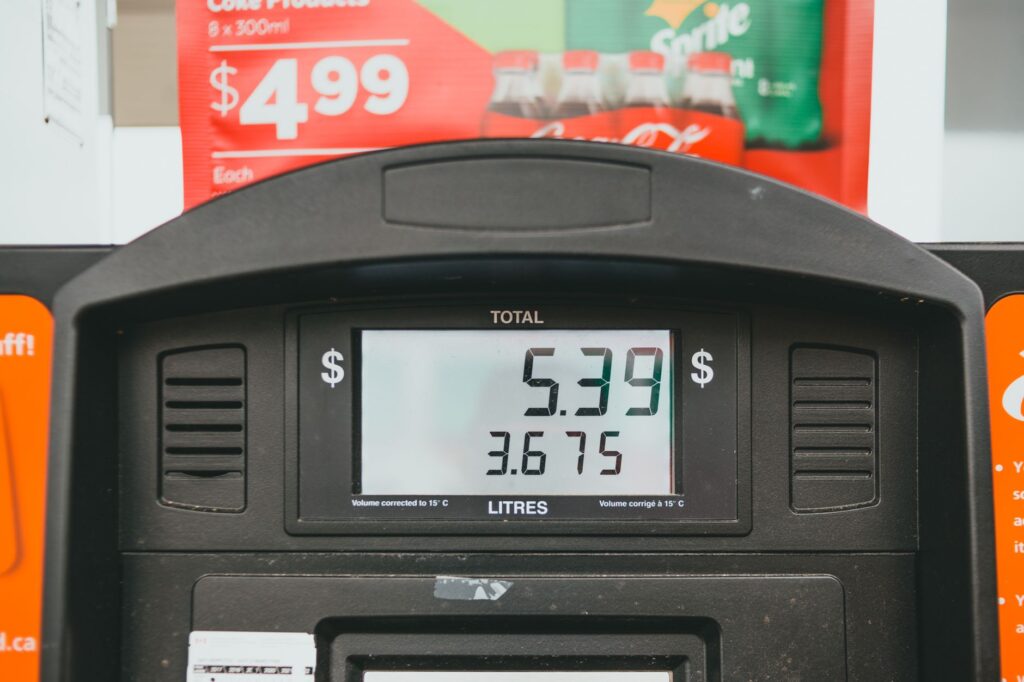
Nevada’s economy is intricately tied to fuel prices and geopolitics, with fluctuations in crude oil prices directly impacting local businesses and consumers. As global energy dynamics shift, it’s crucial to stay informed about how these changes affect energy security not only in our state but also across the nation. The oil markets are constantly evolving, and understanding these trends can help Nevadans navigate their economic landscape more effectively.
As we look toward the future, staying engaged with developments in fuel prices and geopolitics will be essential for both individuals and policymakers. Consider exploring resources that analyze the interconnectedness of global energy trends, which can better prepare you for potential economic shifts. By being proactive and informed, you can contribute to discussions that shape Nevada’s economic resilience in an ever-changing world.
“`html
How do global conflicts affect fuel prices in Nevada?
Global conflicts can lead to instability in oil-producing regions, causing disruptions in supply. Consequently, this uncertainty drives up fuel prices and impacts Nevadans directly. As the state relies on fuel for transportation, higher prices affect everything from commuting costs to goods transportation, ultimately influencing the state’s economy.
What influences crude oil prices in today’s market?
Crude oil prices today are influenced by a combination of factors, including supply and demand dynamics, geopolitical tensions, economic indicators, and decisions made by OPEC. Additionally, fluctuations in the global energy market and advancements in energy technology can also play significant roles, making the market complex and unpredictable.
How can energy security be improved amidst rising fuel costs?
Improving energy security requires diversifying energy sources, investing in renewable energy, and enhancing domestic production capabilities. Nevada can benefit from increased investment in alternative energy technologies, which can help reduce dependency on imported fuels, thus buffering the state against volatile fuel prices and geopolitical crises.
Why are oil markets sensitive to geopolitical events?
Oil markets are particularly sensitive to geopolitical events due to the interconnected nature of global supply chains. Any conflict or political instability in major oil-producing countries can lead to fears of supply disruptions, which often results in immediate price spikes. This volatility can affect fuel prices and overall economic stability in regions like Nevada.
What are the economic effects of high fuel prices on Nevadans?
High fuel prices can have significant economic effects on Nevadans, leading to increased transportation costs, higher prices for goods and services, and reduced disposable income. This can strain household budgets and impact local businesses, ultimately slowing down economic growth in the state as consumers cut back on spending.
How to predict future fuel prices based on geopolitical trends?
Predicting future fuel prices involves analyzing geopolitical trends, such as conflicts, trade agreements, and political stability in oil-rich regions. Additionally, monitoring economic indicators and supply-demand balances can provide insights into potential price movements. Utilizing historical data and expert analyses can also aid in making more accurate predictions in the context of fuel prices and geopolitics.
“`