
In this article, we delve into the Paul For Nevada education proposals, a transformative initiative aimed at reshaping the state’s educational landscape. With an eye on the future, these proposals seek to address key issues within Nevada education policy and set the stage for meaningful education reform 2026. We’ll explore the essential components of the Paul education plans, emphasizing innovative strategies designed to enhance student outcomes and community engagement. Engaging the community is vital for the success of these reforms, and we will discuss how local involvement can drive change. Additionally, we will examine the metrics for measuring the success of these proposals and what they mean for the future of education in Nevada. Join us as we navigate the complexities and opportunities presented by these ambitious plans, paving the way for a brighter educational future.
Understanding Paul For Nevada Education Proposals
Education is a cornerstone of any thriving society, and as we approach education reform 2026, it’s crucial to address the pressing issues within Nevada’s education system. The current landscape reveals significant challenges, from underfunded schools to insufficient access to quality resources, which hinder the potential of our students.
The Current State of Nevada Education Policy
Nevada’s education policy has faced criticism for years, primarily due to its low graduation rates and disparities in educational resources across districts. According to Nevada’s Report Card, the state has consistently ranked at or near the bottom in national education assessments. This troubling trend has led to calls for comprehensive reforms to ensure that every child, regardless of their background, receives a quality education.
Paul For Nevada education proposals aim to address these critical issues head-on. His vision includes increasing funding for schools, providing greater support for teachers, and implementing programs that focus on STEM education. By prioritizing equitable access to resources, Paul believes that Nevada can transform its educational landscape and foster a generation of informed, capable leaders.
The Need for Reform in 2026
As we look toward 2026, the urgency for reform becomes even more apparent. The challenges facing Nevada education policy are not just about numbers; they impact the future of our children and the state’s workforce. Paul education plans emphasize a holistic approach, focusing on early childhood education, mental health support, and vocational training. These elements are essential to developing well-rounded individuals who can thrive in a rapidly changing economy.
In order to implement these changes effectively, community involvement is crucial. Parents, educators, and policymakers must collaborate to create a robust framework for reform that reflects the needs of all stakeholders. Paul’s proposals encourage this collaboration, aiming to create a unified vision for Nevada’s educational future.
By supporting Paul For Nevada education proposals, we can initiate the transformative change that is desperately needed. Together, we can ensure that our education system not only prepares students for the future but also empowers them to shape it.
Key Components of Paul For Nevada Education Proposals
Strengthening Early Childhood Education
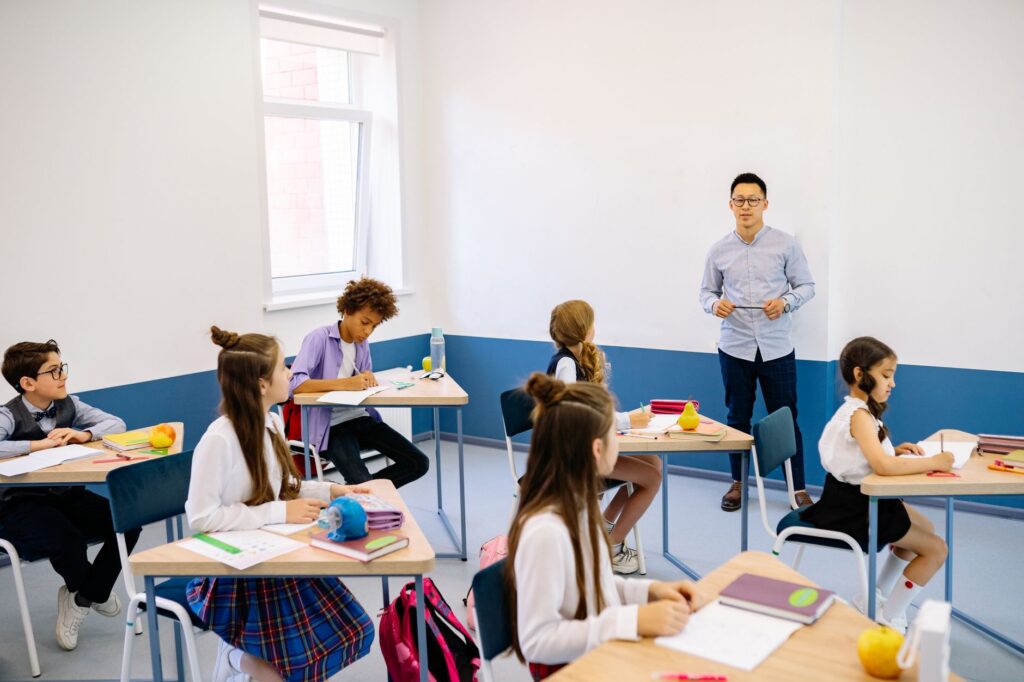
One of the cornerstone initiatives in the Paul For Nevada education proposals is the focus on early childhood education. Recognizing that nearly 65% of children in Nevada enter kindergarten unprepared, Paul aims to implement universal pre-K programs across the state. This initiative is crucial because research shows that high-quality early education can significantly improve academic outcomes and lifelong success.
For example, studies indicate that children who attend preschool are 30% more likely to graduate high school compared to their peers who do not. By investing in this early education, families will benefit from a stronger foundation for their children, ultimately leading to a more educated workforce in Nevada.
Additionally, Paul proposes enhanced training and support for early childhood educators, ensuring they are equipped with the necessary skills and resources to foster an enriching learning environment. This approach not only supports children but also empowers families, creating a more robust community overall.
Innovative Funding Solutions
Another vital aspect of the Paul education plans involves innovative funding solutions aimed at addressing existing inequities in Nevada education policy. Currently, funding for education varies dramatically across districts, which can lead to disparities in resources and educational opportunities. Paul suggests a new funding formula that prioritizes underfunded schools, ensuring that all students have access to quality education.
To facilitate this, Paul proposes creating a dedicated education fund, sourced from a combination of state revenue adjustments and public-private partnerships. This fund would support initiatives such as technology integration in classrooms and after-school programs, which have been shown to improve student engagement and academic performance.
With the ambitious goal of achieving significant improvements by education reform 2026, these funding solutions aim to bridge the gap in educational resources, ensuring that every child in Nevada has the opportunity to succeed.

Community Involvement in Education Reform 2026
As we look toward a future shaped by education reform 2026, community involvement emerges as a pivotal element in the success of Paul For Nevada education proposals. Engaging parents, educators, and local organizations not only enriches the educational landscape but also ensures that reforms meet the actual needs of the community.
Engaging Parents and Educators
One of the most effective strategies for involving the community is through the active engagement of parents and educators. By creating open channels for communication, districts can facilitate meaningful dialogue about the challenges and opportunities within Nevada’s education system. Regular forums, surveys, and workshops can empower parents to voice their concerns and contribute ideas, fostering a sense of ownership over the educational process.
Additionally, training sessions for educators can help them understand the value of collaboration with families. When teachers are equipped with the right tools to involve parents in their children’s learning, the entire educational experience is enhanced. This aligns perfectly with Paul education plans, which emphasize collaboration and community-driven initiatives.
Building Partnerships with Local Organizations
Another crucial aspect of community involvement is building partnerships with local organizations. Nonprofits, businesses, and community groups can offer resources, mentorship programs, and funding opportunities that schools may not have access to otherwise. For instance, local businesses can sponsor educational events or provide internships for high school students, bridging the gap between education and the workforce.
Existing partnerships should be leveraged to maximize impact. Schools can collaborate with local health organizations to provide wellness programs or with cultural institutions to enhance curriculum offerings. By tapping into these resources, Paul For Nevada education proposals can create a more enriched educational environment that reflects the community’s diverse needs.
fostering community involvement is essential for effective education reform. By emphasizing the importance of engaging parents and building partnerships with local organizations, Nevada can pave the way for a more responsive and effective education system. To explore more about how these strategies fit into the broader context of Nevada education policy, click here: Paul For Nevada Education Reform: A Vision for Improvement.
Measuring Success of Paul For Nevada Education Proposals
Setting Clear Objectives
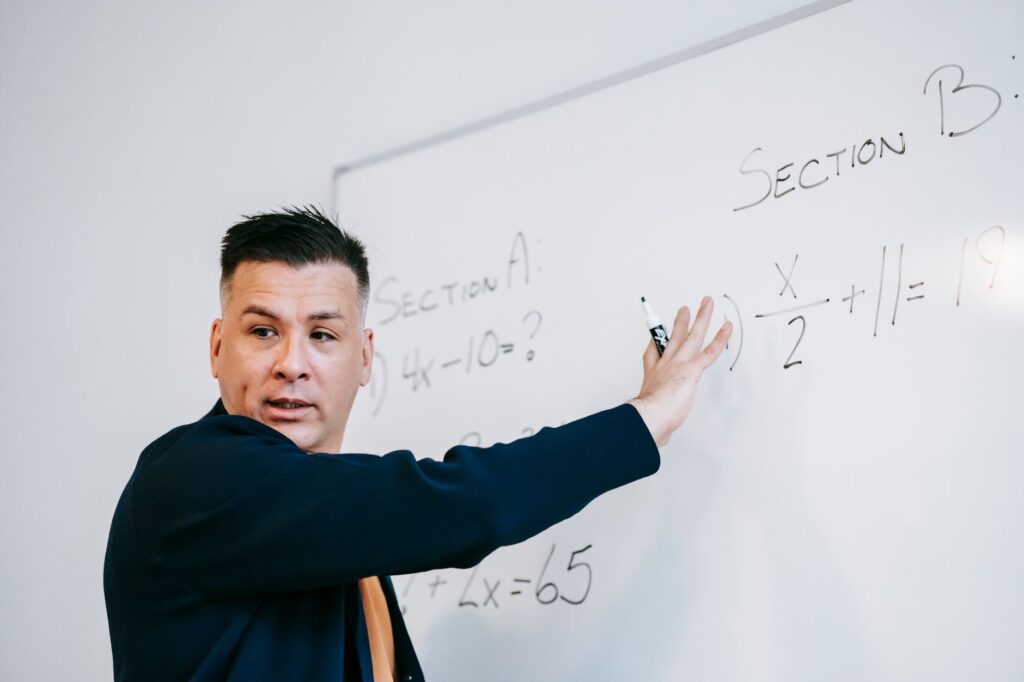
For any reform initiative to be effective, particularly in the realm of education, setting clear and measurable objectives is paramount. Paul For Nevada education proposals emphasize the importance of establishing specific goals that address the unique challenges faced by Nevada’s education system. These objectives could range from improving student literacy rates to increasing graduation rates among at-risk populations. By outlining these targets, stakeholders can align their efforts and resources to foster a more effective learning environment.
Additionally, it’s essential to engage educators, parents, and community members in this process. Their input can help refine these objectives, ensuring they are relevant and achievable. For instance, the Nevada Department of Education has previously set goals focused on enhancing STEM education or closing the achievement gap, serving as examples of how targeted objectives can guide policy decisions.
Evaluating Outcomes of Paul For Nevada Education Proposals
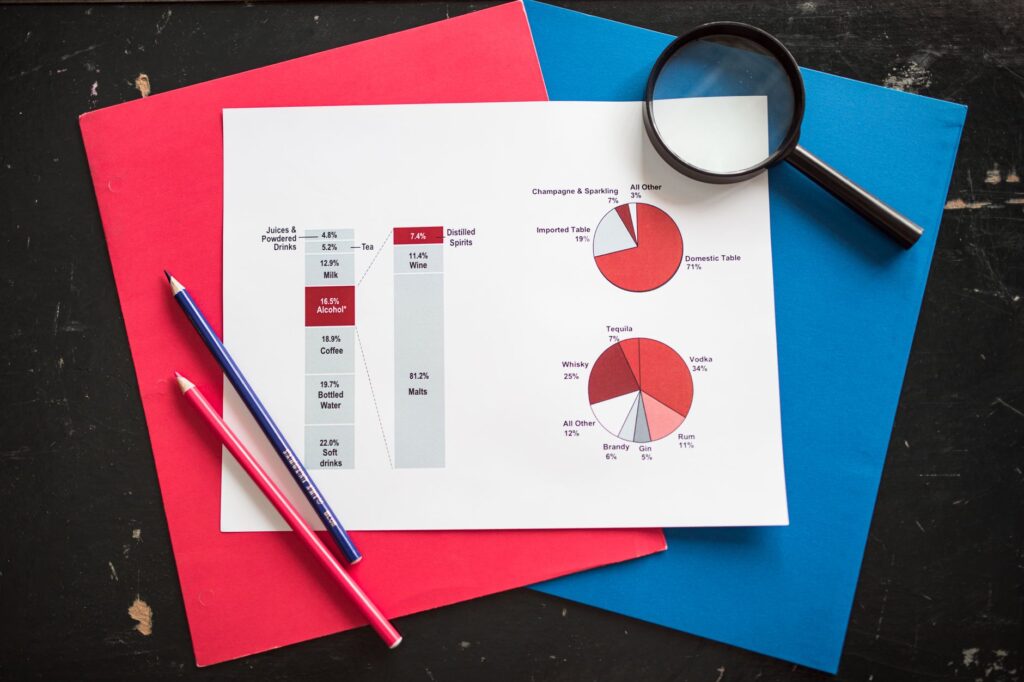
Regular evaluation of outcomes is crucial to determining the effectiveness of any education reform initiative, including Paul education plans. By employing metrics such as standardized test scores, graduation rates, and post-secondary enrollment statistics, policymakers can assess the impact of their proposals on student achievement. Furthermore, incorporating qualitative measures, such as surveys and feedback from teachers and parents, can provide a more comprehensive view of how reforms are resonating within the community.
Looking at examples from other states can provide valuable insights. For instance, Education Week highlighted how states like Tennessee successfully implemented regular assessments to track the progress of their education reform 2026 initiatives. This approach allowed them to make data-informed decisions that ultimately enhanced student outcomes. By adopting similar strategies, Nevada can ensure accountability and maximize the effectiveness of its education policies.
measuring the success of Paul For Nevada education proposals requires a commitment to setting clear objectives and evaluating outcomes regularly. This approach not only ensures accountability but also fosters a culture of continuous improvement within Nevada’s education system. Ultimately, this will contribute to a brighter future for students across the state.
To learn more about how these proposals can transform education in Nevada, please check out our comprehensive guide Paul For Nevada Education Reform: A Path to Change.
The Future of Education in Nevada: A Vision Driven by Paul For Nevada Education Proposals
As we look ahead, the future of education in Nevada holds significant promise, largely influenced by the comprehensive Paul For Nevada education proposals. These proposals aim to address the pressing issues within our education system, setting a long-term vision that prioritizes equity, accessibility, and student success. The initiatives outlined in these proposals are designed not just to reform current practices but to prepare our students for an ever-evolving world.
Long-term Vision for Nevada’s Schools
The Paul education plans focus on fostering an environment where every student has the resources they need to thrive. This includes investments in technology, updated curriculum standards, and increased support for teachers. The goal is to create a learning atmosphere that not only meets the standards of Nevada education policy but exceeds them, ensuring that our students are competitive on both national and global stages.
Moreover, education reform 2026 emphasizes the importance of early childhood education, recognizing that foundational skills are critical for long-term academic success. By implementing programs that support young learners, we can set the stage for a more robust educational journey. The future of education in Nevada hinges on our ability to innovate and adapt, and that starts with a clear, actionable plan.
Call to Action for Stakeholders
For these proposals to come to fruition, the participation of all stakeholders is essential. Educators, parents, and policymakers must come together to champion the changes required in our education system. Collaboration is key; by pooling resources and ideas, we can create a more supportive and effective educational environment. It’s not enough to simply agree with the Paul For Nevada education proposals; active engagement in discussions, initiatives, and local educational events is crucial.
As we embark on this journey toward reform, let’s commit to working hand in hand. Stakeholders should take the time to engage with their local schools, voice their concerns, and advocate for the necessary changes to support our students. The future of education in Nevada is bright, but it requires a united front to turn vision into reality. Together, we can make a difference and ensure a better tomorrow for our children.
Paul For Nevada Education Reform Plans Paul For Nevada Education Reform: A Vision for Change Top 5 Policies Paul For Nevada Supports for Education ReformAs we look towards education reform in 2026, the Paul For Nevada education proposals offer a promising path forward. By prioritizing student outcomes and seeking to enhance the state’s education policy, Paul’s vision aims to create a more equitable learning environment for all Nevada students. With innovative plans that focus on individualized learning and community engagement, these proposals could significantly reshape Nevada’s educational landscape.
Now is the time to get involved and support the Paul education plans. Whether you are an educator, a parent, or simply a concerned citizen, your voice matters in shaping the future of education in Nevada. Engage with local discussions, reach out to policymakers, and advocate for the changes you want to see. Together, we can ensure that Nevada’s education system not only meets the challenges of today but also prepares our children for tomorrow.
“`html
What are Paul For Nevada education proposals?
Paul For Nevada education proposals are a series of initiatives aimed at transforming the educational landscape in Nevada. These proposals focus on improving funding, enhancing teacher training, and ensuring equitable access to quality education for all students. The goal is to address existing challenges within the education system, ultimately leading to better educational outcomes for Nevada’s youth.
How does Paul plan to reform education in Nevada?
Paul plans to reform education in Nevada through a comprehensive approach that includes increased funding for public schools, a revision of education policy to prioritize innovative teaching methods, and community engagement. His strategies also emphasize the importance of technology in the classroom and creating partnerships with local businesses to enhance vocational training opportunities.
What specific changes are proposed for early childhood education?
The proposals for early childhood education include expanding access to pre-K programs and improving the quality of early learning environments. This involves increasing funding for early childhood educators, implementing more rigorous training programs, and providing resources for families to support their children’s learning from a young age. These changes aim to ensure that all children in Nevada are prepared for success in school.
How will community involvement impact education reform?
Community involvement is crucial for the success of education reform. Paul believes that engaging parents, local organizations, and businesses can create a supportive network for schools. This participation can lead to increased resources, mentorship opportunities, and stronger advocacy for educational needs, fostering an environment where students can thrive. Collaborative efforts will help ensure that reforms are relevant and effective.
What measures will be used to evaluate the success of education proposals?
The success of Paul For Nevada education proposals will be evaluated through various metrics, including student achievement scores, graduation rates, and teacher satisfaction surveys. Regular assessments will track progress over time, allowing for adjustments to be made as necessary. Additionally, stakeholder feedback from parents and community members will play a vital role in determining overall effectiveness.
When will these education reforms take effect in Nevada?
The proposed education reforms are set to take effect in phases, starting in the 2026 school year. This timeline allows for thorough planning and implementation, ensuring that all necessary resources and training are in place. The phased approach aims to minimize disruptions to current educational practices while gradually introducing the new policies to improve the education system in Nevada.
“`