
Nevada key issues 2026 are shaping up to be pivotal as we approach the next election cycle. With the state’s political landscape constantly evolving, voters are looking to candidates like Paul to take a clear stance on these pressing matters. This article dives into the key economic issues facing Nevada in 2026, including the ongoing challenges of healthcare access and the urgent need for education and workforce development. Environmental sustainability also plays a significant role in the discussion as Nevada grapples with its unique geographical challenges. As the 2026 election issues come to the forefront, understanding how candidates plan to tackle these challenges is essential. Join us as we explore Paul’s stance on Nevada issues, the implications of the current political climate, and what voters need to know in the lead-up to the election. For more on Nevada’s changing landscape, check out insights from NPR and Nevada’s official state website.
Nevada Key Issues 2026: The Political Landscape
Overview of Current Challenges
The political landscape in Nevada is evolving rapidly as we approach the 2026 elections. Key issues such as economic diversification, water scarcity, and healthcare accessibility are at the forefront of public discourse. In a recent poll, 72% of Nevadans expressed concern over the state’s reliance on tourism, highlighting the urgent need for economic resilience. Additionally, over 60% are worried about water management, especially in light of ongoing drought conditions affecting the region. These pressing concerns represent critical Nevada key issues in 2026 that candidates must address to win voter confidence.
Paul’s Vision for Nevada
In response to these challenges, Paul is positioning himself as a proactive leader with a clear vision for Nevada’s future. His stance on Nevada issues emphasizes the importance of sustainable economic practices. Paul advocates for initiatives aimed at diversifying the state’s economy, investing in technology and renewable energy sectors. He believes that by fostering innovation, Nevada can reduce its dependence on the tourism industry, creating more stable job opportunities for its residents.
Regarding water management, Paul supports comprehensive policies that promote conservation and responsible use of resources. He proposes collaborative efforts with local communities and stakeholders to develop a strategic plan that addresses water scarcity effectively. His approach aligns with the sentiments of many voters who prioritize sustainable practices and accountability in government. For those looking for a leader who prioritizes the needs of everyday Nevadans, Paul’s vision offers actionable solutions to the state’s most pressing Nevada key issues in 2026.
Key Economic Issues for Nevada in 2026
Nevada Key Issues 2026: Job Creation and Economic Recovery
As Nevada looks ahead to 2026, the state faces significant challenges in job creation and economic recovery, particularly in the wake of the pandemic. The hospitality and entertainment sectors, which form the backbone of Nevada’s economy, were severely impacted by COVID-19. According to the Nevada Department of Employment, Training and Rehabilitation, unemployment rates soared during the pandemic, leading to a sharp decline in job opportunities.
Paul’s policies aim to revitalize these sectors by promoting workforce development programs and incentivizing businesses to hire locally. By focusing on education and skill-building, his approach seeks to ensure that Nevadans are prepared for the evolving job market. Furthermore, fostering partnerships between local businesses and educational institutions can create pathways for sustainable employment. This proactive stance on Nevada issues is crucial for the state’s recovery and long-term economic stability.
Impact of Tourism on the Economy
Tourism is a vital component of Nevada’s economy, contributing billions in revenue and supporting thousands of jobs. However, the shifts in travel behavior due to the pandemic have raised concerns about the future of this industry. As part of the Las Vegas Convention and Visitors Authority reports, a rebound in tourism is essential for overall economic recovery in Nevada.
Paul recognizes the importance of tourism and supports initiatives to enhance the visitor experience while promoting responsible travel. By investing in infrastructure and marketing campaigns, his policies aim to attract more visitors and diversify the types of tourism Nevada offers. Addressing these Nevada key issues in 2026 is crucial for ensuring that the state can recover and thrive in a post-pandemic world.

Ultimately, addressing job creation and the impact of tourism on the economy will be central to the upcoming 2026 election issues. The Nevada political landscape is shifting, and voters will need to consider which candidates can effectively tackle these challenges for a brighter economic future.
Healthcare Challenges in Nevada Key Issues 2026
Access to Quality Healthcare
Nevada faces significant challenges in providing access to quality healthcare, which stands out among the Nevada key issues 2026. According to the Centers for Medicare & Medicaid Services, many rural areas lack sufficient healthcare facilities and providers, leading to disparities in health outcomes. With a growing population, the demand for healthcare services is expected to rise, putting further strain on an already stretched system.
Paul’s stance on Nevada issues emphasizes the need for expanding healthcare access through innovative solutions. He advocates for telehealth initiatives and community health programs to bridge the gap in underserved areas. By investing in these solutions, Nevada can improve healthcare delivery, ensuring that all residents have access to the services they need.
Mental Health Services: A Key Aspect of Nevada Key Issues 2026
The importance of mental health services cannot be overstated, especially in the wake of the COVID-19 pandemic. Nevada has one of the highest rates of mental illness in the nation, yet access to mental health care remains limited. According to the National Alliance on Mental Illness, nearly 60% of individuals with mental health conditions do not receive treatment.
Addressing mental health is a cornerstone of Paul’s campaign as he recognizes it as a critical component of overall health. His plan includes increasing funding for mental health programs and expanding the workforce to meet the growing demand. By prioritizing mental health services, Nevada can improve the well-being of its citizens, making it a vital topic in the context of the 2026 election issues.
As Nevada navigates these healthcare challenges, it is essential for voters to consider candidates who prioritize effective solutions. Paul’s commitment to addressing these Nevada key issues 2026 positions him as a hopeful choice for improving healthcare access and mental health services across the state.

Education and Workforce Development: A Priority for 2026
As Nevada approaches the pivotal 2026 election, education stands out as one of the most pressing Nevada key issues 2026. The state faces numerous challenges that threaten the quality of education and, consequently, workforce preparedness. With a rapidly growing population and an economy reliant on skilled workers, addressing educational shortcomings has become imperative.
Challenges Facing Nevada’s Education System
Nevada’s education system is grappling with significant issues, including insufficient funding and disparities in educational quality across districts. According to the Nevada Department of Education, funding for public schools remains below the national average, which hampers resources for teachers and students alike. Additionally, the state has consistently ranked low in educational outcomes, with many students lacking the essential skills needed to thrive in today’s job market.
The Nevada political landscape reflects a growing awareness of these problems, with community leaders and policymakers advocating for reforms. However, progress has been slow, leaving many students unprepared for the workforce demands of the future.
Paul’s Education Reform Plans
In response to these challenges, Paul has proposed a comprehensive education reform plan aimed at improving both educational outcomes and workforce readiness. His approach emphasizes increasing funding for under-resourced schools and implementing performance-based incentives for educators. Paul believes that by attracting and retaining quality teachers, Nevada can significantly improve student performance.
Moreover, his plan includes partnerships with local businesses to develop training programs that align educational curricula with market needs. By bridging the gap between education and industry, Paul aims to equip students with the skills necessary for high-demand jobs, ensuring that Nevada’s workforce is competitive in the national economy.
Engaging in thoughtful discussions about Nevada key issues 2026 like education can lead to actionable solutions. By supporting reforms that prioritize education and workforce development, Nevadans can create a brighter future for the upcoming generations. For more information on Paul’s insights and strategies, check out Paul For Nevada Economic Growth: A Vision for 2026.
Environmental Challenges and Sustainability in Nevada
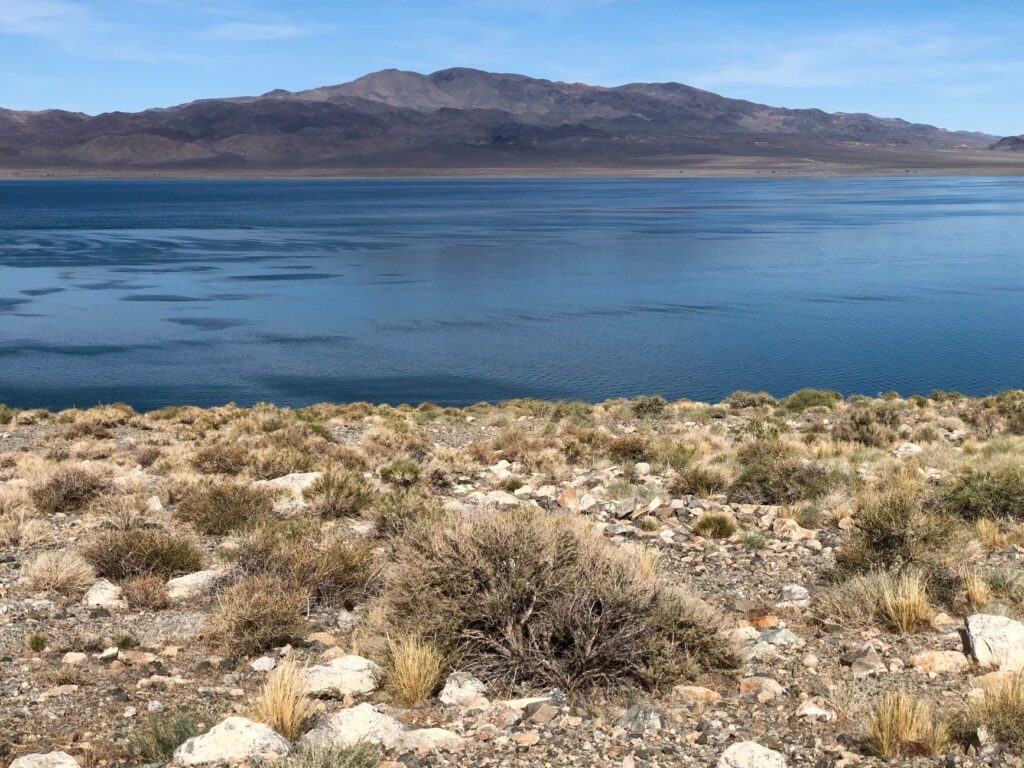
Nevada is grappling with significant environmental challenges as we approach the 2026 elections. Among the most pressing Nevada key issues 2026 is water scarcity, a critical resource for both residents and agriculture. With a rapidly growing population and prolonged drought conditions, effective water resources management is vital for the state’s sustainability.
Water Resources Management
As the climate continues to change, Nevada faces increasing competition for its limited water supply. The state’s reliance on the Colorado River, which has seen diminishing flows, exacerbates this issue. Research indicates that water allocations may need to be re-evaluated to ensure equitable distribution among users.
Paul has been vocal about his stance on Nevada issues, advocating for innovative water management strategies that incorporate conservation and technology. He supports initiatives aimed at improving infrastructure and promoting water-efficient practices among residents and businesses. By implementing smart water management, Nevada can better navigate its water challenges while sustaining its communities and ecosystems.
Renewable Energy Initiatives in the Context of Nevada Key Issues 2026
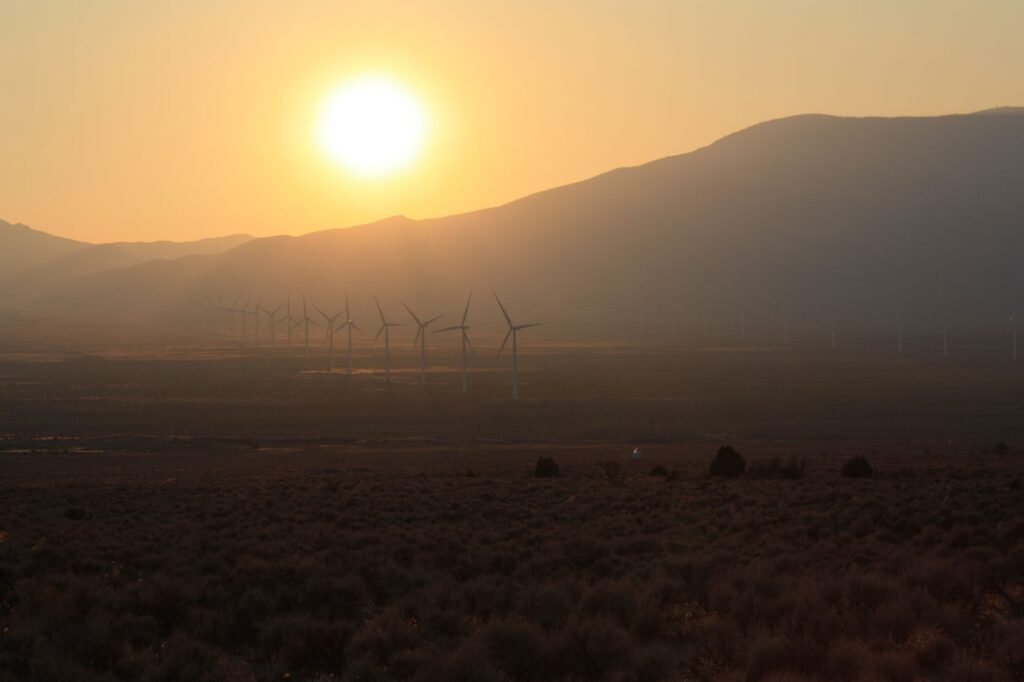
Alongside water management, renewable energy initiatives are critical to addressing the environmental landscape of Nevada. The state is blessed with abundant solar and wind resources, yet harnessing this potential remains a challenge. Transitioning to renewable energy not only mitigates climate change but also creates jobs and stimulates the economy.
Paul recognizes the importance of investing in renewable energy technologies and infrastructure. He supports policies that encourage solar and wind development, aiming to make Nevada a leader in clean energy production. This vision aligns with the growing demand for sustainable practices and addresses key 2026 election issues that resonate with voters concerned about the environment.
By prioritizing water conservation and renewable energy, Nevada can tackle these pressing environmental challenges head-on. Engaging communities in sustainability efforts will be crucial for ensuring that the state not only survives but thrives in the coming years.

As we approach the 2026 elections, the Nevada political landscape will undoubtedly reflect these environmental challenges. Sustainable practices and innovative solutions will be at the forefront of discussions, shaping policies and community engagement for years to come. For more on how these issues will influence the election, Paul For Nevada’s Economic Policies: What to Expect in 2026.
The Road to the 2026 Election: What Voters Need to Know
Key Dates and Voting Information for Nevada Key Issues 2026
As we approach the 2026 election, it is essential for Nevada voters to stay informed about key dates and voting procedures. The primary election will take place on June 14, 2026, while the general election is scheduled for November 8, 2026. Registration deadlines for the primary elections are typically set for May 23, 2026, but Nevada allows same-day registration, making it easier for voters to participate.
Voters can register online through the Nevada Secretary of State’s website, by mail, or in person at designated locations. Make sure to have the required identification and proof of residency handy. Understanding the Nevada political landscape and the key issues at stake is crucial, especially when considering Paul’s stance on Nevada issues such as healthcare, education, and renewable energy initiatives.
How to Get Involved with Nevada Key Issues 2026
Engagement goes beyond voting. Residents can participate in local town halls, community forums, and discussions to better understand the 2026 election issues affecting the state. Volunteering for political campaigns or advocacy groups focused on Nevada key issues 2026 is another excellent way to make your voice heard.
Consider joining grassroots organizations that align with your values and priorities. Many groups provide resources that can help you educate others about significant issues, such as economic policies and environmental sustainability. For those interested in directly influencing policy, contacting your local representatives to express your concerns and opinions can also be impactful.
As the 2026 election approaches, being informed and engaged is vital. Understanding the key issues facing Nevada will empower voters to make decisions that reflect their values and priorities.
Stay tuned for more updates on Nevada key issues 2026 as we move closer to the election, and remember to participate actively in shaping the future of our great state! For further insights into the upcoming election, check out our related articles on Paul For Nevada: Key Issues and Policies He Advocates and Paul For Nevada Policies Impacting the 2026 Elections.
As we approach the 2026 election, the Nevada key issues 2026 are shaping the political landscape in profound ways. Voters are increasingly concerned about the economy, education, and healthcare, and candidates must address these matters head-on. Paul’s stance on Nevada issues reflects a commitment to finding practical solutions that resonate with the everyday experiences of Nevadans. By focusing on actionable policies, candidates can better engage with the electorate and foster a more informed discussion around these crucial 2026 election issues.
Engagement is key, and it’s essential for voters to stay informed about the pressing challenges facing the state. By understanding the Nevada political landscape and actively participating in discussions, residents can help shape the future they want to see. Whether through town halls, social media, or local events, staying connected is vital. So, as we gear up for 2026, let’s keep the conversation going about the Nevada key issues 2026 that matter most. Your voice can make a difference!
“`html
What are the key issues in Nevada for 2026?
The key issues facing Nevada in 2026 include economic recovery post-pandemic, water resource management, housing affordability, and healthcare accessibility. As the state continues to rebound, addressing these challenges will be crucial for sustainable growth. The Nevada key issues 2026 will also encompass education reform and addressing climate change, which are increasingly relevant in the political discourse.
What is Paul’s stance on Nevada issues?
Paul advocates for comprehensive solutions to Nevada’s pressing issues, focusing on economic development, healthcare reforms, and education improvements. His stance on Nevada issues emphasizes collaboration with local communities to enhance job creation and support sustainable practices. By prioritizing these areas, Paul aims to create a more prosperous future for all Nevadans.
How will the 2026 election impact Nevada residents?
The 2026 election is expected to significantly impact Nevada residents by shaping policies on critical issues such as job creation, healthcare, and education. Voter turnout and engagement will play a crucial role in determining the direction of these policies. The outcome will influence not just immediate local concerns but also long-term development strategies in the state.
What economic challenges does Nevada face in 2026?
Nevada’s economy faces several challenges in 2026, including high unemployment rates in certain sectors, a reliance on tourism, and housing shortages. Inflation and rising living costs also contribute to economic strain for many residents. Addressing these economic challenges will be essential for fostering a stable and prosperous environment for Nevadans.
How is healthcare being addressed in Nevada for 2026?
Healthcare in Nevada is being prioritized through initiatives aimed at expanding access to affordable care, particularly in rural areas. Efforts to improve mental health services and address substance abuse are also critical components of the state’s healthcare strategy for 2026. These initiatives aim to enhance overall health outcomes for Nevadans.
What are the educational priorities for Nevada in 2026?
Educational priorities for Nevada in 2026 include improving K-12 funding, enhancing teacher training programs, and increasing access to higher education. There is a strong focus on ensuring that all students receive a quality education that prepares them for the workforce. Addressing disparities in educational resources will be key to achieving these goals.
“`