
When comparing natural gas vs propane, choosing the right fuel for your needs can feel overwhelming. Both options have distinct advantages, and understanding their differences is crucial for homeowners and businesses alike. In this article, we’ll dive into a comprehensive fuel comparison, starting with the basics of natural gas and propane, including their unique characteristics and applications. We’ll explore the pros and cons of each fuel type, highlighting notable propane benefits such as its versatility and efficiency. Additionally, we’ll discuss cost and accessibility factors, examining how these elements influence your decision in the natural gas vs propane debate. Environmental impact is also a key factor, so we’ll evaluate how both fuels measure up in terms of sustainability. By the end of this gas energy guide, you’ll have the information needed to make an informed choice that fits your lifestyle and values. Ready to explore the world of lpg vs natural gas? Let’s get started!
Understanding Natural Gas vs Propane: A Fuel Comparison
When considering natural gas vs propane, it’s essential to understand what these fuels are, their chemical compositions, and how they are sourced. Both play significant roles in energy production and household applications, making them vital in our daily lives.
What Is Natural Gas?
Natural gas is primarily composed of methane (CH4), a simple hydrocarbon. It’s a fossil fuel that forms deep beneath the Earth’s surface through the decomposition of organic matter over millions of years. Common sources include shale deposits, coal beds, and natural gas fields. It’s widely used for heating, cooking, and generating electricity. More than 30% of the U.S. electricity is generated using natural gas, making it a major player in the energy landscape. For a comprehensive overview, refer to the U.S. Energy Information Administration.
What Is Propane?
Propane, on the other hand, is a byproduct of both natural gas processing and crude oil refining. Chemically, it consists of three carbon atoms and eight hydrogen atoms (C3H8). Propane is categorized as an LPG (liquefied petroleum gas) and is commonly used in rural areas where natural gas pipelines are unavailable. Its applications range from residential heating and cooking to powering vehicles. To dive deeper into the differences, check out this propane energy guide.
While both fuels have their merits, the fuel comparison often leads to debates about efficiency, environmental impact, and cost. For instance, propane has several propane benefits, such as being portable and having a higher energy density than natural gas. However, natural gas is generally more abundant and often cheaper in regions with established infrastructure. Each fuel has its unique advantages and drawbacks, depending on specific needs and circumstances.

Ultimately, the choice between natural gas vs propane depends on various factors, including availability, application, and personal preference. Understanding these fuels’ characteristics can significantly impact energy decisions in both residential and industrial contexts.
Natural Gas vs Propane: Pros and Cons
When it comes to choosing between natural gas and propane, the decision can significantly impact your home energy efficiency, costs, and environmental footprint. Each fuel type has its own advantages, making a thorough fuel comparison crucial for consumers. Let’s explore the benefits of both natural gas and propane, providing insights to help you make an informed choice.
Advantages of Natural Gas
Natural gas is often hailed for its availability and cost-effectiveness. With extensive infrastructure already in place, many homes are connected to natural gas lines, making it a convenient choice for heating and cooking. According to the U.S. Energy Information Administration, the price of natural gas has remained relatively low, averaging about $3 per thousand cubic feet in recent years. This affordability translates to lower monthly energy bills for consumers.
Additionally, natural gas is known for its lower emissions compared to other fossil fuels. Utilizing natural gas can lead to a reduction in greenhouse gases, making it a more environmentally friendly option. As we strive for cleaner energy sources, natural gas presents a viable option for households looking to reduce their carbon footprint.
Advantages of Propane
On the other hand, propane boasts several unique propane benefits. One of its main advantages is portability. Unlike natural gas, propane can be stored in tanks, making it an excellent choice for rural areas or places where natural gas pipelines are unavailable. This storage capability also makes propane a preferred option for outdoor activities such as camping and grilling.
Energy efficiency is another hallmark of propane. It has a higher energy content per gallon than natural gas, meaning it can deliver more heat with less fuel. This efficiency can contribute to lower overall energy costs, especially for heating purposes. Moreover, propane’s versatility allows it to power various appliances, from water heaters to generators, making it a multifaceted energy source. For more information on the various uses of propane, refer to our comprehensive gas energy guide.

While both fuels have their merits, the choice between natural gas and propane often boils down to availability, cost, and personal energy needs. Understanding the differences between lpg vs natural gas can help you decide which fuel aligns with your lifestyle and values. Whether you prioritize the cost-effectiveness and lower emissions of natural gas or the versatility and efficiency of propane, being informed empowers you to make the best decision for your home.
Propane Benefits and Applications
Where Propane Excels in the Natural Gas vs Propane Debate
When it comes to the fuel comparison of natural gas vs propane, propane shines in several specific scenarios, particularly in rural areas where natural gas infrastructure is limited or non-existent. Propane is delivered in tanks that can be easily transported, making it a practical choice for homes and businesses that are off the grid. This flexibility allows propane users to enjoy the benefits of gas appliances without the need for extensive pipeline installation. One of the most significant propane benefits is its efficiency. Propane has a higher energy content than natural gas, about 2.5 times more energy per cubic foot, which means it can heat a space more effectively and quickly. This is particularly beneficial for outdoor heating applications, such as patio heaters and fire pits, where quick warmth is essential for comfort during cooler evenings.
Common Uses of Propane
Propane is a versatile fuel used in various applications, from home heating to cooking. Here are some common uses of propane:
- Home Heating: Many rural homes rely on propane for heating, as it can be stored on-site in tanks.
- Water Heating: Propane water heaters heat water faster than electric models, which can save energy and time.
- Cooking: Grills and stoves powered by propane provide high heat for cooking, making them popular for outdoor barbecues.
- Drying Clothes: Propane clothes dryers are more efficient than electric ones, often reducing drying time.
- Generators: Propane is commonly used in backup generators, providing a reliable power source during outages.
For more information and detailed guides on propane usage, refer to our
Nevada Energy Independence: A Future Within Reach?and explore the various appliances that can utilize this efficient fuel. The choice between LPG vs natural gas ultimately depends on your specific needs, but propane's flexibility and efficiency make it an appealing option in many scenarios.

Cost and Accessibility: Natural Gas vs Propane
Pricing Trends in Natural Gas vs Propane
When it comes to a fuel comparison, pricing is a significant factor. Natural gas prices fluctuate based on market demand and supply dynamics. For instance, a surge in demand during extreme weather can drive prices up, while increased production can lead to lower costs. As of late 2023, natural gas prices have been relatively stable but can vary regionally. In contrast, propane tends to be more volatile, often influenced by seasonal demand, especially during winter months when heating needs peak. According to the U.S. Energy Information Administration, propane prices can sometimes spike significantly, making it crucial for consumers to consider their usage patterns and local pricing trends.
Availability and Infrastructure: Natural Gas vs Propane
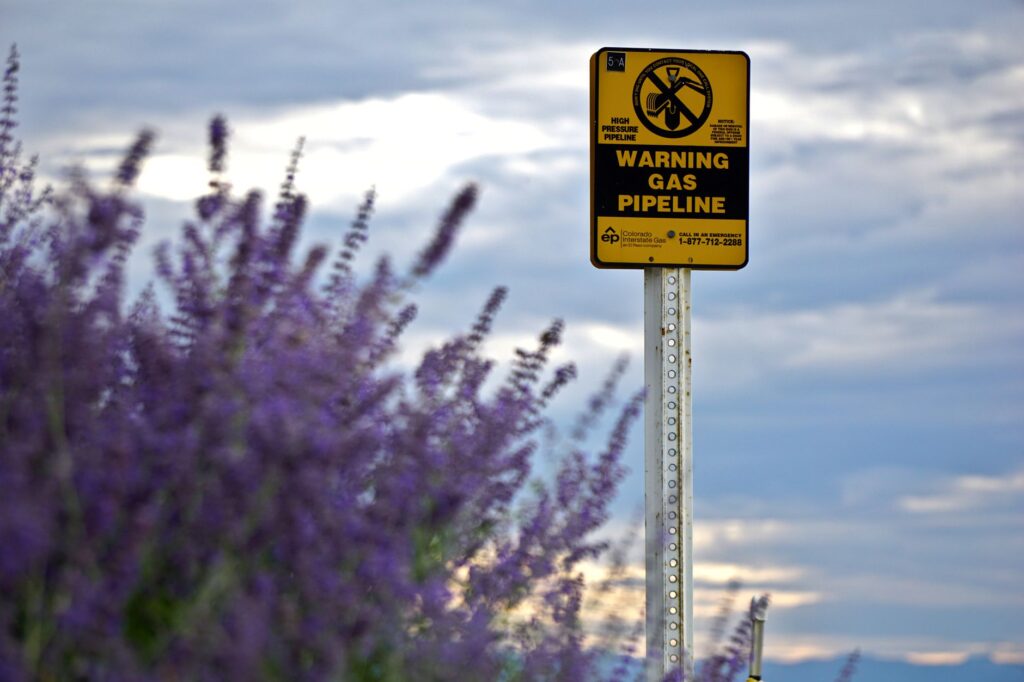
The infrastructure supporting these two fuels also plays a critical role in their accessibility. Natural gas is predominantly available in urban areas, where extensive pipeline networks exist. This makes it a convenient choice for city dwellers, who often have easy access to this energy source. On the other hand, propane, often stored in tanks, is more common in rural settings where natural gas pipelines are sparse. This flexibility allows propane to reach areas that might be underserved by natural gas infrastructure.
For those considering which fuel is better, examining the propane benefits in rural areas can be essential. Propane’s portability and ability to be stored on-site offer significant advantages where natural gas is not an option. However, the initial costs of installing propane tanks and the fluctuating prices can be drawbacks compared to the more stable pricing of natural gas. For more detailed insights on energy costs, you can refer to the EIA’s gas energy guide.
Ultimately, the choice between natural gas and propane often boils down to individual circumstances, including location, usage patterns, and economic factors. Understanding these elements will empower consumers to make a more informed decision regarding their energy needs.
Environmental Impact: A Key Factor in Fuel Comparison
Emissions and Sustainability in Natural Gas vs Propane
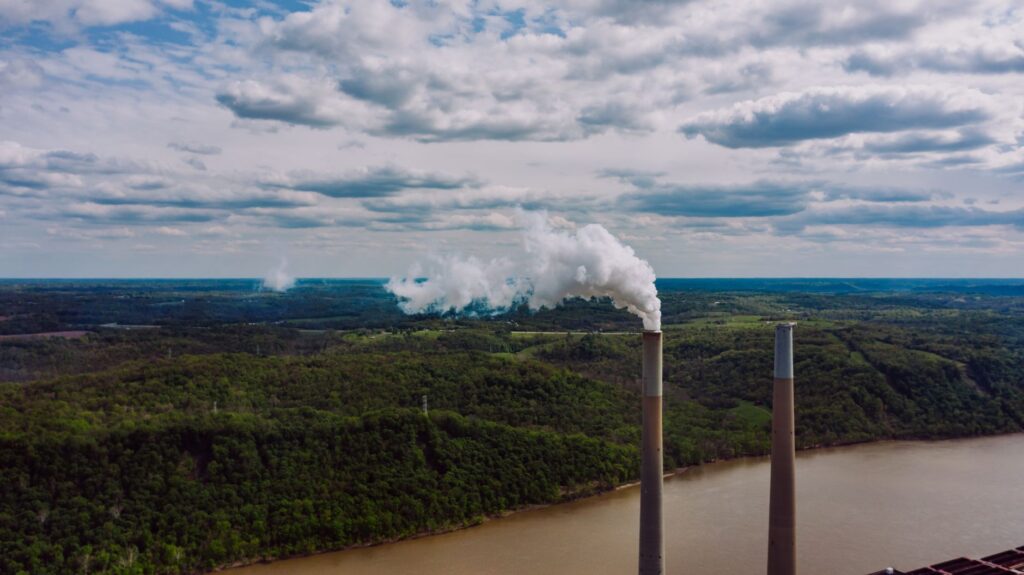
When weighing the environmental impact between natural gas and propane, we must consider their greenhouse gas emissions and overall sustainability. Natural gas is primarily composed of methane, which, while cleaner-burning than coal or oil, still releases carbon dioxide (CO2) when combusted. According to the Environmental Protection Agency (EPA), natural gas accounts for nearly 30% of total U.S. greenhouse gas emissions. In contrast, propane, or liquefied petroleum gas (LPG), is known for its lower carbon intensity, producing less CO2 per unit of energy compared to natural gas. This gives propane benefits in terms of emissions, especially in residential applications.
However, methane leakage during the extraction and transport of natural gas can significantly undermine its environmental advantages. The Intergovernmental Panel on Climate Change (IPCC) has indicated that if methane is released into the atmosphere, its global warming potential is over 25 times greater than CO2 over a 100-year period. This makes the environmental footprint of natural gas considerably more complex than it appears at first glance.
Regulatory Considerations in the Fuel Comparison
Regulations surrounding natural gas and propane also play a pivotal role in their environmental impact. The EPA’s Natural Gas STAR Program aims to reduce methane emissions from natural gas systems, encouraging companies to adopt best practices. In contrast, the propane industry is regulated under the National Propane Gas Association, which emphasizes safety and environmental responsibility. These regulations help mitigate environmental risks, fostering a more sustainable energy landscape.
Ultimately, while both fuels have distinct environmental challenges, the nuances in their emissions profiles and regulatory frameworks are critical in the natural gas vs propane debate. Understanding these factors is essential for making informed choices that align with both energy needs and environmental responsibility. For more insights, refer to our comprehensive gas energy guide on renewable fuels.
Conclusion: Making the Choice Between Natural Gas and Propane
Choosing between natural gas and propane is not a one-size-fits-all decision. Both options have distinct advantages and drawbacks, making the natural gas vs propane debate highly relevant to your specific needs and circumstances. Throughout this article, we have explored various factors, from accessibility and cost-effectiveness to environmental impact and energy efficiency. Understanding these nuances is essential for making an informed choice.
Natural gas often shines in urban settings, boasting a continuous supply and lower operational costs, especially for heating and cooking. However, natural gas prices can fluctuate, and availability may be an issue in rural areas. On the other hand, propane offers flexibility, portability, and unique propane benefits for those living off the grid or in areas without natural gas infrastructure. It’s important to weigh these aspects against your personal priorities, such as environmental concerns and budget constraints.
In the lpg vs natural gas discussion, it’s crucial to consider your local energy market and infrastructure. Some regions may have incentives for using one fuel over the other, which can significantly influence long-term costs. A thorough fuel comparison can help clarify which option aligns best with your lifestyle and energy needs.
Ultimately, the choice between natural gas and propane should reflect your individual priorities, whether that’s cost, convenience, or environmental impact. Use our gas energy guide to delve deeper into each fuel’s benefits, helping you make the best decision for your home or business.

As you navigate the natural gas vs propane landscape, remember that the “better” fuel is the one that meets your unique needs. Take the time to evaluate your circumstances, and you’ll find the right fit for your energy requirements.
When weighing natural gas vs propane, understanding their unique characteristics is crucial for making an informed choice. Both fuels offer distinct benefits, with propane often recognized for its portability and higher heat output, while natural gas boasts a more extensive infrastructure and lower cost. This fuel comparison highlights how your specific needs, whether for heating, cooking, or even powering appliances, can influence your decision.
If you’re contemplating a switch or installation, consulting a gas energy guide can provide valuable insights into the specifics of lpg vs natural gas. Consider your lifestyle, budget, and environmental impact when evaluating the propane benefits. The next step is to connect with a local energy provider to discuss options tailored to your home and preferences, ensuring you choose the best fuel for your needs.
“`html
What are the main differences between natural gas and propane?
The primary differences between natural gas and propane lie in their chemical composition, energy content, and delivery methods. Natural gas is primarily composed of methane, whereas propane is a byproduct of natural gas processing and petroleum refining. In terms of energy content, propane has a higher energy density, meaning it produces more heat per unit. Additionally, natural gas is delivered through pipelines, while propane is often stored in tanks. Understanding these differences is essential for determining which fuel suits your needs best in the natural gas vs propane debate.
Which fuel is more cost-effective for heating?
Cost-effectiveness for heating depends on various factors, including local prices and availability. Generally, natural gas is often less expensive than propane due to its abundance and delivery infrastructure. However, propane might be more cost-effective in areas where natural gas is not readily available. It’s crucial to consider both the current market rates and your specific heating requirements when evaluating the cost-effectiveness of natural gas vs propane for your home.
What are the environmental impacts of natural gas vs propane?
Both natural gas and propane are considered cleaner-burning fuels compared to coal and oil, but they still have environmental impacts. Natural gas emits less carbon dioxide when combusted, making it a preferred choice for reducing greenhouse gas emissions. However, methane, a potent greenhouse gas, can leak during extraction and transportation. Propane, on the other hand, produces fewer pollutants but is derived from fossil fuels. Evaluating the environmental impacts of natural gas vs propane is essential for making informed energy choices.
Is propane safer than natural gas?
Both propane and natural gas are generally safe when used properly, but they do have different safety considerations. Propane is heavier than air and can accumulate in low-lying areas, posing a risk of explosion if a leak occurs. Natural gas, being lighter, dissipates into the atmosphere quickly. Each fuel has specific safety measures, including odorization for leak detection. Understanding the safety features and risks associated with each fuel can help you make a more informed choice in the natural gas vs propane discussion.
How do I choose between LPG vs natural gas for my home?
Choosing between LPG (liquefied petroleum gas) and natural gas for your home depends on several factors, including availability, cost, and your specific energy needs. If natural gas is readily available and affordable in your area, it may be the better option. However, if natural gas isn’t accessible, propane can provide an excellent alternative. Consider factors like appliance compatibility, installation costs, and local regulations. Conducting a thorough analysis will help you determine the best choice between LPG vs natural gas for your home.
What are the benefits of using propane for outdoor heating?
Propane offers several benefits for outdoor heating, including efficiency and portability. It provides quick and consistent heat, making it ideal for outdoor spaces like patios and decks. Additionally, propane heaters are often more versatile and can be used in various settings, from camping to backyard gatherings. Furthermore, propane is an eco-friendly option, producing fewer emissions than traditional fuels. These propane benefits make it a popular choice for enhancing outdoor comfort and enjoyment.
“`