
Myths about Paul For Nevada have been swirling around, creating confusion and misrepresentation as the state gears up for the 2026 election. In this article, we aim to unravel these misconceptions by diving into the most common pieces of Paul For Nevada misinformation. By fact-checking Paul For Nevada’s positions and campaign strategies, we hope to separate fact from fiction. Misinformation can significantly impact public perception, especially in a politically charged environment like Nevada, where many voters are trying to make informed decisions. Additionally, we’ll explore how to take action against the spread of these Nevada 2026 election myths, equipping you with the tools to engage in constructive discussions. Whether you’re a supporter or simply curious about the campaign, understanding the truth behind these myths is crucial for a healthier political discourse. Let’s get started and clarify what’s real and what’s not regarding Paul For Nevada.
Understanding the Myths About Paul For Nevada
The campaign surrounding Paul For Nevada has sparked numerous discussions and, unfortunately, a fair amount of confusion. With the Nevada 2026 election on the horizon, various myths about Paul For Nevada have begun to circulate, creating a cloud of misinformation that can skew public perception. It’s essential to clarify these misconceptions to ensure voters have a clear understanding of who Paul is and what he stands for.
What Are the Common Myths?
Among the most prevalent myths about Paul For Nevada is the belief that he lacks a solid plan for economic growth. Critics often claim that his policies would hinder job creation and disrupt local businesses. However, a closer examination reveals that Paul has outlined comprehensive strategies aimed at fostering economic development, including support for small businesses and infrastructure improvements. You can explore his detailed economic plan on his campaign website.
Another common myth is the assertion that Paul For Nevada is out of touch with the needs of everyday citizens. Detractors argue that his background and previous roles distance him from typical Nevadans. In reality, Paul has consistently engaged with community leaders and residents across the state, gathering input to shape his policies and initiatives. His commitment to listening to constituents is a cornerstone of his campaign.
Lastly, some misinformation suggests that Paul is aligned with extreme political ideologies. This narrative often emerges during heated election cycles, especially with the rise of Nevada 2026 election myths. Fact-checking Paul For Nevada shows he operates within a moderate framework, aiming to bridge divides between various political factions.
Why Do These Myths Persist?
The persistence of these myths can largely be attributed to the rapid spread of misinformation during election seasons. Social media platforms serve as breeding grounds for sensational claims, often without proper verification. As people share content quickly, the original context can be lost, leading to distorted narratives about candidates like Paul For Nevada.
Moreover, political opponents may intentionally amplify these myths to sway voter opinion. With emotions running high, it becomes easier for exaggerated claims to gain traction. This is why fact-checking Paul For Nevada’s statements and policies is crucial for voters who want to make informed decisions.
In an age where misinformation can cloud judgment, understanding the myths about Paul For Nevada is essential. By equipping ourselves with verified facts and a clearer picture of his campaign, we can engage in more productive conversations about what truly matters for Nevada’s future.

Fact-Checking Paul For Nevada: Separating Fact from Fiction
As the Nevada 2026 election approaches, it’s crucial to address the myths about Paul For Nevada that are circulating in the public discourse. Misleading narratives can distort perceptions and impact voter decisions. Through careful fact-checking of Paul For Nevada’s positions and statements, we can dispel the misinformation that clouds the campaign. Let’s examine two prominent myths and clarify the truth behind them.
Myth #1: Paul For Nevada Supports Unpopular Policies
One of the most pervasive Nevada 2026 election myths is that Paul For Nevada endorses policies that the public overwhelmingly opposes. Critics have claimed that his stance on healthcare reform and taxation would lead to increased costs for Nevada families. However, a closer look at his policy proposals reveals a different story.
Paul For Nevada advocates for a balanced approach to healthcare that emphasizes affordability without sacrificing quality. According to a recent study by the Health Affairs Journal, his proposed reforms aim to reduce out-of-pocket expenses for patients while maintaining access to essential services. Additionally, his tax policy focuses on ensuring that the wealthiest residents contribute their fair share, which is a position supported by a significant portion of the electorate, as indicated by a Pew Research survey that shows growing support for progressive taxation.
Myth #2: Paul Is Not Committed to Community Engagement
Another common myth suggests that Paul For Nevada lacks commitment to community engagement, painting him as a distant politician disconnected from the needs of his constituents. This assertion is not only misleading but entirely unfounded. Paul has consistently prioritized community involvement throughout his campaign.
His team has hosted numerous town hall meetings and forums, actively encouraging public participation. According to a report by Nevada Journal, these events have attracted diverse groups of residents eager to share their concerns and ideas. Furthermore, Paul has established a community advisory board that includes representatives from various sectors, ensuring that diverse voices are heard and considered in his policy-making process.
By addressing these myths about Paul For Nevada, we can foster a more informed electorate. Combatting Paul For Nevada misinformation is vital for a transparent political process, especially as we head into the critical Nevada 2026 elections. For more details on this topic, visit our fact-checking resources or dive deeper into the realities of his campaign. Paul For Nevada Education Proposals: Reforming the Future
The Impact of Misinformation on Myths About Paul For Nevada’s Campaign
As the Nevada 2026 election approaches, the spread of misinformation surrounding Paul For Nevada’s campaign has the potential to significantly alter voter perception and behavior. Understanding how these myths affect public opinion is crucial for ensuring a fair electoral process.
How Misinformation Affects Voter Perception
Misinformation can create an environment where voters struggle to differentiate between fact and fiction. When false narratives about Paul For Nevada circulate, they can skew public perception and, ultimately, influence voting behavior. For instance, if voters believe exaggerated claims regarding his policy positions or personal integrity, they may be less likely to support his candidacy. This is particularly concerning in a closely contested election, where even a small percentage of misinformed voters can sway the outcome.
Research has shown that misinformation can lead to increased polarization among voters, making it more challenging for candidates to communicate their true messages. According to a Pew Research study, nearly 60% of Americans reported that they feel overwhelmed by the amount of misinformation present during election cycles. This overwhelming presence can lead to voter apathy or, conversely, increased enthusiasm for misinformed beliefs, which is detrimental to informed voting practices.
The Importance of Accurate Information and Fact-Checking Paul For Nevada
In the face of rampant misinformation, the role of fact-checking cannot be overstated. Engaging in rigorous fact-checking of Paul For Nevada’s campaign messages and the surrounding narratives is essential for combatting the Nevada 2026 election myths. Voters should turn to reputable sources, such as FactCheck.org and Snopes, to verify claims before forming opinions or making decisions at the ballot box. 
Encouraging informed voting practices can help mitigate the impact of misinformation. Voters should be proactive in seeking out accurate information and engaging in discussions that promote a clearer understanding of candidates’ platforms. This not only benefits individual voters but also contributes to a more informed electorate overall.
By addressing the myths about Paul For Nevada through diligent fact-checking and critical thinking, voters can ensure that their decisions are based on truth rather than falsehoods. Ultimately, a well-informed voter base is the cornerstone of a healthy democracy, paving the way for fair and representative elections.
For those interested in learning more about how to navigate misinformation during the election, check out Paul For Nevada Environmental Policies Explained.
Taking Action: Combatting Myths About Paul For Nevada
As the Nevada 2026 election approaches, it’s crucial to address the myths about Paul For Nevada that can distort public perception. Misinformation can easily spread, leading to misconceptions that impact voter decisions. Here’s how you can take action to combat these myths and engage with accurate information.
How to Verify Information
When you encounter claims about Paul For Nevada, it’s essential to verify the information before accepting it as fact. Here are some actionable steps you can take:
- Source Checking: Always check where the information comes from. Reliable sources will often cite data or provide links to original documents. Look for information from reputable news outlets, official campaign materials, or government websites.
- Fact-Checking Platforms: Utilize fact-checking websites like FactCheck.org or Snopes. They can help clarify the accuracy of claims and debunk Paul For Nevada misinformation that may be circulating.
- Cross-Reference: Check multiple sources before drawing conclusions. If the same information appears across various reliable outlets, it’s more likely to be valid.
Engaging with Reliable Sources
Engaging with trustworthy sources not only helps you but also empowers your community. Here’s how you can foster a culture of fact-based discussions:
- Follow Official Channels: Stay updated by following Paul For Nevada’s official social media accounts and website. This ensures you receive direct updates and accurate information about the campaign.
- Encourage Dialogue: Discussing Nevada 2026 election myths with friends and family can help dispel misinformation. Encourage others to verify claims and share insights from reliable sources.
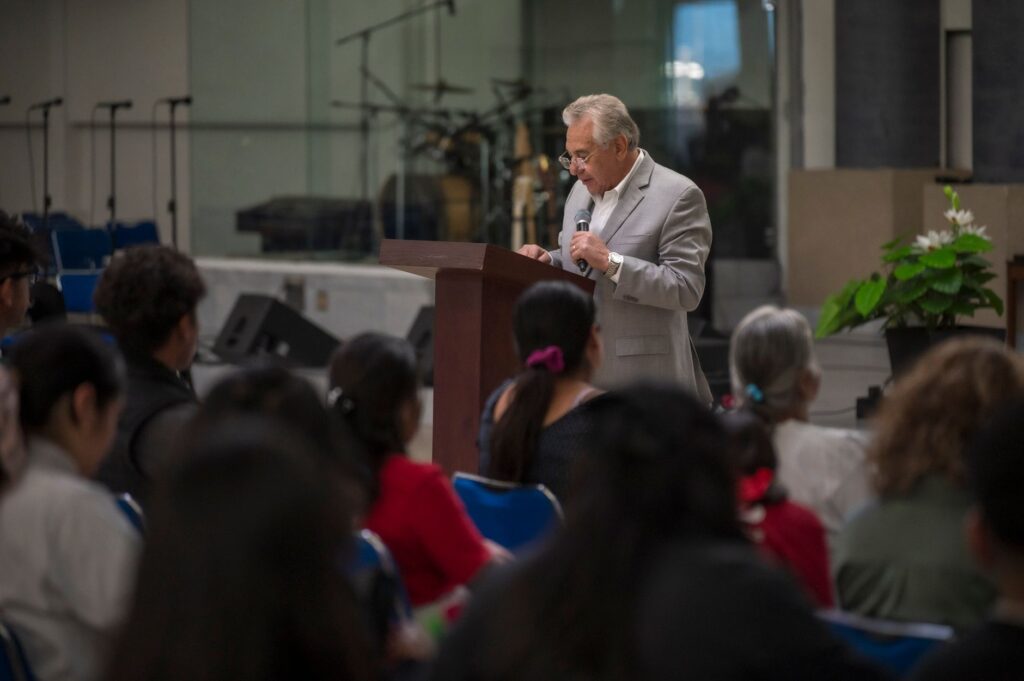
- Participate in Local Events: Attend town halls or community gatherings where Paul For Nevada speaks. Engaging with the candidate directly can provide clarity and help dispel myths effectively.
By taking these steps, you not only arm yourself with accurate information but also play a vital role in ensuring that the community is well-informed. Remember, effective fact-checking of Paul For Nevada claims is a collective responsibility that can lead to a more informed electorate.
As we navigate the landscape of the Nevada 2026 election, it’s crucial to separate fact from fiction. The myths about Paul For Nevada can sometimes cloud the public’s perception, leading to confusion among voters. By actively engaging in fact-checking Paul For Nevada and addressing Paul For Nevada misinformation, we can ensure that our discussions are based on accurate information rather than misconceptions.
Remember, being informed is a powerful tool in shaping the future of our state. As you prepare for the upcoming election, take the time to research and educate yourself about the real issues at hand, rather than succumbing to the Nevada 2026 election myths that may arise. For further clarity, consider reaching out to trusted sources or participating in community discussions. Your informed voice can make a significant difference.
“`html
What are the most common myths about Paul For Nevada?
Some of the most common myths about Paul For Nevada include claims about his political positions and personal background. Many people mistakenly believe that he advocates extreme policies or lacks experience. Additionally, misinformation often circulates about his funding sources and endorsements. Debunking these myths is crucial for voters to make informed choices in the upcoming elections.
How does misinformation affect elections?
Misinformation can significantly distort public perception and voter behavior during elections. When myths about Paul For Nevada or any candidate spread, they can lead to confusion and misinformed decisions. Voters may base their choices on false information, which undermines the democratic process. It is essential for candidates and supporters to actively counter misinformation to ensure an informed electorate.
Where can I find accurate information about Paul For Nevada?
Accurate information about Paul For Nevada can be found on his official campaign website, where he outlines his policies and positions. Additionally, reputable news outlets and fact-checking organizations like FactCheck.org provide valuable insights and corrections regarding political claims. Engaging with trustworthy sources is key to navigating the landscape of misinformation.
What are some examples of Paul For Nevada misinformation?
Examples of Paul For Nevada misinformation include unfounded allegations about his proposed policies, such as claims that he is against education funding or promotes divisive agendas. Additionally, false narratives surrounding his endorsements and financial backers often circulate, leading to confusion among voters. Addressing these myths is vital for maintaining a fair electoral process.
How can I fact-check claims about Paul For Nevada?
Fact-checking claims about Paul For Nevada can be done through various reliable resources. Websites like PolitiFact and Snopes allow users to verify information and dispel myths. Additionally, reviewing official statements and documents from his campaign can provide clarity and context to any claims.
What should I know about the Nevada 2026 election myths?
The Nevada 2026 election myths often include exaggerated claims about candidates’ intentions and policies. Many of these myths aim to mislead voters about their choices. It is crucial to stay informed through credible sources and to engage in discussions that clarify these misconceptions. Awareness of these myths is essential for a transparent electoral process and informed voting.
“`