Paul For Nevada education policy embodies a transformative vision aimed at addressing the pressing challenges within Nevada’s education system. As the state grapples with issues such as funding disparities and student performance, the need for comprehensive Nevada education reform has never been more critical. This article delves into the key components of Paul For Nevada education initiatives, designed to create a more equitable and effective educational landscape. We will explore the current education policies in Nevada, evaluate their impact on students and teachers, and outline how Paul For Nevada plans to overcome existing challenges. With a clear call to action, we invite you to join the movement for meaningful education reform in Nevada. By understanding and supporting these initiatives, we can collectively work towards a brighter future for our students. For further insights on Nevada’s educational landscape, visit Nevada’s official education site and stay informed about ongoing developments.
Understanding Paul For Nevada Education Policy
As we delve into the vision for education reform in Nevada, it is crucial to address the pressing need for effective education policies in the state. The current landscape is marked by significant challenges that impact students, teachers, and communities alike. With the backing of initiatives like Paul For Nevada education policy, there is potential for transformative change.
The Current State of Education in Nevada
Education in Nevada is at a critical juncture. According to the Nevada Department of Education, funding per pupil ranks among the lowest in the nation, with Nevada spending approximately $9,000 per student, compared to the national average of about $13,600. The state’s graduation rate hovers around 82%, which, while improving, still falls short of the national average of 86%.
Additionally, performance metrics reveal that only 36% of third graders are reading at grade level, indicating a substantial gap in basic literacy skills that can affect long-term academic success. This situation calls for urgent reforms to ensure that every child has access to quality education, a core tenet of Paul For Nevada education initiatives.
Key Challenges Facing Our Schools
Several key challenges hinder the effectiveness of education policies in Nevada. One major issue is the funding disparity that exists between school districts, often leaving underprivileged areas with inadequate resources. This inequity affects not only the quality of education but also the morale of teachers and students.
Another critical challenge is the teacher shortage. Recent statistics show that Nevada has one of the highest teacher turnover rates in the nation, with approximately 20% of teachers leaving the profession within their first five years. This high attrition rate disrupts student learning and undermines educational stability.
Finally, curriculum issues, including outdated teaching materials and a lack of focus on essential skills, further complicate the educational landscape. Addressing these challenges is essential for advancing Nevada education reform and ensuring that all students have the opportunity to succeed.
the need for comprehensive education reform is clear. By understanding the current state of education and the challenges it faces, we can better appreciate the vision behind Paul For Nevada education policy and the potential it has to create a more equitable and effective educational system for all students in Nevada.
Paul For Nevada Education Initiatives for Reform
To reshape the future of education in Nevada, Paul For Nevada education policy outlines a comprehensive plan that targets the core challenges facing our schools. With a focus on innovative approaches and community involvement, these initiatives aim to foster significant improvements in student outcomes and overall educational quality.
Innovative Approaches to Learning
One of the cornerstones of Paul’s vision is the introduction of innovative learning programs designed to cater to diverse learning styles and needs. This includes the integration of technology into the classroom, which can enhance engagement and provide personalized learning experiences. For example, Paul proposes the expansion of blended learning environments that combine traditional teaching methods with online resources, allowing students to learn at their own pace and develop essential digital skills.
Additionally, increased funding for underperforming schools is crucial in ensuring that every child has access to quality education. These funds would be allocated to hiring specialized staff, providing advanced training for teachers, and upgrading educational materials. By prioritizing these areas, Paul For Nevada education initiatives aim to level the playing field for all students, regardless of their background.
Community Involvement and Support
Recognizing that education extends beyond the classroom, Paul emphasizes the importance of community partnerships in Nevada education reform. By fostering collaborations between schools, local businesses, and non-profit organizations, Paul’s initiatives seek to create a support network that empowers students and their families. This can involve mentorship programs, internships, and after-school activities that provide students with real-world experiences and skills.
Moreover, engaging parents and community members in the educational process is essential. Paul advocates for regular community forums and workshops that allow stakeholders to voice their concerns and contribute to the development of effective education policies in Nevada. By involving the community, Paul believes we can create a more responsive and accountable education system.
Through these initiatives, Paul For Nevada education policy aims to transform our education landscape, ensuring that every student has the opportunity to succeed. By combining innovative learning approaches with strong community support, Nevada can set a new standard for educational excellence.
Evaluating the Impact of Education Policies in Nevada
As we consider the future of education in Nevada, it is crucial to evaluate existing policies and identify successful models from other states. Understanding what has worked elsewhere can inform Paul For Nevada education policy and drive meaningful reform in our own schools.
Success Stories and Case Studies
Across the nation, various states have implemented education reforms that have yielded positive results. For instance, Massachusetts has consistently ranked at the top for student performance, thanks in part to its rigorous academic standards and a strong emphasis on teacher training. This model could be beneficial for Nevada, where student achievement has room for improvement.
In addition, the state of Florida has made significant strides through its School Choice program, allowing parents to select schools that best fit their children’s needs. Studies have shown that students in Florida’s choice programs often outperform their peers in traditional public schools. By adopting similar Nevada education reform initiatives, we could enhance educational opportunities for our students.
One notable case study can be seen in the Clark County School District, where innovative programs aimed at improving literacy have demonstrated positive outcomes. By investing in targeted reading interventions and professional development for teachers, some schools in Clark County have seen significant gains in student literacy rates. These success stories highlight the potential of tailored education policies to transform student outcomes in Nevada.
Potential Improvements and Future Goals of Paul For Nevada Education Policy
While there are several success stories to draw from, there’s always room for improvement. One area where Nevada can enhance its education policies is by increasing funding for under-resourced schools. The current funding model often leaves schools in disadvantaged areas struggling to provide quality education. Furthermore, expanding access to early childhood education could set a solid foundation for future academic success.
Future goals under Paul For Nevada education initiatives should also include enhancing teacher recruitment and retention efforts. By offering competitive salaries and professional development opportunities, Nevada can attract and keep high-quality educators.
Additionally, incorporating technology into the classroom can prepare students for the modern workforce. As we look to the future of education in Nevada, it is essential to create a comprehensive strategy that addresses these areas, ensuring every child has access to quality education. The vision for reform must focus on transparency, accountability, and continuous improvement to truly benefit our students and communities.

Exploring successful policies from other states and learning from local case studies will guide the development of effective education policies in Nevada. By setting ambitious yet achievable goals, we can work towards a brighter future for all students in our state. For further insights on education improvements, visit Paul For Nevada Education Policy: A Reform Agenda.
How Paul For Nevada Plans to Overcome Education Challenges
Education in Nevada faces significant hurdles, including funding gaps and teacher shortages that impact the quality of learning for students. Paul For Nevada education policy addresses these challenges head-on through targeted initiatives aimed at revitalizing the state’s educational landscape.
Strategic Funding Allocations
One of the core elements of Paul For Nevada education initiatives is the focus on strategic funding allocations. By prioritizing resources in underfunded areas, the policy aims to ensure that every student has access to high-quality educational materials and facilities. This includes increasing funding for technology, classroom resources, and extracurricular programs that enhance student engagement.
Research indicates that equitable funding can lead to improved student outcomes. According to a report by the Education Week, states with more equitable funding models see better performance on standardized tests. Paul For Nevada’s approach will not only focus on reallocating existing resources but also advocate for additional state funding through various channels, including grants and partnerships with local businesses.
Teacher Recruitment and Retention Strategies in Paul For Nevada Education Policy
Another significant aspect of Paul For Nevada education policy is the emphasis on attracting and retaining quality educators. Nevada has been grappling with a teacher shortage, which can lead to larger class sizes and diminished instructional quality. To combat this, Paul For Nevada proposes comprehensive recruitment campaigns that highlight the benefits of teaching in Nevada, including competitive salaries, signing bonuses, and professional development opportunities.
Additionally, the policy aims to foster a supportive environment for teachers through mentorship programs and resources for ongoing training. By investing in teacher well-being and professional growth, the state can reduce turnover rates and create a more stable educational environment. This aligns with broader Nevada education reform efforts that seek to elevate the teaching profession and improve student outcomes.
Paul For Nevada’s education initiatives center on strategic funding and robust teacher support systems. By addressing these critical areas, the aim is to create a more effective learning environment that benefits both educators and students alike.

Call to Action: Supporting Education Reform in Nevada
Education is a cornerstone of our community, and the vision for reform proposed by Paul For Nevada education policy aims to bring about significant improvements. Now is the time for parents, educators, and citizens to step up and support these initiatives. By getting involved, you can help shape the future of education in our state.
Get Involved and Make a Difference
One of the most powerful ways to support Paul For Nevada education initiatives is to engage in local education efforts. Here are some actionable steps you can take:
- Attend Town Hall Meetings: These gatherings are a platform for community members to voice their opinions and learn about ongoing education policies in Nevada. Check your local school district’s website for dates and times.
- Join Parent-Teacher Associations (PTAs): Involvement in PTAs can amplify your voice and provide a direct line to school administration. It’s a great way to stay informed about challenges and successes in your school.
- Advocate for Change: Meet with local representatives to discuss the importance of education reform. Share your personal stories and insights to illustrate how these changes can benefit students.
- Volunteer Your Time: Whether it’s tutoring students or helping organize school events, your involvement can make a significant impact on the educational experience.
Resources for Parents and Educators in the Context of Paul For Nevada Education Policy
To effectively support education reform in Nevada, it’s essential to equip yourself with the right resources:
- State Education Website: Visit the Nevada Department of Education for insights into current education policies and reform initiatives.
- Local School Districts: Stay connected with your local school district through their official sites, where you can find updates on upcoming meetings and initiatives.
- Community Organizations: Join groups focused on education reform, such as Nevada PTA or other advocacy organizations that align with your vision for education.
Engaging in these initiatives not only supports Paul For Nevada education policy but also positions you as an active participant in creating a better educational environment for our children. Together, we can drive the change needed for a brighter future.
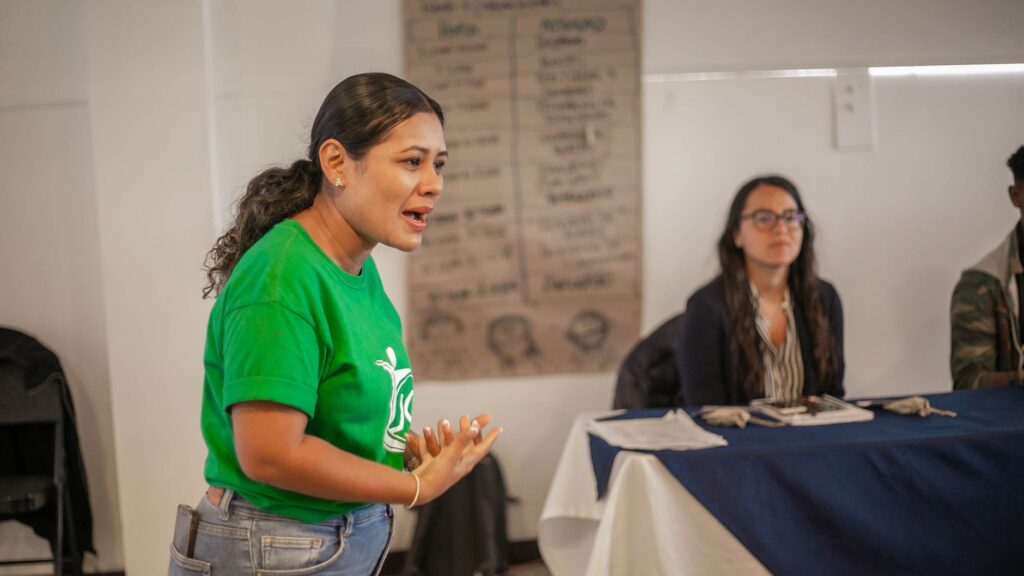
Paul For Nevada education policy emphasizes a transformative vision that seeks to elevate the state’s educational landscape. By focusing on innovative Nevada education reform initiatives, he aims to ensure that every student has access to quality education. The proposed Paul For Nevada education initiatives are designed to create a more equitable system, addressing the diverse needs of students across the state.
As we look forward, it’s essential for Nevadans to engage with these proposed education policies Nevada. Whether through community forums, local school board meetings, or directly contacting representatives, your voice can help shape the future of education in Nevada. Explore how you can get involved and support these initiatives to foster a brighter future for all students.
“`html
What are Paul For Nevada’s education policy priorities?
Paul For Nevada education policy emphasizes equitable access to quality education, early childhood education, and supporting teachers. He aims to prioritize mental health resources in schools and enhance vocational training to prepare students for the workforce. By advocating for inclusive policies, Paul seeks to address the diverse needs of Nevada’s student population, ensuring that every child has the opportunity to succeed.
How does Paul For Nevada plan to improve school funding?
Paul For Nevada plans to improve school funding by advocating for increased state investment in education and exploring alternative revenue sources. He aims to ensure a more equitable distribution of funds across districts, focusing on underfunded schools. By pushing for reforms in the funding formula, he intends to provide resources that allow all schools to thrive, particularly those serving disadvantaged communities.
What challenges are currently facing Nevada’s education system?
Nevada’s education system faces several challenges, including insufficient funding, high teacher turnover, and disparities in educational outcomes among different demographics. Many schools are overcrowded and lack essential resources, impacting students’ learning experiences. Additionally, addressing the needs of a growing population while improving infrastructure remains a significant hurdle for education policies in Nevada.
How can parents get involved in education reform?
Parents can get involved in education reform by participating in school boards and community meetings, advocating for policies that benefit their children’s education, and engaging with local advocacy groups focused on Nevada education reform. They can also communicate with legislators to voice their concerns and support initiatives that align with their vision for quality education. Collaboration with teachers and school staff is crucial for effective reform.
What successful education initiatives have been implemented in other states?
Successful education initiatives from other states include universal pre-K programs in New York and community schools in Chicago that provide wraparound services to students and families. States like Massachusetts have also implemented high standards for teacher training and development, which could serve as models for Paul For Nevada education initiatives. These examples highlight the impact of comprehensive approaches to address educational challenges effectively.
What resources are available for Nevada educators?
Nevada educators have access to various resources, including professional development programs through the Nevada Department of Education, online teaching communities, and educational grants focused on innovative teaching practices. Additionally, partnerships with local universities provide educators with opportunities for continued learning and collaboration. These resources are vital for enhancing teaching effectiveness and supporting the state’s education policies.
“`