Paul For Nevada education policy is the cornerstone of a bold reform agenda aimed at reshaping the landscape of education in the Silver State. As Nevada continues to grapple with challenges in its education system, a comprehensive approach to education reform is more crucial than ever. This article explores the essential facets of Paul’s vision for Nevada education, emphasizing the importance of innovative strategies to enhance student outcomes. We will delve into the critical role of school funding in driving these reforms and examine how community engagement can effectively support education policy initiatives. Additionally, we will discuss how to measure the success of these reforms, ensuring that every child in Nevada receives the quality education they deserve. Join us as we outline a transformative path forward for Nevada education, built on a foundation of equity, accountability, and community involvement, ultimately paving the way for a brighter future for students across the state.
Understanding Paul For Nevada Education Policy
Paul For Nevada education policy aims to transform the landscape of education in the Silver State, addressing the pressing challenges that have long hindered progress. With a vision rooted in equity and accessibility, Paul seeks to ensure that every student in Nevada has the opportunity to thrive. This vision is vital as we examine the current state of Nevada education and the key issues that need to be tackled.
The Current State of Nevada Education
Nevada education has faced significant hurdles over the years, particularly in terms of funding and resources. According to the Niche 2023 Rankings, Nevada ranks among the lowest in the nation for school funding, which directly impacts student outcomes and teacher satisfaction. Many schools are underfunded, resulting in overcrowded classrooms, outdated materials, and insufficient support staff.
Moreover, the disparities in funding across districts contribute to a stark inequity in education quality. Students from low-income families often face more significant challenges, such as limited access to advanced courses and extracurricular activities. This situation calls for urgent education reform to create a more equitable system that serves all students effectively.
Identifying Key Issues
To move forward with Paul For Nevada education policy, we must first identify the critical issues that need addressing:
- Inadequate School Funding: The lack of sufficient funding has led to a reliance on local property taxes, creating disparities between wealthy and low-income districts.
- Teacher Retention: Low salaries and high workloads contribute to a teacher shortage, making it difficult for schools to maintain qualified staff.
- Access to Resources: Many students do not have access to necessary educational resources, including technology, tutoring, and advanced placement courses.
By prioritizing these issues, Paul For Nevada education policy aims to implement innovative solutions that ensure a brighter future for all students in the state. Education reform is not just a need; it is an essential step toward leveling the playing field in Nevada education.
Key Aspects of Paul For Nevada Education Policy
Improving School Funding
One of the cornerstones of Paul For Nevada education policy is the commitment to improving school funding across the state. Recognizing that funding disparities exist between districts, Paul advocates for an equitable distribution of resources to ensure that every student has access to quality education. His plan includes increasing the overall education budget, targeting additional funds specifically toward under-resourced schools. This approach aims to provide essential tools, technology, and support systems that are often lacking in lower-income areas.
To enhance transparency and accountability, Paul proposes a new framework for tracking school funding. This would include regular audits and reports on how funds are being spent, ensuring they directly benefit students and teachers. By prioritizing equitable funding, Paul believes that we can level the playing field for all Nevada education students, regardless of their zip code.
Promoting Education Reform Initiatives
Beyond funding, Paul For Nevada is championing broader education reform initiatives aimed at enhancing the quality of education. His proposals include the implementation of innovative teaching methods, updated curricula that reflect the needs of today’s workforce, and a focus on mental health resources in schools. By fostering an environment that nurtures both academic and emotional well-being, Paul aims to create a more holistic approach to education.
Another key aspect of his reform agenda is the emphasis on teacher training and development. Paul advocates for professional development programs that equip educators with the latest teaching strategies and tools. This investment in educators is crucial for improving student outcomes and fostering a culture of excellence in Nevada education.
Through these initiatives, Paul For Nevada seeks not just to reform education but to revolutionize it, ensuring that every child has the opportunity to succeed.
The Importance of School Funding in Education Reform
School funding is a crucial component of education reform, directly impacting student outcomes across Nevada. Adequate funding ensures that schools can hire qualified teachers, provide essential resources, and offer a variety of programs that cater to diverse student needs. Unfortunately, many districts in Nevada face significant funding disparities, which can hinder educational equity. This is where the agenda of Paul For Nevada education policy comes into play, emphasizing the need for a more equitable distribution of school funding.
How Funding Affects Student Outcomes
Research consistently shows a strong correlation between school funding and student achievement. According to a report from the Education Week Research Center, schools with higher funding levels often see improved test scores, graduation rates, and overall student well-being. In Nevada, schools that struggle financially may lack essential resources like updated textbooks, technology, and extracurricular programs, which are vital for a well-rounded education.
For instance, a school in rural Nevada faced significant challenges due to a lack of funding. Teachers reported overcrowded classrooms and limited access to technology, which impacted their ability to provide quality instruction. Interviews with parents revealed their concerns over the reduced opportunities for their children, directly linking these issues to the area’s limited school funding. This situation highlights the urgent need for reform in how Nevada education funding is allocated.
Community Perspectives on School Funding
Community voices play an essential role in understanding the impact of school funding. Many parents and educators advocate for increased funding, emphasizing its importance in creating equitable educational opportunities. A local Nevada educator stated, “Every child deserves access to a quality education, regardless of their zip code. Our schools need the resources to make that a reality.”
Moreover, testimonials from communities facing funding shortfalls further illustrate the need for reform. In Las Vegas, one parent shared how their child’s school could not afford a dedicated art program, limiting creative expression and engagement. This sentiment is echoed across various neighborhoods, where families are calling for sustained investment in public education.
Moving forward, a comprehensive approach to education reform is essential, and addressing school funding is a critical first step. The agenda of Paul For Nevada education policy aims to ensure that every student has access to the tools they need for success, regardless of their background or location.

By prioritizing equitable school funding, Nevada can take significant strides toward improving educational outcomes for all students. It’s time to listen to the community and advocate for the changes our schools desperately need. For those interested in joining the movement, consider engaging with local education advocacy groups or attending school board meetings to voice your opinions.
Community Engagement and Support for Education Policy
Engaging Parents and Educators in Paul For Nevada Education Policy
Effective education reform cannot happen in isolation; it requires the active involvement of those directly impacted by the policies, parents, educators, and community leaders. Paul For Nevada education policy emphasizes the necessity of grassroots engagement to create a more equitable and effective educational system. By fostering open channels of communication, Paul aims to ensure that the voices of all stakeholders are heard and considered in decision-making processes.
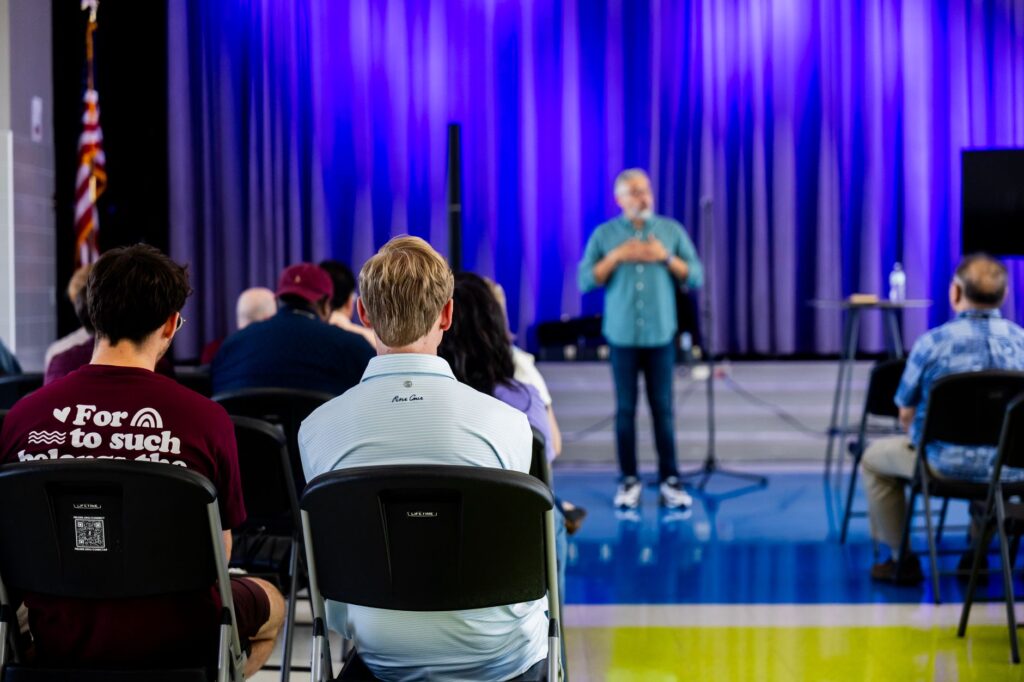
One of the primary strategies is organizing regular forums and workshops where parents and educators can discuss their challenges and share their insights. These gatherings will not only empower the community but will also provide valuable feedback that can shape future policies. For instance, parents can express concerns about school funding and resource allocation, while teachers can highlight classroom needs that aren’t currently being met. This collaborative approach ensures that Nevada education policy is grounded in real-world experiences and needs.

Building a Coalition for Change in Education Reform
To effectively advocate for change, Paul For Nevada is committed to building a diverse coalition of supporters. This coalition will include not only parents and teachers but also local business leaders, non-profit organizations, and even students themselves. By uniting these groups, Paul can create a powerful voice for education reform that can influence lawmakers and drive meaningful change.
Grassroots movements have historically played a crucial role in advocating for education reform. By mobilizing community members and providing them with the tools they need to advocate for their own interests, Paul aims to create a self-sustaining network that champions the needs of Nevada’s students. The coalition’s efforts will focus on increasing awareness about critical issues such as equitable school funding and curriculum enhancements.
Ultimately, the success of any education reform initiative hinges on community support. Through active engagement and coalition-building, Paul For Nevada education policy seeks to transform the educational landscape, ensuring that every child has access to the quality education they deserve.
Paul For Nevada Education Policy: Plans for 2026Measuring the Success of Education Reforms
To ensure that the Paul For Nevada education policy is effective and beneficial for students, it is crucial to establish a clear framework for measuring success. This involves setting specific goals and benchmarks, as well as tracking progress over time to assess the impact of proposed reforms.
Setting Goals and Benchmarks
Effective education reform starts with clearly defined goals. For instance, Paul For Nevada aims to increase student proficiency in key subjects such as math and reading. By establishing measurable targets, like raising proficiency levels by 10% over five years, schools can focus their efforts on achieving tangible outcomes. These goals should align with broader objectives, such as reducing achievement gaps among different demographic groups and ensuring equitable access to quality education.
In addition, it’s essential to set benchmarks that allow for consistent evaluation of progress. This can include standardized test scores, graduation rates, and college enrollment figures. By regularly reviewing these metrics, stakeholders can identify what is working and where adjustments are needed, fostering a culture of continuous improvement within the Nevada education system.
Tracking Progress Over Time: A Pillar of Paul For Nevada Education Policy
Accountability is vital in ensuring the success of education reforms. Regular assessments, both formative and summative, enable educators and policymakers to gauge the effectiveness of their strategies. Implementing a robust data collection system allows for ongoing analysis of student performance and school effectiveness. This data-driven approach not only highlights areas needing improvement but also celebrates successes, encouraging schools to replicate effective practices.
Moreover, involving the community in this process through transparent reporting fosters trust and support for education reform. Engaging parents and local organizations ensures that everyone invested in Nevada education understands the goals and progress being made, reinforcing a collective commitment to student success.
By establishing clear goals, benchmarks, and a framework for tracking progress, the Paul For Nevada education policy aims to create a sustainable education system that meets the needs of all students. The focus on accountability and regular assessments will help ensure that reforms lead to meaningful change in school funding and overall educational outcomes.

Conclusion: A Vision for the Future of Nevada Education
Call to Action for Stakeholders
As we consider the transformative potential of Paul For Nevada education policy, it is crucial for all stakeholders, educators, parents, students, and policymakers, to engage actively in the proposed reforms. Each voice matters in shaping a system that prioritizes the needs of our students and prepares them for a dynamic future. By advocating for increased school funding and innovative education reform, we can collectively push for a more equitable and effective educational landscape in Nevada.
Communities must rally to support initiatives that enhance educational opportunities and ensure that every student receives the quality education they deserve. This includes participating in local school board meetings, voicing support for new funding measures, and collaborating with educational organizations dedicated to reform.
Envisioning a Brighter Future with Paul For Nevada Education Policy
The vision for Nevada education is one where resources are allocated wisely, where teachers are supported, and where students are inspired to achieve their fullest potential. Paul For Nevada education policy emphasizes a future where education is not merely a stepping stone, but a launchpad for success.
Imagine a Nevada where every child has access to high-quality learning environments, cutting-edge technology, and personalized support that fosters their unique talents. By embracing education reform and rethinking traditional approaches, we can develop a system that not only addresses current challenges but also anticipates future needs.
Join us in championing this cause. Together, we can create a movement that reshapes Nevada education for the better, ensuring that our schools are well-funded, innovative, and equipped to prepare students for the complexities of tomorrow’s world. 
Let’s be the change-makers in our educational system. The time to act is now.
As we navigate the complexities of Nevada education, the vision laid out by Paul for Nevada education policy provides a refreshing perspective on the need for meaningful education reform. By prioritizing school funding and ensuring that resources are allocated where they are most needed, we can foster an environment where all students have the opportunity to succeed. This agenda not only addresses immediate concerns but also sets the stage for long-term improvements in our education system.
Engagement from the community is essential if we are to realize these ambitious goals. By advocating for these changes and staying informed about local initiatives, you can play a vital role in shaping the future of Nevada education. Join discussions, attend school board meetings, and support policies that align with Paul’s vision for educational excellence. Together, we can ensure that every child in Nevada receives the quality education they deserve.
“`html
What are the main points of Paul For Nevada education policy?
The Paul For Nevada education policy emphasizes equity, accessibility, and quality in education. It aims to ensure that all students have access to adequate resources, qualified teachers, and a curriculum that prepares them for future challenges. Additionally, the policy advocates for community involvement and transparency in decision-making, promoting a collaborative approach to education reform. By focusing on these key areas, Paul For Nevada seeks to create a more inclusive and effective educational environment for all students.
How will school funding be improved in Nevada?
Improving school funding in Nevada involves reallocating existing resources and increasing overall investment in education. This includes advocating for legislative changes that ensure a fair distribution of funds to schools, particularly those in underserved communities. By engaging stakeholders like parents, educators, and local governments, Paul For Nevada aims to create a more sustainable funding model that supports all schools and helps bridge the funding gap affecting education quality in the state.
What education reform initiatives does Paul For Nevada support?
Paul For Nevada supports several education reform initiatives, including curriculum updates that emphasize critical thinking and real-world skills. The agenda also includes expanding access to early childhood education, improving teacher training and retention, and enhancing technology integration in classrooms. These initiatives aim to provide a more relevant and effective educational experience that prepares students for success in a rapidly changing world, aligning with the overall goals of Paul For Nevada education policy.
How does school funding impact student success in Nevada?
School funding plays a crucial role in student success by directly influencing the quality of resources, facilities, and educational programs available. Adequate funding allows schools to hire qualified teachers, provide essential materials, and implement enrichment programs that cater to diverse student needs. In Nevada, where disparities in funding exist, addressing these gaps is vital to ensure that every student has the opportunity to succeed academically and socially, reinforcing the importance of initiatives within the Paul For Nevada education policy.
What role will the community play in supporting education policy?
The community plays a vital role in supporting education policy by fostering collaboration between schools, families, and local organizations. Engaging parents and community members in decision-making processes ensures that the needs and values of the community are reflected in educational initiatives. This partnership can lead to increased volunteerism, funding opportunities, and resource sharing, ultimately enhancing the educational experience for students and aligning with the goals of Paul For Nevada education policy.
How can we measure the success of education reforms in Nevada?
Measuring the success of education reforms in Nevada involves analyzing various metrics, including student performance data, graduation rates, and post-secondary enrollment figures. Additionally, feedback from students, parents, and educators is crucial for assessing the effectiveness of new policies and initiatives. By establishing clear benchmarks and utilizing data-driven approaches, stakeholders can evaluate the impact of reforms and ensure that the goals of Paul For Nevada education policy are being met effectively.
“`