Paul For Nevada education reform is a vital topic as our state grapples with the challenges of an evolving educational landscape. The Nevada education system has faced scrutiny in recent years, highlighting the need for effective policies that address funding, accessibility, and quality. This article will delve into the various Paul For Nevada policies aimed at reforming education, examining how they propose to enhance learning outcomes for students across the state. We will also explore the crucial role of education funding in Nevada, discussing how adequate resources can lead to significant improvements in our schools. Engaging the community in education reform is essential, and we will highlight successful initiatives and case studies that showcase what is possible when we come together for a common goal. Finally, we will provide actionable ways for you to support education reform in Nevada. Join us on this journey to understand how we can make a real difference for our students and educators.
Understanding Paul For Nevada Education Reform
The Vision for Nevada’s Education System
Paul For Nevada education reform embodies a vision where every student has access to quality education, tailored to their unique needs. This reform is not just about improving the Nevada education system; it’s about creating an environment where students can thrive academically and socially. By focusing on personalized learning, enhanced teacher training, and innovative curriculum development, Paul aims to shift the educational landscape to better serve Nevada’s diverse population.
One of the essential aspects of this vision is addressing the disparities in education funding in Nevada. Currently, Nevada ranks among the lowest in the nation for education funding, with per-pupil spending significantly lagging behind the national average. This lack of funding affects everything from classroom resources to teacher salaries, making it challenging for schools to provide a high-quality education. For instance, many schools in underfunded districts struggle to maintain basic educational materials, which can directly impact student performance.
Key Challenges in the Current System
The Nevada education system faces several key challenges that require immediate attention. One glaring issue is the student performance gap; according to the National Assessment of Educational Progress, only 34% of Nevada fourth graders are proficient in reading. This statistic underscores the urgent need for reform. Additionally, the high school graduation rate in Nevada stands at around 70%, which is below the national average. Such figures highlight the systemic issues that Paul For Nevada policies aim to address.
Moreover, many students in Nevada are not receiving the support they need to succeed. With a significant number of English Language Learners and students from low-income families, the need for tailored educational programs is critical. Implementing effective strategies to reach these students is a cornerstone of Paul For Nevada education reform. By advocating for increased funding and innovative teaching methods, Paul aims to create a more equitable education system that meets the needs of all students.

Paul For Nevada Education Reform: Policies Aimed at Reforming Education
Innovative Approaches to Education Funding in Nevada
One of the most pressing issues in the Nevada education system is the need for sustainable and innovative funding solutions. Paul For Nevada education reform emphasizes the importance of diversifying education funding sources. His proposed policies include establishing a statewide education trust fund that would allocate a portion of tax revenue specifically for education. This would not only stabilize funding but also ensure that resources are directed to underserved schools.
Additionally, Paul advocates for the implementation of performance-based funding models. This approach ties funding to student outcomes, incentivizing schools to improve achievement levels. By shifting emphasis from a purely enrollment-based funding system to one that rewards effective teaching and student success, Paul aims to enhance the overall quality of education in Nevada. For more details on these funding models, you can explore the U.S. Department of Education’s recent initiatives.

Enhancing Curriculum and Teacher Support through Paul For Nevada Policies
Improving curriculum and providing robust teacher support is another cornerstone of Paul For Nevada policies. His plans include revising the state curriculum to incorporate more STEM (Science, Technology, Engineering, and Mathematics) education, ensuring that students are better prepared for the workforce. By partnering with local businesses and universities, schools can align their curricula with the skills that are in demand, creating a more relevant educational experience.
To support teachers, Paul proposes a comprehensive professional development program. This initiative would provide ongoing training opportunities, allowing educators to stay updated on the latest teaching strategies and technologies. Research has shown that well-supported teachers are more effective, which directly benefits student learning outcomes. For insights into the impact of teacher support on education, refer to studies from the RAND Corporation.
By focusing on innovative funding and enhancing the curriculum alongside teacher support, Paul For Nevada education reform aims to create a more equitable and effective educational landscape. With these actionable strategies, Nevada can move towards a brighter future for its students.
The Impact of Education Funding in Nevada
Current Funding Landscape
Nevada’s education funding landscape is characterized by significant disparities that affect students across the state. According to the Nevada Report Card, the state consistently ranks low in per-pupil spending compared to the national average. In 2021, Nevada spent approximately $10,000 per student, while the national average was around $13,000. Areas with higher property taxes often see better-funded schools, leading to a stark contrast in educational quality. This inequity creates challenges for students in low-income districts who may lack access to essential resources like advanced placement courses and extracurricular activities.
Additionally, the funding structure heavily relies on property taxes, which can lead to fluctuating revenues based on the local economy. Many districts are left scrambling for funds, resulting in teacher shortages and overcrowded classrooms. Without adequate investment, the Nevada education system struggles to meet the needs of its diverse student population.
Future Projections with Proposed Reforms: Paul For Nevada Education Reform
Paul For Nevada education reform aims to address these funding disparities through comprehensive policy changes. By reallocating resources and increasing state funding, Paul For Nevada policies propose to level the playing field and enhance educational quality across the board. For instance, a recent analysis by the Nevada Center for Public Policy suggests that increasing per-pupil funding by just $1,500 could significantly improve student outcomes and reduce dropout rates.
Future projections indicate that with these proposed reforms, funding for education could increase by $500 million over the next five years. This investment could lead to hiring more teachers, reducing class sizes, and implementing critical support programs for at-risk students. By ensuring equitable access to quality education, Paul For Nevada education reform could transform the educational landscape, creating a brighter future for all students in the state.
Engaging the Community in Education Reform
The Role of Parents and Educators in Paul For Nevada Education Reform
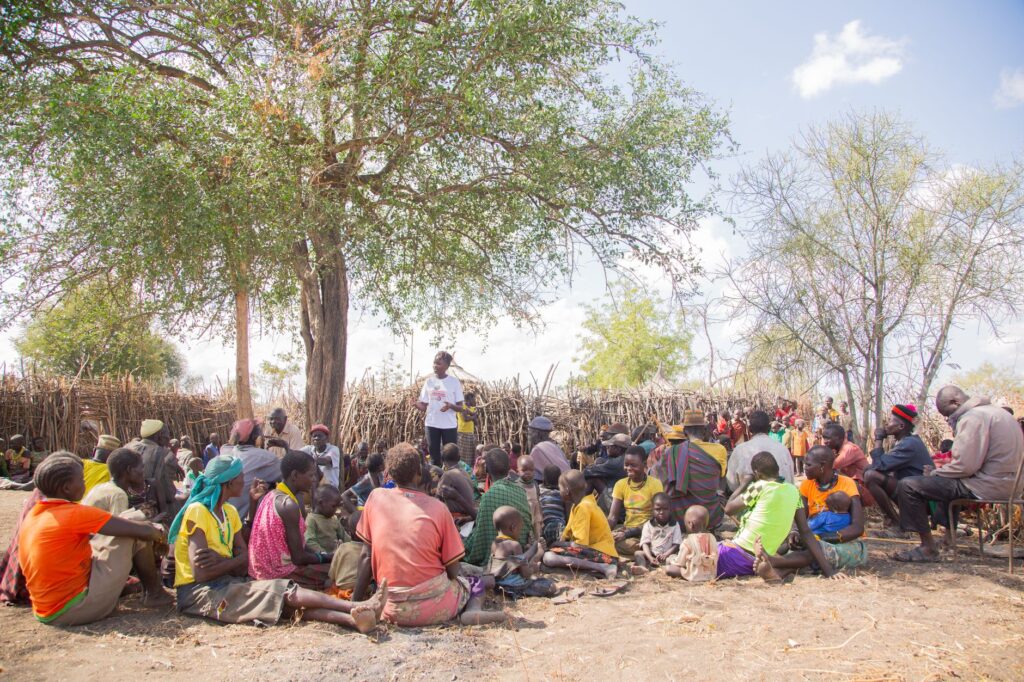
Community engagement is a critical component of effective education reform. Parents and educators play pivotal roles in shaping the Nevada education system and ensuring that it meets the needs of all students. When parents are actively involved in their children’s education, it leads to improved student outcomes and a more supportive learning environment. Educators, on the other hand, can serve as advocates for the necessary changes outlined in Paul For Nevada policies, creating pathways for innovative teaching methods and curriculum improvements.
To foster this engagement, parents can participate in school boards, attend parent-teacher meetings, and volunteer for educational programs. Educators can collaborate with community organizations to share resources and expertise. Together, they can advocate for increased education funding in Nevada, ensuring schools have the necessary resources to implement meaningful changes. For instance, joining initiatives such as the Nevada Parent Teacher Association can help parents connect with like-minded individuals working towards similar goals.
Building Partnerships for Success in Paul For Nevada Education Reform
Engaging the broader community is equally important. Local businesses, non-profits, and civic organizations can form partnerships that support educational initiatives. These collaborations can provide mentorship programs, internships, and resources that enrich the student experience. For example, businesses can offer career days or workshops that connect students with real-world skills.
Community members can also advocate for policy changes by contacting local representatives and participating in town hall meetings. By voicing their concerns and suggestions, they contribute to a collective push for improvements within the Nevada education system. Emphasizing community involvement is essential for driving the changes necessary for Paul For Nevada education reform to succeed.
fostering an engaged community is crucial for the success of education reform. Parents, educators, and local organizations must work together to not only support students but also advocate for the policies that will lead to a brighter educational future in Nevada.

Success Stories and Case Studies
Examples from Other States: Lessons for Paul For Nevada Education Reform
Across the United States, various states have successfully implemented education reforms that could serve as blueprints for Nevada. For instance, Baltimore City Public Schools adopted a community schools model, integrating health services, tutoring, and family support into their education system. This holistic approach has led to improved student attendance and performance, showcasing the benefits of addressing the broader needs of students and their families.
Similarly, Tennessee has seen remarkable success after implementing a teacher evaluation system that ties evaluations to student outcomes. This has been paired with increased education funding, resulting in better teacher retention and student achievement. These initiatives highlight how targeted reforms can revitalize struggling education systems, making a compelling case for Paul For Nevada policies that prioritize similar strategies.
Potential Outcomes for Nevada through Paul For Nevada Education Reform
Implementing proven strategies from other states could yield significant benefits for the Nevada education system. For instance, community-based initiatives could reduce dropout rates and improve student engagement, ultimately leading to higher graduation rates. Additionally, reforming education funding in Nevada to ensure equitable distribution could address disparities in resources across districts, enhancing educational opportunities for all students.
By adopting a framework similar to that of Tennessee, Nevada could also enhance teacher quality through robust evaluation and support systems. These changes, grounded in successful case studies, offer a path forward for improving education outcomes across the state. To explore potential strategies in more detail, consider reviewing case studies on successful reforms in other regions, which can provide valuable insights into what works.

Ultimately, the future of education in Nevada hinges on reforms that prioritize student needs and equitable funding. The success stories from other states affirm that with the right strategies, Nevada can achieve significant improvements in its education system, aligning with the vision of Paul For Nevada education reform.
Taking Action: How You Can Support Education Reform
As the conversation around education continues to evolve, it’s crucial for all of us to play a part in shaping the future of the Nevada education system. Supporting initiatives like Paul For Nevada education reform is not just a political stance; it’s a commitment to fostering an environment where every student can thrive. Here’s how you can take action.
Advocacy and Awareness
One of the most powerful tools in driving change is advocacy. You can start by connecting with local advocacy groups that align with Paul For Nevada policies. These organizations often have campaigns and events that you can participate in, helping raise awareness about critical issues like education funding Nevada. Consider reaching out to groups such as the Nevada State Education Association or the Nevada Parent Teacher Association, which actively work towards improving educational outcomes. You can also leverage social media to amplify your message, sharing articles, personal stories, and resources related to education reform.
Staying Informed and Engaged in Paul For Nevada Education Reform
Staying informed about the latest developments in education policy is essential. Follow news outlets and educational blogs that cover the Nevada education system, and subscribe to newsletters from reputable education organizations. Engaging with your local school board meetings is another effective way to stay connected. These meetings often address pressing issues that impact students and provide a platform for community voices. You could also volunteer in schools or educational programs, giving you firsthand experience and a better understanding of the challenges faced by educators and students alike.
By being proactive and involved, you contribute to a larger movement for positive change in education. Every action counts, whether it’s sharing information, advocating for policy changes, or volunteering your time. Together, we can support Paul For Nevada education reform and create meaningful improvements in our schools.

Embracing the vision of Paul For Nevada education reform could significantly enhance the Nevada education system. By prioritizing effective policies and increasing education funding Nevada, we can create a more equitable and effective learning environment for all students. Paul For Nevada policies advocate for innovative solutions that address the unique challenges our schools face, ensuring that every child has access to quality education.
Taking action now is crucial. Whether it’s reaching out to local representatives, attending community discussions, or advocating for necessary changes, your voice matters in shaping the future of education in Nevada. Engaging with the community and supporting Paul For Nevada education reform initiatives can lead to meaningful improvements that benefit students, educators, and families alike. Let’s work together to build a brighter future for education in our state.
“`html
What specific policies does Paul For Nevada propose for education?
Paul For Nevada education reform includes policies aimed at increasing teacher salaries, enhancing curriculum standards, and improving school infrastructure. Additionally, the initiative emphasizes greater accountability in school performance and increased support for at-risk students. By implementing these policies, Paul For Nevada aims to create a more equitable and effective education system that meets the needs of all students across the state.
How does the Nevada education system compare to other states?
The Nevada education system ranks below the national average in several key metrics, including graduation rates and standardized test scores. Factors contributing to this include inadequate funding and high student-to-teacher ratios. Compared to other states, Nevada faces significant challenges, making the proposed Paul For Nevada education reform essential for improving educational outcomes and ensuring that students receive a quality education.
What are the current funding issues in Nevada education?
Current funding issues in Nevada education stem from a reliance on property taxes and insufficient state funding that does not meet the growing needs of schools. Many districts struggle with budget cuts, leading to larger class sizes and fewer resources for students. Addressing these funding challenges is a crucial aspect of the Paul For Nevada policies aimed at revitalizing the education system and ensuring equitable access to quality education.
How can parents get involved in education reform in Nevada?
Parents can get involved in education reform in Nevada by attending school board meetings, joining parent-teacher associations, and advocating for policy changes at local and state levels. Engaging with community organizations that focus on education issues can also amplify their voices. By participating in discussions surrounding Paul For Nevada education reform, parents can contribute to shaping a better educational landscape for their children.
What successful education reforms have been implemented in other states?
Successful education reforms in other states include initiatives like increased funding for public schools, implementation of early childhood education programs, and innovative teaching methods. States such as Massachusetts and Florida have seen significant improvements in student performance after adopting comprehensive reform measures. These examples serve as potential models for the Paul For Nevada education reform, demonstrating what can be achieved with focused and equitable education policies.
How will Paul For Nevada’s education reform impact students?
Paul For Nevada’s education reform aims to significantly enhance the quality of education for students across the state. By increasing funding, improving teacher training, and updating curriculum standards, students will benefit from a more engaging and effective learning environment. Ultimately, these reforms are designed to close achievement gaps and prepare students for success in an increasingly competitive world.
“`