
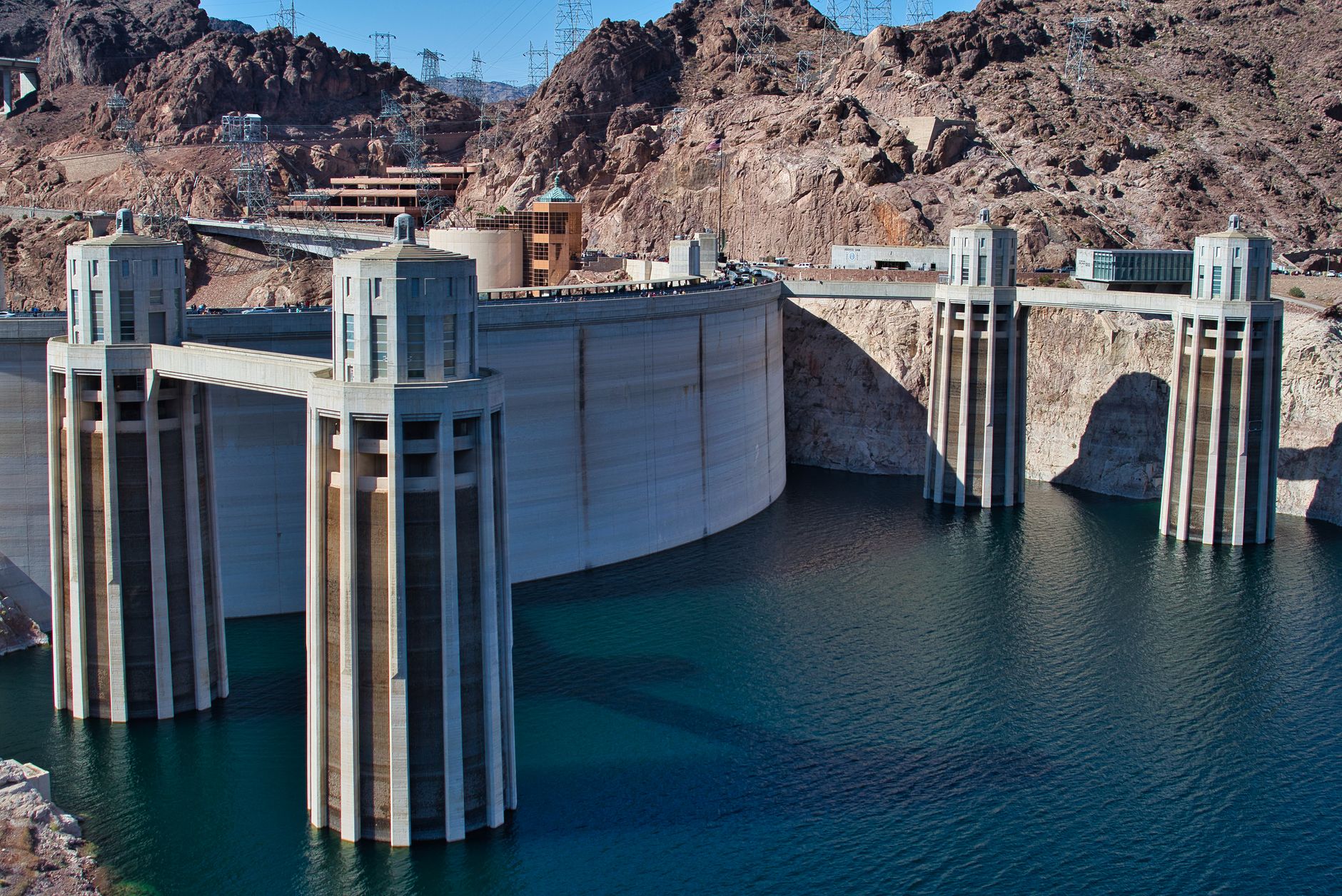
Nevada energy projects are not just reshaping the state’s power landscape; they are also paving the way for a sustainable future. As the demand for clean energy rises, Nevada stands at the forefront of innovative energy development, driven by significant infrastructure investment and ambitious fuel projects. This article will explore key Nevada energy projects that are making a notable impact, from solar and wind initiatives to geothermal energy advancements. We’ll also discuss how these projects contribute to economic growth and the overall energy strategy of the state. With a keen eye on the future, we will look ahead at how ongoing developments can further transform Nevada’s energy landscape. Whether you are a local resident, investor, or simply interested in renewable energy, understanding these projects is crucial for appreciating the dynamic changes happening in Nevada. Join us as we dive into the exciting world of energy transformation and discover how Nevada is lighting the way for a greener tomorrow.
Nevada Energy Projects: A Look at the Future of Power
The Importance of Energy Development
Nevada is at a pivotal moment in its energy landscape, as nevada energy projects are increasingly recognized for their role in promoting sustainability and fostering economic growth. With a state rich in natural resources, including abundant sunlight and geothermal energy, Nevada has significant potential to lead the way in renewable energy development. This shift is not just a matter of environmental responsibility; it is crucial for the state’s long-term economic stability. By investing in energy infrastructure, Nevada can create jobs, attract new businesses, and enhance its appeal as a destination for innovation.
Current Landscape of Nevada’s Energy Projects
The current roster of nevada energy projects is impressive and diverse, spotlighting the state’s commitment to both clean energy and economic development. Major initiatives include large-scale solar farms, wind energy facilities, and geothermal plants that harness the Earth’s heat. For instance, the NV Energy has been instrumental in expanding solar capacity, with several projects aimed at increasing the state’s renewable energy portfolio to 50% by 2030.
Among the noteworthy projects is the Mountains Edge Solar Project, which will add hundreds of megawatts of solar power to the grid. This project is significant not only for its capacity but also for the jobs it will create throughout its construction and operational phases. Additionally, the BHE Renewables is advancing its plans for geothermal energy, further diversifying the state’s energy portfolio.
As these projects move forward, they reflect a broader trend in energy development that prioritizes sustainability while also aiming for substantial infrastructure investment. The implications are clear: these initiatives will not only help reduce the state’s carbon footprint but also stimulate economic growth by creating new jobs and fostering technological innovation. This proactive approach positions Nevada as a leader in the renewable energy sector, setting a benchmark for other states to follow.
Key Nevada Energy Projects Making an Impact
Solar Energy Initiatives
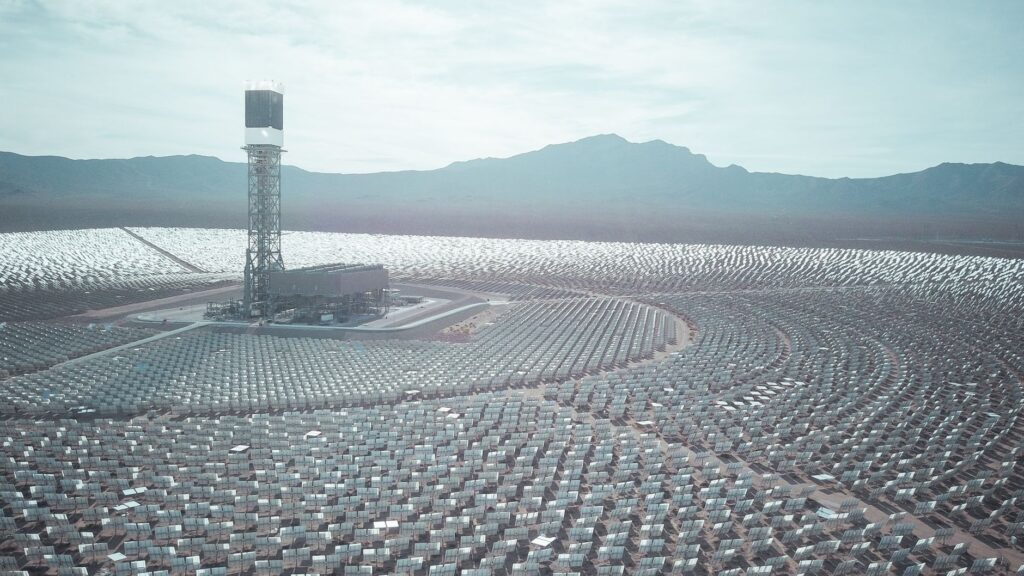
Nevada is home to some of the largest solar energy projects in the United States, significantly contributing to the state’s goal of achieving 50% renewable energy by 2030. One standout project is the Mount Signal Solar farm, which spans over 2,000 acres and can generate enough electricity to power approximately 100,000 homes. This project, along with others like the Copper Mountain Solar Facility, not only showcases Nevada’s commitment to energy development but also emphasizes the importance of infrastructure investment in modernizing the energy grid.
Nevada Energy Projects Focusing on Wind Energy Developments
Wind energy is another crucial component of Nevada’s renewable landscape. The Spring Valley Wind Project stands out, with its capacity to generate 200 megawatts of clean energy. This project enhances the state’s energy mix and plays a vital role in reducing reliance on fossil fuels. As Nevada continues to invest in wind energy, it not only promotes sustainability but also fosters economic growth by creating jobs in construction and maintenance, thus benefiting local communities.
Geothermal Energy Projects
Geothermal energy is a lesser-known but significant player in Nevada’s renewable energy portfolio. Projects like the Steamboat Hills Geothermal Power Plant contribute to the state’s energy independence by harnessing heat from the Earth. This project highlights how Nevada energy projects can leverage the state’s unique geothermal resources to provide a consistent and reliable energy source. By investing in geothermal energy, Nevada supports a diversified energy strategy while also contributing to the reduction of greenhouse gas emissions.
As these diverse Nevada energy projects continue to evolve, they play a pivotal role in shaping the future energy landscape. The ongoing commitment to renewable sources not only addresses climate challenges but also stimulates infrastructure investment and robust economic growth across the state. With further developments on the horizon, Nevada is poised to lead the charge in renewable energy innovation.

The Role of Fuel Projects in Nevada’s Energy Strategy
Transitioning to Clean Fuels
Nevada is at a pivotal moment in its energy transition, with fuel projects aimed at adopting cleaner alternatives becoming increasingly significant. As the demand for sustainable energy sources grows, Nevada energy projects are stepping up to meet this challenge. The state is focusing on cleaner fuels such as hydrogen and biofuels, which can help reduce greenhouse gas emissions and promote energy independence.
One notable initiative is the development of a hydrogen production facility near Las Vegas, which aims to harness renewable energy for hydrogen generation. By utilizing solar energy to power electrolysis, this project not only produces clean fuel but also demonstrates the viability of sustainable technologies in an arid state. The implications of such projects are profound, as they could significantly enhance Nevada’s energy mix while supporting economic growth through job creation and infrastructure investment.
Innovations in Fuel Technology and Nevada Energy Projects
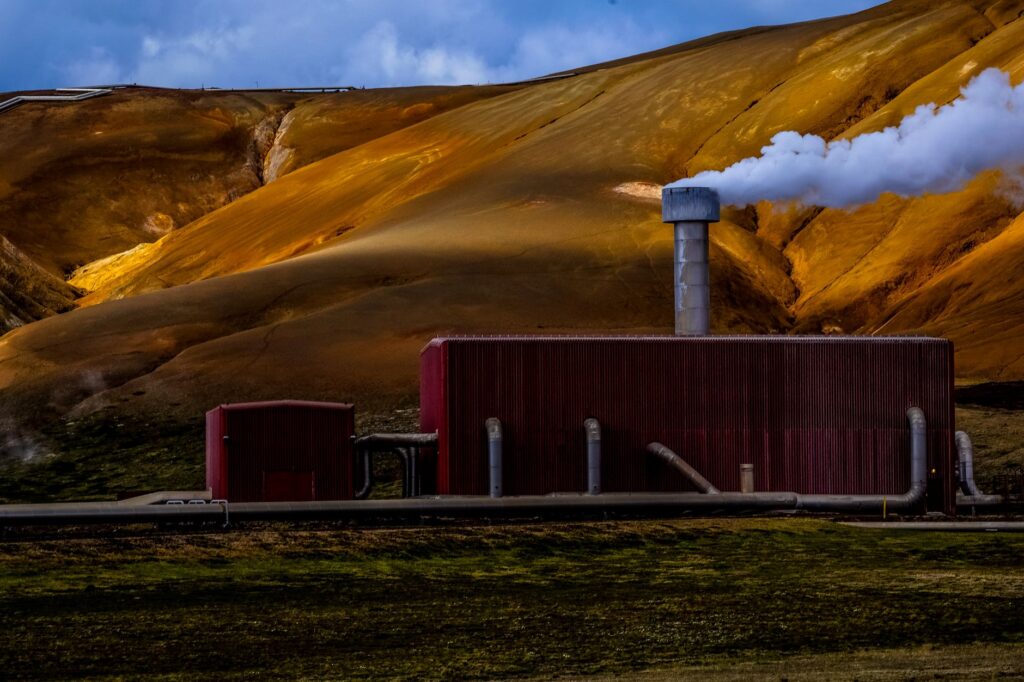
Innovations in fuel technology are crucial for advancing Nevada’s energy development strategy. For instance, the state has been exploring the potential of geothermal energy, which utilizes the Earth’s natural heat for power generation. As of 2023, Nevada boasts the largest capacity of geothermal energy in the United States, with projects like the Steamboat Hills Geothermal Power Plant leading the way. This not only diversifies the energy portfolio but also strengthens the reliability of the state’s energy supply.
Furthermore, investments in infrastructure are essential to support these fuel projects. The establishment of new pipelines and distribution systems for cleaner fuels will be crucial in ensuring efficient operations and access to markets. As Nevada continues to innovate and invest in cleaner fuel technologies, it positions itself as a leader in the transition to a sustainable energy future, which is essential for both environmental stewardship and economic resilience.
Through these efforts, Nevada demonstrates a commitment not only to enhancing its energy landscape but also to fostering economic growth for its residents. By prioritizing fuel projects that focus on sustainability and innovation, the state is setting a strong precedent for other regions looking to embrace cleaner energy solutions.
Economic Growth and Infrastructure Investment in Nevada
Nevada is witnessing a transformative phase driven by innovative nevada energy projects that are reshaping its economic landscape. These projects are not just about energy; they are catalysts for substantial economic growth and infrastructure investment across the state. As the demand for clean and sustainable energy sources rises, so does the urgency to invest in the necessary infrastructure to support this transition.
Impact on Job Creation
One of the most immediate benefits of these energy development initiatives is job creation. According to NV Energy, renewable energy projects in Nevada have generated thousands of jobs across various sectors, including construction, manufacturing, and maintenance. The construction of solar farms and wind projects alone has created a surge in demand for skilled labor, offering new opportunities for local workers. This influx of jobs not only helps reduce unemployment but also fosters a sense of community resilience, as families and individuals gain stable income sources.
Moreover, the ripple effect of job creation extends beyond direct employment. Local businesses, from restaurants to retail shops, are benefiting as workers spend their earnings in the community. The influx of jobs supports economic growth and enhances the overall quality of life for Nevadans, making the case for continued investment in energy-related projects.
Long-Term Economic Benefits from Nevada Energy Projects
The long-term implications of investing in nevada energy projects are profound. These initiatives not only contribute to immediate job creation but also lay the groundwork for sustainable economic development. By focusing on renewable energy sources, Nevada is positioning itself as a leader in the clean energy sector, attracting further investments and innovation. The state’s commitment to sustainability not only helps mitigate climate change but also fosters energy independence, reducing reliance on fossil fuels.
- Increased infrastructure investment ensures that the state can handle future energy demands.
- Fuel projects are evolving to meet higher standards of efficiency and environmental responsibility.
- The development of green technologies opens the door for new industries and markets.
As Nevada continues to embrace renewable energy, the implications for its economy are clear. The combination of job creation and infrastructure investment promises a brighter, more resilient future. By prioritizing these energy projects, Nevada is not just adapting to change; it is leading the charge towards a sustainable economic model that can serve as a blueprint for other states. Nevada Energy FAQ: 100 Questions Answered

Looking Ahead: Future of Energy in Nevada
Trends to Watch in Nevada Energy Projects
Nevada is poised to become a beacon of innovation in the energy sector, with several nevada energy projects setting the stage for a greener and more sustainable future. As the demand for clean energy sources continues to soar, we can expect to see exciting developments in solar, wind, and battery storage technologies. According to the Nevada Renewable Energy Portfolio, the state aims to achieve 50% renewable energy by 2030, which underscores the urgency for infrastructure investment and energy development.
Emerging technologies, such as advanced energy management systems and smart grids, will play a crucial role in optimizing energy efficiency and reliability. Furthermore, the rise of electric vehicles (EVs) is set to transform energy consumption patterns, prompting the need for improved charging infrastructure. This shift not only addresses environmental concerns but also presents significant opportunities for economic growth within the state.
The Road to Sustainability in Nevada Energy Projects
Sustainability is at the forefront of upcoming nevada energy projects, driving the focus towards eco-friendly fuel projects and reducing carbon footprints. As Nevada continues to harness its abundant solar and geothermal resources, the state is also exploring ways to incorporate hydrogen as a clean energy carrier. Initiatives like the Hydrogen Energy Program highlight the potential of hydrogen to complement existing renewable energy systems and store excess power generated during peak production times.
The implications of these advancements extend beyond environmental benefits. By prioritizing green energy initiatives, Nevada can attract new businesses and stimulate job creation in the renewable sector, further solidifying its role as a leader in sustainable energy. As we look ahead, the synergy between technological innovation and regulatory support will be critical in shaping the future landscape of energy development in Nevada.

With continued investment in nevada energy projects, the state not only stands to meet its ambitious renewable energy goals but also to inspire other regions to follow suit. The next decade promises to be an exciting period of growth and transformation, emphasizing the importance of collaboration among stakeholders to realize a sustainable energy future.
The evolution of Nevada energy projects is reshaping the state’s landscape and fueling its future. Through strategic infrastructure investment, these initiatives not only enhance energy development but also drive substantial economic growth. As we embrace cleaner and more sustainable energy solutions, the positive impact on local communities and the economy is undeniable.
As Nevada continues to lead in innovative fuel projects, it sets a benchmark for other states to follow. Residents and stakeholders alike should stay informed about these transformative initiatives. Engaging with local energy forums or participating in community discussions can provide valuable insights into how these projects affect both the environment and the economy. By staying connected, you can contribute to and benefit from the ongoing energy revolution in Nevada.
“`html
What are the major energy projects in Nevada?
Nevada is home to several significant energy projects that are reshaping its landscape. Key projects include the Tahoe-Reno Solar Project, which is one of the largest solar installations in the world, and the Gemini Solar Project, aimed at providing substantial renewable energy capacity. Additionally, the state is investing in geothermal energy projects, leveraging its unique geothermal resources. These nevada energy projects not only enhance energy production but also contribute to the overall sustainability goals of the state.
How do Nevada energy projects impact the economy?
Nevada energy projects significantly boost the local economy through job creation and infrastructure investment. These projects generate thousands of jobs in both construction and ongoing operations, stimulating economic growth in surrounding communities. Furthermore, they attract investments and encourage new businesses related to renewable energy, thus diversifying the economic base of the state. The focus on sustainable energy sources also positions Nevada as a leader in the green economy.
What types of renewable energy are being developed in Nevada?
Nevada is actively developing a variety of renewable energy sources, with solar and geothermal being the most prominent. The state boasts vast solar farms, like the aforementioned Tahoe-Reno and Gemini solar projects, harnessing the abundant sunlight. Additionally, geothermal energy projects tap into the state’s geological resources, providing a stable and reliable energy source. Wind energy is also being explored, although to a lesser extent, as part of a broader commitment to renewable energy development.
How is infrastructure investment related to energy projects in Nevada?
Infrastructure investment is critical to the success of energy projects in Nevada. Upgrading and expanding the electrical grid ensures that renewable energy can be efficiently transmitted from production sites to consumers. Moreover, infrastructure improvements facilitate the integration of various energy sources, enhancing the reliability of supply. Investments in roads and transportation also support the construction and maintenance of energy facilities, ultimately creating a synergistic effect that benefits the entire energy landscape.
What is the future of energy development in Nevada?
The future of energy development in Nevada looks promising, with a strong emphasis on sustainability and innovation. The state aims to achieve 50% renewable energy by 2030, which will drive further investments in solar, wind, and geothermal projects. Additionally, advancements in energy storage technologies are expected to enhance the reliability of renewable sources. Continued collaboration between government, industry, and communities will be essential to realize these ambitious energy goals.
How do fuel projects contribute to Nevada’s energy strategy?
Fuel projects, including natural gas facilities, play a vital role in Nevada’s energy strategy by providing a reliable backup to renewable sources. While the state is focusing on increasing its renewable energy capacity, natural gas remains a crucial part of the energy mix, offering flexibility and stability. These projects help ensure energy security and support the transition towards a more sustainable energy future, balancing environmental goals with the need for reliable energy supply.
“`