

The future of fossil fuels is a topic that sparks intense debate as we stand on the brink of a significant energy transition. With the rise of renewable energy sources like solar and wind, many are questioning how traditional fossil fuels will fit into this evolving landscape. This article will explore the complex relationship between fossil fuels and renewable energy, examining the oil demand forecast and the potential impact of renewables on fossil fuel markets. We’ll also delve into counterarguments that highlight the ongoing relevance of fossil fuels in the global energy mix. As we navigate this transition, understanding the future of fossil fuels is crucial for policymakers, businesses, and consumers alike. Join us as we analyze predictions for the future of fossil fuels, and uncover insights that will shape our energy choices in the years to come.
Exploring the Future of Fossil Fuels in a Renewable Energy Context
The Current State of Fossil Fuels
Fossil fuels continue to dominate the global energy landscape, accounting for approximately 80% of the world’s energy consumption as of 2021. This staggering figure reflects not only our reliance on oil, natural gas, and coal but also the challenges we face in shifting towards more sustainable energy sources. The International Energy Agency projects that oil demand will peak around 2025, driven by increasing fuel efficiency and the rise of electric vehicles. However, the oil demand forecast remains complicated by geopolitical factors, economic recovery post-COVID-19, and fluctuating energy prices.
Despite these challenges, fossil fuels still play a crucial role in various sectors, particularly in transportation, manufacturing, and power generation. Transitioning away from fossil fuels will require not only technological advancements in renewable energy but also significant investments in infrastructure and policy adjustments to facilitate this transformation.
The Energy Transition and Its Implications for the Future of Fossil Fuels
The ongoing energy transition towards renewables is reshaping the future of fossil fuels in profound ways. As countries commit to net-zero emissions, the impact of renewable energy sources is becoming increasingly evident. According to Statista, renewables are expected to account for over 50% of global electricity generation by 2030. This shift not only presents opportunities for cleaner energy but also poses challenges for fossil fuel markets.
As we embrace renewables, the demand for fossil fuels is projected to decline over the coming decades. This is particularly true in developed economies, where cleaner alternatives are becoming the norm. However, in emerging markets, fossil fuels may still play a significant role, particularly in meeting rapid urbanization and industrialization needs.
Ultimately, the future of fossil fuels will likely involve a dual approach: gradual phasing out in certain regions while maintaining a role in others. Policymakers must navigate these complex dynamics carefully, balancing energy security, economic growth, and climate commitments. The energy transition is not just about replacing one source with another; it’s about rethinking how we produce and consume energy. With careful planning and collaboration, we can shape a future where fossil fuels are part of a broader, more sustainable energy framework.
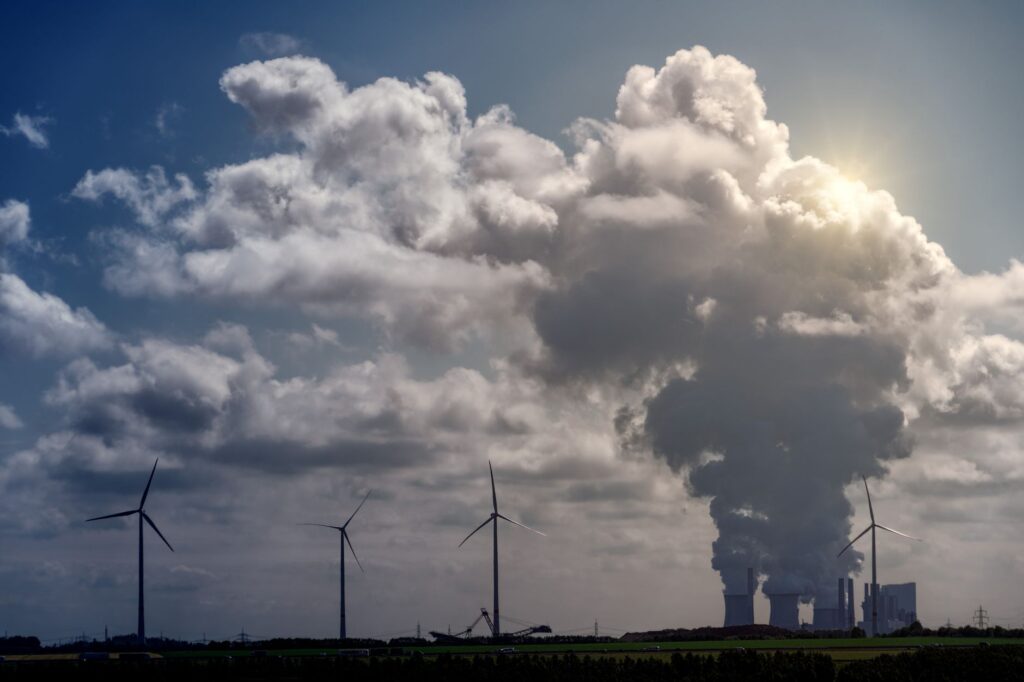
The Impact of Renewable Energy on Fossil Fuels
The Future of Fossil Fuels in an Energy Transition
The rise of renewable energy sources is fundamentally reshaping global energy markets, leading us into a future where fossil fuels may not hold the same sway they once did. As nations progressively adopt solar, wind, and other renewables, the impact on fossil fuel markets is undeniable. This energy transition is not just a trend; it represents a seismic shift in how we produce and consume energy, affecting everything from oil prices to geopolitical dynamics.
Countries like Denmark and Germany exemplify the renewable energy impact on fossil fuel dependency. Denmark, for instance, has achieved over 50% of its electricity generation from wind, significantly reducing its reliance on coal and natural gas. As a result, fossil fuel prices in Europe have become increasingly volatile, with renewable energy adoption contributing to a steady decline in demand. The International Energy Agency projects that global coal demand will peak before 2025, further underlining the diminishing role of fossil fuels in energy production.
The Future of Oil Demand Forecast
As we look at the oil demand forecast, the statistics are equally telling. The Organization of the Petroleum Exporting Countries predicts that global oil demand will plateau by 2030, with significant declines expected in developed nations as electric vehicles gain traction. This shift is propelled by both environmental policy and consumer sentiment, which increasingly favors sustainable energy options. Yet, this evolution does not mean an overnight end to fossil fuels. Many developing countries remain heavily reliant on oil and gas, pointing to a complex global energy landscape.
Critics may argue that such forecasts are overly optimistic, suggesting that fossil fuels will continue to play a crucial role in the global economy. However, the facts indicate a clear trend towards sustainability. As renewables gain cost competitiveness and technological advancements reduce their reliance on subsidies, the case for fossil fuels becomes weaker. This shift is not merely a phase; it is an inevitable step towards a more sustainable future, challenging the very foundations of fossil fuel markets.
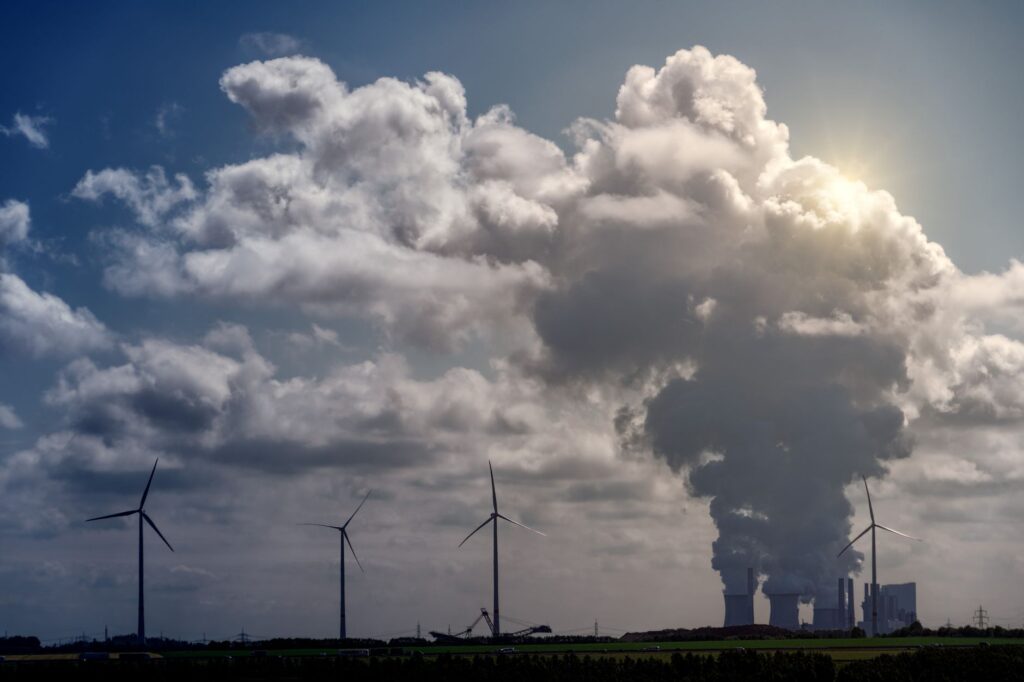
As we navigate this energy transition, it is essential to recognize that the future of fossil fuels is not just a question of supply and demand; it is intricately linked to environmental policies, technological advancements, and societal shifts towards sustainability. Stakeholders in the fossil fuel industry must adapt or risk obsolescence in an increasingly renewable energy world. The path forward may be challenging, but it holds the promise of a cleaner, more sustainable energy future for generations to come.
Counterarguments: The Case for Fossil Fuels
The Future of Fossil Fuels: Economic and Social Factors
As we navigate the complexities of an energy transition toward renewable sources, it’s crucial to acknowledge the economic and social realities tied to fossil fuels. Many regions around the world rely heavily on fossil fuel industries for their economic stability. For instance, the oil and gas sector supports millions of jobs globally, from extraction to transportation and refining. A sudden shift away from fossil fuels could lead to significant job losses, impacting not just workers but entire communities dependent on these industries.
Moreover, fossil fuels remain a significant revenue source for governments, particularly in resource-rich countries. The U.S. Energy Information Administration projects that oil demand will remain robust in the near term, driven by transportation needs and industrial processes. This oil demand forecast suggests that a balanced approach, integrating both fossil fuels and renewables, might be necessary to ensure economic continuity while pursuing sustainability goals.
Technological Advancements in Fossil Fuels
Technological innovations in fossil fuel extraction and processing are also worth considering when discussing the future of fossil fuels. Advances in carbon capture and storage (CCS) technologies, for example, can significantly mitigate the environmental impact of fossil fuel use. Companies are investing heavily in making fossil fuel extraction cleaner and more efficient. This means that while the renewable energy impact is undeniable, fossil fuels can still play a role in a cleaner future.
Additionally, the development of hybrid technologies that utilize both fossil and renewable energy sources could extend the lifespan of fossil fuels in our energy mix. By leveraging existing infrastructure and knowledge, we can achieve a gradual transition, reducing potential economic disruption and allowing time for new job creation in the renewable sector. As we look forward, it is vital to recognize that the future of fossil fuels does not have to be a binary choice between “all or nothing.” Instead, it can be a nuanced approach that acknowledges the present realities while steering toward a sustainable future.

Ultimately, the conversation about the future of fossil fuels must consider not only environmental impact but also economic stability and technological innovation. A comprehensive approach could yield a balanced energy policy that supports both fossil fuels and renewable energy, ensuring a smoother transition that benefits society at large.
Predictions for the Future of Fossil Fuels
Long-term Forecasts and Scenarios for the Future of Fossil Fuels
The future of fossil fuels is a complex and evolving narrative shaped by numerous variables. Current trends suggest that while fossil fuels will continue to play a role in the global energy mix for the foreseeable future, their dominance is likely to wane as the world pivots toward more sustainable energy sources. According to the International Energy Agency, global oil demand is expected to peak before 2030 in a scenario aligned with climate goals. This shift will be influenced heavily by regulatory changes aimed at reducing greenhouse gas emissions and the increasing adoption of renewable energy technologies.
Technological advancements are also pivotal. Innovations in carbon capture and storage (CCS) and improvements in the efficiency of fossil fuel extraction could prolong the viability of oil and gas. However, these advancements must compete with the rapid growth of renewable energy technologies, such as solar and wind, which are becoming cheaper and more efficient. As consumers become more environmentally conscious, the energy transition is likely to accelerate, shifting demand away from fossil fuels.
Potential Outcomes for the Energy Sector
Looking ahead, several potential outcomes for the energy sector may emerge. One scenario involves a gradual decline in fossil fuel reliance, with countries investing heavily in renewables, leading to a significant reduction in oil demand. This would align with a 2022 U.S. Energy Information Administration (EIA) oil demand forecast that predicts a drop in consumption as electric vehicles gain traction and energy efficiency improves.
Alternatively, if fossil fuel companies adapt effectively, they may transition towards cleaner energy solutions, such as biofuels or hydrogen. This adaptability could lead to a scenario where fossil fuels remain a substantial part of the energy mix but in a cleaner, more sustainable manner. The challenge lies in balancing immediate energy needs with long-term sustainability goals.
Ultimately, the future of fossil fuels will depend on how stakeholders, governments, corporations, and consumers, respond to the pressing challenges of climate change and energy security. As we navigate this complex landscape, the importance of adaptability in energy strategies cannot be overstated; it will be critical for ensuring a balanced and sustainable energy future.

The Path Forward: Understanding the Future of Fossil Fuels
As we look ahead, the future of fossil fuels in a renewable energy world is undeniably complex. The landscape is shifting, influenced by technological advancements, policy changes, and evolving consumer preferences. While some argue that fossil fuels will remain a cornerstone of the global energy mix for years to come, the undeniable momentum towards an energy transition suggests a more nuanced reality. The oil demand forecast, for instance, is already beginning to reflect a gradual decline in consumption as electric vehicles gain traction and renewable energy sources become more economically viable.
Transitioning from fossil fuels to cleaner energy systems presents challenges, but it also offers significant opportunities. Countries rich in fossil fuel resources must navigate this transition carefully, balancing economic stability with environmental sustainability. Innovations in carbon capture and storage, along with improvements in energy efficiency, can help mitigate the adverse effects of fossil fuel consumption while we shift towards renewables. However, the renewable energy impact is increasingly evident; it’s not just about reducing reliance on fossil fuels, but also about fostering a more sustainable future that prioritizes clean air, water, and climate stability.
Final Thoughts on Energy and Sustainability: Embracing Change
Ultimately, the future of fossil fuels will be defined by our collective actions today. Individuals, businesses, and governments all play crucial roles in this energy transition. By embracing sustainable practices and supporting policies that promote renewable energy, we can influence the pace and direction of this shift. It’s essential for everyone to recognize that change is not only possible but necessary. For those interested in making a positive impact, exploring Carbon Capture Technology and the Future of Fossil Fuels can provide valuable guidance.
As we stand at this crossroads, it’s clear that the future of fossil fuels is not a straightforward path. Instead, it is a journey that requires careful navigation, thoughtful policies, and a commitment to sustainability. By proactively engaging in this transition, we can help shape an energy landscape that is equitable, efficient, and environmentally responsible.
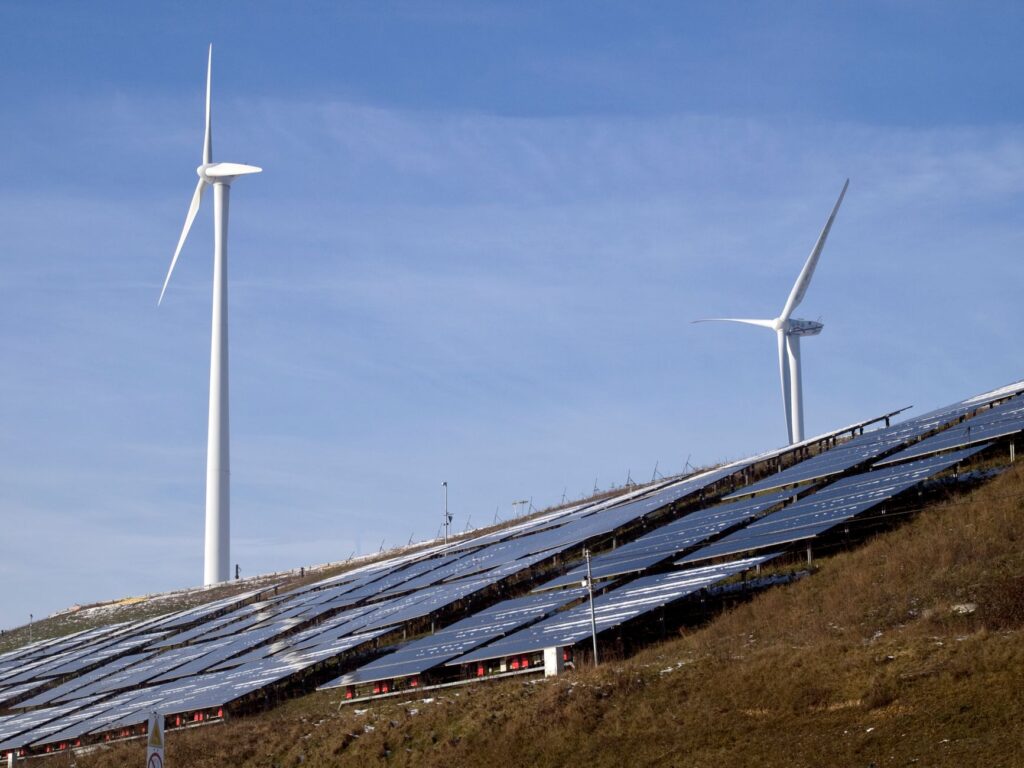
As we navigate the complexities of the energy transition, the future of fossil fuels appears both challenging and intriguing. While many parts of the world are rapidly adopting renewable energy sources, there remains a significant reliance on oil and gas, evident in current oil demand forecasts. These forecasts suggest that fossil fuels will not disappear overnight but will instead evolve alongside cleaner alternatives, creating a dynamic energy landscape.
Understanding the renewable energy impact on the global economy is essential for anyone interested in the future of fossil fuels. As technology advances and consumer preferences shift, industries must adapt to these changes. For those looking to stay informed, consider following industry reports and market analyses that provide insights into ongoing developments in energy sectors. Engaging with this evolving narrative will not only enhance your understanding but also empower you to make informed choices in a world increasingly focused on sustainability.
“`html
What is the future of fossil fuels in a renewable energy world?
The future of fossil fuels is deeply intertwined with the growth of renewable energy sources. As nations strive for sustainability, the demand for fossil fuels is expected to decrease gradually. However, fossil fuels will likely continue to play a role in the energy mix for the foreseeable future, especially in regions lacking robust alternatives. Innovations in carbon capture and storage could also extend the viability of fossil fuels, enabling cleaner usage alongside renewable energy advancements.
How will the energy transition affect oil demand?
The energy transition is anticipated to significantly impact oil demand. As countries adopt cleaner energy solutions, such as solar and wind, the reliance on oil will likely diminish. However, the pace of this transition varies by region, influenced by economic and infrastructural factors. Short-term forecasts suggest that while oil demand may fluctuate, long-term projections indicate a gradual decline in consumption as electric vehicles and alternative fuels gain traction.
What is the current oil demand forecast for the next decade?
The current oil demand forecast for the next decade suggests a mixed outlook. According to the International Energy Agency, global oil demand may peak around the mid-2020s, then start to decline as electric vehicles and renewable energy sources become more prevalent. However, demand could remain strong in certain sectors, such as aviation and shipping, where alternatives are not yet fully established. This dynamic will require careful monitoring of technological advancements and policy changes.
What is the impact of renewable energy on fossil fuel markets?
Renewable energy has a profound impact on fossil fuel markets, driving prices down and altering demand dynamics. As renewable technologies become more cost-effective, they reduce the market share of fossil fuels, compelling companies to adapt or innovate. This competition can lead to increased investment in cleaner technologies, reshaping the energy landscape. Additionally, policies promoting renewables can influence fossil fuel regulations and market access, further accelerating this transformation.
Can fossil fuels coexist with renewable energy sources?
Yes, fossil fuels can coexist with renewable energy sources, at least in the short to medium term. Many energy systems rely on a mix of generation methods to ensure reliability and stability. Fossil fuels can provide backup power during periods of low renewable output, such as cloudy or calm days. Moreover, investments in technology, like hybrid systems and grid enhancements, can facilitate a smoother transition towards a more sustainable energy future.
What are the long-term predictions for fossil fuels?
Long-term predictions for fossil fuels indicate a gradual decline in demand, driven by the global shift towards renewable energy and enhanced energy efficiency. Analysts suggest that while fossil fuels will still be utilized, their market share will diminish significantly by 2050. Factors such as government policies, technological advancements, and climate commitments will heavily influence this trajectory, leading to a more diversified energy landscape that prioritizes sustainability.
“`