
Energy myths can cloud our understanding of how energy systems work and what they mean for our future. In a world where fuel misinformation is rampant, it’s crucial to separate fact from fiction to make informed decisions about energy policy and consumption. This article will take you on a journey through the landscape of energy myths, starting with an overview of what these misconceptions are and why they persist. We’ll then debunk some of the most common energy myths, revealing the truth behind widely held beliefs. Understanding these myths has real implications, affecting everything from individual choices to national energy strategies. By promoting energy literacy, we can empower ourselves and others to engage in informed discussions about energy facts that matter. Join us as we explore these themes and work toward a clearer understanding of the energy issues we face today. For more on the importance of oil and gas education, check out this source. Let’s dive in!
Understanding Energy Myths: What Are They?
Energy myths are widespread misconceptions that can mislead the public about how energy works, its sources, and its impacts on the environment and economy. These myths often arise from a lack of understanding or misinformation, making it crucial to separate fact from fiction in today’s energy discourse.
Common Misconceptions About Energy
Some common energy myths include the belief that renewable energy is too unreliable or that fossil fuels are the only viable energy sources for economic growth. For example, many people think that electric vehicles (EVs) are always worse for the environment than traditional gasoline cars. However, studies show that even when accounting for battery production, EVs tend to have a lower carbon footprint over their lifetime than their gasoline counterparts. Such energy facts are essential for informed discussions about energy policy and climate change.
These misconceptions can have serious implications. They not only affect consumer choices but also influence public policy and investment in energy infrastructure. For instance, when myths about renewable energy persist, it can lead to reduced funding and support for those technologies, hindering progress toward sustainable energy solutions.
Why Energy Myths Persist
One reason energy myths continue to thrive is the rise of social media, where fuel misinformation can spread rapidly. Misinformation often goes unchallenged, leading to a distorted public perception of energy issues. Additionally, traditional education systems may lack comprehensive oil and gas education that addresses these myths critically. Without robust educational frameworks, many people remain unaware of the realities of energy production and consumption.
This situation emphasizes the importance of effective communication and education regarding energy. It is crucial for universities, policymakers, and industry leaders to work together to provide accurate information and dispel energy myths. As we move toward a more sustainable future, understanding these misconceptions becomes increasingly vital, influencing everything from consumer behavior to national energy policy.

Debunking Common Energy Myths
As discussions around energy policy intensify, dispelling energy myths becomes crucial for informed decision-making. With the global shift towards sustainable energy sources, understanding the facts is more important than ever. Misinformation can hinder progress and shape public perception negatively. Here, we tackle two prevalent energy myths that affect our approach to energy consumption and production.
Myth 1: Renewable Energy is Too Expensive
One of the most pervasive energy myths is that renewable energy sources, such as solar and wind, are prohibitively expensive. In reality, the costs associated with renewable energy have plummeted over the past decade. According to the International Energy Agency, the cost of solar photovoltaic (PV) systems has fallen by about 82% since 2010, while onshore wind costs have decreased by roughly 49%. This trend indicates that renewables are not just competitive with fossil fuels but are often the more affordable option. 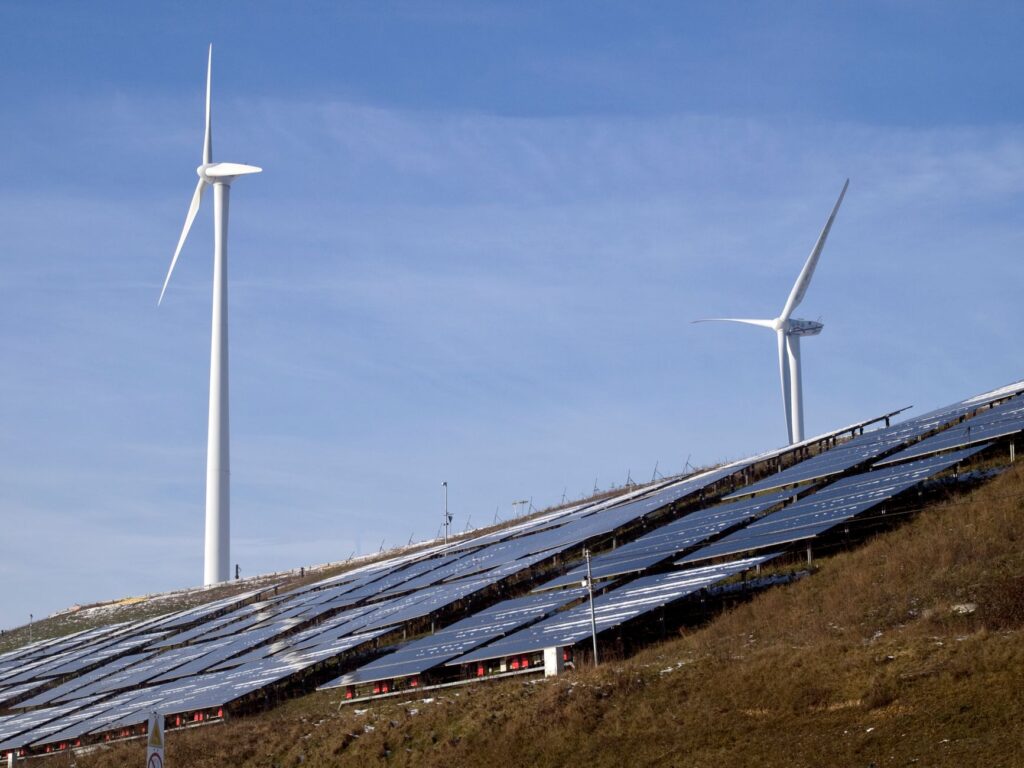
Moreover, as energy facts show, renewable energy can stimulate job growth and reduce reliance on imported fuels, enhancing energy security. Programs dedicated to oil and gas education also emphasize the economic benefits of transitioning to renewable sources, highlighting that investing in clean energy technology can lead to long-term savings and environmental benefits.
Myth 2: Natural Gas is a Clean Fuel
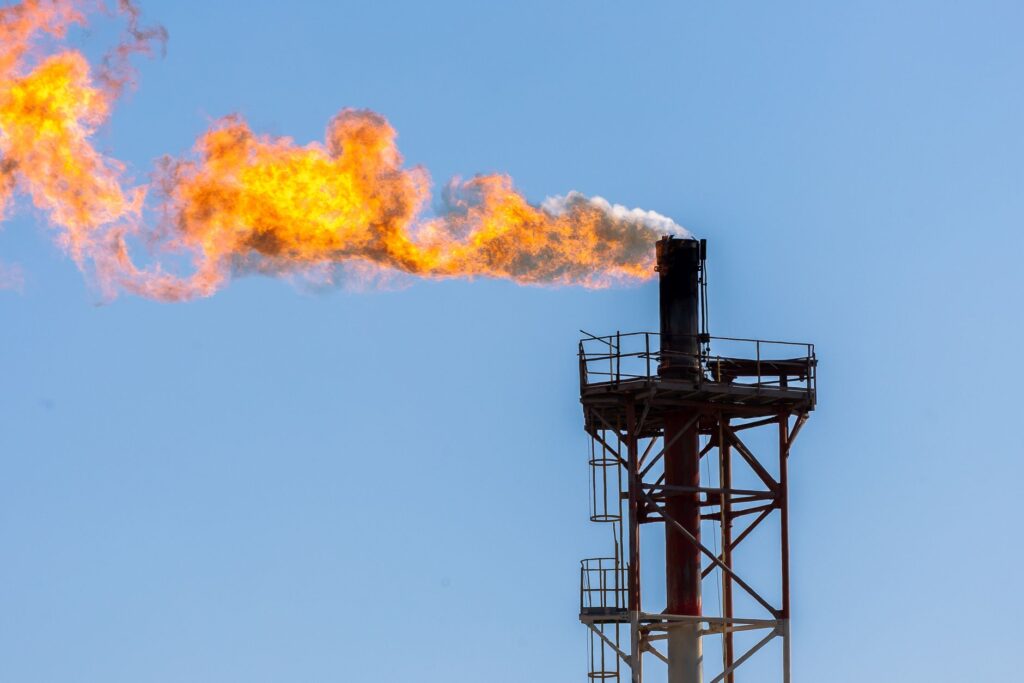
Another common misconception is that natural gas is a clean alternative to coal and oil. While it does emit less carbon dioxide when burned, natural gas extraction and transportation come with significant environmental costs. Methane, a potent greenhouse gas, can leak during extraction and distribution, undermining any emissions benefits. The Environmental Protection Agency estimates that methane has a global warming potential more than 25 times greater than carbon dioxide over a 100-year period.
As policymakers shape the future of energy, understanding these energy myths is vital for crafting effective energy policy. Addressing fuel misinformation empowers consumers and stakeholders to make informed choices and supports a transition to truly sustainable energy solutions. The implications of these myths extend beyond individual choices; they influence national strategies and global initiatives aimed at combatting climate change. By prioritizing education and transparency, especially through resources in oil and gas education, we can foster a more informed public ready to embrace the future of energy.
The Implications of Believing in Energy Myths
The spread of energy myths can significantly impact how we approach energy policy and consumer behavior. In an era where sustainable energy solutions are paramount, understanding the realities behind energy facts is crucial. Misconceptions about energy sources not only mislead the public but can also hinder meaningful progress toward a cleaner energy future.
Impact on Energy Policy
When policymakers rely on energy myths instead of facts, the consequences can be dire. For instance, the belief that renewable energy sources cannot meet our energy needs has led some to favor investments in fossil fuels over cleaner alternatives. This not only perpetuates our reliance on oil and gas but also stalls the transition to sustainable options. Many countries are grappling with energy policies that prioritize short-term economic gains over long-term environmental sustainability. This could ultimately hinder efforts to combat climate change and reduce greenhouse gas emissions.
Furthermore, fuel misinformation can lead to misguided subsidies and incentives that favor outdated technologies. An example is the continued support for coal, which, despite its environmental drawbacks, is often justified by myths surrounding job creation and energy security. Accurate oil and gas education is essential for informing both policymakers and the public about the long-term benefits of transitioning to renewable energy sources.
Effects on Consumer Behavior and Energy Myths
Energy myths also shape consumer behavior in ways that can be detrimental. For instance, consumers may opt for less efficient energy solutions due to misconceptions about the cost-effectiveness of renewable options. A common myth suggests that switching to solar energy is prohibitively expensive. In reality, the cost of solar panels has plummeted over the past decade, making them a viable option for many households. This misunderstanding can prevent consumers from making informed choices that would benefit both their wallets and the environment.
Moreover, when consumers are misled about the efficacy of energy-efficient appliances or the environmental impact of their choices, they may inadvertently contribute to increased energy consumption. This cycle of misinformation not only affects individual households but also has broader implications for energy demand and policy formulation. Accurate energy facts are essential for empowering consumers to make choices that align with sustainable practices.
addressing energy myths is not just about clearing up misunderstandings; it is a necessary step toward shaping effective energy policy and fostering responsible consumer behavior. By focusing on accurate information, we can pave the way for a more sustainable energy future that benefits everyone.
For those interested in learning more about the impact of energy myths on our society, consider exploring resources that provide in-depth insights into energy policy and consumer education. Understanding America’s Oil Reserves
Moving Forward: Promoting Energy Literacy
The Role of Education in Energy Awareness
As we navigate an era where energy discussions permeate nearly every aspect of our lives, promoting energy literacy has become more crucial than ever. The prevalence of energy myths can lead to confusion and misinformed decisions regarding energy policy and consumption. By integrating oil and gas education into school curriculums and community programs, we can arm individuals with the necessary tools to discern fact from fiction.
Education serves as a powerful weapon against fuel misinformation. Programs that cover the fundamentals of energy production, consumption, and sustainability can demystify complex topics. For example, understanding the differences between renewable and non-renewable energy sources helps individuals make informed choices and advocate for policies that reflect their values. Schools should aim to incorporate real-world energy facts into their lessons, emphasizing the science behind energy systems and the socio-economic implications of various energy sources.
How to Identify Reliable Energy Information
With a plethora of information available online, distinguishing credible sources from those perpetuating energy myths can be challenging. Here are some tips to help identify reliable energy information:
- Check the Source: Look for information from reputable organizations, such as government agencies, academic institutions, and recognized industry leaders. For instance, the U.S. Energy Information Administration (EIA) is a trusted source for energy statistics and analysis.
- Look for Evidence: Reliable articles will often cite studies, data, and expert opinions. Be wary of claims that lack empirical backing.
- Cross-Reference Information: Consult multiple sources to see if the information is consistent across various credible platforms.
- Avoid Sensationalism: Be cautious of headlines that seem exaggerated or alarmist. They may be designed to capture attention rather than convey accurate information.
By fostering energy literacy in our communities and schools, we can dismantle the foundation of energy myths and empower individuals to engage in informed discussions about energy policy and sustainability. This proactive approach not only enhances our understanding but also positions society to make better choices for our collective future. AI in Oil and Gas: A Game Changer for the Industry
Conclusion: Separating Fact from Fiction in Energy Myths
Understanding energy myths is more crucial today than ever. With the ongoing discourse around climate change, energy independence, and sustainability, distinguishing between fact and fiction can significantly shape our collective future. Misinformation about energy can lead to misguided policies and personal choices that may hinder progress toward a more sustainable world. When fuel misinformation permeates public understanding, it creates barriers to implementing effective energy policy and can stymie innovation in green technologies.
Accurate energy facts empower individuals and communities to make informed decisions regarding their energy consumption and advocacy. For instance, recognizing that renewable energy sources are not only viable but essential for a sustainable future can inspire both individual action and broader systemic change. Education, particularly in oil and gas education, plays a vital role in ensuring that the public is equipped with the knowledge necessary to navigate the complexities of energy systems and policies. This knowledge can influence everything from personal energy choices to participation in local governance and policy-making.
As we look ahead, the implications of debunking these energy myths ripple beyond personal choices; they impact the very frameworks that guide our energy policy. By fostering a well-informed public, we can collectively challenge outdated narratives and support initiatives that lead to more sustainable energy practices. The future of energy should reflect not only our current needs but also the well-being of generations to come. Educating ourselves and others about energy myths will pave the way for a more informed society capable of making responsible decisions about energy consumption and deployment.

By actively engaging in energy education and staying vigilant against misinformation, we can contribute to a more accurate understanding of energy systems and their impacts. This approach will ensure that, moving forward, we can build a sustainable energy future based on facts rather than fiction.
Understanding and debunking energy myths is essential for making informed decisions about energy policy and consumption. By recognizing fuel misinformation and differentiating between fact and fiction, we can better understand the complexities surrounding our energy needs. It’s crucial to stay updated with reliable energy facts, as these insights enable us to engage in meaningful discussions about sustainable practices and the future of energy.
As you continue your journey toward energy literacy, consider seeking out resources that provide comprehensive oil and gas education. Engaging with experts and reputable sources will deepen your understanding and help you navigate the often confusing landscape of energy information. Take the next step by exploring The EV Impact on Fuel Demand: What’s Next? or checking out Understanding Fuel Price Fluctuations: Causes and Effects to empower yourself with knowledge that counters prevalent energy myths.
“`html
What are some common energy myths?
Some common energy myths include the belief that renewable energy is too expensive, that electric vehicles always increase emissions, and that energy efficiency doesn’t save money. These misconceptions can lead to poor decision-making regarding energy investments and policies. Understanding the facts is essential to dispelling these energy myths and making informed choices.
How can I identify fuel misinformation?
Identifying fuel misinformation involves checking the credibility of sources, looking for evidence-based findings, and assessing the qualifications of the authors. Reliable information typically comes from reputable institutions, government agencies, or peer-reviewed journals. Be cautious of sensationalist claims or data without proper citations, as these often contribute to the spread of fuel misinformation.
Why is energy education important?
Energy education is crucial as it empowers individuals and communities to make informed choices regarding energy consumption and production. Understanding energy myths and facts helps in fostering sustainable practices, advocating for effective energy policy, and supporting the transition to cleaner energy sources. It also plays a vital role in preparing future generations for energy-related challenges.
What are the environmental impacts of renewable energy?
Renewable energy has several environmental impacts, including land use for solar farms and wind turbines, as well as the ecological effects of resource extraction. However, compared to fossil fuels, renewable energy sources like wind and solar significantly reduce greenhouse gas emissions and air pollution. A careful assessment of these impacts is essential for sustainable energy policy development.
How do energy myths affect energy policy?
Energy myths can significantly influence energy policy by shaping public perception and political agendas. Misinformation may lead to resistance against necessary changes, such as transitioning to renewable energy. Accurate information is crucial for policymakers to create effective strategies that promote sustainable energy practices and address climate change challenges, ultimately benefiting society.
Where can I find reliable energy facts?
Reliable energy facts can be found through reputable sources such as government agencies, academic institutions, and established non-profit organizations. Websites like the U.S. Energy Information Administration (EIA), the International Energy Agency (IEA), and the National Renewable Energy Laboratory (NREL) offer valuable, up-to-date information on energy-related topics.
“`