
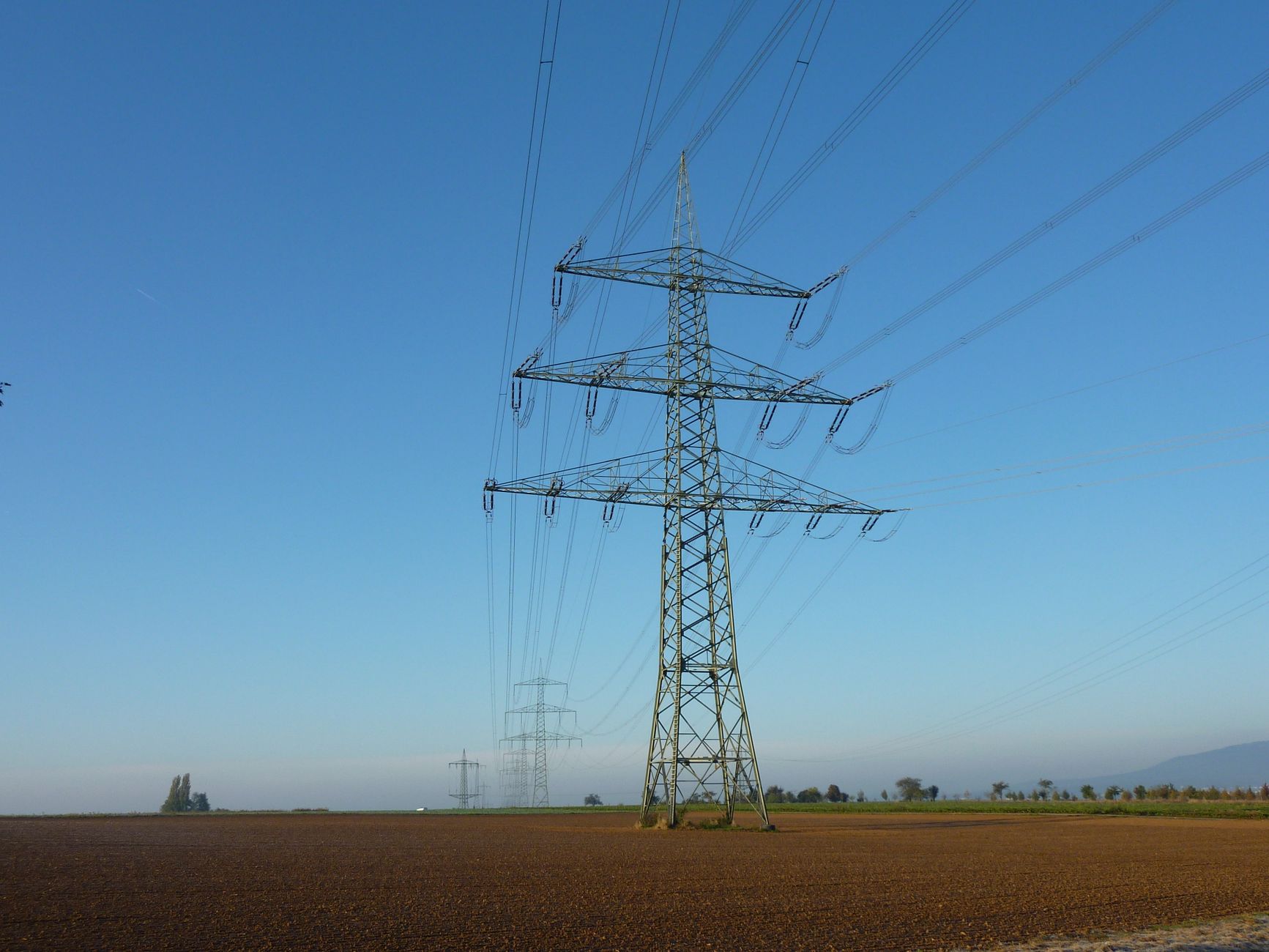
Energy infrastructure security is a critical concern in today’s world, where the safety and reliability of our energy systems are paramount. As our reliance on various energy sources grows, so does the need for robust measures to protect these vital assets, including pipeline security and other infrastructure components. This article delves into the intricacies of energy infrastructure security, highlighting the unique challenges posed by pipeline security, which is often a focal point for vulnerabilities. We will explore the essential role of policy and regulation in enhancing energy protection, alongside the technological innovations that are paving the way for more secure energy systems. Additionally, community engagement and public awareness play crucial roles in fostering a culture of security. Through this exploration, we aim to underscore the importance of safeguarding our critical infrastructure and provide actionable insights for stakeholders. Join us as we advocate for stronger energy infrastructure security measures and discuss how everyone can contribute to this vital cause. For more information on critical infrastructure protection, visit the CISA website.
Understanding Energy Infrastructure Security
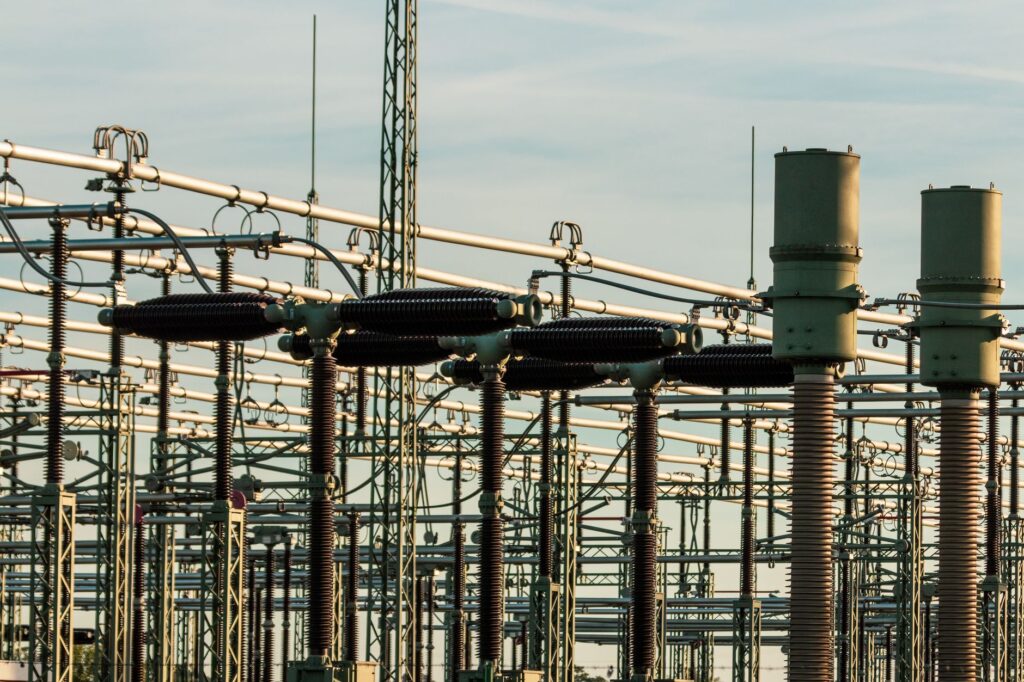
Energy infrastructure security is a multifaceted concept that encompasses the systems, processes, and assets essential for the production, distribution, and consumption of energy. This includes everything from power plants and transmission lines to pipelines and refineries. Each component plays a critical role in not only maintaining our daily lives but also ensuring national security. As we delve into the components of energy infrastructure security, it becomes clear that safeguarding these assets is not merely a technical challenge but a vital necessity.
What Constitutes Critical Infrastructure?
Critical infrastructure refers to the physical and cyber systems that are crucial to the functioning of a society and its economy. In the context of energy, this includes power generation facilities, oil and gas pipelines, and electrical grids. According to the Cybersecurity and Infrastructure Security Agency (CISA), energy is one of the most vital sectors as it supports other critical infrastructures such as transportation and communications. The interconnectedness of these systems means that any disruption in energy supply can have cascading effects, underscoring the need for robust energy infrastructure security.
The Importance of Energy Protection
Energy protection is essential for maintaining stability and safety in our energy supply. A secure energy infrastructure not only prevents supply disruptions but also mitigates risks from cyberattacks, natural disasters, and physical threats. For instance, the recent rise in cyber threats targeting energy companies illustrates the urgent need for enhanced pipeline security and protective measures across all energy sectors. Implementing risk management strategies and investing in advanced technologies can fortify our defenses against these threats.
In a world increasingly reliant on digital technologies, the importance of energy protection cannot be overstated. As energy systems evolve, so too must our strategies to safeguard them. Protecting our critical infrastructure involves collaboration between government, industry, and the public to foster resilience and responsiveness.
Pipeline Security: A Specific Challenge
As a critical component of our energy infrastructure security, pipelines face unique vulnerabilities that set them apart from other assets. These vulnerabilities are increasingly concerning, as the threats to pipeline security evolve in complexity and scale. Whether it’s cyber attacks targeting operational technology, physical sabotage by malicious actors, or the unpredictable nature of natural disasters, the stakes have never been higher.
Threats to Pipeline Security
Cybersecurity is perhaps the most pressing challenge for pipeline operators today. According to the Cybersecurity and Infrastructure Security Agency (CISA), ransomware attacks on critical infrastructure have surged, affecting not only operations but also public safety. Additionally, physical threats like sabotage can result in catastrophic outcomes, as seen in various incidents worldwide. Natural disasters, too, pose significant risks; floods, earthquakes, and landslides can compromise pipeline integrity and lead to spills or leaks that endanger both the environment and public health.
Best Practices for Pipeline Protection and Energy Infrastructure Security
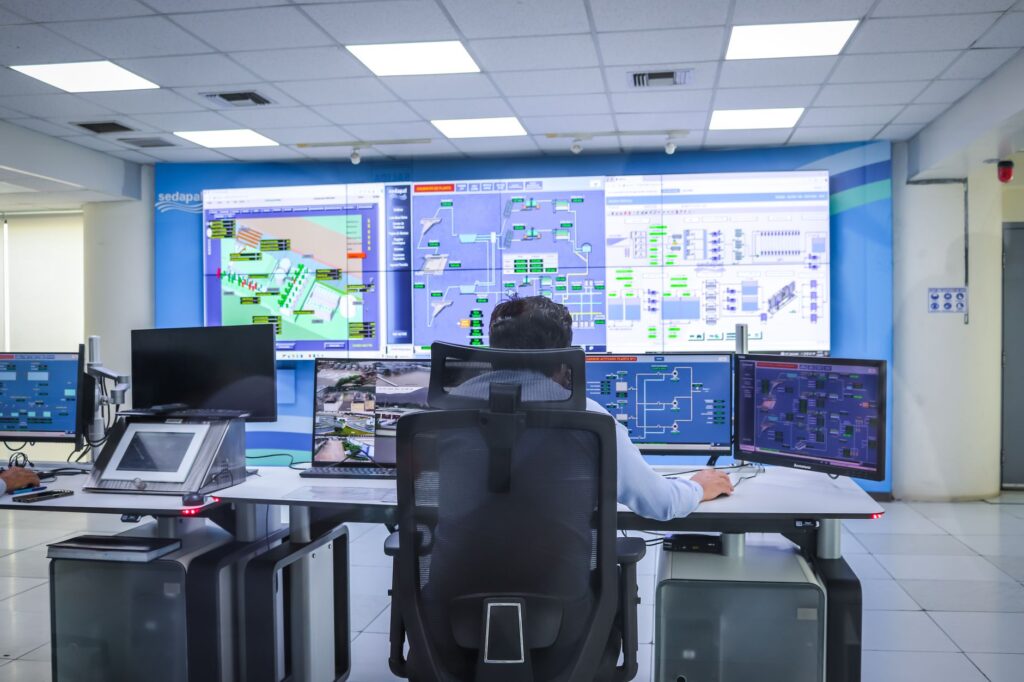
To combat these multifaceted threats, pipeline operators must adopt a proactive approach to energy protection. Implementing advanced monitoring systems with real-time data analytics can help detect anomalies before they escalate into serious problems. For instance, technologies such as fiber optic sensors can provide early warnings of leaks or breaches. Furthermore, robust incident response protocols are essential. Training personnel to respond quickly and effectively to security breaches can greatly mitigate potential damage.
Moreover, collaboration with federal and local agencies enhances pipeline security. Sharing intelligence on emerging threats allows for a more unified defense strategy across the energy sector. As we navigate the complexities of energy infrastructure security, it’s clear that vigilance, innovation, and collaboration are our best tools for safeguarding these critical assets.
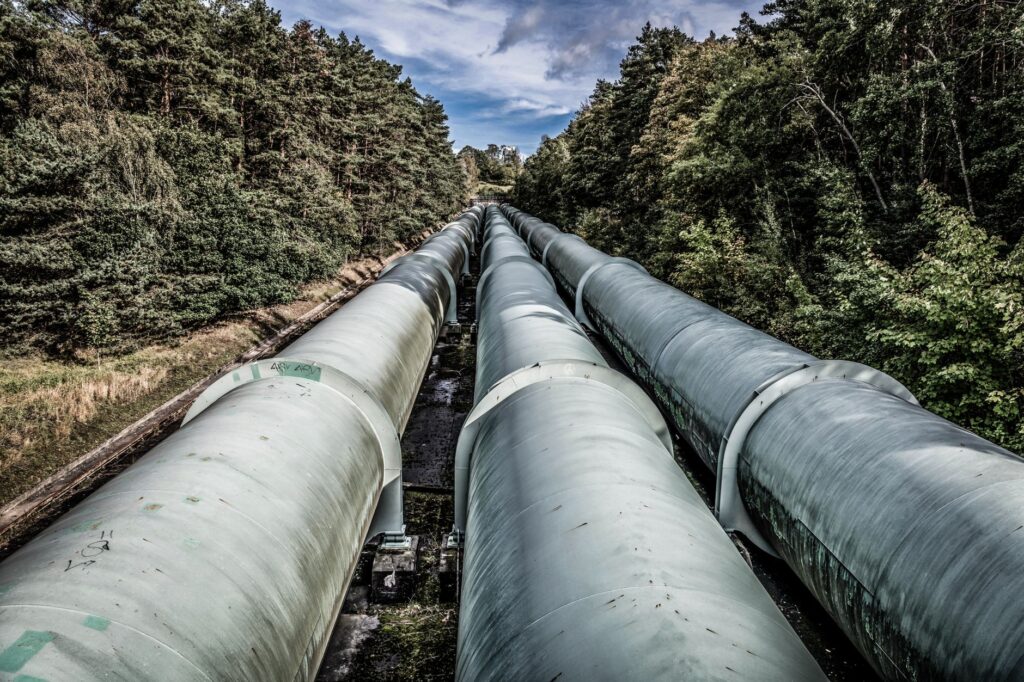
By prioritizing these best practices, we can strengthen pipeline security and ensure that our energy infrastructure remains resilient against evolving threats.
The Role of Policy and Regulation in Energy Infrastructure Security
Current Regulations and Standards Governing Energy Infrastructure Security
Energy infrastructure security is fundamentally shaped by the policies and regulations put in place to protect critical assets. In the United States, several agencies, including the Department of Energy (DOE), the Federal Energy Regulatory Commission (FERC), and the Department of Homeland Security (DHS), play crucial roles in developing and enforcing these regulations. The Grid Security and Resilience Standards are integral to ensuring that energy systems are protected from physical and cyber threats. However, a glaring gap in current regulations is the lack of comprehensive measures addressing the evolving nature of threats, especially in terms of cybersecurity and the resilience of pipeline security systems.
Future Directions for Policy Improvements in Energy Infrastructure Security
Looking ahead, stronger measures are not just advisable; they are essential. The continuous advancement of technology and the increasing sophistication of threats necessitate a reevaluation of existing policies. Current regulations often fail to encompass the complete lifecycle of energy protection, from planning and development through to operation and decommissioning. A more holistic approach is needed, one that includes rigorous risk assessments and regular updates to security protocols.
Additionally, collaboration between government agencies and the private sector can significantly enhance security measures. Establishing a framework for sharing information about threats and vulnerabilities can create a more resilient energy infrastructure. Stakeholders should advocate for policies that reflect the dynamic landscape of energy security, ensuring that regulations are adaptable and forward-thinking.
As we navigate these challenges, the commitment to enhancing energy infrastructure security must be unwavering. By recognizing the gaps and pushing for stronger regulatory measures, we can better protect our critical infrastructure and safeguard against emerging threats.
Technological Innovations Enhancing Energy Infrastructure Security
Emerging Technologies in Energy Protection
As the world increasingly relies on energy resources, the security of our energy infrastructure has never been more critical. Innovative technologies are emerging to bolster energy infrastructure security, ensuring that critical assets remain protected against potential threats. Among these technologies, artificial intelligence (AI), machine learning, and the Internet of Things (IoT) stand out for their transformative potential.
AI and machine learning enable real-time monitoring and predictive analytics, which can identify anomalies in energy systems before they escalate into serious issues. For instance, these technologies can analyze data from sensors embedded along pipelines to detect leaks or breaches, significantly enhancing pipeline security. A notable example is the deployment of AI algorithms by major oil companies to monitor pipeline integrity, allowing for swift responses to potential failures.
The IoT further empowers energy protection strategies by connecting various components of energy infrastructure. Smart sensors can transmit data on environmental conditions, machinery performance, and security breaches, creating a comprehensive view that helps operators respond to incidents more effectively. This interconnectedness not only enhances safety but also optimizes operational efficiency.
The Future of Security Technology in Energy Infrastructure Security
Looking ahead, the future of security technology in energy infrastructure security appears promising. As cyber threats evolve, integrating advanced technologies will be essential in safeguarding critical infrastructure. Blockchain technology, for example, offers a decentralized method to secure data transactions, making it harder for malicious actors to manipulate information.
While some may argue that increased reliance on technology could introduce new vulnerabilities, the reality is that the benefits far outweigh the risks. By continually innovating and adapting our security measures, we can proactively address potential threats and enhance resilience across the energy sector. As we embrace these advancements, we must also prioritize training for personnel to ensure they can effectively utilize these technologies for maximum impact.

technological innovations are revolutionizing the way we approach energy infrastructure security. By leveraging AI, machine learning, IoT, and emerging technologies like blockchain, we can create a safer and more resilient energy landscape. This proactive approach not only protects our critical assets but also ensures a more secure energy future for everyone.
Community Engagement and Public Awareness
The Role of Public Awareness in Energy Infrastructure Security
In today’s interconnected world, the security of our energy infrastructure is not just the responsibility of government agencies and private companies; it requires active participation from the community. Public awareness plays a pivotal role in energy infrastructure security. When citizens understand the vulnerabilities of energy systems, they become more vigilant and proactive in reporting suspicious activities or potential threats. For instance, community workshops and educational campaigns can enlighten residents about the importance of pipeline security and the various threats these critical assets face, ranging from natural disasters to cyberattacks. According to a study by the National Academy of Sciences, communities that are well-informed and engaged are better equipped to respond during emergencies, thereby enhancing overall energy protection.
Building Community Resilience
Building community resilience is another crucial aspect of energy infrastructure security. Engaging local populations in planning and decision-making processes not only fosters a sense of ownership but also empowers them to take action in protecting critical infrastructure. Initiatives such as local emergency response teams and neighborhood watch programs can significantly enhance community preparedness. By collaborating with local governments and utility companies, residents can develop tailored strategies to mitigate risks and ensure quick recovery in the event of an incident. Moreover, fostering relationships with local law enforcement and emergency services can facilitate efficient communication during crises, allowing for a coordinated response to threats against energy systems.
Ultimately, a well-informed and engaged community is a formidable ally in the quest for enhanced energy infrastructure security. By prioritizing public awareness and community involvement, we can create resilient neighborhoods that not only recognize the importance of energy protection but also actively contribute to safeguarding these vital assets. When citizens become stakeholders in energy security, they help build a future where our critical infrastructure is reliably protected.

Conclusion: A Call to Action for Energy Infrastructure Security
The discussion surrounding energy infrastructure security highlights the critical need for a united front against threats that endanger our essential systems. We’ve examined the vulnerabilities of our energy assets, from pipelines to power grids, and the pressing need for comprehensive energy protection strategies. As we navigate an era of increasing cyber threats and physical attacks, it becomes clear that safeguarding our critical infrastructure is not just a responsibility but a necessity for national security and economic stability.
Policymakers, industry professionals, and the public must join forces to create a robust framework for energy infrastructure security. This collaboration is crucial for implementing innovative technologies and strategies that can mitigate risks. For instance, the adoption of advanced monitoring systems can significantly enhance pipeline security and provide real-time responses to potential threats. Additionally, community awareness initiatives can empower citizens to recognize and report suspicious activities, further strengthening our defense.
While some may argue that the costs associated with bolstering energy infrastructure security are prohibitive, consider the devastation that could result from inaction. The economic and human toll of a major security breach far outweighs the investment required to protect these vital assets. Furthermore, as our energy landscape evolves with renewable sources, the need for vigilant and adaptable security measures becomes even more pressing.
As we look to the future, let us remain vigilant and innovative in our approach to energy infrastructure security. Our collective efforts today will lay the foundation for a safer, more resilient energy landscape tomorrow. It is time to act decisively and ensure that our critical infrastructure stands strong against the challenges ahead.

Ensuring energy infrastructure security is not just a technical challenge; it’s a fundamental necessity for the well-being of our societies. With increasing threats to critical infrastructure, including pipelines, the need for robust energy protection measures is more pressing than ever. By investing in advanced technologies and fostering collaboration among stakeholders, we can enhance our defenses and secure our energy future.
As individuals, communities, and organizations, staying informed and engaged is vital. Whether it’s advocating for stronger policies or supporting initiatives that promote pipeline security, every action counts. Consider exploring Understanding America’s Oil Reserves or participating in local forums dedicated to energy safety. Together, we can build a resilient energy landscape that protects our critical assets for generations to come.
“`html
What is energy infrastructure security?
Energy infrastructure security refers to the protection of the systems and assets that generate, transmit, and distribute energy. This includes power plants, pipelines, and electrical grids. Ensuring energy infrastructure security is vital for maintaining a stable energy supply, protecting against cyber and physical threats, and safeguarding public safety. It encompasses a range of strategies, policies, and technologies aimed at minimizing vulnerabilities and enhancing resilience against potential disruptions.
How does pipeline security affect energy supply?
Pipeline security is crucial in maintaining the uninterrupted flow of energy resources like oil and natural gas. Any breach or damage to pipelines can lead to supply disruptions, environmental hazards, and economic losses. Implementing strong pipeline security measures, such as surveillance, leak detection systems, and regular maintenance, ensures that energy supplies remain stable and reliable, thus supporting both local economies and national energy security.
What are the main threats to energy infrastructure?
The main threats to energy infrastructure include cyberattacks, natural disasters, terrorism, and vandalism. Cyberattacks can disrupt operations and compromise sensitive data, while natural disasters like hurricanes or earthquakes can cause physical damage. Terrorist attacks target critical infrastructure to create fear and chaos, and vandalism can lead to costly repairs and service interruptions. Understanding these threats is essential for developing effective energy infrastructure security strategies.
What technologies improve energy protection?
Several technologies enhance energy protection, including advanced surveillance systems, intrusion detection systems, and automated monitoring tools. Cybersecurity measures, such as firewalls and encryption, are critical for protecting digital assets. Additionally, the use of drones for inspection and remote sensing technologies can help identify vulnerabilities in energy infrastructure, enabling timely interventions and reinforcing overall energy infrastructure security.
How can communities contribute to energy infrastructure security?
Communities can play an active role in energy infrastructure security by participating in local preparedness initiatives, reporting suspicious activities, and engaging with energy providers. Educating residents about energy safety and emergency response plans can also strengthen community resilience. Collaborating with local governments and organizations to develop emergency response strategies ensures that communities are better prepared for potential disruptions.
What regulations govern energy infrastructure security?
Energy infrastructure security is governed by a variety of regulations at federal, state, and local levels. In the United States, agencies like the Department of Energy and the Federal Energy Regulatory Commission set standards for security practices. Additionally, the Pipeline and Hazardous Materials Safety Administration (PHMSA) oversees regulations related to pipeline safety. Compliance with these regulations is essential for ensuring that energy providers maintain robust security measures.
“`