Paul For Nevada climate change policies are at the forefront of efforts to combat environmental challenges in the Silver State. As we move toward 2026, understanding the key elements of these policies is essential for anyone interested in Nevada’s environmental landscape. This article will delve into the intricacies of Paul For Nevada’s climate change initiatives, highlighting how they aim to create a sustainable Nevada through innovative strategies and community engagement. We will explore the impact of the upcoming climate initiatives 2026, the importance of community involvement and education, and the metrics used to measure success and accountability. Additionally, we will examine the road ahead, discussing future plans and potential challenges that lie in the path of Nevada’s environmental policies. For those looking to understand how these efforts can shape a greener future, this article provides a comprehensive overview of the developments and strategies that are set to define Nevada’s response to climate change.
Understanding Paul For Nevada Climate Change Policies
The Current Climate Crisis in Nevada
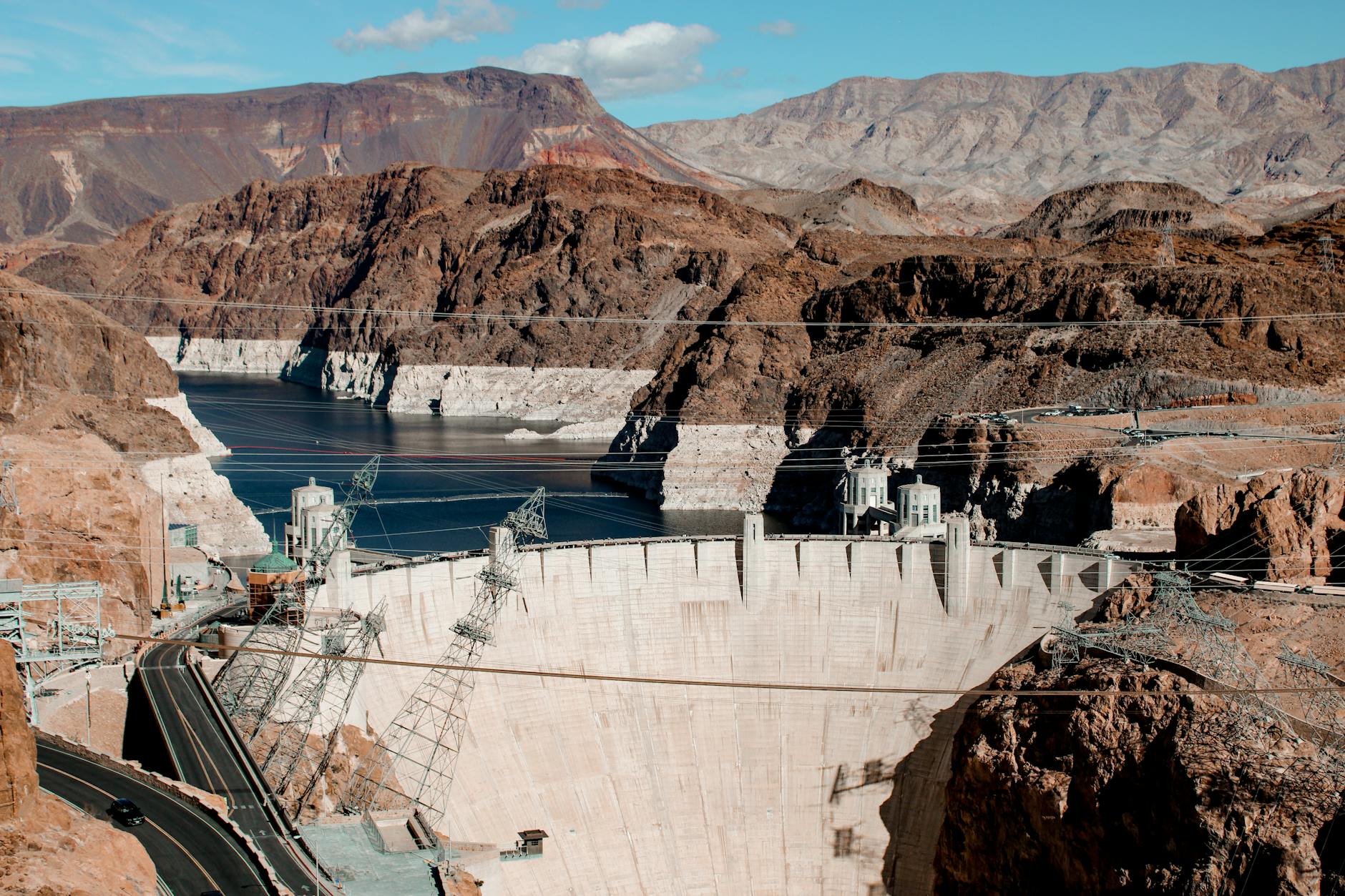
Nevada is facing a significant climate crisis that demands urgent attention. With rising temperatures, prolonged droughts, and an increase in wildfires, the state’s unique ecosystems and communities are under threat. According to the Natural Resources Defense Council, Nevada’s average temperature has risen by 2.5 degrees Fahrenheit since 1895, leading to severe water shortages and strain on agriculture. These challenges not only impact the environment but also jeopardize the livelihoods of Nevadans.
Addressing these issues is crucial for creating a sustainable Nevada. The state has already seen the effects of climate change on its natural resources, making it imperative for policymakers to implement effective Nevada environmental policies. Paul For Nevada climate change policies aim to tackle these challenges head-on, ensuring a healthier environment for future generations.
Why Paul For Nevada‘s Policies Matter
Paul For Nevada’s approach to climate initiatives 2026 is notable for its comprehensive and action-oriented framework. His policies prioritize renewable energy development, water conservation, and wildfire management, aiming to mitigate the impacts of climate change while enhancing the state’s resilience. By focusing on sustainable Nevada practices, Paul is leading the charge towards a greener future.
Moreover, Paul recognizes that addressing climate change is not just an environmental issue but also an economic opportunity. Investing in clean energy and sustainable practices can create jobs and stimulate local economies. As Nevada transitions towards renewable energy sources, we can expect a boost in green jobs, benefiting both the environment and the economy.
Understanding Paul For Nevada climate change policies is essential for anyone looking to comprehend the state’s future direction. As the climate crisis intensifies, the importance of these policies becomes more evident. With the right leadership and commitment, Nevada can not only tackle its climate challenges but also emerge as a leader in sustainability.
Key Elements of Paul For Nevada’s Climate Change Policies
Understanding the Paul For Nevada climate change policies requires a closer examination of its core components, particularly focusing on renewable energy and sustainable practices. These policies are designed to address pressing environmental issues while aligning with broader Nevada environmental policies.
Investing in Renewable Energy
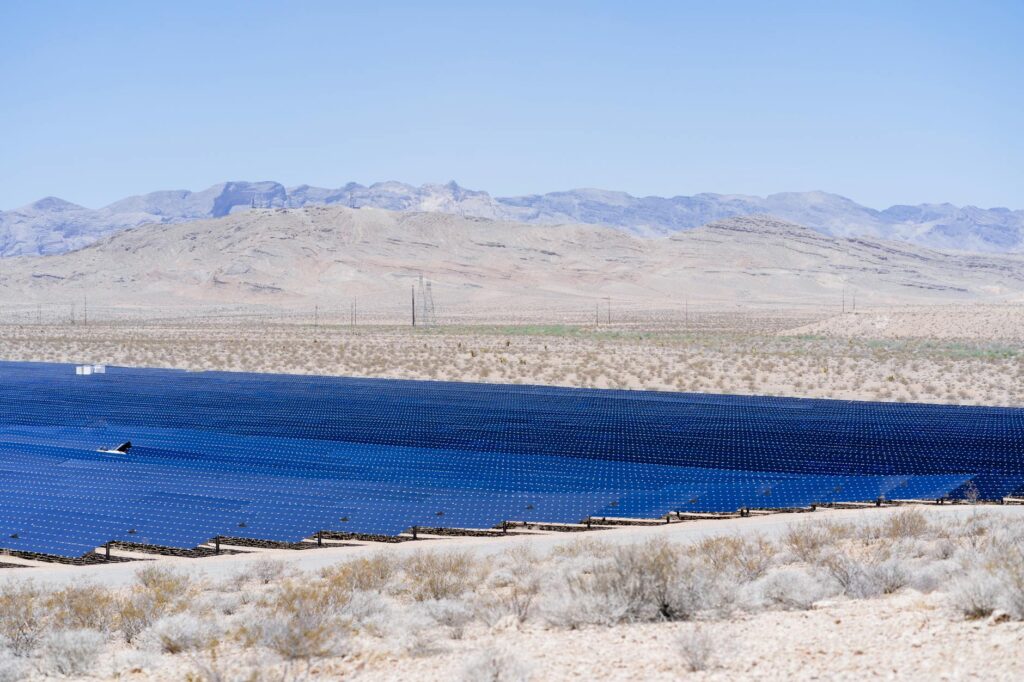
A key pillar of Paul For Nevada’s climate change policies is the commitment to expanding renewable energy sources, such as solar and wind. The plan aims to achieve 100% clean energy by 2050, which is a significant step toward reducing greenhouse gas emissions and combating climate change. This includes initiatives to enhance solar infrastructure and promote wind energy projects throughout the state.
Moreover, Nevada’s position as one of the sunniest states in the U.S. offers a natural advantage for solar energy production. By investing in solar farms and providing incentives for residential solar installations, Paul For Nevada seeks to harness this potential. Policies designed to streamline permitting processes for renewable energy projects are also on the agenda, facilitating faster implementation of these vital initiatives. For more on renewable energy strategies in Nevada, check this NV Energy resource.
Promoting Sustainable Practices in Paul For Nevada Climate Change Policies
In addition to renewable energy, Paul For Nevada’s policies emphasize sustainability through various initiatives aimed at waste reduction and water conservation. These efforts are essential in fostering a sustainable Nevada as they align with the climate initiatives 2026 goals, which focus on comprehensive environmental stewardship.
For instance, the policies propose enhancing recycling programs and reducing single-use plastics, which contribute to waste management challenges. Water conservation measures are crucial given Nevada’s arid climate, and the campaign promotes efficient irrigation practices and the use of drought-resistant landscaping. By implementing these practices, Paul For Nevada aims to ensure a resilient and sustainable environment for future generations.

With a robust focus on renewable energy and sustainable practices, Paul For Nevada’s climate change policies reflect a commitment to addressing environmental challenges head-on, paving the way for a cleaner and more sustainable future in Nevada.
Impact of Climate Initiatives 2026
Goals for 2026: Paul For Nevada Climate Change Policies
The climate initiatives set for 2026 aim to significantly curb carbon emissions in Nevada, aligning with the broader goals of Paul For Nevada’s climate change policies. One of the key targets is to reduce greenhouse gas emissions by 28% below 2005 levels by 2026. This ambitious plan includes expanding renewable energy sources, promoting electric vehicles, and enhancing energy efficiency in buildings. Additionally, Nevada’s environmental policies focus on increasing funding for sustainable practices, such as community solar projects and energy-efficient public transportation systems, which are vital for a sustainable Nevada.
To achieve these goals, state officials plan to implement various programs that encourage the adoption of green technologies. For instance, incentives for businesses that invest in renewable energy will be a cornerstone of these initiatives. In doing so, Nevada aims to not only meet its carbon reduction targets but also to create a robust green economy.
Expected Benefits for Nevadans
The anticipated benefits of these climate initiatives in 2026 extend beyond just environmental gains. By transitioning to cleaner energy sources and reducing carbon emissions, Nevadans can expect improved air quality and public health outcomes. Furthermore, investing in green technologies and infrastructure will create numerous job opportunities in the renewable energy sector, stimulating the local economy.
Communities across the state will also see enhancements in their quality of life. Improved public transportation options and the promotion of electric vehicles will lead to reduced traffic congestion and lower fuel costs for residents. As such, Paul For Nevada’s climate change policies not only aim to protect the environment but also enhance economic resilience and community well-being.
By embracing these climate initiatives 2026, Nevada is positioning itself as a leader in sustainability, paving the way for a healthier and more prosperous future for all its residents. For those interested in learning more about the specific programs and funding opportunities available, Paul For Nevada Climate Change Policies Explained.
Community Involvement and Education
Engaging Local Residents in Paul For Nevada Climate Change Policies
Community engagement is a cornerstone of Paul For Nevada’s climate change policies. By fostering active participation, these policies aim to empower Nevadans to take ownership of their environmental impact. Local residents are encouraged to join hands in various climate initiatives, focusing on reducing carbon footprints and promoting sustainability across the state. This grassroots approach not only increases awareness but also cultivates a sense of responsibility among Nevadans towards their environment.
Regular town hall meetings, workshops, and community clean-up events serve as platforms for residents to voice concerns and share ideas about climate action. The initiative recognizes the importance of local voices in shaping effective Nevada environmental policies. By creating a participatory environment, Paul For Nevada is making strides towards a more sustainable Nevada, where every citizen feels empowered to contribute.
Educational Programs and Resources Supporting Climate Initiatives 2026
To further strengthen community involvement, Paul For Nevada offers a variety of educational programs and resources aimed at informing residents about sustainability and environmental stewardship. These programs are designed to equip Nevadans with the knowledge and skills necessary to make informed decisions regarding their ecological footprint. Workshops on renewable energy, water conservation, and sustainable agriculture are just a few examples of the initiatives available.
Additionally, online resources, including webinars and downloadable guides, provide easy access to valuable information on climate issues and solutions. These educational efforts are aligned with the overarching goal of the climate initiatives 2026, which seek to achieve significant reductions in greenhouse gas emissions and promote sustainable practices throughout the state. By investing in education, Paul For Nevada’s climate change policies are not just about immediate action; they are about creating a well-informed public that understands the long-term benefits of sustainability.

As Nevadans engage more deeply with these initiatives, they become not only informed citizens but also proactive participants in their communities, ensuring that the state moves towards a more sustainable future. For more information on how you can get involved, check out Paul For Nevada Climate Change Plan: Key Initiatives.
Measuring Success: Metrics and Accountability
Tracking Progress on Paul For Nevada Climate Change Policies
To ensure the effectiveness of Paul For Nevada climate change policies, establishing clear metrics for tracking progress is essential. This involves setting specific, measurable goals that align with broader Nevada environmental policies and climate initiatives 2026. For instance, targets could include reducing greenhouse gas emissions by a certain percentage, increasing renewable energy usage, or improving energy efficiency in public buildings.
Regular assessments will be conducted to evaluate progress against these benchmarks. These assessments will not only focus on environmental outcomes but also on the socio-economic impacts of these policies, ensuring that initiatives contribute to a sustainable Nevada. Metrics might include:
- Reduction in carbon emissions
- Increase in renewable energy installations
- Job creation in green sectors
- Public engagement levels in sustainability programs
Ensuring Transparency in Accountability
Transparency is crucial for building public trust in Paul For Nevada climate change policies. By making data and progress reports accessible to the public, stakeholders can hold policymakers accountable. This means creating an online platform where citizens can track progress in real-time, view detailed reports, and understand how their state is performing against climate targets. Such transparency fosters community engagement and encourages further participation in climate initiatives.
Additionally, regular public forums and discussions can facilitate dialogue between policymakers and residents, ensuring that community feedback is integrated into ongoing policy adjustments. This approach not only reinforces accountability but also enhances the overall effectiveness of Nevada environmental policies as they evolve to meet new challenges.

By committing to clear metrics and maintaining transparency, Nevada can lead the way in creating sustainable solutions for its communities and the environment.
The Road Ahead: Future Plans and Challenges
Long-term Vision for Nevada
Paul For Nevada climate change policies are designed with a long-term vision in mind, aiming to create a sustainable Nevada that prioritizes environmental health and resilience. By focusing on innovative climate initiatives 2026, Nevada can lead the way in reducing greenhouse gas emissions and promoting renewable energy sources. This vision includes investing in green technologies, enhancing public transportation systems, and fostering community engagement in sustainability efforts. With these policies, Nevada can transition to a low-carbon economy, ensuring a healthier environment for future generations.
To achieve this vision, collaboration among state agencies, local governments, and private sectors is crucial. Engaging Nevada’s diverse communities in the conversation about climate initiatives can help drive grassroots support and foster a culture of sustainability. As these policies unfold, residents can expect to see a shift towards cleaner air, protected natural resources, and enhanced climate resilience.
Addressing Potential Challenges
Implementing Paul For Nevada climate change policies will not come without challenges. One significant hurdle is the need for adequate funding. Transitioning to renewable energy and retrofitting existing infrastructure requires substantial financial investment. To address this, policymakers can look into public-private partnerships and federal grants aimed at supporting green initiatives.
Another challenge lies in overcoming resistance to change. Some stakeholders may be hesitant to embrace new practices or technologies. To mitigate this, transparency and education will be key. By effectively communicating the benefits of sustainable practices and providing resources for adaptation, policymakers can encourage broader acceptance.
Ultimately, the long-term vision for Nevada in combating climate change hinges on the commitment of all stakeholders to embrace these policies and navigate potential obstacles together. As we move forward, it is essential to remain adaptable and proactive, ensuring that Nevada not only meets current environmental challenges but also sets a precedent for future generations.

As Nevada continues to navigate the complexities of climate change, the emphasis on Paul For Nevada climate change policies showcases a commitment to sustainable practices and innovative solutions. The focus on enhancing Nevada environmental policies not only aims to address immediate challenges but also strives to create a long-lasting impact for future generations. With the upcoming climate initiatives 2026, there is a significant opportunity for residents to engage with and support these transformative efforts.
By staying informed and actively participating in discussions around climate policy, you can help foster a more sustainable Nevada. Whether it’s through advocacy, education, or simply sharing information with your community, every action counts. Explore how you can contribute to the momentum of these essential changes and be part of a greener future for our state.
“`html
What are Paul For Nevada’s climate change policies?
Paul For Nevada’s climate change policies focus on reducing greenhouse gas emissions, promoting renewable energy sources, and enhancing community resilience against climate impacts. The policies aim to transition Nevada to a sustainable economy by implementing regulations that encourage clean energy investments, improve energy efficiency, and protect natural resources. By prioritizing these areas, Paul For Nevada hopes to create a cleaner, healthier environment for all residents.
How will Nevada address climate change in 2026?
In 2026, Nevada plans to implement significant milestones outlined in its climate initiatives, including stricter emissions targets and increased funding for renewable energy projects. The state aims to achieve a substantial reduction in carbon emissions by incentivizing clean energy production and enhancing public transportation systems. These efforts are aligned with the broader goals of the Paul For Nevada climate change policies, ensuring that the state is proactive in addressing climate challenges.
What is the impact of Paul For Nevada’s policies on local communities?
Paul For Nevada’s policies are designed to positively impact local communities by creating jobs in the renewable energy sector and improving public health through reduced air pollution. Additionally, these policies aim to enhance community resilience by providing resources for climate adaptation and ensuring equitable access to sustainable practices. By engaging with local stakeholders, these initiatives will foster a participatory approach to climate action that benefits everyone.
How does Paul For Nevada plan to promote renewable energy?
Paul For Nevada plans to promote renewable energy by implementing incentives for solar and wind energy projects, establishing partnerships with local businesses, and investing in research and development. Policies will also include streamlining permitting processes for renewable energy installations, making it easier for residents and companies to adopt clean energy solutions. This commitment aligns with Nevada’s broader environmental policies that aim to achieve a sustainable Nevada.
What are the expected benefits of sustainable practices in Nevada?
The expected benefits of sustainable practices in Nevada include enhanced environmental quality, economic growth through green jobs, and improved public health outcomes. By adopting sustainable practices, Nevada can reduce its carbon footprint, conserve natural resources, and foster community resilience against climate impacts. These benefits align with the objectives of the Paul For Nevada climate change policies, which emphasize sustainability as a path to a thriving future.
How can residents get involved in climate initiatives?
Residents can get involved in climate initiatives by participating in local workshops, joining community organizations focused on sustainability, and advocating for climate-friendly policies. Engaging in public forums and volunteering for environmental projects are also effective ways to contribute. Additionally, residents can support the Paul For Nevada climate change policies by adopting sustainable practices in their daily lives, such as reducing energy consumption and using public transportation.
“`