
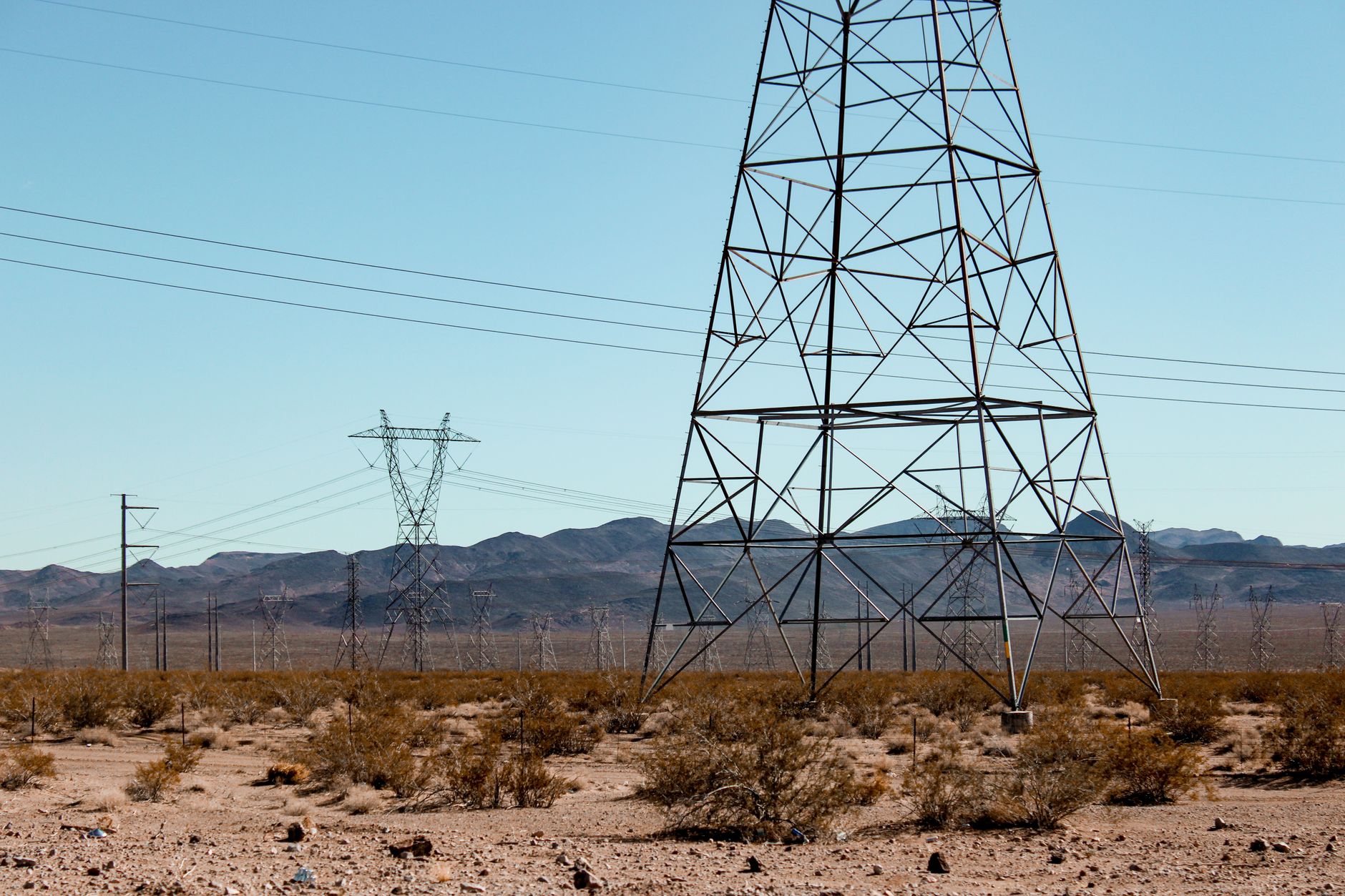
The nevada energy infrastructure is a complex tapestry of systems that power the state and support its growing economy. From extensive pipelines transporting natural gas and oil, to strategically located fuel terminals acting as vital hubs, each component plays a crucial role. In this article, we’ll explore the various facets of Nevada’s energy landscape, starting with an overview of the state’s energy infrastructure. We’ll dive into the intricacies of pipelines and their significance, followed by an examination of fuel terminals, which serve as the backbone of energy distribution. Next, we’ll provide an overview of power generation in Nevada, highlighting the diverse sources that keep the lights on. Finally, we’ll look at the energy distribution systems that ensure efficiency and reliability. As we look to the future, understanding these elements becomes increasingly important. Join us as we unpack the complete guide to Nevada’s energy infrastructure.
Overview of Nevada’s Energy Infrastructure
What is Nevada’s Energy Infrastructure?
Nevada’s energy infrastructure encompasses a complex network that includes pipelines, fuel terminals, power generation facilities, and energy distribution systems. This infrastructure is designed to support the state’s diverse energy needs, which have been rapidly evolving due to population growth, economic development, and increasing energy demands. With a mix of renewable and non-renewable resources, Nevada plays a crucial role in the broader energy landscape of the Western United States.
As of 2021, Nevada generated approximately 60% of its electricity from renewable sources, primarily solar and geothermal, making it a leader in sustainable energy production. The state’s existing solar capacity has increased significantly over the past decade, reflecting the growing commitment to clean energy initiatives. Additionally, the state is home to an extensive network of power generation facilities, which are complemented by a well-developed energy distribution system that ensures reliable access to electricity for residents and businesses alike.
Importance of Energy Infrastructure in Nevada
Understanding Nevada’s energy infrastructure is more critical now than ever. As the state continues to experience rapid growth, the demand for energy is expected to rise significantly. This growth brings both challenges and opportunities in managing energy resources effectively. The state has set ambitious sustainability goals, aiming to achieve 50% renewable energy generation by 2030 and 100% by 2050. Achieving these targets will require an efficient integration of existing systems and the development of new technologies and infrastructure.
Moreover, the implications of a robust energy infrastructure extend beyond state lines. With Nevada’s strategic location and extensive pipelines connecting it to neighboring states, the state has the potential to become a key player in the regional energy market. As energy demands evolve, the interplay between local generation and distribution capabilities and regional energy needs will be vital for economic stability and growth. Investing in Nevada’s energy infrastructure not only supports sustainability goals but also enhances the state’s resilience against future energy challenges.
For those interested in delving deeper into the components of Nevada’s energy landscape, there are numerous aspects to explore, including the regulatory frameworks, technological advancements, and community impacts that shape the future of nevada energy infrastructure.
Understanding Pipelines in Nevada’s Energy Infrastructure
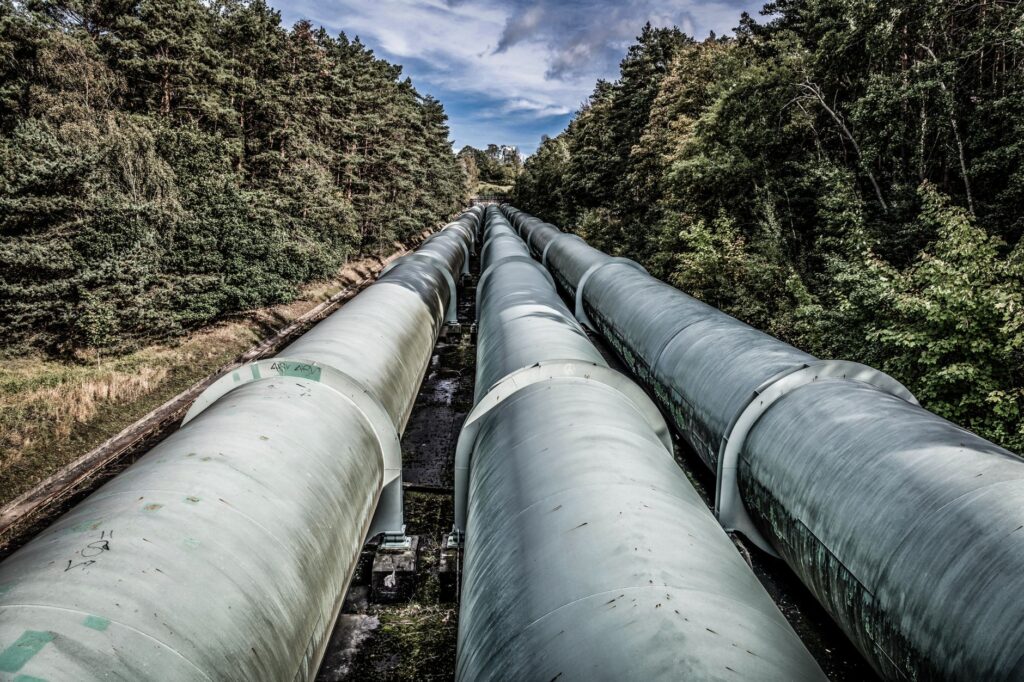
Pipelines are a vital component of Nevada’s energy infrastructure, playing a crucial role in the transportation of fuels and natural gas across the state. As the demand for energy continues to grow, understanding how these pipelines operate and their regulatory context is more important than ever. With the increasing focus on sustainability and environmental impact, the way we manage these resources has far-reaching implications for both the economy and the environment.
Types of Pipelines
There are several types of pipelines within Nevada’s energy landscape, each serving specific purposes. Primarily, these include:
- Natural Gas Pipelines: These pipelines transport natural gas from extraction sites to consumers, homes, and businesses, ensuring a steady supply for heating and energy needs.
- Liquid Fuel Pipelines: These pipelines carry refined petroleum products, like gasoline and diesel, from refineries to fuel terminals, where they are distributed to service stations and other facilities.
- Water Pipelines: While not directly energy-related, these pipelines support the energy sector by providing water for cooling in power generation plants.
The integration of these pipelines into the larger framework of energy distribution is essential for efficient power generation and reliable access to fuel resources across Nevada.
Regulatory Framework and Safety Measures
Ensuring the safety and environmental integrity of these pipelines is governed by a comprehensive regulatory framework. The Pipeline and Hazardous Materials Safety Administration (PHMSA) enforces strict safety standards, requiring regular inspections and maintenance to prevent leaks and accidents. Additionally, state regulations, such as those from the Nevada Public Utilities Commission, provide oversight tailored to local conditions and risks.
Environmental considerations are also paramount. Pipeline operators must conduct environmental assessments before construction and adhere to measures designed to mitigate impacts on local ecosystems. This regulatory environment helps ensure that the nevada energy infrastructure not only meets current energy demands but does so in a sustainable and responsible manner.
As Nevada continues to evolve its energy strategies, understanding the role of pipelines will be crucial for future developments in energy distribution and renewable integration. Paul For Nevada Renewable Energy Initiatives Explained
Fuel Terminals: The Backbone of Nevada’s Energy Infrastructure
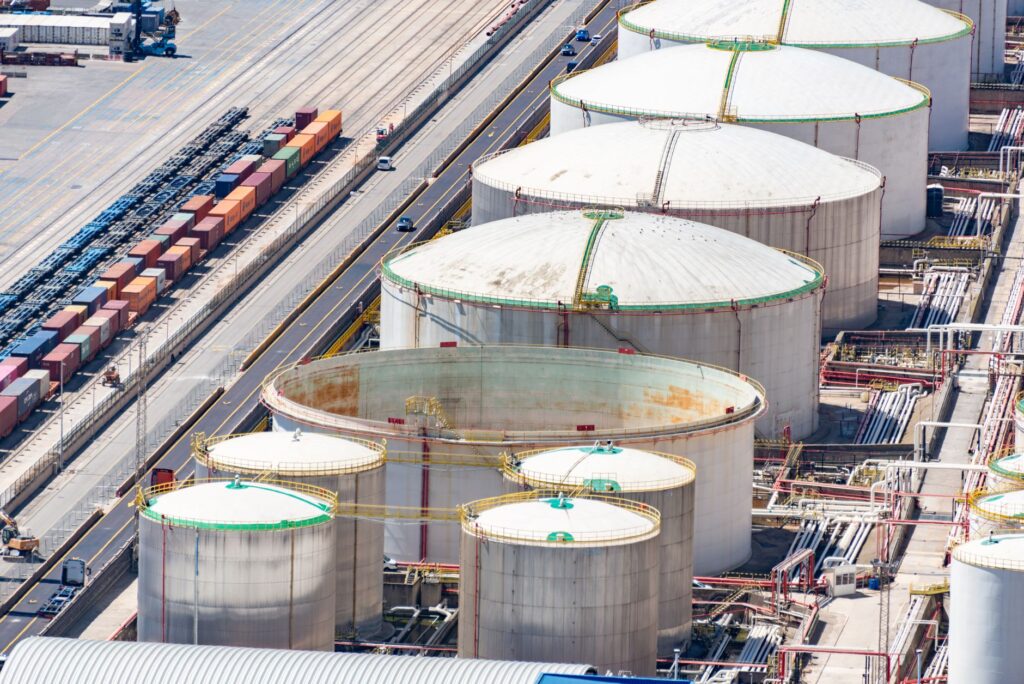
Fuel terminals play a crucial role in the nevada energy infrastructure, acting as pivotal hubs for the storage and distribution of energy resources. These facilities ensure that fuels such as gasoline, diesel, and jet fuel are readily available for consumption across the state. As Nevada continues to evolve its energy landscape, the significance of these terminals becomes even more pronounced amid growing demands for reliable energy distribution.
Key Fuel Terminals in Nevada
Several major fuel terminals are strategically located throughout Nevada, including the Las Vegas Valley and Reno areas. One prominent facility is the NV Energy’s terminal in North Las Vegas, which supports both residential and commercial power generation. Additionally, the Reno-Tahoe International Airport features a significant fuel operation that caters to aviation needs, reflecting the diverse requirements of energy distribution in the state.
These terminals are not only vital for conventional fuels but also play a key role in integrating renewable energy solutions, as Nevada pushes for a more sustainable energy future. However, the infrastructure must continually adapt to support the state’s ambitious renewable energy targets.
Challenges Facing Fuel Terminals
Despite their importance, fuel terminals in Nevada face several challenges. Capacity constraints can impede the ability to meet growing demand, especially during peak seasons. Regulatory compliance adds another layer of complexity, as terminals must navigate a landscape of state and federal regulations that govern fuel storage and environmental safety.
Furthermore, environmental impacts, such as emissions and potential spills, raise concerns among communities and policymakers. Addressing these challenges is crucial for maintaining the reliability and safety of Nevada’s energy distribution network. As the state looks to the future, enhancing the efficiency and sustainability of fuel terminals will be essential for a resilient nevada energy infrastructure.
Power Generation in Nevada: An Overview
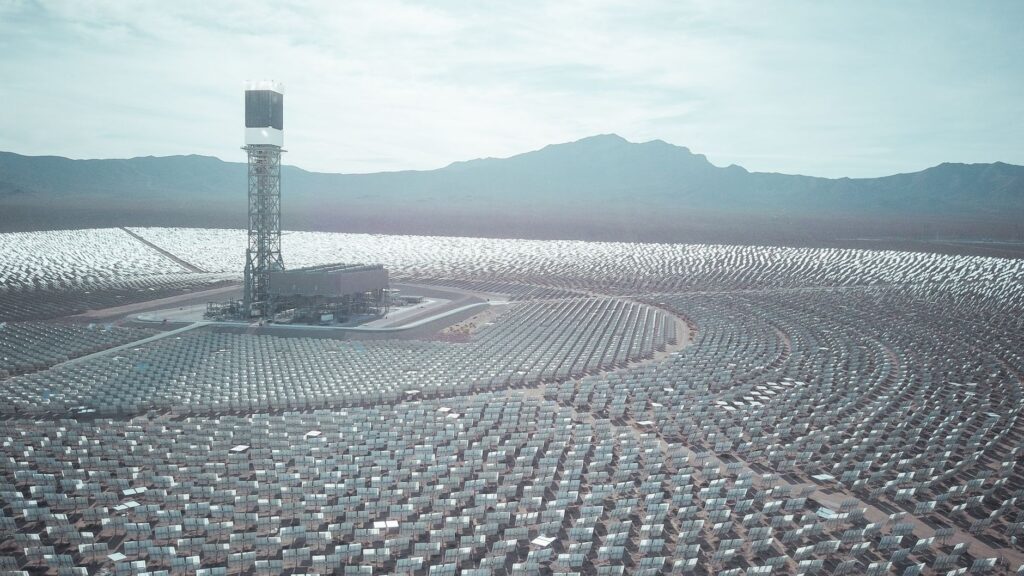
Nevada’s energy landscape is evolving rapidly, making power generation a focal point in discussions about the state’s nevada energy infrastructure. As the demand for cleaner energy sources increases, Nevada is uniquely positioned to lead the charge, thanks to its abundant natural resources and innovative policies. This matters now more than ever, as the state commits to boosting renewable energy capacity while balancing traditional energy production methods.
Renewable Energy Sources and the Future of Nevada Energy Infrastructure
Nevada is a powerhouse for renewable energy, especially in solar and wind sectors. The state boasts some of the highest solar irradiance levels in the nation, making solar energy a key component of its power generation strategy. Currently, solar accounts for nearly 30% of the state’s electricity generation, with ambitious goals to increase this share even further. Wind energy is also gaining traction, contributing about 6% to the overall energy mix. These renewable sources are essential not only for reducing greenhouse gas emissions but also for diversifying the nevada energy infrastructure.
Additionally, Nevada has initiated programs aimed at expanding energy storage capabilities, which are vital for managing the intermittent nature of renewable energy. This shift towards renewables is anticipated to reshape energy distribution and create a more resilient grid, ultimately benefiting consumers and the environment alike.
Traditional Energy Production in Nevada
While the focus on renewables is significant, traditional energy production still plays a role in Nevada’s energy portfolio. Natural gas remains a dominant source, accounting for about 60% of the state’s electricity generation. However, as the state seeks to reduce its reliance on fossil fuels, coal usage has declined sharply and is now minimal. The transition reflects broader trends in energy consumption and production, driving investments in energy distribution systems that can accommodate a more diverse energy mix.
This shift has implications for the state’s infrastructure, particularly regarding pipelines and fuel terminals that must adapt to changing energy demands. As Nevada pushes towards a greener future, the interplay between renewable and traditional energy methods will be critical to achieving energy independence and sustainability.
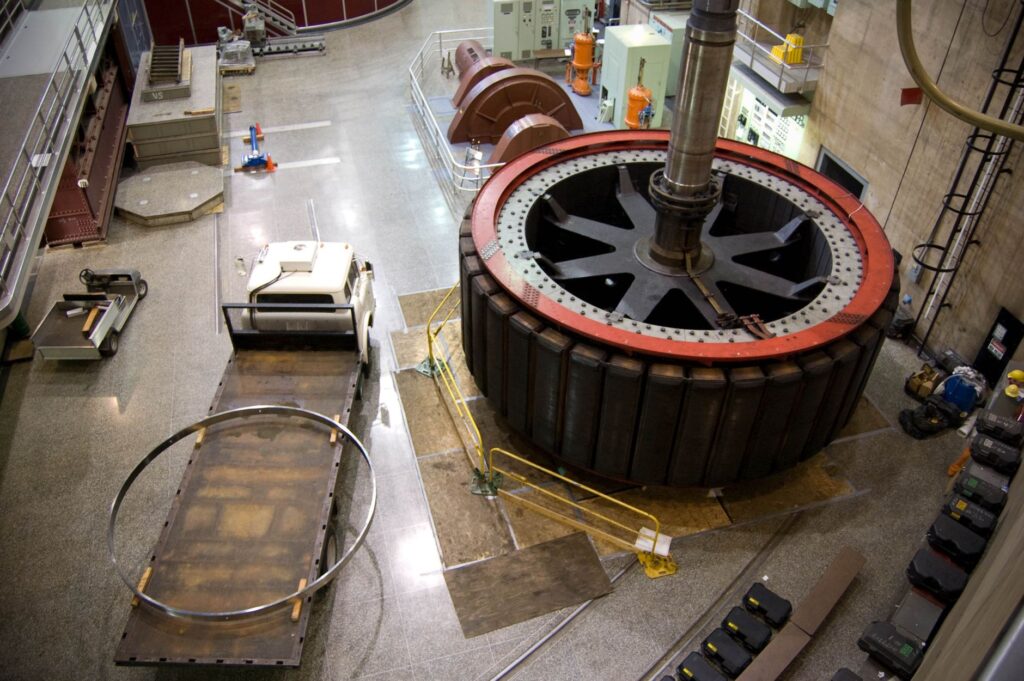
the future of Nevada’s power generation is not just about transitioning to renewables; it’s about creating a balanced and sustainable energy ecosystem. The continued evolution of the nevada energy infrastructure will be instrumental in shaping the state’s energy landscape for years to come. Nevada Energy Independence: A Future Within Reach?
Energy Distribution Systems in Nevada
Nevada’s energy infrastructure is pivotal in delivering electricity to millions across the state. The current energy distribution systems are intricate, ensuring that power generated from various sources reaches consumers efficiently. This is increasingly important as Nevada continues to grow, with rising energy demands and a commitment to sustainability.
How Energy is Distributed
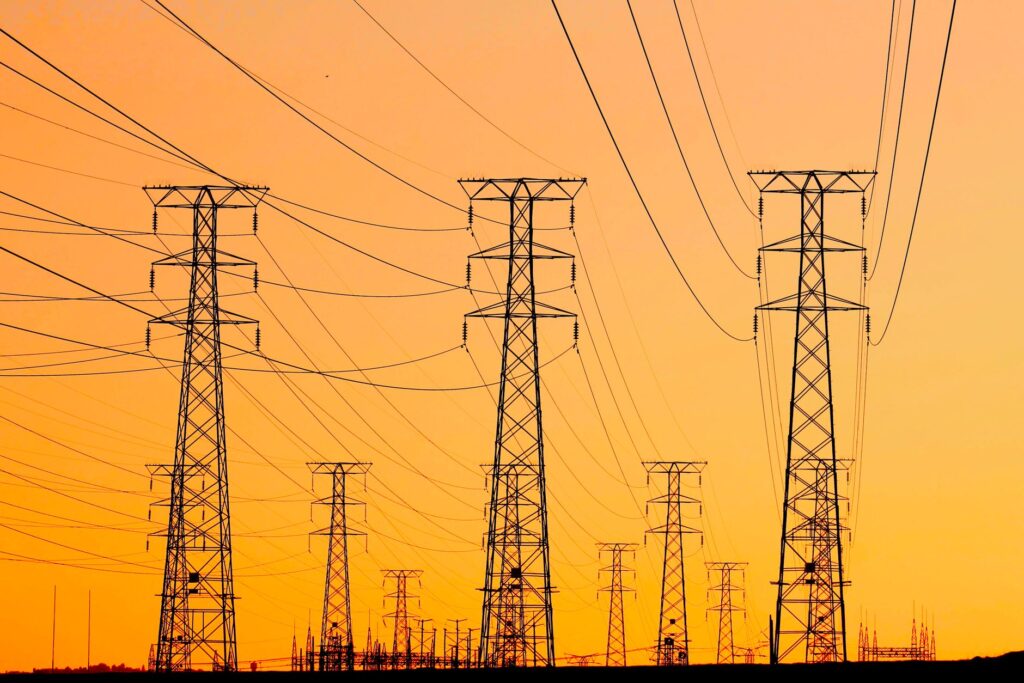
Electricity in Nevada is primarily distributed through an extensive network of transmission lines and substations. Power generation facilities, including renewable sources like solar and wind, feed into this network. Once electricity is generated, it travels through high-voltage transmission lines, which minimize energy loss over long distances. Substations then step down the voltage for local distribution, allowing electricity to flow safely into homes and businesses.
Additionally, Nevada relies on fuel terminals and pipelines to support its energy infrastructure, particularly for natural gas. The state is linked to neighboring regions through these pipelines, ensuring a steady supply of fuel for power generation. This interconnectedness not only enhances reliability but also allows for a more strategic approach to energy management, especially during peak demand periods.
Future Developments in Energy Distribution
Looking ahead, Nevada’s energy distribution landscape is set to evolve significantly. Innovations in smart grid technology promise to enhance efficiency and reliability. These systems will enable real-time monitoring and management of electricity flow, which can help prevent outages and optimize resource use.
Moreover, ongoing infrastructure projects aim to expand and modernize existing distribution networks. Initiatives like improved energy storage solutions and investments in renewable energy integration will further bolster the nevada energy infrastructure. As these advancements unfold, they not only promise to make energy distribution more efficient but also align with Nevada’s goals for sustainability and reduced carbon emissions.
The implications of these developments are far-reaching. They could potentially lower energy costs for consumers and businesses while enhancing the state’s resilience against energy shortages. As Nevada positions itself as a leader in clean energy, the evolution of its energy distribution systems will be critical for meeting future demands and sustainability goals.
For further insights on Nevada’s energy landscape, consider exploring Understanding Nevada Energy Regulations for Businesses and Nevada Energy Report 2026: Key Insights and Trends.
The Future of Nevada’s Energy Infrastructure
Trends and Innovations in Nevada Energy Infrastructure
The landscape of Nevada’s energy infrastructure is evolving rapidly, driven by trends in technology and sustainability. One of the most notable advancements is the integration of smart grid technology, which enhances the efficiency and reliability of energy distribution. Smart grids utilize real-time data to optimize electricity flow, reducing waste and improving the resilience of the power generation system. This technology is not only beneficial for large-scale operations but also empowers residents and businesses to manage their energy usage more effectively.
Additionally, Nevada is embracing renewable energy sources, such as solar and wind, to diversify its energy portfolio. With abundant sunshine and favorable wind conditions, the state has made significant investments in solar farms and wind parks, positioning itself as a leader in sustainable energy. This transition is crucial, as it aligns with global efforts to reduce carbon emissions and combat climate change. As these renewable projects expand, they will further influence the state’s energy distribution networks and enhance energy security.

Policy Implications for Nevada’s Energy Infrastructure
The future of Nevada’s energy infrastructure is also heavily influenced by state and federal policies. Legislative measures aimed at promoting clean energy can accelerate the development of pipelines, fuel terminals, and other essential infrastructure components. For instance, the Biden administration’s focus on renewable energy investment may open up funding opportunities for local projects, potentially leading to job creation and economic growth within the state.
Moreover, as California’s stringent environmental regulations set a precedent, Nevada could adopt similar policies to improve its energy framework. This shift could encourage businesses to invest in cleaner technologies and may also enhance the overall sustainability of Nevada’s energy infrastructure. As these policies take shape, residents and businesses should stay informed about how changes may affect energy costs and availability, making it crucial to engage with local energy initiatives and community programs.
For those looking to stay ahead in this evolving landscape, understanding these trends and policies will be essential. The implications for Nevada’s energy infrastructure are profound, promising a future that is not only more sustainable but also more resilient and economically advantageous for all Nevadans. Nevada Oil and Gas Industry Outlook for 2026
Understanding Nevada’s energy infrastructure is crucial for both residents and businesses as it shapes the state’s economy and environmental impact. With a comprehensive network of pipelines, fuel terminals, and power generation facilities, Nevada not only supports local energy needs but also contributes to the larger energy distribution landscape in the West. The balance between sustainable practices and energy demands highlights the importance of continuous improvement in this sector.
As you explore the intricacies of Nevada’s energy infrastructure, consider how your choices can influence the future. By staying informed about advancements in energy technology and participating in local initiatives, you can play a part in shaping a more sustainable energy future. Dive deeper into this topic, engage with community programs, or simply keep an eye on developments in energy policy to stay connected with the evolving landscape.
“`html
What is the current state of Nevada’s energy infrastructure?
Nevada’s energy infrastructure is evolving rapidly, driven by a mix of traditional and renewable energy sources. The state has made significant investments in solar and wind energy, contributing to its goal of achieving 50% renewable energy by 2030. Despite this progress, challenges remain, such as aging transmission lines and the need for better energy storage solutions. Overall, the current state reflects a commitment to modernization and sustainability, aligning with the broader trends in the national energy landscape.
How do pipelines contribute to Nevada’s energy needs?
Pipelines play a crucial role in Nevada’s energy infrastructure by transporting natural gas, crude oil, and refined products across the state. These pipelines ensure a steady supply of energy resources to power plants and consumers. They also support economic growth by facilitating energy exports and helping to stabilize local markets. With the push for cleaner energy, there is an ongoing discussion about integrating more sustainable energy sources into the existing pipeline network.
What are the major fuel terminals in Nevada?
Nevada hosts several major fuel terminals that are essential for the state’s energy infrastructure. Notable terminals include the Las Vegas Terminal and the Reno Terminal, which serve as key distribution points for gasoline, diesel, and jet fuel. These facilities are strategically located to support both local demand and supply needs, ensuring that fuel reaches various sectors efficiently. Their operations are vital for maintaining energy security and reliability in the region.
How is power generated in Nevada?
Power generation in Nevada comes from a diverse mix of sources, including hydroelectric, natural gas, solar, and geothermal energy. The state is particularly known for its abundant solar resources, which contribute significantly to the energy grid. Additionally, Nevada’s geothermal plants harness the earth’s heat, providing a reliable source of renewable energy. This varied approach not only supports the state’s energy needs but also aligns with its goals for sustainable development and reduced carbon emissions.
What challenges does Nevada face in energy distribution?
Nevada’s energy distribution faces several challenges, including aging infrastructure, regulatory hurdles, and the need for enhanced capacity to accommodate growing energy demand. The state’s vast geography can complicate the efficient distribution of energy resources. Additionally, integrating renewable energy sources into the existing grid poses technical and logistical challenges. Addressing these issues is crucial for ensuring a reliable and resilient energy supply for all Nevadans.
What innovations are expected in Nevada’s energy infrastructure?
Innovations in Nevada’s energy infrastructure are focused on enhancing efficiency and sustainability. Key developments include advancements in energy storage technologies, smart grid solutions, and increased utilization of renewable sources like solar and geothermal. The integration of electric vehicle charging stations and microgrid systems is also gaining traction, allowing for localized energy management. These innovations aim to improve energy resiliency, reduce costs, and support Nevada’s commitment to a cleaner energy future.
“`