
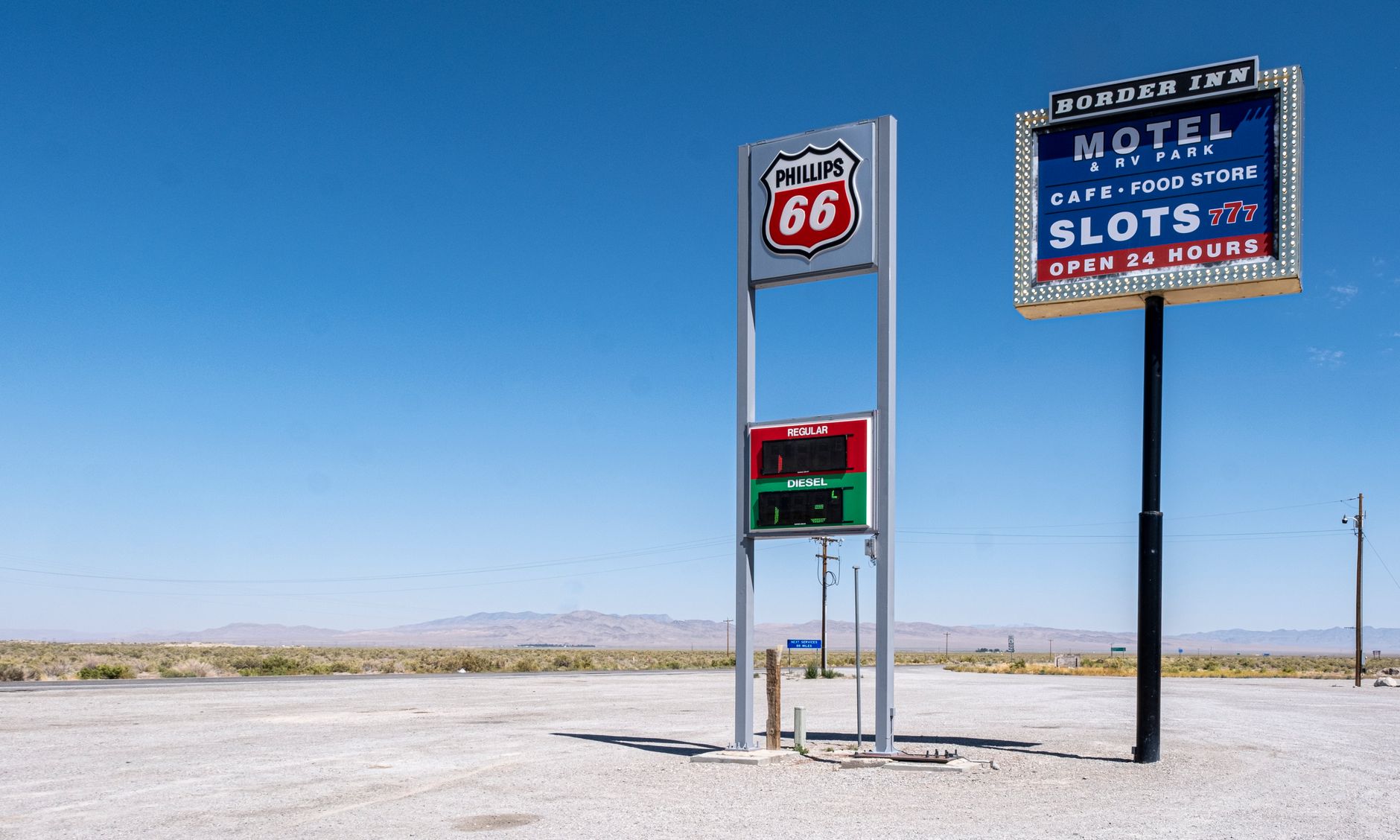
Nevada gas prices often seem to rise at a pace that leaves residents scratching their heads. But why is that? In this article, we’ll delve into the intricacies of Nevada’s fuel costs, examining how various factors contribute to the rising gasoline prices in the state. From understanding the fundamentals of energy economics to the local influences shaping fuel market trends, we aim to provide a comprehensive overview of what drives these fluctuations. We’ll also explore the implications of soaring Nevada gas prices on consumers and the economy at large, and take a look forward to see what the future might hold for fuel pricing in the Silver State. By the end, you’ll have a clearer picture of why Nevada stands out when it comes to fuel costs and what that means for you. For more detailed insights, check out resources like the U.S. Energy Information Administration or NV Energy.
Understanding Nevada Gas Prices and Their Trends
Nevada gas prices have been on the rise, and understanding the reasons behind this trend is crucial for consumers and policymakers alike. As of late 2023, the average price for a gallon of gasoline in Nevada hovers around $4.50, which is notably higher than the national average. This discrepancy raises questions about the factors influencing fuel costs in the Silver State and why prices seem to climb faster here than in neighboring states.
What Factors Drive Fuel Costs in Nevada?
Several elements contribute to the fluctuating fuel costs in Nevada. One significant factor is the state’s geographic location, which affects the supply chain logistics. With limited refineries nearby, Nevada relies on fuel transported from out-of-state, making it vulnerable to supply chain issues. Additionally, the ongoing impacts of energy economics and global oil market conditions can lead to sudden price spikes.
Another important aspect is the state’s tax structure. Nevada has one of the highest gasoline taxes in the nation, which adds to the overall price at the pump. According to the Tax Foundation, the state’s fuel tax contributes significantly to the retail price, further exacerbating disparities compared to other states.
Comparing Nevada Gasoline Prices to Other States
When comparing Nevada gasoline prices to those of neighboring states such as California and Arizona, the differences become clear. For instance, California typically has higher prices due to stricter environmental regulations and taxes. However, Nevada’s prices have been rising at a quicker rate, making them more comparable to California’s in recent months. As of now, Arizona boasts lower average gas prices, often around $4.00 per gallon, highlighting the competitive landscape of fuel market trends in the region.
This rising trend in Nevada gas prices not only affects consumers but also has broader implications for the state’s economy. Higher fuel costs can lead to increased transportation expenses, impacting everything from goods pricing to tourism, a vital economic driver in Nevada. As these prices continue to evolve, understanding the underlying factors will be vital for all stakeholders involved.

The Role of Energy Economics in Fuel Pricing
Nevada Gas Prices: Supply and Demand Dynamics
Understanding the principles of energy economics is crucial for grasping why Nevada gas prices tend to rise more quickly than in other states. At the heart of this concept are the dynamics of supply and demand. When demand for gasoline increases, whether due to seasonal travel, population growth, or economic activity, prices often follow suit. Conversely, if supply is constrained due to refinery outages, transportation disruptions, or regulatory changes, it can exacerbate price spikes. In Nevada, a growing population coupled with limited refinery capacity creates a unique scenario where demand often outstrips supply. This imbalance can lead to volatile gasoline prices that fluctuate significantly, particularly during peak travel seasons.
Additionally, local fuel market trends in Nevada reveal that prices can be influenced by nearby states’ pricing strategies and market conditions. For instance, if neighboring California experiences a spike in fuel costs due to increased taxes or environmental regulations, Nevada gas prices may also rise as suppliers adjust their pricing to remain competitive.
Impact of Crude Oil Prices
The fluctuation of crude oil prices plays a pivotal role in determining gasoline prices across the nation, including Nevada. Recently, global oil prices have seen significant volatility, with factors such as geopolitical tensions and OPEC production decisions influencing the market. For example, when crude oil prices rise, the cost of refining and distributing gasoline also increases, which directly impacts local fuel costs. In 2023, crude oil prices surged due to ongoing supply chain challenges, resulting in higher gasoline prices across the United States, including Nevada.
As consumers in Nevada face rising gas prices, understanding these economic principles becomes increasingly important. The relationship between crude oil prices and local fuel prices is a reminder of how interconnected the global energy market is, and how fluctuations can have immediate implications on everyday life. Keeping an eye on these trends not only informs consumers but also policymakers who may need to consider adjustments to taxes or regulations to mitigate the impact of rising fuel costs on residents.
Local Factors Influencing Nevada Fuel Market Trends
State Regulations and Taxes on Fuel: The Impact on Nevada Gas Prices
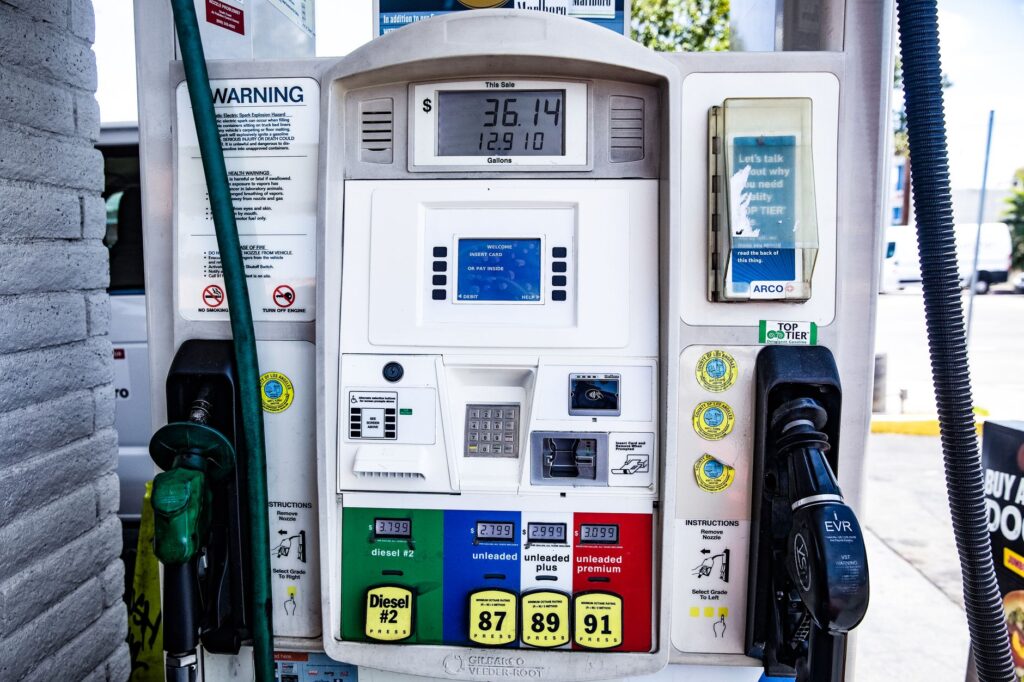
One of the key reasons behind the rising nevada gas prices is the state’s unique regulatory environment and tax structure. Nevada imposes higher fuel taxes compared to many neighboring states. According to the Tax Foundation, Nevada’s gasoline tax is among the highest in the nation, which directly contributes to elevated fuel costs. This tax is compounded by other state fees and environmental regulations that further drive up prices at the pump.
Additionally, state regulations can affect how fuel is distributed and sold. For instance, Nevada’s adherence to more stringent environmental standards can result in a limited supply of certain fuel types, creating additional upward pressure on gasoline prices. When consumers are faced with limited options and higher taxes, the overall cost of fuel increases significantly.
Infrastructure Challenges in the Supply Chain Affecting Nevada Gas Prices
Nevada’s unique geography presents several infrastructure challenges that complicate fuel distribution. The state is largely desert, which means that transportation costs for delivering gasoline to remote areas can be substantial. These logistics issues can delay supply and increase prices, making gasoline prices in Nevada more volatile compared to other regions with more accessible infrastructure. According to the U.S. Energy Information Administration, the combination of these logistical challenges and higher operational costs significantly impacts fuel market trends in the state.
Moreover, the availability of pipeline infrastructure is limited. While neighboring states may have extensive pipeline networks that reduce transportation costs, Nevada’s reliance on trucks for fuel delivery can result in higher prices at the pump. This reliance is especially problematic during peak travel seasons when demand surges, further exacerbating the issue.
With these local factors at play, understanding the nuances of Nevada’s regulatory and infrastructure landscape is crucial for grasping why nevada gas prices are often higher than those of surrounding states. The interplay of state taxes and infrastructure challenges creates a complex environment that drives up fuel costs for consumers.
The Implications of Rising Nevada Gas Prices
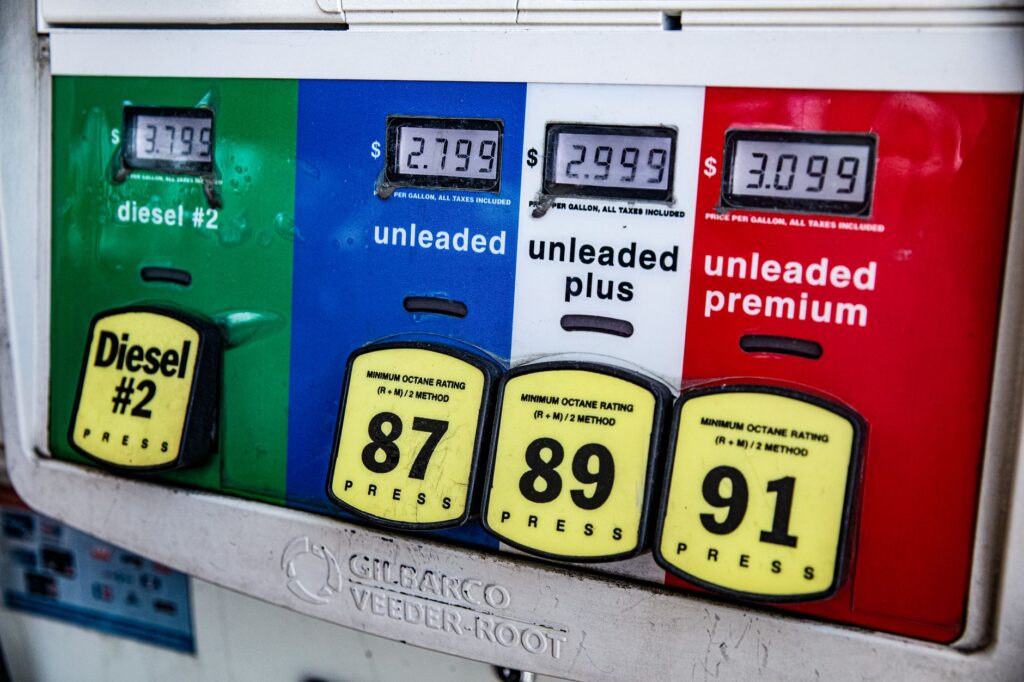
As nevada gas prices continue to climb, the immediate economic implications for residents and businesses are becoming increasingly evident. With fuel costs rising, households across the state are feeling the pinch in their budgets. According to the U.S. Energy Information Administration, Nevada has consistently seen higher gasoline prices than the national average. This trend can strain finances, particularly for families who rely on their vehicles for daily commutes and errands. Businesses, too, are not immune; rising fuel costs can lead to increased operational expenses, affecting everything from transportation to delivery services.
Economic Impact on Residents and Businesses
The impact of elevated gasoline prices is multifaceted. For residents, the increased costs often lead to changes in consumer behavior. Many individuals may opt for carpooling, public transport, or even reconsider long-distance travel plans. Similarly, businesses may adjust their pricing strategies to account for the higher costs of transporting goods, which could ultimately lead to increased prices for consumers. According to a report by the Bureau of Labor Statistics, as fuel prices rise, spending shifts; consumers may cut back on discretionary spending, impacting local businesses and the economy at large.
Long-Term Effects on Energy Consumption and Nevada Gas Prices
Looking ahead, the implications of rising nevada gas prices extend beyond immediate financial strain. Higher gasoline prices can shift energy consumption patterns in the state. As residents seek to mitigate fuel costs, there may be a greater interest in energy-efficient vehicles and alternative modes of transportation. This shift could catalyze a larger trend toward sustainability and influence future energy policies in Nevada. Additionally, changes in the fuel market trends could prompt local governments and businesses to invest more in renewable energy sources, which could reshape energy economics in the region.
the rising costs of gasoline in Nevada not only affect individual budgets but also have broader implications for consumer behavior and energy consumption trends moving forward. Understanding these dynamics is crucial for stakeholders at all levels, from policymakers to local businesses, as they navigate the evolving landscape of fuel prices and energy use.
Looking Forward: The Future of Nevada Gas Prices
Predictions Based on Current Trends for Nevada Gas Prices
As we look ahead, the trajectory of nevada gas prices appears to be influenced by a mix of global oil market dynamics and local factors. Recent trends indicate that gasoline prices may continue to rise due to increased demand post-pandemic and ongoing geopolitical tensions affecting oil supply. According to the Energy Information Administration, the average price of gasoline in the U.S. has surged, and Nevada has often mirrored these national trends but with a steeper incline due to its unique market conditions.
Moreover, factors such as seasonal changes and fluctuating crude oil prices will likely continue to affect fuel costs in Nevada. As tourism peaks in the summer months, demand for fuel generally spikes, pushing prices higher. Analysts predict that if current trends persist, Nevada residents may face continued price increases throughout 2024, unless significant changes occur in the fuel market.
Potential Policy Changes to Address Fuel Costs
In response to rising fuel costs, policymakers in Nevada are exploring various strategies aimed at stabilizing nevada gas prices. One potential avenue is the implementation of renewable energy initiatives, which could reduce reliance on traditional fossil fuels. As part of the state’s commitment to sustainability, Nevada has been investing in solar energy projects that may help to mitigate long-term fuel market trends.
Additionally, improvements in transportation infrastructure are being considered to enhance the efficiency of fuel distribution, which could also help lower prices at the pump. Upgrading roads and public transit systems might not only ease congestion but could also lead to a more competitive fuel market, ultimately benefiting consumers. These initiatives are vital as they align with broader energy economics goals, which aim to create a more resilient and sustainable energy framework for the state.
As Nevada navigates these challenges, staying informed about both market shifts and potential policy changes will be essential for consumers and businesses alike. The future of gasoline prices in Nevada will depend heavily on how these elements evolve over the coming years.

Nevada gas prices are influenced by a unique blend of factors that set them apart from other states. These prices tend to rise more rapidly due to fluctuating fuel costs, which are often driven by regional demand and supply challenges. Understanding the nuances of energy economics in Nevada can help residents make informed decisions when it comes to fueling their vehicles.
Keeping an eye on fuel market trends can provide valuable insights into when to fill up, potentially saving you money in the long run. As gasoline prices continue to evolve, being proactive about your fuel choices can have a significant impact on your budget. For those eager to stay ahead of the curve, consider subscribing to local news channels or online platforms that track real-time fuel updates.
“`html
Why are Nevada gas prices so high right now?
Nevada gas prices are currently high due to several factors including limited refinery capacity, high demand, and the state’s geographical location. The state’s distance from major oil supply sources means increased transportation costs. Additionally, seasonal fluctuations, taxes, and fees specific to Nevada also contribute to higher prices compared to neighboring states. These elements combined create a unique fuel market that often sees prices rise more quickly.
How do fuel costs in Nevada compare to other states?
Fuel costs in Nevada are often higher than the national average due to factors like state taxes and limited local production. While prices vary across the country, Nevada consistently ranks among the states with the highest gasoline prices. For instance, the state’s fuel market trends are influenced by its remote location and reliance on external sources for crude oil, making it more sensitive to changes in global oil prices.
What factors influence gasoline prices in Nevada?
Several factors influence gasoline prices in Nevada, including supply and demand dynamics, transportation costs, and local taxes. The state’s unique energy economics, including its reliance on imported fuel, also plays a crucial role. Environmental regulations and seasonal demand fluctuations further impact pricing. These factors together create a volatile pricing environment that can lead to rapid changes in Nevada gas prices.
Are Nevada gas prices expected to rise further?
While it is difficult to predict exact trends, there are indications that Nevada gas prices may continue to rise. Factors such as increased demand in the summer travel season, potential supply chain disruptions, and ongoing geopolitical tensions can contribute to higher prices. Monitoring the fuel market trends and global oil prices will provide better insights into future price movements.
How do energy economics affect fuel prices in Nevada?
Energy economics significantly affect fuel prices in Nevada through the interplay of supply and demand, production costs, and market competition. Nevada’s unique position, with limited local refineries, leads to a higher dependence on imported fuels. This reliance makes the state vulnerable to fluctuations in global oil markets, impacting overall gasoline prices. Additionally, local policies and taxes further shape the economic landscape of fuel pricing.
What can residents do to mitigate rising fuel costs in Nevada?
Residents can take several steps to mitigate rising fuel costs in Nevada. Using public transportation, carpooling, and using fuel-efficient vehicles can help reduce individual fuel consumption. Keeping vehicles well-maintained can also improve fuel efficiency. Additionally, staying informed about fuel prices and seeking out the best deals can save money. Finally, advocating for alternative energy sources and local production initiatives may contribute to long-term price stability.
“`