

Wondering what is LPG? Liquefied petroleum gas, commonly known as LPG, is a versatile energy source that powers homes, industries, and vehicles around the globe. In this complete guide, we’ll dive into the fundamentals of LPG, exploring how it works and its various applications. You’ll learn about common LPG uses, from cooking and heating to fueling vehicles and industrial processes. We’ll also highlight the benefits of using LPG as an energy fuel, including its efficiency and lower carbon emissions compared to other fossil fuels. Safety considerations when handling LPG are crucial, so we’ll address those as well. Additionally, we will take a closer look at propane, a key component of LPG, through our extensive propane guide. By the end of this article, you’ll have a comprehensive understanding of LPG and its role in fostering a sustainable energy future.
What is LPG and How Does it Work?
Understanding Liquefied Petroleum Gas
So, what is LPG? At its core, liquefied petroleum gas (LPG) is a versatile and efficient energy source primarily composed of two hydrocarbons: propane and butane. These gases are derived from natural gas processing and petroleum refining. The combination of these two components allows LPG to serve a variety of applications, from heating and cooking to fueling vehicles. Its ability to be stored as a liquid under pressure makes it a convenient choice for many consumers and industries alike.
LPG is produced through a process that separates it from natural gas and crude oil. When natural gas is extracted, it contains impurities and heavier hydrocarbons, including propane and butane. These components are then separated and purified, resulting in the LPG we commonly use today. According to the U.S. Energy Information Administration, this method not only streamlines production but also ensures that we have a reliable source of energy fuel for various uses.

The Science Behind LPG
Understanding the properties of LPG is essential to grasp its wide-ranging applications. Its low boiling point allows for easy vaporization, making it ideal for combustion in engines and stoves. When burned, LPG produces a clean flame, emitting fewer pollutants compared to other fossil fuels, enhancing its appeal as an environmentally friendly option. This characteristic is particularly significant as industries and households seek cleaner energy solutions.
However, it’s important to consider some counterpoints. While LPG is cleaner than many other energy fuels, it is still a fossil fuel. The extraction and transportation processes can lead to greenhouse gas emissions. Additionally, safety concerns arise from the flammable nature of LPG, necessitating proper storage and handling practices to prevent accidents. Comprehensive guidelines, such as those provided in the CDC’s propane guide, emphasize the importance of safety measures in using LPG.
the question of “what is LPG” reveals a multifaceted energy source that balances efficiency, convenience, and safety. As we continue to innovate and seek cleaner energy alternatives, understanding the science behind liquefied petroleum gas and its applications will remain crucial in guiding our energy choices.
Common LPG Uses and Applications
Understanding what is LPG goes beyond its definition; it’s essential to appreciate the diverse ways liquefied petroleum gas (LPG) integrates into our daily lives. From cooking and heating to powering vehicles and industrial machinery, LPG is an adaptable energy fuel that serves various sectors effectively.
Residential and Commercial Uses of LPG
In residential settings, LPG is widely favored for cooking and heating. Many households rely on LPG gas stoves for culinary needs, while gas heaters provide warmth during colder months. According to the U.S. Energy Information Administration, around 5% of U.S. homes utilize LPG, a number that reflects its popularity as a reliable energy source.
Commercially, LPG is a staple in restaurants and catering services, where it powers ovens, grills, and other kitchen equipment. Its quick heating properties make it a preferred choice for chefs aiming for efficiency and quality. However, it’s important to address safety concerns; proper storage and handling are vital to prevent accidents. According to the National Fire Protection Association, adherence to safety standards can significantly mitigate risks associated with LPG use.
Industrial Applications of LPG
LPG’s versatility extends into the industrial sector as well. Industries utilize liquefied petroleum gas for heating, powering machinery, and as a feedstock for chemical processes. For example, the petrochemical industry relies heavily on LPG as a raw material for producing products like plastics and solvents. The Institution of Chemical Engineers indicates that LPG’s efficiency and lower emissions compared to other fossil fuels make it a preferable choice in many manufacturing processes.
Additionally, LPG is gaining traction as a fuel for vehicles, particularly in countries striving for reduced emissions. This shift is supported by studies from the Environmental Protection Agency, which highlight the benefits of using LPG as a cleaner alternative for transportation. While some argue that electric vehicles are the future, the infrastructure for LPG is already well-established, making it a practical choice for many businesses and consumers today.
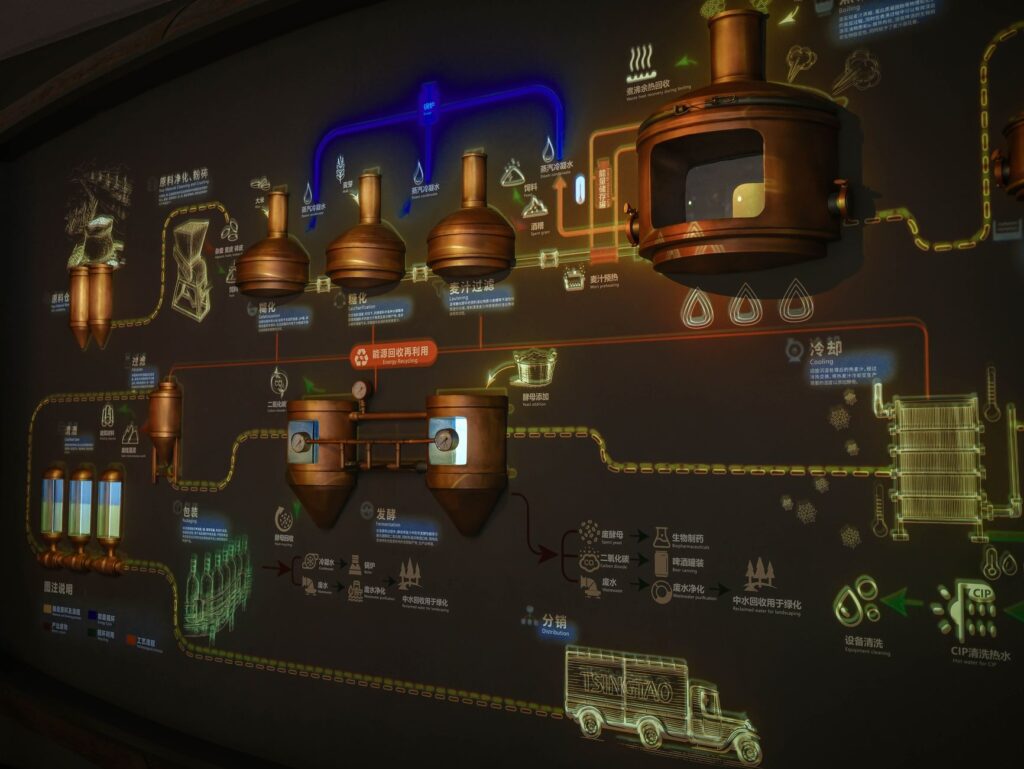
the numerous LPG uses in both residential and industrial contexts underscore its importance as an energy fuel. By understanding what is LPG, we can appreciate not only its applications but also the safety standards that accompany its use. As we continue to pursue cleaner energy solutions, LPG stands out as a viable option that caters to various needs while supporting sustainability efforts.
The Benefits of Using LPG as an Energy Fuel
When exploring energy options for your home or business, understanding what is LPG can dramatically shape your choices. Liquefied petroleum gas (LPG) offers numerous advantages, particularly in terms of environmental impact and cost-effectiveness. The debate over energy fuels is ongoing, but LPG stands out as a clear winner for many reasons.
Environmental Benefits of LPG
One of the most compelling arguments for using LPG is its lower emissions compared to traditional fossil fuels. According to the U.S. Energy Information Administration, LPG generates significantly fewer greenhouse gases than coal or oil. For instance, propane, a key component of LPG, produces up to 60% less carbon dioxide than coal when burned. This reduction in emissions helps combat climate change, making LPG an eco-friendlier choice for heating and cooking.
Moreover, LPG burns cleaner than other fossil fuels, resulting in fewer pollutants released into the air. This means less smog and better air quality for communities relying on this energy source. The National Propane Gas Association emphasizes that the shift towards LPG can lead to healthier living environments, which is a crucial consideration for many households.
Cost-Effectiveness of LPG
Affordability is another significant advantage of using LPG as an energy fuel. The EIA reports that LPG prices tend to be more stable compared to gasoline and diesel, making budgeting easier for consumers. Additionally, because LPG is highly efficient, it provides more energy per unit than many other fuels, leading to lower overall consumption and costs.
In many cases, the installation of LPG systems is less complex and, therefore, less expensive than electric systems. This efficiency means that homeowners can enjoy significant savings over time. While some may argue that the initial setup for LPG can be higher than electric alternatives, the long-term savings in both energy costs and maintenance often outweigh these upfront expenses.
the benefits of using LPG as an energy fuel are clear. With its lower emissions and cost-effectiveness, it presents a viable alternative to traditional energy sources. As more people become aware of what is LPG and its advantages, it’s likely that the demand for this cleaner energy solution will continue to grow.

Safety Considerations When Using LPG
When discussing what is LPG, it’s vital to address safety considerations associated with its use. Liquefied petroleum gas (LPG) is a versatile energy fuel used in households and industries alike. However, despite its many benefits, improper handling can pose significant risks. Understanding and following safety protocols is essential for anyone using this powerful energy source.
Understanding LPG Safety Protocols
To ensure safe usage of LPG, it’s crucial to adhere to established safety protocols. First, always store LPG cylinders in a well-ventilated area away from direct sunlight and heat sources. This minimizes the risk of pressure build-up and potential leaks. Regular checks on hoses and fittings for signs of wear and tear can prevent leaks. Furthermore, using an LPG-specific regulator helps maintain optimal pressure, enhancing safety during use.
- Always keep cylinders upright and secured to prevent tipping.
- Ensure that you are using appliances designed for LPG.
- Never attempt to repair leaks yourself; contact a professional.
For specific guidelines, organizations like the National Fire Protection Association (NFPA) and the Propane Education & Research Council provide comprehensive safety resources that can be invaluable to both residential and commercial users. For more detailed safety protocols, refer to the NFPA website.
Emergency Response for LPG Leaks
Despite taking precautions, accidents can happen. Knowing how to respond in the event of an LPG leak is crucial. If you suspect a leak, evacuate the area immediately and avoid using electrical switches or open flames, which could ignite the gas. Contact emergency services or a qualified technician right away. Proper training in emergency response can save lives and minimize property damage.
Incorporating these safety practices when using liquefied petroleum gas will not only enhance your safety but also enrich your understanding of what is LPG and its uses. By being proactive and informed, you can enjoy the benefits of LPG while ensuring a secure environment for yourself and those around you.
Understanding Propane: A Key Component of LPG
What is Propane and How Does it Compare to LPG?
When discussing liquefied petroleum gas (LPG), it’s essential to clarify its components, particularly propane. So, what is LPG? It’s a mixture of propane and butane, both of which are gases at room temperature but transform into liquids under pressure. Propane is a major player in this mix, often found in both residential and commercial applications. But how does it compare to LPG? The key difference lies in their composition; while LPG consists of both propane and butane, propane can stand alone as a fuel source. This distinction is crucial for understanding the broader applications and benefits of propane.
Propane Guide: Benefits and Uses
Propane is more than just a component of LPG; it’s a versatile energy fuel in its own right. One of the primary benefits of propane is its efficiency. It produces a high energy output while emitting fewer greenhouse gases compared to other fossil fuels. This makes it an attractive option for various lpg uses, from heating homes to fueling vehicles and powering industrial processes. In fact, according to the Propane Education & Research Council, propane can reduce carbon emissions by up to 25% compared to coal and 15% compared to heating oil.
Moreover, propane is easily transportable and can be stored in pressurized tanks, making it a practical choice for areas without natural gas infrastructure. Its ability to burn cleanly means it’s also a favorite among environmentally conscious consumers.
However, some argue that the reliance on propane, while beneficial, may lead to increased demand for fossil fuels over renewable energy sources. Critics emphasize the need for a balanced approach to energy consumption, focusing on sustainable alternatives. Nonetheless, the current capabilities of propane as a reliable energy source cannot be ignored.

understanding propane is vital to grasping what LPG truly is. The individual merits of propane as an independent fuel source demonstrate its importance in today’s energy landscape. Whether it’s for heating, cooking, or powering vehicles, propane continues to play a crucial role in various applications, making it indispensable in our quest for effective energy solutions.
Conclusion: Embracing LPG for a Sustainable Future
Understanding what is LPG is essential for anyone contemplating energy solutions that are both efficient and environmentally friendly. As we’ve explored in this guide, liquefied petroleum gas is not just a versatile energy fuel; it presents a compelling case for a sustainable future. With its wide array of lpg uses, ranging from heating and cooking to automotive fuel, LPG stands as a practical alternative against more carbon-intensive fuels.
One of the most significant benefits of LPG is its lower carbon emissions compared to traditional fossil fuels. For instance, according to the EPA, LPG emits significantly fewer greenhouse gases than gasoline or diesel. While some argue that the extraction and transportation of LPG can also have environmental impacts, the overall lifecycle emissions are still more favorable than those of many other energy sources.
Moreover, the global shift toward renewable energy does not negate the role of LPG. It can serve as a transitional fuel, offering a cleaner alternative while we transition to fully renewable energy systems. The International Energy Agency suggests that the demand for LPG will continue to grow, especially in developing regions where access to cleaner energy is still limited.
As we consider our energy futures, embracing LPG could be a significant step toward sustainability. It is vital for consumers and policymakers alike to recognize the advantages of liquefied petroleum gas and to incorporate it into their energy strategies. By doing so, we not only improve air quality and reduce emissions but also take a step towards a more sustainable and responsible energy economy. The time has come to explore what is LPG and its potential role in shaping a cleaner, greener world.
Understanding what is LPG opens the door to the many benefits of liquefied petroleum gas. This versatile energy fuel is not only efficient but also eco-friendly, making it a popular choice for various applications, from heating and cooking to powering vehicles. The EPA highlights how LPG can significantly reduce emissions compared to other fossil fuels, aligning with the growing demand for sustainable energy solutions.
If you’re considering transitioning to LPG for your home or business, exploring a propane guide can be incredibly helpful. You’ll discover various LPG uses and how they can enhance your energy efficiency. Whether you’re looking to use it for outdoor grilling or as a primary heating source, understanding the fundamentals of liquefied petroleum gas will empower you to make informed decisions. So, why not take the next step and investigate local suppliers or services that can help you harness the benefits of this remarkable energy source?
“`html
What is LPG and how is it used?
LPG, or liquefied petroleum gas, is a flammable hydrocarbon gas commonly used as an energy fuel. Comprised mainly of propane and butane, LPG is stored under pressure in liquid form and vaporizes when released. Its versatility allows it to be used in various applications, including heating, cooking, and powering vehicles. LPG is also popular for industrial uses and as a feedstock in the petrochemical industry. For more details, check our guide on LPG uses.
Is liquefied petroleum gas safe to use?
Liquefied petroleum gas is generally safe when handled and stored properly. It is odorless, but an odorant is added for leak detection. Users should follow safety guidelines, including regular inspections of gas appliances and storage tanks. In case of a leak, it is crucial to ventilate the area and avoid ignition sources. Familiarizing yourself with emergency procedures can further enhance safety. For more information, visit NFPA’s safety guidelines.
What are the environmental benefits of LPG?
LPG is considered a cleaner alternative to other fossil fuels, producing fewer greenhouse gas emissions when burned. It generates less carbon dioxide and particulate matter than coal or heating oil, making it a more environmentally friendly energy source. Additionally, LPG can replace more polluting fuels in various applications, contributing to better air quality. Transitioning to LPG can also help meet local and global environmental standards. Learn more about its benefits at EPA’s website.
How does LPG compare to natural gas?
LPG and natural gas are both popular energy fuels but differ in composition and applications. LPG primarily consists of propane and butane, while natural gas is mostly methane. LPG has a higher energy content per unit volume, making it more efficient for heating and cooking. However, natural gas is often cheaper and more widely available through pipelines. Both fuels can be used for similar purposes, but the choice depends on availability and specific needs. For a deeper comparison, refer to EIA’s insights.
What are the primary uses of propane?
Propane, a key component of LPG, is used in various applications. It is widely employed for heating homes, cooking, and hot water systems. Additionally, propane is utilized in agricultural settings for crop drying and as a fuel for forklifts and other machinery. Its portability makes it ideal for outdoor activities, including barbecuing and camping. Propane’s versatility ensures its continued popularity in both residential and commercial sectors. For further reading, check our Propane Guide.
Can LPG be used for vehicles?
Yes, LPG can be used as a fuel for vehicles, commonly referred to as autogas. Many vehicles can be converted to run on LPG, which provides a cleaner alternative to gasoline or diesel. Using LPG can result in reduced emissions and lower fuel costs. Additionally, many countries promote LPG as a viable option to decrease air pollution from transportation. For more information on LPG vehicles, visit AFDC’s resources.
“`