
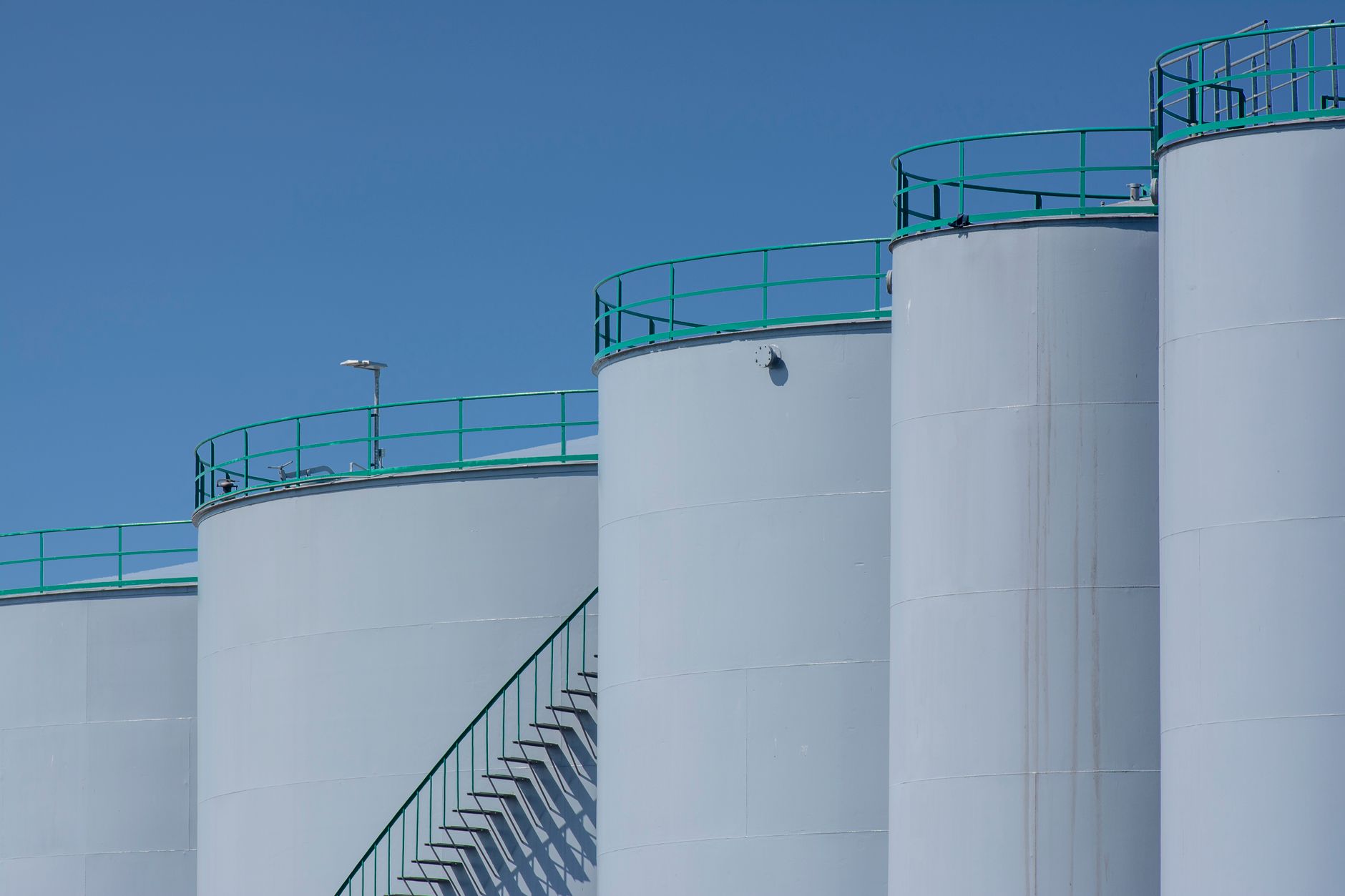
The strategic petroleum reserve plays a critical role in national energy security, acting as a safeguard against potential oil supply disruptions. But what exactly is a strategic petroleum reserve, and how does it function as an emergency fuel supply? In this article, we will explore the fundamentals of strategic petroleum reserves, their importance in maintaining energy security, and the ongoing debates surrounding their necessity. We will also delve into the management of oil reserves and consider future challenges and opportunities that lie ahead for these vital resources. Whether you’re concerned about rising oil prices or interested in how governments prepare for energy crises, understanding strategic petroleum reserves is essential in today’s rapidly changing energy landscape. Join us as we unpack the complexities of this vital aspect of energy policy and discuss the strategic petroleum reserve’s ongoing relevance in ensuring a stable and secure energy future. For more on energy security frameworks, visit this resource.
Understanding Strategic Petroleum Reserves for Energy Security
The Origins of the Strategic Petroleum Reserve
The strategic petroleum reserve (SPR) was established in response to the 1973 oil crisis, a period marked by severe oil supply disruptions and skyrocketing prices. This crisis highlighted the vulnerabilities of the U.S. economy, which was heavily reliant on foreign oil. As a result, the SPR was created to provide an emergency fuel supply, ensuring that the country could withstand future disruptions in oil availability.
Initially, the reserve aimed to store enough crude oil to cover 90 days of U.S. imports. Today, it serves as a critical buffer against geopolitical tensions, natural disasters, and other unforeseen disruptions. The reserves not only help stabilize the oil market but also bolster national energy security by reducing dependence on foreign resources. The reserve is primarily located in underground salt caverns along the Gulf Coast, with significant facilities in Texas and Louisiana.
Current State of Oil Reserves
As of now, the SPR holds approximately 638 million barrels of oil, making it the largest government-owned stockpile of crude oil in the world. This vast quantity provides a significant cushion and reassurance for the U.S. economy during times of crisis. The importance of these oil reserves cannot be overstated, especially given the volatile nature of global oil markets.
However, some critics argue that the SPR is underutilized or mismanaged. They contend that tapping into the reserve should be reserved for extreme circumstances, while others advocate for more proactive use during price spikes to stabilize the market. The debate continues on how best to utilize this crucial asset without compromising the long-term goal of energy security.

Ultimately, the strategic petroleum reserve is a vital component of the United States’ energy strategy. It symbolizes the country’s commitment to maintaining a stable and secure energy supply, even in the face of global challenges. Balancing the use of these reserves with sustainable energy practices will be essential for future energy security.
The Role of the Strategic Petroleum Reserve in Energy Security
How Reserves Address Supply Disruptions
The strategic petroleum reserve (SPR) serves as a vital buffer against the unpredictable nature of global oil markets. Geopolitical tensions, natural disasters, and supply chain disruptions can severely impact the availability of oil, leading to spikes in prices and economic instability. By maintaining a substantial reserve of crude oil, the SPR enables a nation to mitigate these risks, ensuring a more stable energy supply. For example, during the 1973 oil crisis, the U.S. relied on the SPR to stabilize the market and protect its economy from the effects of an oil embargo. This historical context underscores the importance of having robust oil reserves, as they act as a safeguard against unforeseen circumstances that could otherwise cripple energy security.
The Strategic Petroleum Reserve as an Emergency Fuel Supply
In times of crisis, the strategic petroleum reserve functions as an emergency fuel supply, allowing a country to respond swiftly to disruptions. Whether it’s a natural disaster like Hurricane Katrina or geopolitical upheaval in oil-producing regions, the SPR can be tapped to release oil into the market, helping to maintain supply and stabilize prices. This capability is not just a reactive measure; it also serves as a deterrent against potential aggressors who may seek to exploit vulnerabilities in a nation’s energy infrastructure. The mere existence of the SPR fosters a sense of security among consumers and businesses alike, reinforcing the idea that the government is prepared to take action to protect its citizens from energy shortages.
Despite its critical role, some may argue that relying too heavily on the strategic petroleum reserve could lead to complacency in energy policy. However, it is essential to view the SPR not as a crutch, but rather as a strategic asset that complements broader efforts to achieve energy independence and sustainability. By investing in renewable energy sources and diversifying our energy portfolio, we can further enhance national energy security while still recognizing the importance of maintaining a robust reserve for emergencies.
The strategic petroleum reserve is more than just a stockpile of oil; it is a cornerstone of national energy security that helps navigate the complexities of global energy markets. By understanding its role and advocating for its continued relevance, we can ensure that the SPR remains a key player in safeguarding our energy future.

Debate Over the Necessity of Strategic Petroleum Reserves
The discussion surrounding the necessity of the strategic petroleum reserve is as relevant as ever, especially as the world grapples with fluctuating oil prices and geopolitical tensions. Proponents argue that maintaining such reserves is crucial for national security and economic stability, while critics raise concerns about over-reliance on these reserves and the changing landscape of energy production. This debate is not just about oil; it affects our entire approach to energy security.
Arguments Supporting the Reserve
Advocates for the strategic petroleum reserve highlight its role as a safety net during emergencies. In times of crisis, such as natural disasters or geopolitical conflicts, these reserves can serve as an emergency fuel supply, ensuring that essential services and industries continue to function. For instance, during the Gulf War in the early 1990s, the U.S. tapped into its reserves to stabilize the market and protect consumers from skyrocketing prices. Such historical precedents demonstrate the reserve’s effectiveness in mitigating economic shocks.
Moreover, the strategic petroleum reserve serves a critical function in national security. By having a buffer of oil reserves, countries can reduce their dependence on foreign oil supplies, which often come from politically unstable regions. This self-sufficiency can fortify a nation’s position on the global stage and enhance its bargaining power.
Counterpoints Against the Reserve
On the flip side, critics argue that an over-reliance on strategic petroleum reserves can foster complacency in energy policy. As renewable energy sources become more viable, some question whether maintaining extensive oil reserves is outdated. The transition towards cleaner energy solutions may render the strategic petroleum reserve less relevant in the long term. According to a 2021 report by the International Energy Agency, significant investments in renewables are necessary to ensure sustainable energy security, potentially diminishing the importance of oil reserves.
Additionally, some experts caution that the act of tapping into these reserves can create market distortions, leading to price fluctuations that could harm consumers in the long run. As we strive for a more sustainable future, it’s vital to consider whether strategic petroleum reserves align with our long-term energy goals or merely serve as a temporary fix.
As the world transitions to renewable energy, the future relevance of the strategic petroleum reserve remains a topic worth discussing. Balancing energy security with sustainable practices will be key. We must weigh the immediate benefits of these oil reserves against the necessity of embracing a cleaner energy future.
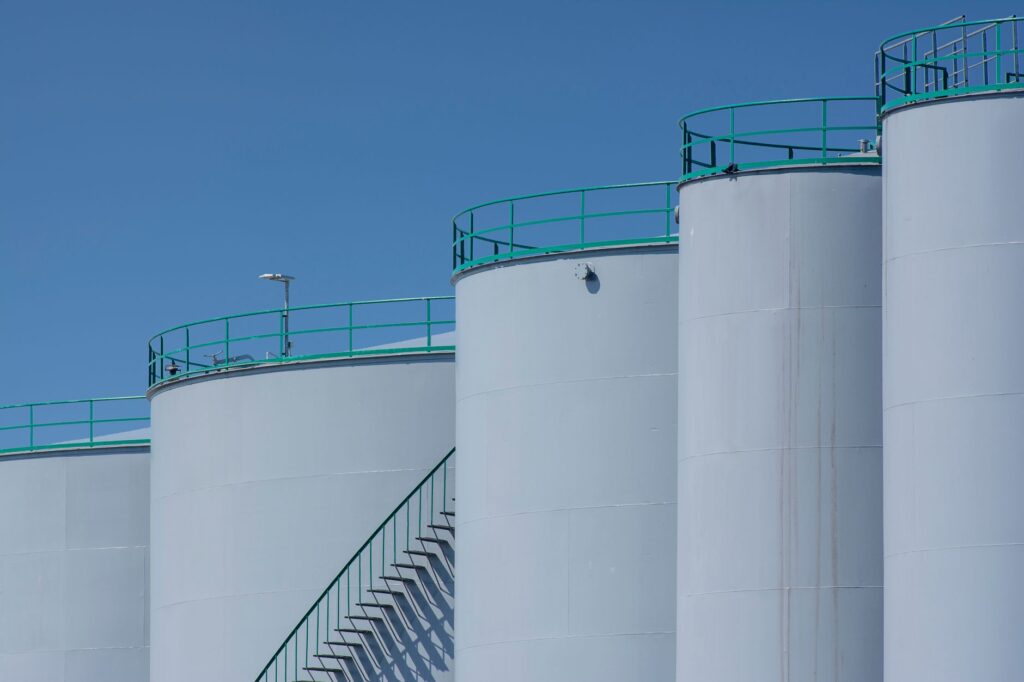
Future Considerations for Strategic Petroleum Reserves
Transitioning to Renewable Energy
As the world increasingly shifts toward renewable energy, the role of the strategic petroleum reserve (SPR) is poised for significant transformation. The urgency to reduce carbon emissions and reliance on fossil fuels is reshaping energy landscapes globally. However, it is essential to recognize that oil will remain an important energy source during this transition, especially in the short to medium term. The SPR serves as a critical emergency fuel supply, ensuring that nations can respond effectively to disruptions in oil supply due to geopolitical tensions or natural disasters.
One compelling argument for retaining robust oil reserves is the unpredictability of energy markets. Even as investments in solar, wind, and other renewables grow, traditional energy sources will still be needed to meet current demands. According to the U.S. Energy Information Administration, oil is expected to account for a significant portion of the energy mix until at least 2040. This reality underscores the necessity of maintaining a strategic petroleum reserve as a buffer against volatility in oil prices and supply interruptions.
Modernizing Reserve Strategies
To adapt to evolving energy needs, modernization of reserve strategies is crucial. This could involve integrating new technologies for monitoring and managing oil reserves more efficiently. For instance, digital tools can help optimize storage, distribution, and even the decision-making processes surrounding the release of oil from the SPR. Additionally, a flexible approach that combines traditional oil reserves with emerging renewable technologies could enhance overall energy security.
Counterpoints to this modernization strategy often focus on the high costs associated with updating infrastructure and the potential for over-investment in fossil fuels at a time when renewables are gaining momentum. However, balancing both oil reserves and renewable energy sources is not only prudent but essential to ensuring a stable transition. As we navigate this complex energy landscape, the strategic petroleum reserve will play a pivotal role in bridging the gap between the current reliance on oil and the future of cleaner energy sources.
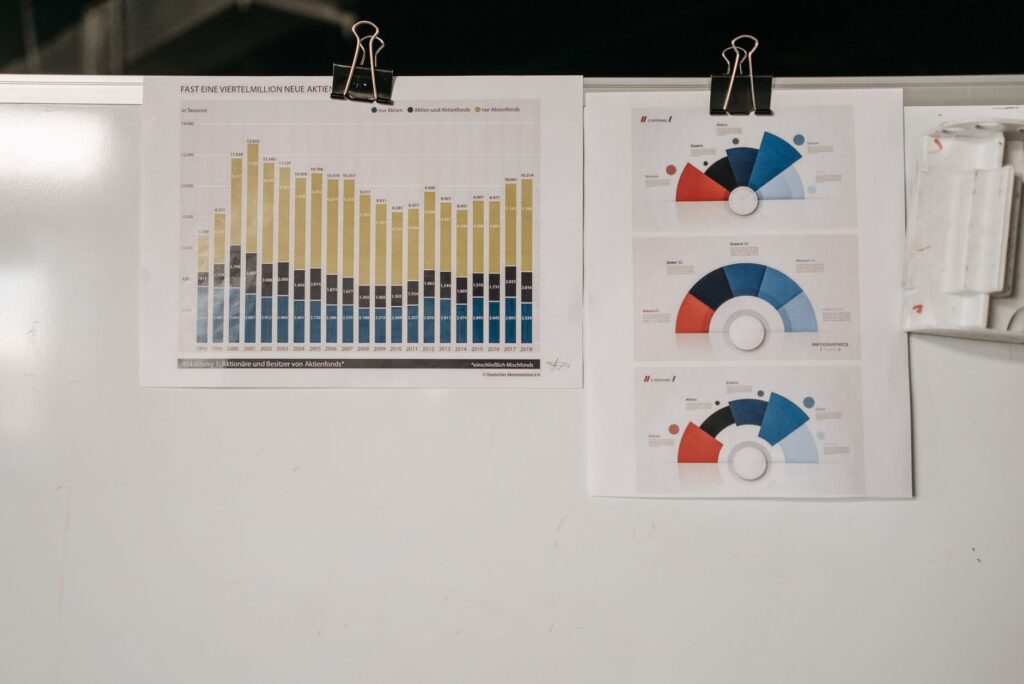
while the world moves toward a greener future, maintaining a strategic petroleum reserve remains vital. It is not merely about stockpiling oil; it is about securing our energy future amid uncertainties. By modernizing reserve strategies and acknowledging the ongoing importance of oil, we can better prepare for a resilient energy landscape that embraces both traditional and renewable resources.
The Strategic Petroleum Reserve’s Ongoing Relevance
The world is witnessing a seismic shift in energy production and consumption as we increasingly embrace renewable sources. Yet, amid this transition, the strategic petroleum reserve remains a critical component of national energy security. Its role as an emergency fuel supply provides a safety net that ensures countries are not at the mercy of volatile oil markets or geopolitical tensions. The importance of maintaining these oil reserves cannot be overstated, especially as we navigate an uncertain future.
Understanding the Role of the Strategic Petroleum Reserve
Historically, the strategic petroleum reserve was established to mitigate the impacts of oil supply disruptions. For instance, the U.S. created its reserve in response to the 1973 oil crisis, recognizing the need for a buffer against external shocks. As per the U.S. Department of Energy, the reserve has the capacity to store over 700 million barrels of crude oil, enough to cover several months of imports. This capacity is crucial for managing emergencies, ensuring that the economy and daily life can continue uninterrupted.
However, relying solely on oil reserves is not a sustainable long-term strategy. As nations ramp up efforts to combat climate change, it is essential to balance the use of the strategic petroleum reserve with aggressive investments in renewable energy. Technologies such as solar, wind, and battery storage are rapidly evolving and becoming more cost-effective, offering viable alternatives to fossil fuels. A successful energy transition involves not just weaning off oil dependency but also ensuring energy security through diverse sources.
Critics argue that maintaining a large strategic petroleum reserve can encourage continued fossil fuel consumption, undermining climate goals. While this concern is valid, it is equally important to recognize that the reserve can be a tool for managing the transition. By strategically releasing oil during crises, governments can stabilize markets and provide the necessary time for the shift toward renewables without causing economic turmoil.
In today’s energy landscape, the strategic petroleum reserve is more relevant than ever. It serves as a vital emergency fuel supply while simultaneously allowing for a smoother transition to sustainable energy sources. As we face ongoing challenges related to climate change and geopolitical instability, maintaining a robust reserve will continue to be essential in securing our energy future.
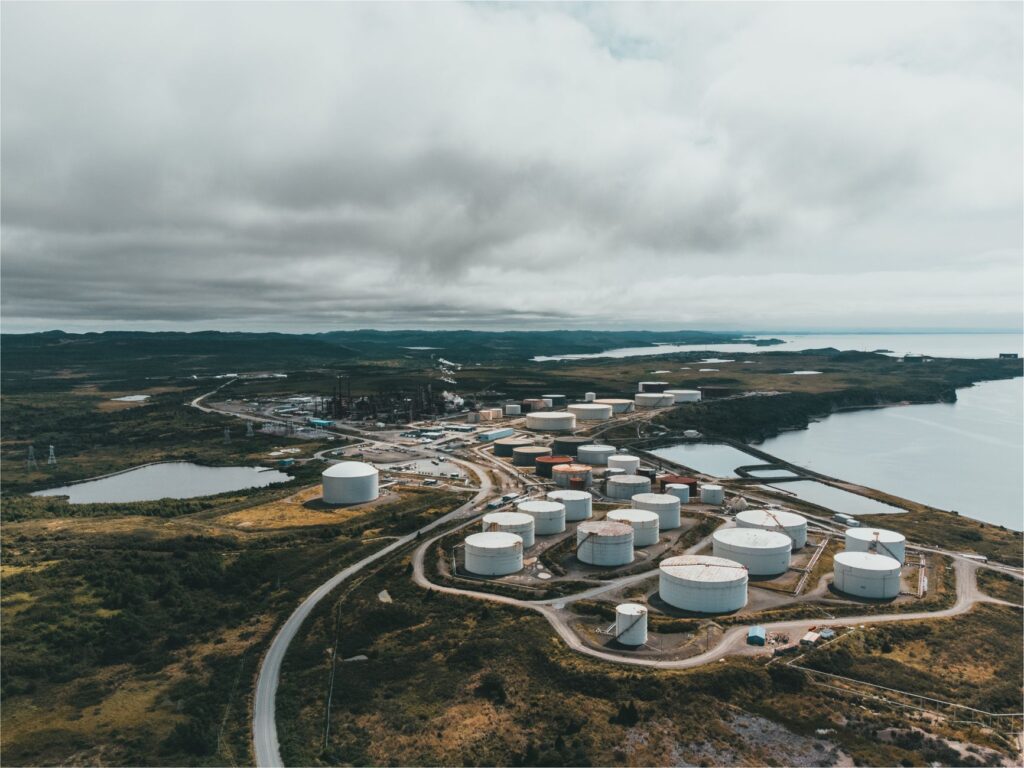
Ultimately, fostering a balance between utilizing our strategic petroleum reserve and advancing renewable energy solutions will not only enhance energy security but also contribute to a more sustainable planet. As we look ahead, it is imperative to leverage this tool wisely, recognizing its potential to both protect our immediate needs and facilitate a greener future.
Understanding the role of the strategic petroleum reserve is essential for navigating today’s volatile energy landscape. These reserves serve as a critical buffer, enhancing energy security by ensuring that nations have access to an emergency fuel supply during times of crisis. By maintaining robust oil reserves, countries can mitigate the impact of supply disruptions caused by geopolitical tensions, natural disasters, or other unforeseen events.
As you consider the importance of energy security in your own life, think about how the strategic petroleum reserve can impact not just national policies but also global markets. Staying informed about these reserves can empower you to understand how they affect energy prices and availability. For deeper insights, explore The Role of Petroleum in Modern Transportation that discuss the intricacies of oil reserves and their implications for energy independence. By engaging with these resources, you can better appreciate the connection between strategic reserves and a stable energy future.
“`html
What is a strategic petroleum reserve?
A strategic petroleum reserve is a stockpile of crude oil and petroleum products maintained by governments or organizations to manage supply disruptions. These reserves serve as a buffer against sudden shortages due to geopolitical tensions, natural disasters, or other crises. By having a ready supply of oil, nations can stabilize energy markets and protect their economies from volatility.
Why are strategic petroleum reserves important for energy security?
Strategic petroleum reserves are crucial for energy security as they provide a reliable backup supply during emergencies. In times of crisis, such as conflicts or natural disasters that disrupt oil supply chains, these reserves can help maintain stability in fuel prices and availability. This ensures that essential services, transportation, and industries continue to operate, safeguarding economic interests and public welfare.
How do strategic petroleum reserves work during a crisis?
During a crisis, governments can release oil from their strategic petroleum reserves to mitigate supply shortages. This release increases the available supply in the market, helping to stabilize prices and ensure an emergency fuel supply for critical sectors. The timing and amount of oil released are carefully managed to address immediate needs while preserving reserves for future contingencies.
What are the current oil reserves in the United States?
As of recent data, the United States holds approximately 600 million barrels in its strategic petroleum reserve. This stockpile is stored in underground salt caverns along the Gulf Coast, providing a secure and accessible supply of oil. These reserves are periodically assessed and replenished to ensure they remain effective in addressing any potential energy security threats.
Are strategic petroleum reserves necessary in the age of renewable energy?
While the rise of renewable energy sources has changed the energy landscape, strategic petroleum reserves remain essential. They provide a critical safety net against fossil fuel supply disruptions, especially as transition periods can involve significant dependency on oil. Maintaining these reserves ensures that energy security is upheld as the world shifts toward more sustainable energy solutions.
How can strategic petroleum reserves be modernized?
Modernizing strategic petroleum reserves involves improving storage technology, enhancing management systems, and integrating data analytics for better decision-making. Investments in infrastructure can optimize the efficiency of oil retrieval and distribution. Additionally, integrating renewable energy sources into the reserves strategy can provide a more comprehensive approach to energy security in the evolving energy landscape.
“`