
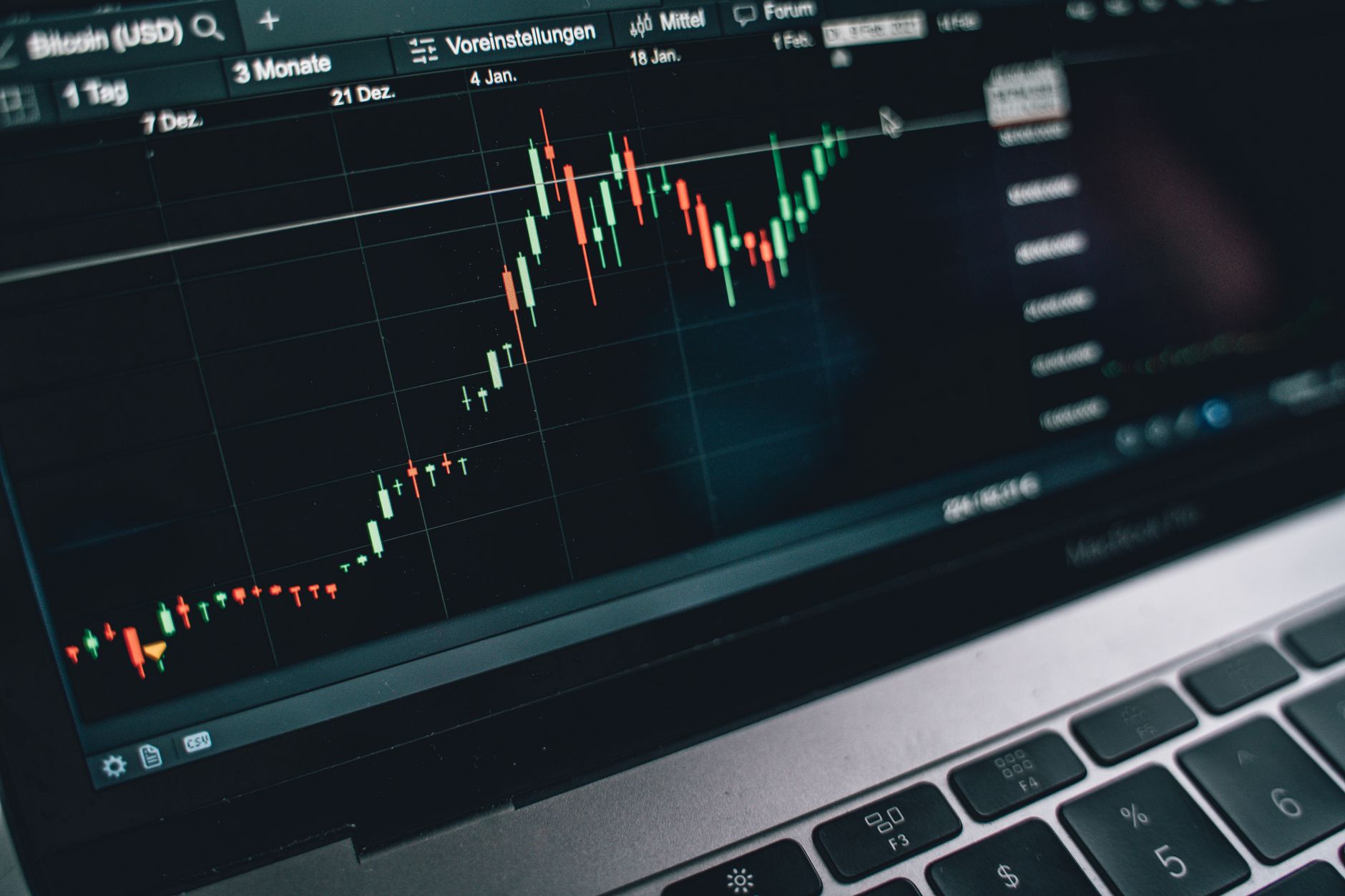
Oil futures trading is a dynamic and complex aspect of the commodity markets that can be both lucrative and risky. Understanding this financial instrument is essential for anyone looking to invest in the energy sector, as it provides a way to hedge against price fluctuations in crude oil contracts. This comprehensive guide will walk you through the mechanics of oil futures trading, explaining how it works and why it is crucial for energy investing. We’ll also delve into the challenges and risks associated with trading these contracts and explore the future trends that may shape the market. Whether you are a seasoned trader or a newcomer, this article will equip you with the knowledge needed to navigate the intricate world of oil futures and make informed investment decisions. Let’s dive in and discover the ins and outs of oil futures trading that could potentially enhance your investment strategies in the ever-evolving landscape of energy markets.
How Oil Futures Trading Works
What are Oil Futures Contracts?
Oil futures trading revolves around the buying and selling of oil futures contracts, which are agreements to purchase or sell a specific quantity of crude oil at a predetermined price on a future date. This type of trading allows participants to hedge against price fluctuations, speculate on future price movements, or both. For instance, if a trader anticipates that oil prices will rise, they might buy a futures contract. Conversely, if they believe prices will fall, they may sell a contract. This dynamic interplay reflects the broader principles of energy investing, where traders seek to manage risks while capitalizing on market opportunities.
The Role of Commodity Markets in Oil Trading
Commodity markets serve as the backbone of oil futures trading, providing a structured environment where these contracts can be traded. Within these markets, crude oil contracts are standardized, meaning they specify the quality and quantity of oil being traded. This standardization facilitates easier trading and pricing across various platforms. Major commodity exchanges, such as the New York Mercantile Exchange (NYMEX) or the Intercontinental Exchange (ICE), are where most of this activity takes place.
The trading process itself is relatively straightforward. Traders can buy or sell contracts through brokers, and the prices of these contracts are influenced by a myriad of factors. Supply and demand dynamics, geopolitical events, natural disasters, and shifts in production levels all play significant roles in determining oil prices. For instance, a decision by OPEC to cut production can lead to higher prices, while a sudden increase in shale oil production in the U.S. might drive prices down. These fluctuations create opportunities and risks for those engaged in oil futures trading.
While there is potential for profitability, it is essential to recognize the inherent risks involved. Many new traders underestimate the volatility of the oil market, which can lead to significant financial losses. Additionally, external factors, such as government regulations and environmental considerations, can influence markets in unpredictable ways. It is crucial for anyone interested in oil futures trading to stay informed and develop a robust trading strategy. Understanding these complexities can help traders navigate the challenges and maximize their chances of success in the commodity markets.
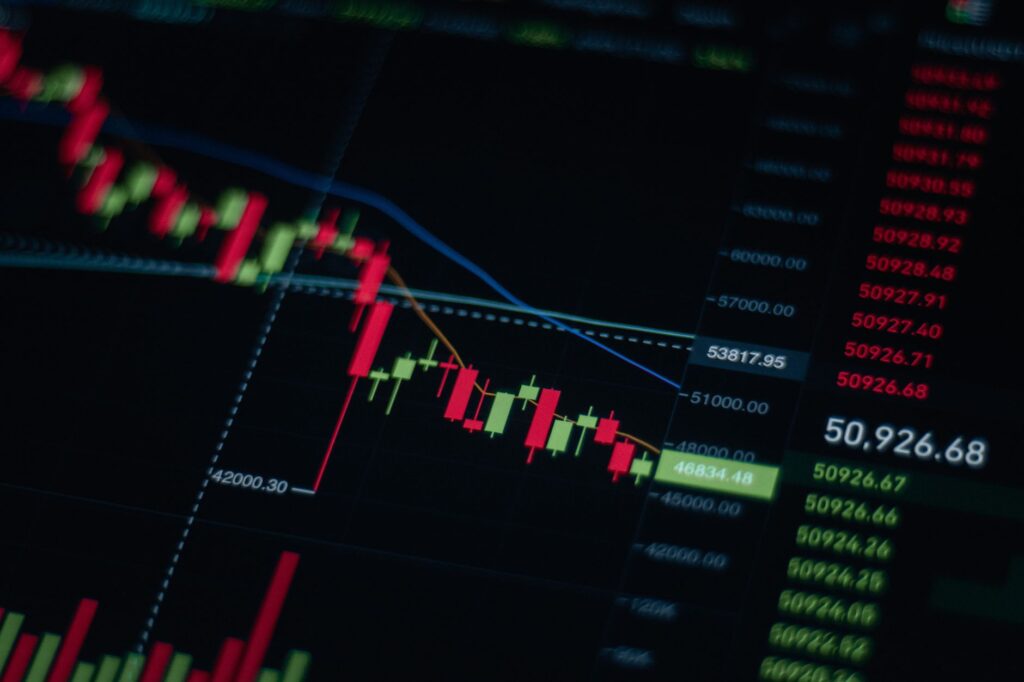
As oil futures trading continues to evolve, participants must remain adaptable and informed. The interplay of various factors influencing the market can create both opportunities and pitfalls, making it imperative for traders to conduct thorough research and analysis. By understanding the mechanics of oil futures and the broader commodity markets, traders can position themselves to make more informed decisions and potentially achieve their investment goals.
The Importance of Oil Futures in Energy Investing
When it comes to energy investing, few instruments are as pivotal as oil futures trading. These contracts not only provide opportunities for profit but also serve as crucial tools for managing risk in an inherently volatile market. As investors navigate the complexities of crude oil contracts and the broader commodity markets, understanding the role of oil futures becomes essential for long-term success.
Hedging and Speculation in Oil Futures Trading
One of the primary functions of oil futures trading is hedging against price fluctuations. Producers and consumers of crude oil can lock in prices for future delivery, safeguarding their operations against the unpredictable nature of market dynamics. For instance, an airline might purchase oil futures to stabilize fuel costs, ensuring that sudden spikes in oil prices do not erode profit margins. This hedging mechanism is vital in a world where geopolitical tensions, natural disasters, and regulatory changes can trigger price volatility overnight.
On the other hand, oil futures trading also attracts speculators looking to capitalize on price movements. These investors are less concerned with the physical delivery of crude oil and more focused on market timing. By analyzing trends and signals, they aim to buy low and sell high, often amplifying market volatility in the process. While this speculation can lead to significant profits, it also carries substantial risks, as the market can reverse course unexpectedly due to unforeseen events.
Market Influences on Oil Prices
Several factors influence oil prices, making the futures market a complex environment. Geopolitical events, such as conflicts in oil-rich regions or sanctions on major producers, can lead to rapid price shifts. Additionally, supply and demand dynamics play a critical role; for example, an increase in U.S. shale oil production can lead to lower prices, impacting global markets. Economic indicators, such as GDP growth rates and unemployment figures, also provide insights into future demand for energy, further complicating the landscape.
Understanding these influences is essential for anyone involved in energy investing. The interconnectivity of global economics means that a crisis halfway around the world can have immediate repercussions for oil futures traders. Thus, staying informed and adaptable is key to navigating this challenging market.
In essence, the importance of oil futures trading in energy investing cannot be overstated. Whether used for hedging or speculation, these contracts provide essential tools to manage risk and exploit market opportunities. As investors become more attuned to the nuances of crude oil contracts and the various factors influencing oil prices, they can position themselves to thrive in the ever-evolving commodity markets.
Ultimately, successful energy investing hinges on a clear understanding of oil futures trading, making it a topic worthy of exploration for both novice and seasoned investors alike.
Challenges and Risks in Oil Futures Trading
Understanding Market Volatility in Oil Futures Trading
Oil futures trading is not for the faint-hearted. The commodity markets, particularly those focused on crude oil, are notorious for their volatility. Prices can swing dramatically based on geopolitical tensions, natural disasters, or shifts in supply and demand. For instance, a sudden conflict in a major oil-producing country can send prices soaring overnight. This volatility presents significant risks for traders, especially those who are unprepared for the rapid changes that can occur.
Leverage is another double-edged sword in oil futures trading. While it allows traders to control larger positions with a smaller amount of capital, it also amplifies potential losses. A small price movement can lead to substantial gains, or devastating losses, depending on how much leverage is employed. Novice traders often underestimate this risk, thinking they can easily recover from a downturn. However, the reality is that a few poor trades can wipe out their entire investment in a matter of hours.
Common Pitfalls for New Investors in Oil Futures Trading
One of the most common mistakes new investors make in oil futures trading is failing to conduct thorough research. Many jump into trading based on tips or trends without understanding the underlying factors that drive oil prices. This lack of knowledge can lead to poor decision-making and significant financial losses. A well-informed approach requires not just a grasp of market fundamentals but also an awareness of how global events impact energy investing.
- Ignoring Risk Management: Many novice traders neglect to set stop-loss orders, which can help protect against sudden market downturns.
- Overtrading: The allure of quick profits can lead traders to take excessive positions, increasing their risk exposure unnecessarily.
- Emotional Trading: Letting fear or greed drive trading decisions often results in impulsive actions rather than a disciplined strategy.
To navigate these pitfalls, investors should prioritize education and develop a trading plan that incorporates risk management strategies. Utilizing resources such as trading simulators can also provide valuable practice without the financial stakes.
Ultimately, while oil futures trading offers significant opportunities, it is essential to approach it with a clear understanding of the risks involved. By staying informed and practicing disciplined trading habits, investors can mitigate some of the inherent risks associated with this volatile market.
The Future of Oil Futures Trading
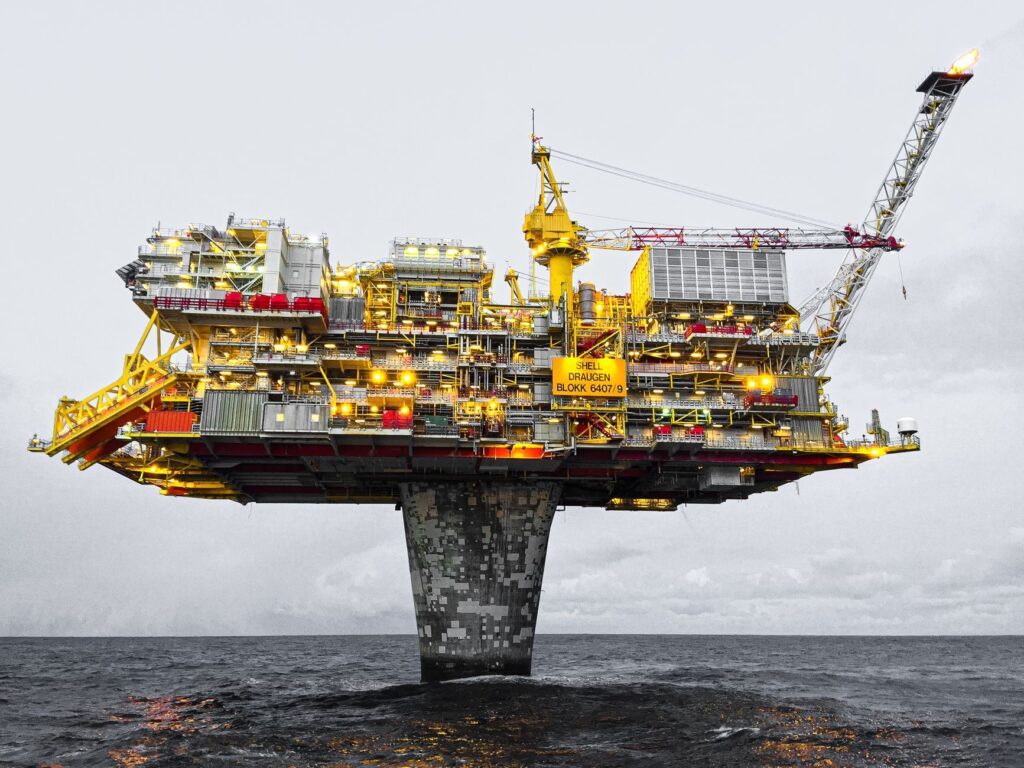
As we look to the horizon of oil futures trading, it’s essential to recognize the seismic shifts in both technology and energy policy that are shaping its future. The interplay between innovations in trading technologies and the global shift toward renewable energy sources will undoubtedly influence how traders and investors approach the commodity markets in the years to come.
Innovations in Trading Technologies
One of the most significant advancements in oil futures trading is the rise of algorithmic trading and artificial intelligence. These technologies allow for faster and more efficient trading, enabling traders to analyze vast amounts of data and react to market changes in real time. For instance, platforms now leverage machine learning to predict market trends based on historical data and current events, providing traders with a competitive edge. As trading platforms continue to evolve, they will likely incorporate more sophisticated features, such as blockchain for enhanced transparency and security in crude oil contracts.
Moreover, the integration of big data analytics will empower traders to make informed decisions by assessing market sentiments, geopolitical risks, and supply-demand dynamics with unprecedented precision. Such innovations not only streamline trading processes but also attract a new generation of investors who are tech-savvy and eager to capitalize on emerging opportunities in energy investing.
The Shift Towards Renewable Energy and Its Impact on Oil Futures Trading
As the world increasingly embraces renewable energy, the implications for oil futures trading cannot be ignored. Governments worldwide are implementing policies aimed at reducing carbon emissions, thereby encouraging investments in cleaner energy sources. This shift could lead to decreased demand for oil in the long term, fundamentally altering the landscape of crude oil contracts and the strategies employed by traders.
However, it is essential to acknowledge that the transition to renewable energy will be gradual. Short-term fluctuations in oil prices will continue to be influenced by geopolitical tensions, natural disasters, and OPEC decisions, keeping oil futures trading relevant for the foreseeable future. Traders will need to adapt to this dual reality, balancing the risks associated with traditional oil investments while also exploring opportunities in the burgeoning renewable sector.
This evolution will likely compel investors to rethink their energy investing strategies. As they navigate a landscape marked by both oil volatility and the rise of alternative energy sources, a diversified portfolio may become increasingly crucial. By understanding the complexities of oil futures trading, investors can better position themselves to capitalize on the shifts in the energy sector.

In a world where technology and sustainability are reshaping energy markets, the future of oil futures trading remains dynamic and full of potential. As traders and investors adapt to these changes, the ability to balance traditional oil investments with innovative strategies in renewable energy will be paramount. The next chapter in energy investing is just beginning, and those who are prepared to navigate this evolving landscape will emerge as leaders in the new energy economy.
By staying informed about technological advancements and market shifts, participants in oil futures trading can not only survive but thrive amidst the uncertainties of an ever-changing energy landscape.
As you venture into the world of oil futures trading, remember that understanding the fundamentals is key. Familiarizing yourself with crude oil contracts and how they function in the commodity markets can provide you with a solid foundation for your energy investing journey. Keep an eye on market trends and geopolitical factors, as these can significantly influence prices and trading strategies.
To truly excel in oil futures trading, consider starting with a demo account to practice your strategies without financial risk. This hands-on experience will build your confidence and allow you to better navigate the complexities of the energy sector. With the right tools and knowledge, you’ll be well on your way to making informed decisions in this dynamic market.
“`html
What are the basics of oil futures trading?
Oil futures trading involves buying and selling contracts that obligate the buyer to purchase, and the seller to sell, a specific quantity of crude oil at a predetermined price on a set future date. This market allows investors to speculate on the price direction of oil, hedge against price fluctuations, or both. Understanding the mechanics of how futures contracts function, including margin requirements and expiration dates, is essential for effective trading.
How do crude oil contracts work?
Crude oil contracts are agreements traded on futures exchanges that specify the delivery of oil at a future date for a set price. Each contract typically represents a specific volume of oil, such as 1,000 barrels. Traders can take long positions, betting that prices will rise, or short positions, anticipating a price drop. The value of these contracts fluctuates based on prevailing market conditions, supply and demand dynamics, and geopolitical factors affecting the oil industry.
What is the difference between speculating and hedging in oil futures?
Speculating in oil futures involves taking positions to profit from expected changes in oil prices, without any intention of taking physical delivery of the oil. Traders use various strategies, including technical analysis and market forecasts, to predict price movements. Hedging, on the other hand, is a risk management strategy used by producers and consumers of oil to protect against price volatility. This involves taking positions in the futures market that offset potential losses in the physical market.
What risks should I be aware of when trading oil futures?
Trading oil futures carries several risks, including market risk, where prices can be highly volatile due to numerous factors such as geopolitical tensions, economic data releases, and changes in supply and demand. Other risks include liquidity risk, as some contracts may not have enough buyers or sellers, and leverage risk, which can amplify losses. It is crucial to have a solid risk management strategy in place to mitigate these risks when engaging in oil futures trading.
How do geopolitical events affect oil futures markets?
Geopolitical events significantly impact oil futures markets, as they can disrupt supply chains or alter trade dynamics. For instance, conflicts in oil-producing regions, sanctions against oil-exporting countries, or OPEC’s production decisions can lead to immediate price fluctuations. Traders closely monitor these developments, as they can create uncertainty and volatility in the commodity markets. Understanding these factors is essential for anyone looking to navigate oil futures trading effectively.
What is the future outlook for oil futures trading?
The future outlook for oil futures trading remains dynamic, influenced by global energy transitions, regulatory changes, and technological advancements in energy production. As renewable energy sources gain traction, the demand for oil may evolve, impacting futures pricing. However, short-term trading opportunities will likely continue to arise from ongoing geopolitical tensions, economic recovery post-pandemic, and fluctuating demand. Investors should stay informed about these trends to make well-informed decisions in oil futures trading.
“`