The Nevada Energy Report 2026 is your go-to resource for understanding the evolving landscape of energy in the Silver State. This comprehensive report dives into current Nevada energy statistics, providing a detailed analysis of energy consumption patterns and what they mean for residents and businesses alike. We’ll explore the intricacies of fuel demand and its implications for the state’s energy policies, as well as examine the emerging energy market trends shaping Nevada’s future. With a focus on sustainability and innovation, this article will not only shed light on where Nevada stands today but also look ahead to future trends in the energy landscape. Whether you’re an industry professional, a policymaker, or simply curious about how energy impacts your daily life in Nevada, this report is packed with insights that you won’t want to miss. Let’s dive into the data and discover what’s next for Nevada’s energy sector.
Overview of the Nevada Energy Report
The Nevada Energy Report for 2026 arrives at a crucial time, as the state continues to navigate its evolving energy landscape. With increasing concerns around climate change and energy security, understanding the current state of energy production and consumption in Nevada is vital. This report not only highlights key statistics but also underscores how these figures align with statewide energy goals aimed at sustainability and economic growth. Paul For Nevada’s Renewable Energy Vision for 2026
Current Energy Production Landscape in the Nevada Energy Report
Nevada’s energy production primarily relies on renewable resources, particularly solar and geothermal energy. As of 2026, over 70% of the state’s electricity is generated from renewable sources, a significant benchmark in achieving the goal of a carbon-free energy sector by 2050. The growth in solar energy capacity has been remarkable, with the state boasting the highest per capita solar energy generation in the nation. This transition reflects broader energy market trends emphasizing clean and sustainable energy solutions.
The state’s energy production is not only about numbers; it directly impacts local communities and the economy. The shift toward renewable energy sources has created thousands of jobs while also attracting investments in clean technology. However, balancing renewable growth with traditional fuel sources remains a challenge amidst fluctuating fuel demand.
Energy Consumption Patterns in Nevada
Examining energy consumption patterns reveals valuable insights into how Nevadans use energy daily. The state has seen a steady increase in energy consumption due to population growth and economic development. According to recent Nevada energy statistics, residential energy use accounts for nearly 40% of the total energy consumed, with significant peaks during the summer months. Understanding these consumption trends is critical for policymakers aiming to ensure reliable and affordable energy for all residents.
With the Nevada energy report highlighting these critical aspects, stakeholders can better grasp the implications for local communities and the economy. As the state moves forward, it will be essential to adapt to changing energy needs while continuing to pursue ambitious sustainability targets.
Nevada Energy Statistics: A Deep Dive in the Nevada Energy Report
The latest nevada energy report reveals critical insights into the state’s energy landscape, highlighting the ongoing transformation driven by renewable resources. With increasing fuel demand and evolving energy market trends, understanding these nevada energy statistics becomes essential for policymakers, businesses, and consumers alike.
Breakdown of Energy Sources
In 2025, Nevada’s energy generation showcased remarkable diversity. Here’s the breakdown of energy sources by percentage:
- Natural Gas: 54%
- Renewable Energy: 29%
- Solar: 25%
- Wind: 4%
- Coal: 11%
- Nuclear: 6%
This distribution indicates a significant reliance on natural gas, yet the substantial share of renewable energy highlights Nevada’s commitment to sustainability. Notably, solar energy dominates the renewable sector, making Nevada a leader in solar generation compared to national averages. The U.S. Energy Information Administration reports that the national average for renewable energy is around 20%, emphasizing Nevada’s progressive stance in clean energy production.
Renewable Energy Growth in the Nevada Energy Report
The growth of renewable energy in Nevada is not just a trend; it is a robust movement. Between 2020 and 2025, solar power capacity grew by over 40%, making it one of the fastest-growing sectors within the state. As of 2025, renewable resources accounted for nearly 29% of Nevada’s total electricity generation, a figure that is expected to rise as more investments flow into this sector. The U.S. Solar Energy Report projects that this growth will continue, aligning with national goals for clean energy transition.
As Nevada seeks to expand its renewable footprint, understanding these energy consumption patterns will be vital for shaping future policies and investments. The implications of these statistics are profound, encouraging sustainable practices, reducing carbon footprints, and enhancing energy independence. For stakeholders, the information in the nevada energy report can inform strategic decisions and foster a more resilient energy future.
Understanding Energy Consumption in Nevada
Trends in Energy Demand: Insights from the Nevada Energy Report
Nevada’s energy consumption is on an upward trajectory, driven largely by an increasing population and economic growth. According to the U.S. Energy Information Administration (EIA), energy consumption in Nevada has expanded significantly over the past decade, reflecting broader energy market trends across the nation. This growth is particularly evident in electricity usage, which surged by approximately 18% from 2010 to 2020, marking Nevada as one of the fastest-growing states in terms of energy consumption.
As we analyze the Nevada Energy Report, it’s clear that the state’s energy landscape is evolving. The demand for electricity peaks during the summer months, fueled by the air conditioning needs of residents and businesses. Furthermore, the shift towards electric vehicles is also contributing to rising fuel demand, highlighting the importance of sustainable energy solutions.

Impact of Population Growth on Energy Consumption
Population growth in Nevada, which has consistently outpaced the national average, is a significant factor influencing energy consumption patterns. As more people move to urban areas like Las Vegas and Reno, the demand for energy resources increases. The state’s population grew by over 15% from 2010 to 2020, placing additional strain on energy infrastructure and requiring more robust energy solutions to meet this escalating demand. This trend, coupled with the ongoing economic development, necessitates a reevaluation of how energy is sourced and consumed.
The implications for Nevada’s energy infrastructure are profound. With rising fuel demand and the growing need for energy-efficient practices, the state is at a crossroads. Policymakers and energy providers must prioritize sustainable energy sources and innovative technologies to ensure a reliable energy future. Reports, including those from the EIA, emphasize the need for a balanced approach that incorporates renewable energy while addressing the challenges posed by rapid population growth and economic expansion. This proactive strategy is crucial for maintaining energy reliability and minimizing environmental impact as we look towards the future.
Ultimately, understanding these dynamics will be vital for stakeholders as they navigate the complexities of the Nevada energy landscape. The insights from the Nevada Energy Report not only reflect current realities but also point to the necessary shifts in strategy to accommodate future energy needs.
Fuel Demand and Its Implications in the Nevada Energy Report
Current Fuel Demand Trends
As we analyze the Nevada Energy Report for 2026, it’s clear that fuel demand is experiencing significant shifts across various sectors. The transportation sector remains the largest consumer, driven by a growing population and increased tourism. According to California Energy Commission, transportation accounted for approximately 40% of the state’s fuel consumption in recent years, a trend likely mirrored in Nevada.
Industry is also a crucial player in the fuel demand landscape. As businesses expand and new industries emerge, energy consumption is expected to rise. Residential energy needs are shifting as well, with more homeowners opting for electric vehicles and energy-efficient appliances. This transition reflects broader energy market trends toward sustainability, influencing overall fuel demand.
Future Projections in the Nevada Energy Report
Looking ahead, the Nevada Energy Report highlights potential challenges in meeting projected fuel demand sustainably. As population growth continues, forecasts suggest that fuel demand could increase by over 20% by 2030. This surge will likely strain the existing energy infrastructure, necessitating significant investments in renewable energy sources and grid enhancements.
Moreover, transitioning to cleaner energy solutions will require balancing economic growth with environmental responsibility. Policymakers must prioritize renewable energy initiatives to mitigate the effects of rising fuel demand while aiming to meet Nevada energy statistics that reflect a commitment to reducing carbon emissions. A detailed examination of Nevada’s energy consumption trends will be essential in guiding these efforts.

To navigate the complexities of the evolving energy landscape, stakeholders must collaborate on innovative solutions. Engaging in open discussions about fuel demand dynamics will be crucial for Nevada’s sustainable energy future. For more insights, refer to Paul For Nevada Renewable Energy Initiatives Explained.
Energy Market Trends in Nevada
The energy landscape in Nevada is rapidly evolving, reflecting broader trends in energy consumption and shifting fuel demand. As outlined in the nevada energy report, the state is at a crossroads, balancing economic growth with sustainability goals. With a strong push towards renewable energy sources, Nevada aims to position itself as a leader in clean energy production. This matters now more than ever as the demand for reliable and sustainable energy solutions grows amidst climate change challenges.
Economic Impacts of Energy Trends
Nevada’s energy market trends are significantly affecting its economy. The state’s reliance on renewable sources, particularly solar and geothermal, is reshaping job markets and attracting investments. Recent Nevada energy statistics indicate that solar energy production has increased dramatically, contributing to local economies and providing thousands of jobs. In fact, the solar industry alone employs over 10,000 individuals, showcasing the potential for further economic growth through energy production and consumption.
Additionally, as energy efficiency becomes a priority, NV Energy has implemented programs aimed at reducing energy consumption. These initiatives not only lower utility bills for consumers but also help decrease overall fuel demand, aligning with state environmental objectives. The economic implications of these trends are significant, fostering innovation and creating a more resilient energy infrastructure.
Investment Opportunities in Renewable Energy
The nevada energy report highlights numerous investment opportunities within the renewable energy sector. With ambitious targets for renewable energy adoption, Nevada is an attractive destination for investors looking to capitalize on the growing energy market trends. Areas such as solar farms, wind energy projects, and battery storage technologies are ripe for development. The state’s abundant sunlight and favorable policies create an ideal environment for solar energy projects, making it a key growth area.
Moreover, NV Energy’s commitment to expanding its renewable portfolio presents an opportunity for partnerships in innovative energy solutions. As the state moves towards its goal of 100% carbon-free energy by 2050, investors can expect substantial returns, especially in sectors aligned with state goals. The implications for Nevada’s economy are vast; as investments flow into renewable energy, the state can enhance its infrastructure, create jobs, and reduce its carbon footprint.
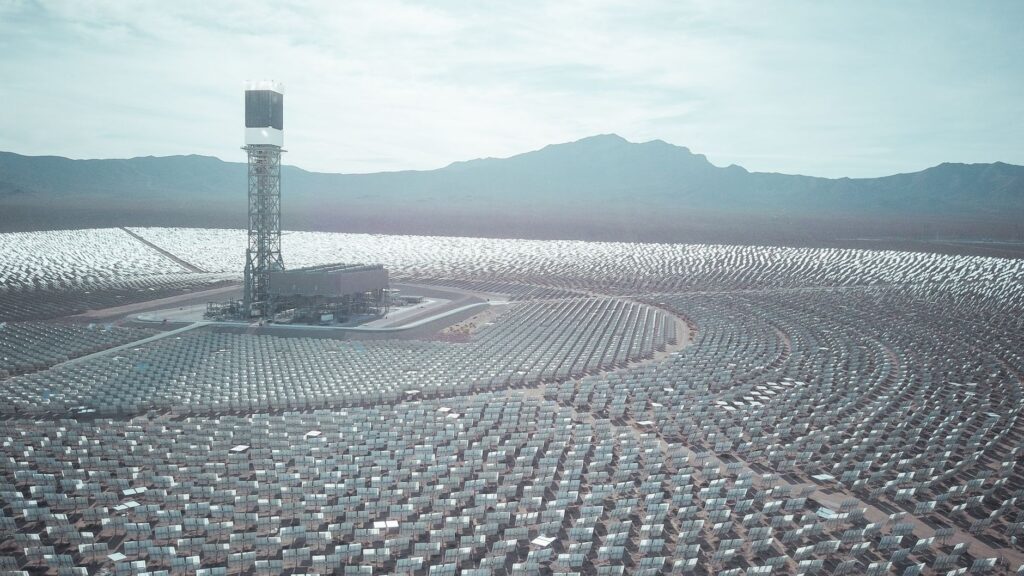
As we look to the future, the alignment of economic growth with sustainable energy practices in Nevada will likely shape the state’s energy narrative for years to come. For stakeholders, understanding these trends is essential for making informed decisions that contribute to a greener, more prosperous Nevada. To learn more about the details of these developments, refer to Paul For Nevada’s Renewable Energy Plans for 2026.
Looking Ahead: Future Trends in Nevada’s Energy Landscape
Innovations in Energy Technology and the Nevada Energy Report
As we venture into the next decade, the Nevada energy report highlights a remarkable shift towards technological innovations that promise to reshape the state’s energy landscape. With the rise of renewable energy sources, especially solar and wind, Nevada is poised to become a leader in sustainable energy solutions. According to recent Nevada energy statistics, solar energy production in the state has surged, significantly impacting energy consumption patterns. This transition is not just beneficial for the environment; it also opens up avenues for economic growth and job creation within the renewable sector.
Emerging technologies, such as advanced battery storage and smart grid systems, are expected to mitigate the challenges of energy supply and demand, addressing fluctuating fuel demand effectively. These innovations are crucial as they enhance energy efficiency and reliability, ultimately shaping future energy market trends in Nevada. Stakeholders, including businesses and local governments, should invest in these technologies to capitalize on their benefits and ensure a resilient energy future.
Policy Implications for Sustainable Growth
The regulatory framework surrounding Nevada’s energy policies will play a pivotal role in fostering sustainable growth. Policymakers must prioritize legislation that encourages investment in renewable energy infrastructure and offers incentives for energy efficiency upgrades. The Nevada Legislature has already made strides in this direction, but continued efforts are necessary to keep pace with evolving energy market trends.
Moreover, collaboration among stakeholders is essential for implementing effective policies. By working together, businesses, government agencies, and community organizations can create a comprehensive energy strategy that supports sustainability while addressing the challenges of increasing energy consumption. It is crucial for all involved to stay informed and engaged with the ongoing developments highlighted in the nevada energy report, ensuring that Nevada remains at the forefront of the energy transition.
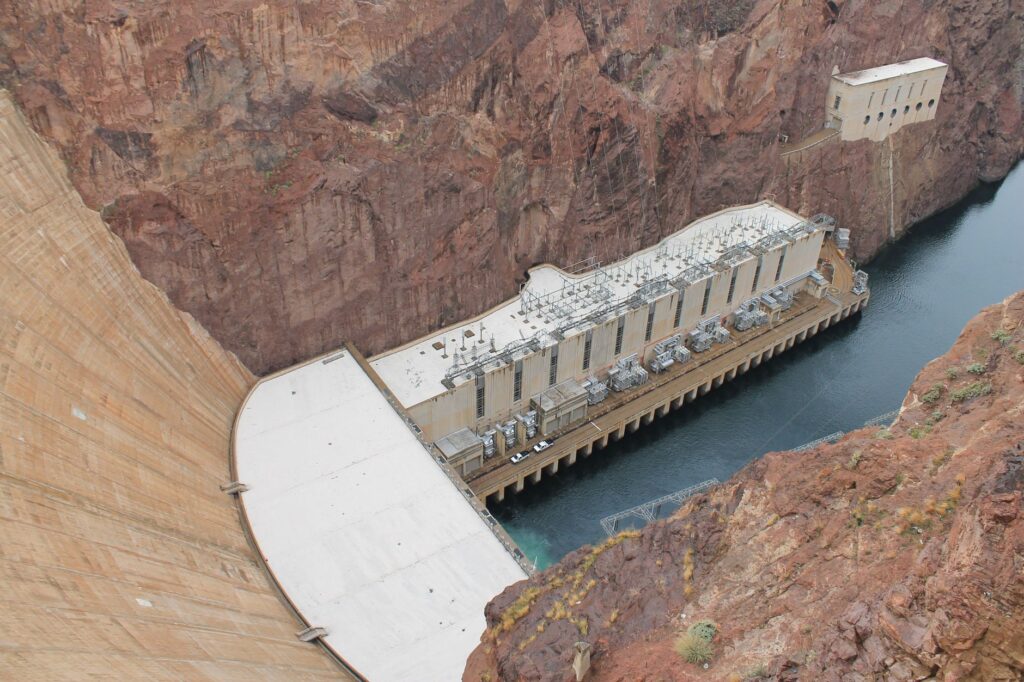
as Nevada’s energy landscape evolves, the integration of innovative technologies and forward-thinking policies will be essential. Stakeholders should remain proactive, adapting to changes and leveraging opportunities that arise in this dynamic environment.
The Nevada energy report reveals critical insights into the state’s evolving energy landscape. As we look at the latest nevada energy statistics, it’s clear that energy consumption patterns are shifting, influenced by factors such as increased residential demand and the push for renewable sources. Understanding these energy market trends is essential for stakeholders, as they navigate the complexities of fuel demand and the transition towards a more sustainable energy future.
For those looking to stay ahead in the energy sector, it’s important to regularly consult these reports and data. By keeping an eye on the nevada energy report, you can better understand the implications of changing energy dynamics and make informed decisions. Whether you’re a policymaker, a business leader, or simply an interested resident, leveraging this information will help you adapt to the ongoing changes in Nevada’s energy landscape.
“`html
What are the key findings of the Nevada energy report 2026?
The Nevada energy report 2026 reveals a significant increase in renewable energy sources, particularly solar and wind, which now contribute a larger share of the state’s energy mix. Additionally, energy consumption has grown steadily, driven by population growth and economic development. The report also highlights ongoing efforts to reduce greenhouse gas emissions and enhance energy efficiency across various sectors.
How does Nevada’s energy consumption compare to other states?
Nevada’s energy consumption is unique compared to other states, primarily due to its climate and tourism industry. The state has one of the highest per capita energy consumption rates in the U.S., largely influenced by extensive use of air conditioning and energy-intensive casinos. However, Nevada also leads in renewable energy production, which helps balance its overall energy portfolio.
What are the current fuel demand trends in Nevada?
Current fuel demand trends in Nevada show a gradual shift towards cleaner energy sources. The demand for natural gas remains stable, while there is a notable increase in electric vehicle adoption, influencing the demand for electric power. The state is also exploring hydrogen as a potential fuel source, which could reshape future fuel demand dynamics.
How is renewable energy impacting Nevada’s energy landscape?
Renewable energy is significantly transforming Nevada’s energy landscape by reducing reliance on fossil fuels and lowering carbon emissions. The state has invested heavily in solar and wind power, making it a leader in clean energy production. This shift is not only helping to meet state and federal renewable energy targets but also fostering job creation in the green sector.
What are the future energy market trends in Nevada?
Future energy market trends in Nevada indicate a continued emphasis on renewable energy and energy efficiency. As technology advances, the integration of smart grids and energy storage solutions will become more prevalent. Additionally, policies promoting electric vehicles and sustainable practices will likely drive transformative changes in the energy market, making it more flexible and resilient.
What policies are shaping Nevada’s energy production and consumption?
Several policies are influencing Nevada’s energy production and consumption, including the Renewable Portfolio Standard, which mandates a specific percentage of energy from renewable sources. Incentives for energy efficiency improvements and electric vehicle adoption also play crucial roles. Moreover, the state government is actively working on legislation to support climate goals and foster innovation in clean energy technologies.
“`