

Nevada energy independence is a topic that sparks both enthusiasm and skepticism among policymakers, environmentalists, and energy consumers alike. With the state’s rich natural resources and ambitious renewable energy goals, many argue that Nevada is on the brink of achieving a self-sufficient energy system that enhances energy security while reducing reliance on oil imports. This article will delve into the nuances of Nevada’s quest for energy independence, exploring the arguments in favor of it, such as the potential for a stable fuel supply through renewable sources. However, challenges remain, including the state’s current dependency on natural gas supply and the hurdles that come with transitioning away from fossil fuels. We will also address counterpoints that question whether full energy independence is truly attainable, considering ongoing energy demands and infrastructure limitations. As we look to the future, understanding the path forward for Nevada’s energy independence will be crucial for both state residents and energy stakeholders. Join us as we unpack these critical discussions surrounding Nevada’s energy landscape.
Understanding Nevada Energy Independence
What Does Energy Independence Mean?
When we talk about Nevada energy independence, we refer to the state’s ability to produce sufficient energy to meet its own needs without relying heavily on external sources. This concept plays a crucial role in enhancing energy security, which revolves around ensuring a reliable and sustainable energy supply. For Nevada, achieving energy independence means reducing its dependence on oil imports and enhancing its natural gas supply through local production, thus fortifying its energy landscape.
Current Status of Nevada’s Energy Resources
Nevada is a unique case in the American energy landscape. The state boasts a rich mix of renewable energy resources, particularly in solar and geothermal energy, which account for a significant portion of its energy production. According to the Nevada Energy Profile, over 25% of the state’s electricity comes from renewable sources, primarily solar power. In contrast, fossil fuels, including natural gas, still play a role in the energy mix, contributing about 60% of the total energy supply.
The push for energy independence is further driven by concerns over fuel supply and the environmental impacts of fossil fuel reliance. By promoting renewable energy, Nevada aims to minimize its oil imports and reduce the carbon footprint associated with traditional energy sources. However, challenges remain. The state still imports a portion of its natural gas, underscoring the complexity of achieving complete energy independence.
While the transition to renewable energy positions Nevada as a leader in sustainable practices, it also raises questions about the pace of this shift. Can Nevada truly achieve energy independence, or is it merely an aspirational goal? As the state continues to invest in renewable infrastructure, the path to energy independence appears promising but fraught with challenges that require ongoing commitment and innovation.
The Argument for Nevada Energy Independence
Renewable Energy Initiatives Driving Nevada Energy Independence
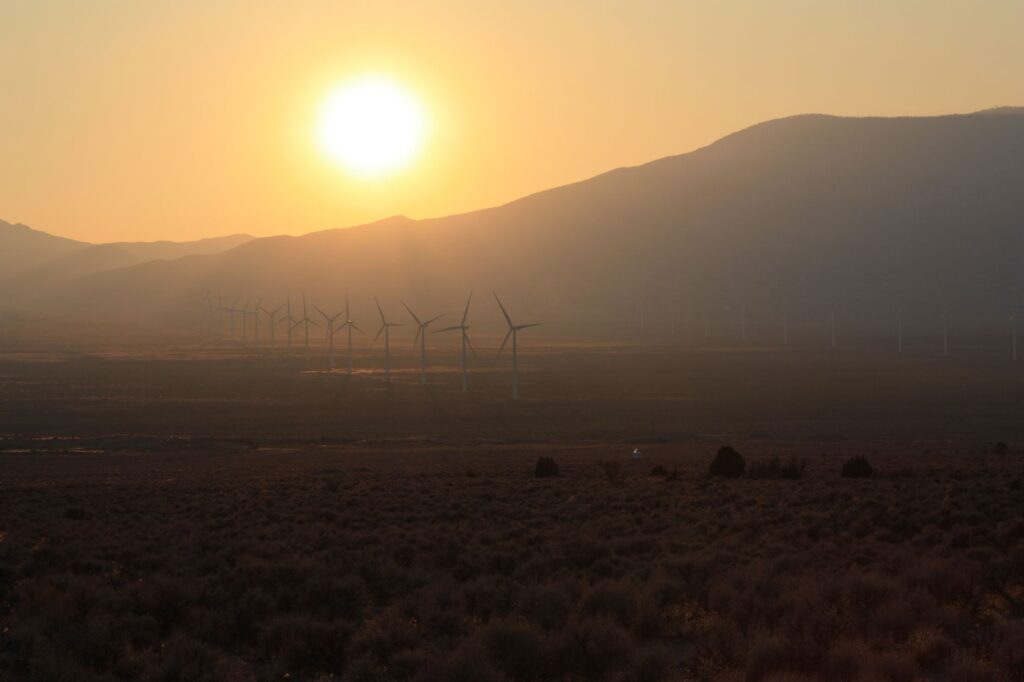
Nevada is making impressive strides towards achieving energy independence, primarily through its ambitious investments in renewable energy. The state boasts some of the highest solar potential in the country, and initiatives like the Nevada Solar Initiative are harnessing this potential effectively. As of 2023, over 40% of Nevada’s electricity comes from renewable sources, with a significant share generated by solar and wind technologies. This shift not only reduces reliance on fossil fuels but also enhances the state’s energy security.
By investing in renewable energy, Nevada is not just working towards climate goals; it is also fortifying its energy infrastructure. The state’s commitment to achieving 50% renewable energy by 2030 is a testament to its aggressive approach. This investment landscape is drawing attention and funding, fostering economic growth while promoting nevada energy independence.
Reduced Oil Imports and Natural Gas Supply Enhancements
Another critical aspect of Nevada’s journey towards energy independence is its proactive stance on reducing oil imports and boosting natural gas supply. Over the past decade, Nevada has seen a significant decrease in oil imports, with a reduction of approximately 25% since 2010, according to the U.S. Energy Information Administration. This shift is largely attributed to the rise in renewable energy usage, which has lessened the demand for imported fuels.
Furthermore, Nevada is taking steps to enhance its natural gas supply through infrastructure improvements and partnerships with local producers. The state is not only working to ensure that its fuel supply is stable but is also positioning itself as a regional leader in energy independence. These efforts contribute to a more resilient energy landscape, allowing Nevada to navigate fluctuations in global oil prices and maintain a steady energy flow to its residents.
As Nevada continues on this path, the vision of nevada energy independence is becoming more tangible. The combination of renewable energy initiatives and reduced reliance on oil imports is creating a robust framework for a sustainable future. The ultimate goal is clear: to create a self-sufficient energy system that prioritizes security, sustainability, and economic growth.

Challenges to Achieving Full Energy Independence in Nevada
Reliance on External Energy Sources
Despite its potential for renewable energy, achieving true nevada energy independence remains a significant challenge. One of the primary hurdles is the state’s considerable reliance on oil imports and natural gas from neighboring states. In fact, approximately 85% of Nevada’s oil supply is imported from other regions, which raises concerns about its energy security. This dependency not only makes the state vulnerable to fluctuations in fuel prices but also diminishes its ability to control its energy future.
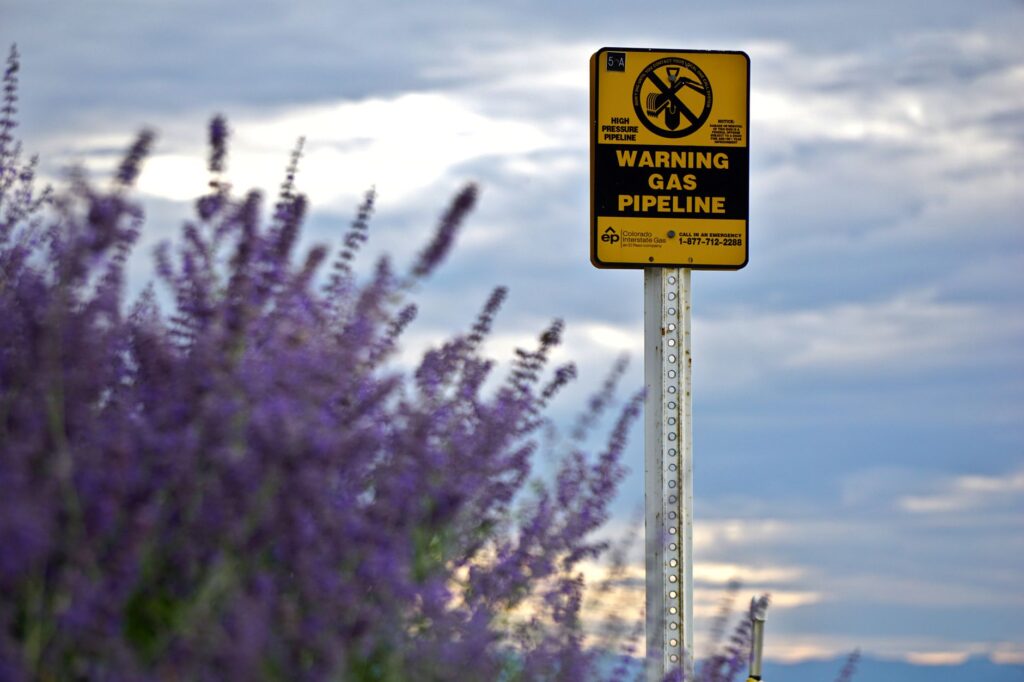
Furthermore, Nevada’s natural gas supply predominantly comes from pipelines originating in states like Utah and California. This external reliance undermines the state’s aspirations for energy self-sufficiency and creates a less resilient energy framework. The situation is exacerbated by the increasing demand for energy due to population growth and economic development, which further strains the existing fuel supply.
Infrastructure and Policy Limitations in Nevada Energy Independence
Another significant barrier to nevada energy independence is the state’s infrastructure and policy landscape. While Nevada boasts vast solar and geothermal resources, the current energy grid is not adequately equipped to handle a complete transition to renewable energy. Upgrading this infrastructure requires substantial investment and long-term planning, which can be hampered by bureaucratic red tape and policy inconsistencies.
Additionally, state policies regarding energy production and consumption are often slow to adapt to changing technologies and market conditions. This lag can stifle innovation and deter investments in renewable energy projects that are critical for achieving energy independence. As a result, Nevada finds itself in a complex situation where its potential for self-sufficiency is overshadowed by structural limitations and external dependencies.
Ultimately, while Nevada has made strides toward renewable energy, the combined challenges of external reliance on oil imports and natural gas supply, along with infrastructure and policy limitations, present significant obstacles to achieving full energy independence. Addressing these issues will be crucial for Nevada to realize its energy potential and secure a stable energy future.
Counterpoints: Skepticism Around Nevada Energy Independence
Economic Considerations of Nevada Energy Independence
While the idea of nevada energy independence is appealing, significant economic challenges threaten its viability. Transitioning from fossil fuels to renewable energy sources is not only costly but also requires substantial upfront investment. For instance, renewable energy infrastructure demands billions of dollars in construction and maintenance, which can strain state budgets and lead to increased energy costs for consumers. Additionally, many residents worry about job losses in traditional energy sectors, such as oil and gas extraction, which are critical to Nevada’s economy. The potential for economic disruption raises valid concerns about whether the state can realistically achieve energy independence without jeopardizing its financial stability.
Environmental Impact Concerns of Nevada’s Energy Projects
Another layer of skepticism surrounding nevada energy independence lies in the environmental impact of large-scale renewable energy projects. While renewable sources like solar and wind are often touted as clean alternatives, their production and deployment can have significant ecological ramifications. For example, solar farms require vast tracts of land, which can disrupt local ecosystems and wildlife habitats. The mining of minerals for solar panels and batteries poses risks to soil and water quality, raising questions about the sustainability of these technologies. Furthermore, transitioning to renewable energy does not eliminate the state’s reliance on natural gas supply as a backup for intermittent energy sources, which complicates the narrative of true independence.
In this context, the idea of moving away from oil imports and towards a self-sufficient energy model sounds noble but may be more complicated than advocates suggest. The balance between energy security and environmental responsibility remains a significant hurdle in the quest for Nevada’s energy independence.

The Future of Nevada Energy Independence
Innovations and Technological Advances for Nevada Energy Independence
As we look toward the future, the potential for Nevada energy independence is buoyed by innovations in energy technologies. One notable area of development is energy storage. Improved battery technologies can store excess solar and wind energy, allowing Nevada to use this clean energy even when the sun isn’t shining or the wind isn’t blowing. For instance, advancements in lithium-ion and flow battery technologies could make renewable energy more reliable and accessible. This not only enhances energy security but also reduces the need for fossil fuel imports, including oil imports, which have historically burdened the state’s energy landscape.
Moreover, energy efficiency measures, such as smart grids and demand response systems, can optimize energy use across the state. These technologies can reduce our overall energy consumption while ensuring that our natural gas supply is utilized more effectively, paving the way for a greener, more sustainable future.
Policy Recommendations for Greater Energy Security
To capitalize on these technological advances, Nevada must implement proactive policies aimed at bolstering energy independence and security. First, the state should invest in incentives for renewable energy projects, including tax credits and grants for solar and wind developers. This can promote local job creation while decreasing reliance on imported fuels.
Additionally, the state government should prioritize partnerships with private sectors to develop infrastructure that supports renewable technologies. By establishing a robust network for energy distribution and storage, Nevada can enhance its fuel supply while diversifying its energy portfolio. Moreover, policymakers should consider regulations that encourage energy conservation among consumers, fostering a culture of sustainability.
the future of Nevada energy independence hinges on embracing innovation and implementing forward-thinking policies. By doing so, we can transition towards a more secure energy future, reducing our dependence on foreign oil imports and enhancing our natural gas supply. The path is clear; with the right efforts, Nevada can become a leader in renewable energy and energy security.

Conclusion: The Path Forward for Nevada’s Energy Independence
Nevada’s journey towards energy independence is more than just a lofty goal; it represents a crucial pivot for the state’s economy and its environmental future. As we explored, efforts in renewable energy production and the reduction of oil imports have laid a strong foundation for a more self-sufficient energy landscape. However, the road ahead is fraught with challenges that require careful navigation.
While the state has made impressive strides in harnessing its abundant solar and geothermal resources, achieving true nevada energy independence demands a balanced approach. Addressing the complexities of energy security is vital. For instance, Nevada cannot overlook its reliance on external sources for its natural gas supply, which remains a critical component of the state’s energy mix. As we strive for independence, it’s equally important to ensure that our energy systems remain resilient and responsive to market fluctuations and geopolitical dynamics.
Moreover, as we continue to reduce oil imports, we must remain vigilant about the implications for our fuel supply stability. Transitioning to a fully renewable energy system is not just about replacing fossil fuels; it’s about building a robust infrastructure that can sustain growth while protecting the environment. This balance is essential for the long-term viability of the state’s energy independence.
Nevada’s pursuit of energy independence is a complex yet attainable goal. By fostering innovation in renewable technology while addressing the realities of energy security, the state can position itself as a leader in sustainable energy solutions. The journey may be long, but with collective effort and strategic planning, Nevada can truly achieve energy independence.

The journey toward Nevada energy independence is complex and layered. While the state enjoys a diverse array of renewable resources and a growing emphasis on sustainable practices, significant challenges remain. Energy security is vital for Nevada’s future, particularly as it navigates its reliance on oil imports and seeks to bolster its natural gas supply. The balance between sustainable energy goals and the realities of fuel supply will define the state’s path forward.
<pAs Nevada continues to explore its energy landscape, residents and policymakers alike should remain informed and engaged. Advocating for local renewable projects and supporting initiatives that enhance energy security can help shape a more independent and resilient energy future. By prioritizing investments in clean energy, Nevada can pave the way for a sustainable solution that reduces dependence on external fuel sources, ensuring a brighter tomorrow for all its residents.“`html
What is Nevada energy independence?
Nevada energy independence refers to the state’s ability to produce and manage its own energy resources without relying heavily on external sources. This concept includes utilizing renewable sources like solar and wind power, as well as optimizing energy efficiency. The goal is to create a sustainable energy future that minimizes dependence on fossil fuels and enhances energy security.
How does Nevada achieve energy security?
Nevada achieves energy security through a diverse mix of energy sources, including renewable energy, hydroelectric power, and natural gas. The state has invested in infrastructure improvements and policies that promote energy efficiency and conservation. By harnessing abundant solar energy and developing wind farms, Nevada aims to reduce its reliance on imported fuels and improve overall energy resilience.
What are the main sources of fuel supply in Nevada?
The main sources of fuel supply in Nevada include natural gas, renewable energy (solar and wind), and hydroelectric power. Natural gas plays a significant role in electricity generation, while solar energy is rapidly growing due to the state’s favorable climate. Additionally, coal and geothermal energy contribute to the fuel mix, although their share has been declining as Nevada focuses on cleaner energy sources.
How reliant is Nevada on oil imports?
Nevada is relatively less reliant on oil imports compared to other states, thanks to its increasing focus on renewable energy and natural gas. However, oil still plays a role, particularly in transportation and heating. The state is working on reducing its oil dependency through initiatives that promote electric vehicles and alternative fuels.
What is the current status of natural gas supply in Nevada?
The current status of natural gas supply in Nevada is stable, with adequate infrastructure in place to support demand. Natural gas is a primary energy source for electricity generation in the state. However, Nevada is also actively working to diversify its energy portfolio and reduce reliance on natural gas by promoting renewable energy projects.
What challenges does Nevada face in achieving energy independence?
Nevada faces several challenges in achieving energy independence, including regulatory hurdles, infrastructure limitations, and competition from other energy markets. Additionally, the transition to renewable energy requires significant investment and public support. Climate variability and the need for energy storage solutions are also critical factors that could impact the state’s energy future.
“`