

The future of fossil fuels is a topic that sparks intense debate as the world navigates an energy transition towards more sustainable sources. With renewable energy gaining traction, it’s crucial to understand how fossil fuels will fit into this evolving landscape. This article will explore the challenges and opportunities that lie ahead for fossil fuels, particularly in relation to energy transition dynamics. We’ll delve into the future of oil demand in a world increasingly dominated by renewables and examine how fuel markets are adapting to these changes. Additionally, the role of policy and global agreements will be highlighted, showcasing their impact on shaping the future of fossil fuels. As we look ahead, we’ll discuss the integration of fossil fuels and renewable energy, aiming to provide a comprehensive picture of what the future holds for these vital energy sources. Join us as we navigate this complex terrain and uncover the paths that lead to a balanced energy future.
Understanding the Future of Fossil Fuels in Today’s Energy Landscape
The Current State of Fossil Fuels
As we navigate the complexities of today’s energy landscape, understanding the future of fossil fuels is more crucial than ever. Despite the growing emphasis on sustainability, fossil fuels still play a dominant role in global energy consumption. In 2022, oil demand reached approximately 99.5 million barrels per day, showcasing the persistent reliance on oil as a primary energy source. This demand is driven by various sectors, particularly transportation and industry, where alternatives have yet to fully penetrate the market.
The implications of this continued reliance on fossil fuels are significant. With the ongoing energy transition, countries are grappling with the challenge of balancing economic growth and environmental responsibility. While fossil fuels are integral to current energy needs, their contribution to greenhouse gas emissions raises questions about sustainability and long-term viability. The challenge lies in how to manage a gradual shift away from these traditional energy sources while ensuring energy security and affordability.
The Rise of Renewable Energy and the Future of Fossil Fuels
Simultaneously, the rise of renewable energy is reshaping fuel markets across the globe. In 2022, renewable energy sources, including wind and solar, accounted for around 29% of global electricity generation, an increase from previous years. This growth highlights a pivotal shift in energy consumption patterns. As governments and corporations commit to decarbonization goals, the demand for renewables is expected to continue its upward trajectory, further influencing the future of fossil fuels.
The ongoing energy transition presents both challenges and opportunities. The oil and gas sector must adapt or risk obsolescence as renewable technologies become more economically viable. For instance, innovations in battery storage and energy efficiency are making renewables increasingly competitive against fossil fuels. This transformation will not only affect energy markets but also the geopolitical landscape, as countries that are heavily reliant on fossil fuel exports may face economic pressures in the coming decades.
As we look to the future, it is essential to monitor both fossil fuel consumption and the rise of renewable energy. Understanding these dynamics will be key in navigating the complexities of the energy transition and shaping a sustainable future for all.
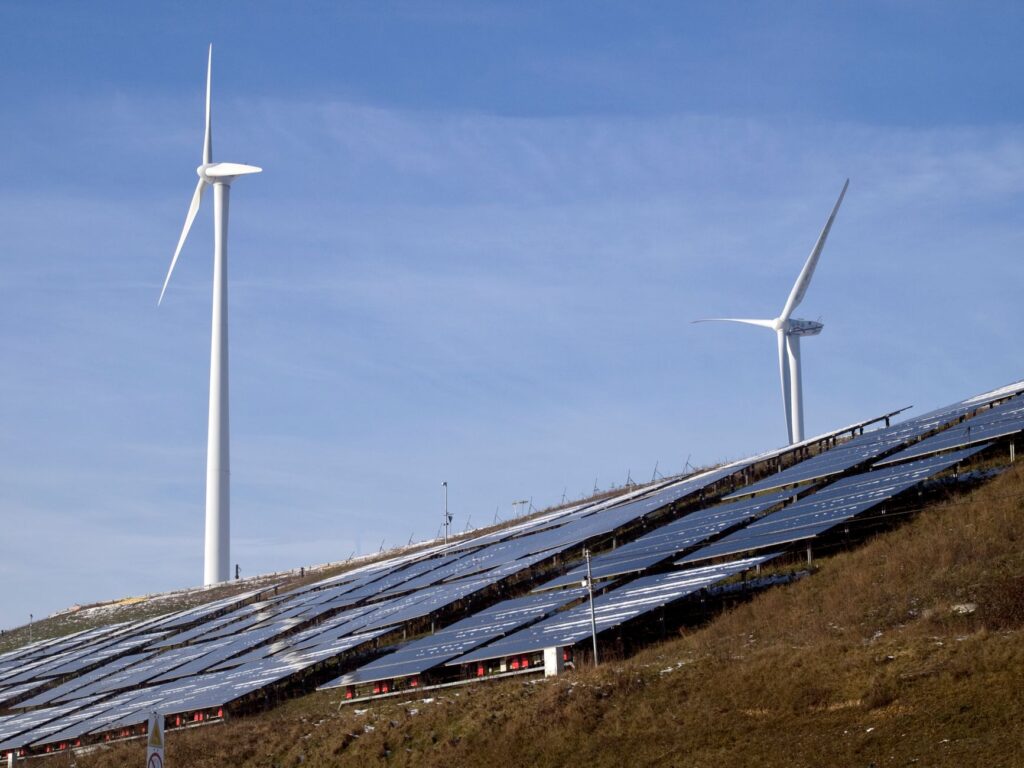
The Energy Transition: Challenges and Opportunities for Fossil Fuels
The Future of Fossil Fuels: Navigating the Shift from Fossil Fuels
The ongoing energy transition is reshaping global fuel markets, presenting both significant challenges and unique opportunities for the future of fossil fuels. As nations strive to meet ambitious climate goals, the demand for renewable energy sources is surging. According to the International Energy Agency, renewables are set to account for a substantial portion of power generation by 2030, altering the landscape in which fossil fuels operate.
However, this shift is not without its hurdles. The fossil fuel industry faces increasing pressure from policymakers, investors, and consumers to reduce carbon emissions. A recent report indicated that global oil demand may peak within the next decade, driven by the electrification of transportation and stricter environmental regulations. Consequently, companies specializing in oil and gas must adapt rapidly or risk obsolescence. This transition phase is marked by uncertainty, as traditional fuel markets grapple with fluctuating demand and evolving consumer preferences.
Opportunities for Innovation in Fuel Markets
Despite these challenges, the energy transition also opens up avenues for innovation. The fossil fuel sector is increasingly investing in technologies that not only enhance efficiency but also facilitate a sustainable future. For instance, advancements in carbon capture and storage (CCS) technologies can help mitigate greenhouse gas emissions, allowing fossil fuel usage to coexist with climate objectives. Furthermore, many companies are diversifying their portfolios by investing in renewable energy projects, thereby positioning themselves as integral players in the new energy economy.
Emerging technologies such as hydrogen production and biofuels are also gaining traction, offering potential solutions that align with global energy demands. The World Economic Forum suggests that hydrogen could play a crucial role in decarbonizing sectors that are difficult to electrify, further indicating a pivotal shift in fuel markets.
As the transition unfolds, the future of fossil fuels will likely be characterized by a blend of traditional energy sources and innovative technologies. Companies that embrace this evolution and invest in sustainable practices may find themselves not just surviving, but thriving in a transformed energy landscape. This adaptability will ultimately shape the role of fossil fuels in the global economy, as they navigate the complexities of an increasingly renewable-focused world.
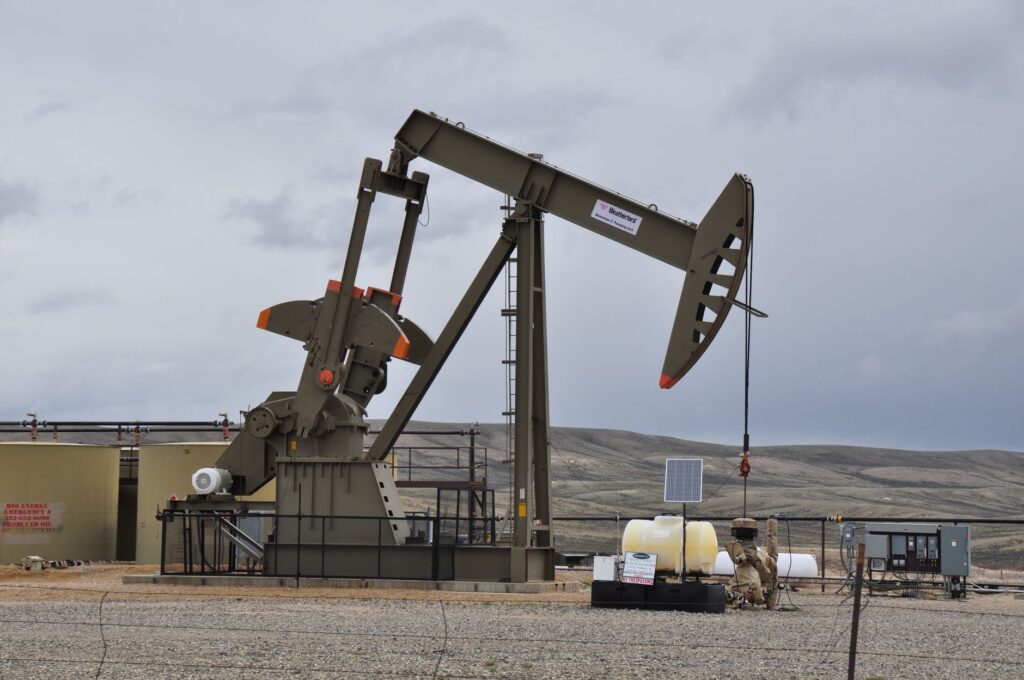
Oil Demand and Its Future in a Renewable Energy Era
Predicting Oil Demand Trends in the Future of Fossil Fuels
Oil demand has long been a cornerstone of global energy consumption, but the landscape is shifting dramatically. As the International Energy Agency (IEA) notes, global oil demand is projected to peak in the late 2020s, primarily due to the accelerating energy transition towards renewable sources. This transition is fueled by a combination of policy changes, technological advancements, and shifting consumer preferences.
The rise of renewable energy sources, such as solar and wind, is increasingly displacing oil in various sectors. For instance, the Bloomberg New Energy Finance highlights how the adoption of clean energy solutions is expected to reduce oil consumption in electricity generation and transportation. As more governments set ambitious targets for net-zero emissions, the pressure on traditional fuel markets intensifies.
Impact of Electric Vehicles on Oil Consumption
One of the most significant disruptors in the oil market is the rapid adoption of electric vehicles (EVs). According to the IEA’s Global EV Outlook 2021, the number of electric cars on the road is expected to reach 145 million by 2030, a substantial rise from 10 million in 2020. This shift not only reduces oil demand for transportation but also prompts automakers to rethink their strategies, with many pledging to transition to electric models entirely.
The implications for fuel markets are profound. A decline in oil consumption could lead to price volatility and increased competition among energy sources. Furthermore, the global electric vehicle market is projected to exceed 800 billion USD by 2027, highlighting the economic potential of the energy transition.
As we navigate this transformative era, the future of fossil fuels appears uncertain. While oil will continue to play a role in the global energy landscape, its dominance is being challenged like never before. The interplay between renewable energy adoption and electric vehicle expansion will undoubtedly shape our energy future.

The Role of Policy and Global Agreements in Shaping the Future of Fossil Fuels
International Agreements and Their Impact on the Future of Fossil Fuels
As the world increasingly pivots towards renewable energy, international agreements are crucial in shaping the future of fossil fuels. The Paris Agreement, adopted in 2015, is a landmark accord aimed at limiting global warming to well below 2 degrees Celsius. This agreement has prompted nations to commit to reducing greenhouse gas emissions, thus accelerating the energy transition away from fossil fuels. Countries are setting ambitious targets to decrease their oil demand and boost investments in clean energy technologies.
Moreover, the International Energy Agency has noted that the path to net-zero emissions will require a significant decline in fossil fuel use, which poses a challenge for fuel markets traditionally reliant on oil and gas. This transition is not merely regulatory; it is a shift in market dynamics, driven by global consensus and public demand for sustainable practices.
National Policies Driving Change in the Future of Fossil Fuels
National policies also play a pivotal role in influencing the energy landscape. Governments worldwide are implementing incentives to promote renewable energy, such as tax credits and subsidies for solar and wind projects. For instance, countries like Germany and Australia have set ambitious renewable energy targets that demonstrate a commitment to reducing reliance on fossil fuels.
As these policies take root, they are reshaping fuel markets and influencing global oil demand. The OPEC has acknowledged that the future of fossil fuels will be closely tied to how swiftly nations can transition to cleaner alternatives. The ongoing shift not only impacts energy production but also transforms economies and job markets, emphasizing the need for a well-planned transition to ensure energy security.

Ultimately, the interplay of international agreements and national policies is essential in determining the future of fossil fuels. As these frameworks evolve, they will significantly influence how quickly and effectively the world can transition to a more sustainable energy future.
Looking Ahead: The Future of Fossil Fuels and Renewable Energy Integration
Scenarios for a Hybrid Energy Future
The future of fossil fuels is increasingly intertwined with the growth of renewable energy sources. As the world pivots towards cleaner energy solutions, we can anticipate several scenarios where fossil fuels and renewables coexist. One possibility is the emergence of hybrid energy systems that leverage the strengths of both sectors. For instance, natural gas could serve as a bridge fuel, supporting the transition while renewable technologies like solar and wind continue to scale up. This hybrid model can stabilize energy supply during peak demand times and when renewable generation is inconsistent.
Moreover, advancements in energy storage technologies will play a crucial role in this integration. By enhancing battery storage capabilities, we can store excess renewable energy generated during peak production times and use it when demand surges. This could allow fossil fuel plants to operate more efficiently, reducing their environmental footprint while meeting oil demand in a transitioning market.
The Path Forward for Fossil Fuel Industries
For fossil fuel industries to thrive amidst this energy transition, innovation will be key. Companies can diversify their portfolios by investing in renewable energy projects or carbon capture technologies. This not only mitigates risks associated with fluctuating fuel markets, but also aligns with global sustainability goals.
Additionally, a commitment to reducing emissions can enhance brand reputation and attract environmentally conscious investors. Fossil fuel companies that take proactive steps can position themselves as integral players in the clean energy narrative, rather than as mere relics of a bygone era.
As we look ahead, the future of fossil fuels will require adaptability and forward-thinking strategies. By harnessing technology and embracing change, the fossil fuel sector can not only survive but also contribute meaningfully to a sustainable energy landscape. 
The future of fossil fuels is intertwined with the ongoing energy transition, which is reshaping global fuel markets. As renewable energy technologies advance and become more cost-effective, their impact on oil demand is likely to become more pronounced. This shift not only represents a challenge for traditional energy sources but also opens up opportunities for innovation and investment in sustainable alternatives. Understanding how these dynamics will unfold is crucial for stakeholders in both fossil fuel and renewable sectors.
For those interested in the evolving landscape of energy, staying informed about trends in fossil fuels and renewable energy is essential. Engaging with the latest research and analyses can help you make informed decisions, whether you are an investor, policymaker, or simply an engaged citizen. Embrace the change, and consider how you can contribute to a sustainable future while navigating the complexities of our global energy framework.
“`html
What is the future of fossil fuels in a renewable energy world?
The future of fossil fuels in a renewable energy world is complex. While renewable energy sources like solar and wind are growing rapidly, fossil fuels will likely continue to play a role in the energy mix for the foreseeable future. Transitioning to renewables is crucial for reducing carbon emissions, but fossil fuel industries must adapt by investing in cleaner technologies and diversifying their portfolios to remain viable in a lower-carbon economy.
How will the energy transition affect oil demand?
The energy transition is expected to significantly impact oil demand, particularly in transportation and electricity generation sectors. As electric vehicles become more prevalent and countries implement stricter emissions regulations, demand for oil may decline. However, oil will still be needed in certain applications, such as aviation and shipping, suggesting a gradual transition rather than an immediate drop in demand.
What challenges do fossil fuel markets face today?
Fossil fuel markets face several challenges today, including regulatory pressures, fluctuating prices, and increasing competition from renewable energy sources. Additionally, there is growing public concern over climate change, which pushes governments to implement policies that favor clean energy. These factors create uncertainty for fossil fuel companies, requiring them to adapt or risk becoming obsolete.
How is renewable energy impacting fuel markets?
Renewable energy is significantly impacting fuel markets by providing alternatives to traditional fossil fuels. As technology improves and costs decrease, more consumers and industries are adopting renewable solutions, which affects demand for oil, coal, and natural gas. This shift is influencing pricing dynamics and market strategies, compelling fossil fuel companies to innovate and diversify their offerings.
What are the predictions for oil demand in the next decade?
Predictions for oil demand over the next decade vary, but many analysts foresee a gradual decline in demand as electric vehicles gain traction and renewable energy becomes more cost-effective. However, demand may stabilize in certain regions and sectors, such as petrochemicals and aviation, where alternatives are not yet viable. The overall trend will depend on policy actions, technological advancements, and consumer behavior.
How can fossil fuel industries adapt to the energy transition?
Fossil fuel industries can adapt to the energy transition by investing in cleaner technologies, such as carbon capture and storage, and diversifying their energy portfolios to include renewable sources. Collaborating with governments and other stakeholders to support sustainable practices and innovate new solutions will be crucial. These steps can help fossil fuel companies remain relevant as the global energy landscape evolves.
“`