
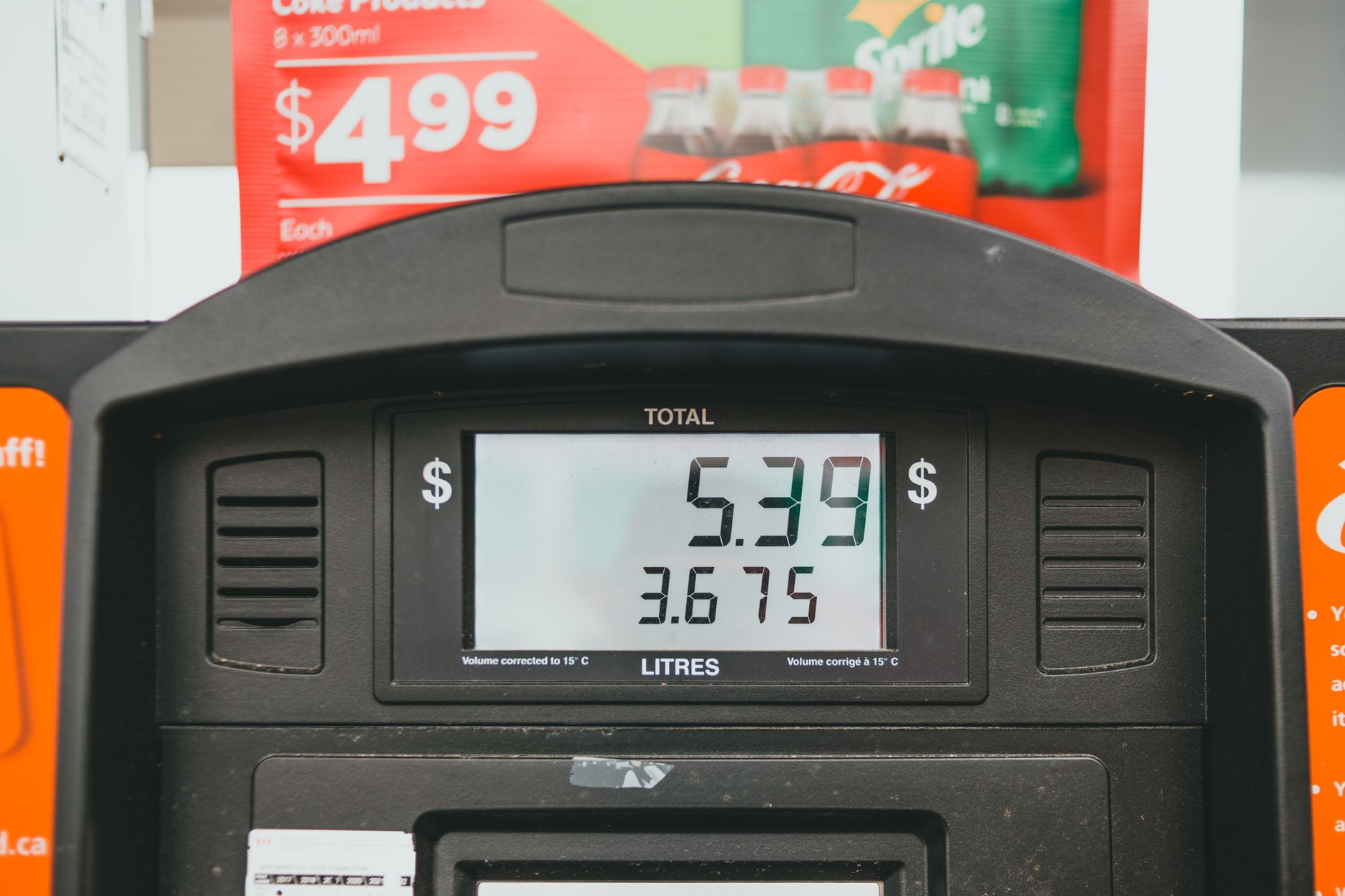
Fuel price fluctuations are a constant topic of conversation among consumers and economists alike, reflecting the intricate balance of global supply and demand. Understanding what drives these changes can shed light on the wider implications for our wallets and the economy as a whole. In this article, we will explore various facets of fuel price fluctuations, diving into the factors that influence gasoline prices, the complex dynamics of oil markets, and the principles of energy economics. We will also examine seasonal trends that impact fuel prices, question whether these prices are always rational, and look toward the future to make predictions about upcoming trends. Whether you’re a casual driver or an industry professional, grasping the nuances of fuel price fluctuations can empower you to better navigate the financial landscape shaped by energy costs. For further insights, consider exploring the U.S. Energy Information Administration and World Bank Research for valuable data and analysis.
Fuel Price Fluctuations: What Drives Changes?
Global Demand and Supply Dynamics
When discussing fuel price fluctuations, the primary drivers invariably boil down to the intricate dance between global demand and supply. The world’s appetite for fuel is influenced by a variety of factors, including economic growth, seasonal changes, and even technological advancements in energy efficiency. For instance, as emerging economies like India and China continue to industrialize, their demand for gasoline and diesel rises sharply. According to the U.S. Energy Information Administration, global oil consumption was projected to rise significantly in response to this increased demand.
On the supply side, oil production levels can fluctuate based on OPEC’s strategic decisions, exploration activities, and even natural disasters that can disrupt extraction capabilities. For example, the OPEC+ production cuts implemented in reaction to the COVID-19 pandemic had a dramatic effect on oil prices. As economies began to recover, the sudden spike in demand against a backdrop of limited supply led to noticeable increases in fuel prices.
Geopolitical Factors and Oil Markets Impacting Fuel Price Fluctuations
No discussion of fuel price fluctuations would be complete without addressing the role of geopolitical events. Conflicts in oil-rich regions, such as the Middle East, can cause immediate spikes in gasoline prices as markets react to perceived risks. For example, the tensions between the U.S. and Iran have historically resulted in fluctuations in oil markets, demonstrating how interconnected global politics and energy economics truly are.
Additionally, trade agreements can either stabilize or disrupt fuel prices. A recent study indicated that tariffs on imported oil can lead to increased domestic prices, affecting consumers at the pump. As such, the intricate web of international relations plays a crucial role in determining gas prices and overall fuel market stability.
The volatility of fuel prices often feels like an unpredictable tide, influenced by both local and global events. As consumers, we may feel powerless against these fluctuations, but understanding the underlying mechanisms can empower us to make informed choices about our energy consumption and investments.
Energy Economics: The Role of Market Speculation
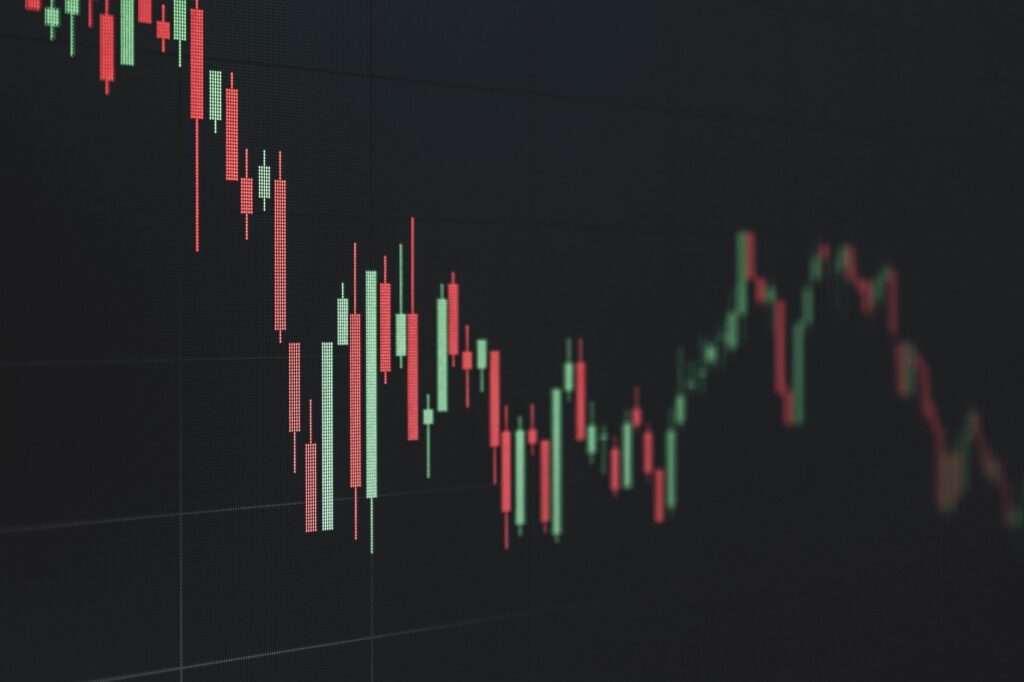
Fuel price fluctuations are not merely a product of supply and demand; they are also significantly influenced by market speculation. In the realm of energy economics, traders forecast future prices based on a myriad of factors, including geopolitical events, economic indicators, and even weather forecasts. This speculation can lead to considerable volatility in fuel prices, often creating a feedback loop that exacerbates price swings.
Speculation and Price Predictions
Market speculation plays a critical role in shaping expectations about future fuel prices. Traders buy and sell contracts based on anticipated changes in the oil markets, and their actions can influence prices long before any physical oil is traded. For instance, if traders expect tensions in the Middle East to escalate, they may bid up prices in anticipation of potential supply disruptions. This behavior can create self-fulfilling prophecies where the mere expectation of higher prices leads to actual increases in gasoline prices, even if the supply remains stable.
Moreover, economic indicators such as employment rates, inflation, and consumer spending also feed into these predictions. Positive economic news can encourage speculation that leads to higher prices, while negative indicators might prompt a sell-off. Such dynamics illustrate how intertwined the concepts of speculation and real-world economic conditions are in the context of fuel price fluctuations.
Impact of Futures Trading on Fuel Prices
The impact of futures trading on fuel prices can be profound. By locking in prices for future delivery, traders can hedge against uncertainty, but this practice can also lead to increased volatility. For example, when a significant number of traders close their positions simultaneously, it can cause sharp price movements in the oil markets, affecting gasoline prices at the pump almost immediately. This aspect of futures trading can contribute to the erratic nature of fuel price fluctuations, as seen during crises or natural disasters that disrupt normal market functions.
While some argue that speculation provides liquidity and aids in price discovery, the reality is that it can also lead to inflated prices disconnected from actual supply and demand. A more balanced approach to regulating speculative trading could help mitigate these wild swings and create a more stable environment for consumers and businesses alike. the connection between inflation and fuel prices
As we continue to navigate the complexities of energy economics, understanding the role of market speculation becomes essential. It shapes not just the prices we pay at the pump but also the broader implications for economic stability and consumer trust in energy markets.
Seasonal Trends and Fuel Price Fluctuations
The Summer Driving Season and Fuel Price Fluctuations
Every summer, millions of Americans hit the road for vacations and long weekend getaways, creating a significant spike in demand for fuel. This seasonal surge is a primary driver of fuel price fluctuations, as increased consumption puts pressure on supply. According to the U.S. Energy Information Administration, gasoline prices typically rise during the summer months, often reaching their highest levels in late spring and early summer. This trend reflects not only the uptick in travel but also the seasonal transition to summer blends of gasoline, which are formulated to minimize evaporative emissions in warmer temperatures.
Moreover, the oil markets play a crucial role in determining how much consumers pay at the pump. When demand spikes in the summer, oil prices often react accordingly. The intricate dance of supply and demand, coupled with geopolitical factors affecting oil production, creates a volatile environment for fuel pricing. While some argue that these price hikes are justifiable given the increased demand, others view them as opportunistic pricing strategies by fuel retailers. Regardless of perspective, the reality remains that summer driving significantly impacts fuel price fluctuations across the nation.
Winter Fuel Blends and Their Role in Price Variations
As the seasons change, so too do the fuel blends that keep our vehicles running. Winter fuel blends, which are designed to maintain engine performance in colder temperatures, often come at a higher production cost. This transition can lead to noticeable increases in gasoline prices as refineries switch over to these specialty formulations. According to the American Petroleum Institute, these blends help to reduce emissions but can also create price spikes during the transition period.
Critics of this system point out that the added costs of winter blends contribute to price variability, further complicating the already intricate landscape of energy economics. Not only do consumers feel the pinch with changing prices at the pump, but they also face the ongoing uncertainty of how these fluctuations will affect their budgets. This inherent unpredictability can lead to frustration and skepticism about the fairness of pricing practices within the fuel industry.
Ultimately, understanding how seasonal trends influence fuel price fluctuations is crucial for consumers and policymakers alike. By recognizing the impact of both summer driving demand and winter fuel requirements, stakeholders can better navigate the complexities of the oil markets and make informed decisions about energy consumption and budgeting.
Counterpoints: Are Fuel Prices Always Rational?
When we discuss fuel price fluctuations, it’s easy to assume that they are driven purely by the mechanics of supply and demand. However, evidence suggests that not all price changes in the fuel market are rooted in rational economic behavior. Various psychological factors and potential market manipulation can lead to price movements that seem disconnected from the fundamental realities of oil markets and energy economics.
Psychological Factors in Pricing
One of the most compelling arguments against the rationality of fuel prices is the role of psychological factors. Consumers often react emotionally to rising gasoline prices, which can lead to a self-fulfilling prophecy. When prices begin to climb, the fear of even higher costs can prompt panic buying, resulting in short-term spikes that aren’t necessarily justified by supply constraints or demand increases. This phenomenon is known as the “bandwagon effect,” where individuals make decisions based on the actions of others rather than their own analysis of the situation. Such herd behavior can inflate prices beyond their rational level, distorting the true market equilibrium.
Market Manipulation Concerns and Fuel Price Fluctuations
Allegations of market manipulation also cast doubt on the notion that fuel price fluctuations are always rational. The oil markets are complex, and players with significant market power can influence prices to their advantage. For instance, reports have suggested that large oil companies may engage in practices that artificially inflate prices, such as limiting supply or creating artificial scarcity. The U.S. Energy Information Administration has noted instances where such tactics can lead to increased gasoline prices, impacting consumers and businesses alike.
Therefore, while supply and demand fundamentals certainly play a role in shaping fuel prices, we must acknowledge the psychological factors and potential market manipulation that can skew perceptions and outcomes. The reality is that fuel prices are not always a straightforward reflection of market dynamics; they can be influenced by irrational behaviors and strategic maneuvers that complicate our understanding of the energy landscape.
The Future of Fuel Prices: Predictions and Trends
Fuel Price Fluctuations and Emerging Energy Alternatives
The landscape of fuel prices is undergoing a transformative shift, driven by the rise of emerging energy alternatives. As electric vehicles (EVs) gain traction and renewable energy sources become more mainstream, the demand for traditional fossil fuels is poised to decline. According to the International Energy Agency, there could be as many as 145 million EVs on the road by 2030, significantly impacting gasoline prices. This transition could lead to a volatile yet downward trend in fuel price fluctuations as oil markets adjust to a new reality.
However, it is crucial to acknowledge the complexities involved. While the shift to alternative energy sources may reduce demand for oil, geopolitical tensions, natural disasters, and even governmental policies can still influence oil supply and, consequently, prices. According to U.S. Energy Information Administration, any disruption in oil production, particularly in major oil-producing regions, can have an immediate and pronounced effect on global fuel prices.
Long-term Economic Impacts on Fuel Price Fluctuations
Long-term economic factors will also play a significant role in shaping future fuel prices. As economies shift towards more sustainable practices, traditional fuel-dependent industries may face increased operational costs, prompting them to pass those costs along to consumers. This could create a more pronounced fluctuation in gasoline prices as the market adjusts to new economic realities. Additionally, inflationary pressures and changes in consumer behavior will contribute to price volatility. The World Bank predicts that global economic recovery post-COVID-19 will influence demand patterns, further complicating energy economics across the board.
while emerging energy alternatives signal a promising future for less reliance on fossil fuels, they coexist with a complex web of economic and geopolitical factors that will continue to influence fuel price fluctuations. As consumers, businesses, and governments navigate this changing landscape, the interplay between innovation and traditional energy markets will determine the pricing dynamics of gasoline and other fuels for years to come.
Understanding fuel price fluctuations is essential for navigating the complexities of the oil markets and their impacts on daily life. Factors such as geopolitical tensions, supply chain issues, and shifts in consumer demand all play crucial roles in determining gasoline prices. By grasping these concepts, individuals and businesses alike can better strategize their energy consumption and budgeting.
As you become more aware of energy economics, consider staying informed about market trends and potential changes in fuel prices. Regularly check reliable sources for updates on oil markets, as this knowledge can empower you to make proactive decisions regarding your fuel usage. Whether you’re planning a road trip or managing a fleet of vehicles, understanding the dynamics behind fuel price fluctuations can help you navigate the road ahead with confidence.
“`html
What causes fuel prices to rise and fall?
Fuel prices fluctuate primarily due to changes in supply and demand. Factors such as natural disasters, geopolitical tensions, and economic growth can disrupt supply chains or alter demand levels. Additionally, fluctuations in crude oil prices, influenced by OPEC decisions and global oil markets, directly impact gasoline prices. Seasonal variations, such as increased travel during summer months, can also contribute to rising costs.
How do geopolitical events affect gasoline prices?
Geopolitical events can significantly impact oil markets and, consequently, gasoline prices. Conflicts in oil-producing regions, sanctions on oil exports, or political instability can disrupt supply. For instance, tensions in the Middle East often lead to fears of supply shortages, driving prices higher. Additionally, changes in trade policies or relations can affect production levels and distribution, influencing overall fuel price fluctuations.
Why do fuel prices fluctuate seasonally?
Seasonal fluctuations in fuel prices are largely driven by changes in demand. During summer, increased travel and higher gasoline consumption lead to higher prices. Conversely, winter months may see a decrease in demand as travel slows. Additionally, refineries often switch to summer blends of gasoline, which are more expensive to produce, further contributing to seasonal price changes. Understanding these patterns helps consumers anticipate costs.
What role does speculation play in fuel pricing?
Speculation in oil markets can significantly influence fuel price fluctuations. Traders buy and sell contracts based on anticipated future prices, which can drive prices up or down. If speculators believe that a geopolitical event will disrupt supply, they may buy oil futures, leading to a price increase. This speculative trading can create volatility, often disconnecting current prices from the underlying supply and demand fundamentals.
How can market manipulation impact fuel prices?
Market manipulation can distort fuel prices by creating artificial scarcity or driving prices away from their true market value. For example, if traders collude to restrict supply or spread false information, they can influence perceptions of demand and supply, leading to inflated prices. Regulatory bodies monitor such activities, but manipulation can still occur, affecting gasoline prices and overall market stability.
What are the predictions for future fuel prices?
Predictions for future fuel prices depend on multiple factors, including global economic conditions, geopolitical stability, and advancements in energy economics. Analysts often consider trends in oil production and consumption, alongside potential regulatory changes and technological developments in alternative energy. While forecasts can provide insights, they are inherently uncertain, and consumers should stay informed about potential shifts that could affect fuel price fluctuations.
“`