

Understanding America’s oil reserves is more important than ever as global energy demands continue to rise and the quest for fuel security becomes a top priority. These reserves serve as a critical component of the country’s energy resources, influencing both the economy and the stability of the petroleum industry. In this article, we will explore the current state of American oil reserves, shedding light on their significance in today’s context. We’ll delve into why it matters now, examining the implications for domestic production and energy independence. Additionally, we’ll discuss the future of these reserves, highlighting the challenges they face, including environmental concerns and regulatory hurdles. By the end, you’ll have a clearer understanding of not only how American oil reserves impact our daily lives but also the broader implications for energy policy and national security. For more insights on energy resources, check out [the U.S. Energy Information Administration](https://www.eia.gov/) and [the American Petroleum Institute](https://www.api.org/).
The Current State of American Oil Reserves
Overview of American Oil Reserves
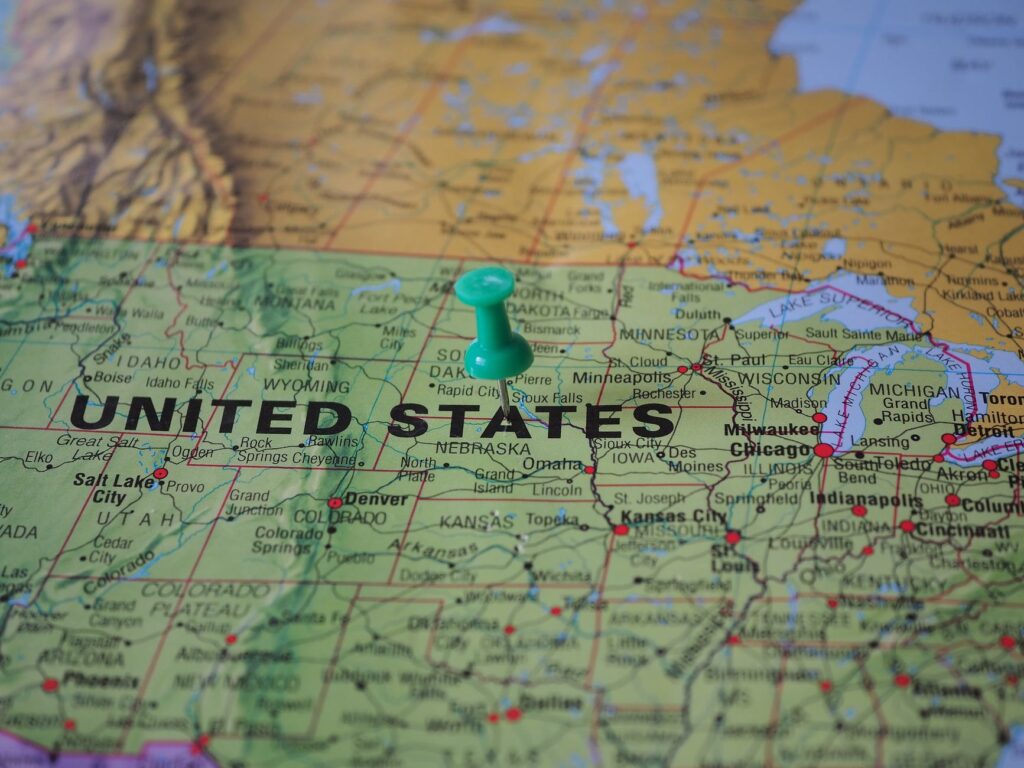
Understanding the current status of american oil reserves is crucial, especially as we navigate a complex global energy landscape. As of 2023, the United States boasts approximately 47 billion barrels of proven oil reserves, according to the U.S. Energy Information Administration (EIA) source. This figure reflects a significant increase over the past decade, driven in part by advancements in extraction technologies like hydraulic fracturing and horizontal drilling. These innovations have unlocked previously inaccessible resources, particularly in shale formations across states such as Texas, North Dakota, and New Mexico.
Recent Trends in Domestic Production
The rise in domestic production has been remarkable. In 2012, U.S. oil production was around 6.5 million barrels per day; by 2023, it has surged to approximately 12.8 million barrels per day source. This dramatic increase has implications for fuel security, allowing the U.S. to reduce its dependency on foreign oil. The petroleum industry has responded to this shift by investing in infrastructure and technology to further enhance recovery rates and production efficiency.
However, the landscape is not without challenges. Fluctuations in global oil prices, geopolitical tensions, and shifts toward renewable energy sources all play a role in shaping the future of american oil reserves. As the nation balances its energy resources between fossil fuels and renewables, the implications for both the economy and environmental policy will be significant. Moving forward, the focus will likely remain on optimizing production while addressing the urgent need for sustainable energy solutions.
Understanding these dynamics is essential for stakeholders in the energy sector, policymakers, and consumers alike as we consider the future of energy in America and the role of oil in it. For those looking to delve deeper into the intricacies of the petroleum landscape, we recommend exploring related discussions on Understanding the Strategic Petroleum Reserve and Understanding Strategic Petroleum Reserves for Energy Security.
Why American Oil Reserves Matter Now
Geopolitical Implications of American Oil Reserves
As global geopolitical tensions rise, the importance of american oil reserves has never been more pronounced. Nations across the world are grappling with energy security, particularly in light of conflicts that threaten the stability of key oil-producing regions. For example, the ongoing crisis in Eastern Europe and tensions in the Middle East have heightened concerns over supply disruptions that could impact global markets. In this context, American oil reserves offer a crucial buffer against potential shocks to the petroleum industry, allowing the U.S. to maintain a degree of independence from foreign oil dependence.
With countries like Russia and Saudi Arabia wielding significant influence over global oil prices, the ability to tap into domestic production becomes not just an economic issue but a matter of national security. The strategic use of these reserves can help mitigate price volatility and ensure that the U.S. remains a key player in energy discussions on the global stage. As domestic production levels fluctuate, understanding the role of these reserves becomes essential for policymakers aiming to navigate the complexities of international energy relations.
Economic Considerations Around American Oil Reserves
The economic landscape is also shifting, with inflation and fluctuating oil prices affecting consumers and businesses alike. American oil reserves play a pivotal role in stabilizing the domestic market. By leveraging these resources, the U.S. can manage fuel security effectively, providing a more predictable energy supply and potentially lowering fuel costs for consumers. According to the U.S. Energy Information Administration, the U.S. has one of the largest reserves in the world, making it a vital asset during times of economic uncertainty.
Moreover, the petroleum industry is experiencing a technological revolution that enhances the efficiency of extracting these resources. Advances in hydraulic fracturing and horizontal drilling have significantly increased domestic production, enabling the U.S. to become one of the top producers globally. This not only boosts the economy but also reinforces the importance of maintaining robust energy resources within the country.
As we look to the future, the interplay between geopolitical dynamics and economic pressures will continue to shape the narrative around american oil reserves. Policymakers must prioritize strategies that maximize these resources while promoting sustainable practices, thus ensuring long-term fuel security and resilience in the face of global challenges.

The Future of American Oil Reserves
Technological Innovations in American Oil Reserves
The landscape of American oil reserves is evolving rapidly, thanks in large part to technological innovations. Advances in seismic imaging, drilling techniques, and data analytics have made it easier to locate and extract oil efficiently. For instance, hydraulic fracturing and horizontal drilling have unlocked previously inaccessible reserves, significantly increasing domestic production. According to the U.S. Energy Information Administration, these techniques have contributed to a dramatic rise in U.S. crude oil production from about 5 million barrels per day in 2008 to over 11 million barrels per day in 2021 (EIA). As technology continues to advance, the potential for further exploration and extraction of American oil reserves remains promising. However, these innovations also come with their challenges, particularly in balancing economic benefits with environmental concerns. Improved efficiency may lead to increased output, but it also raises questions about sustainability and the long-term viability of fossil fuel reliance in the face of climate change.
Sustainability and Environmental Impact
The tension between fuel security and environmental impact is a significant issue facing the petroleum industry today. With growing awareness around climate change and sustainability, many are questioning the future role of American oil reserves in a clean energy transition. The Biden administration has emphasized a shift toward renewable energy sources, creating a complex scenario for the oil sector, which plays a crucial role in the nation’s fuel security. While oil remains a vital component of the U.S. energy mix, the push for sustainability has led to increased investment in cleaner technologies and practices. Companies are exploring ways to reduce their carbon footprints through improved efficiency and alternative energy resources. This dual focus on maintaining fuel security while addressing environmental concerns is shaping the future of the petroleum industry in America. Ultimately, the future of American oil reserves will likely depend on how well the industry adapts to these technological advancements and environmental pressures. As stakeholders navigate this complex landscape, the decisions made today could have profound implications for energy production and consumption in the coming decades.
Challenges Facing American Oil Reserves
Market Volatility and American Oil Reserves
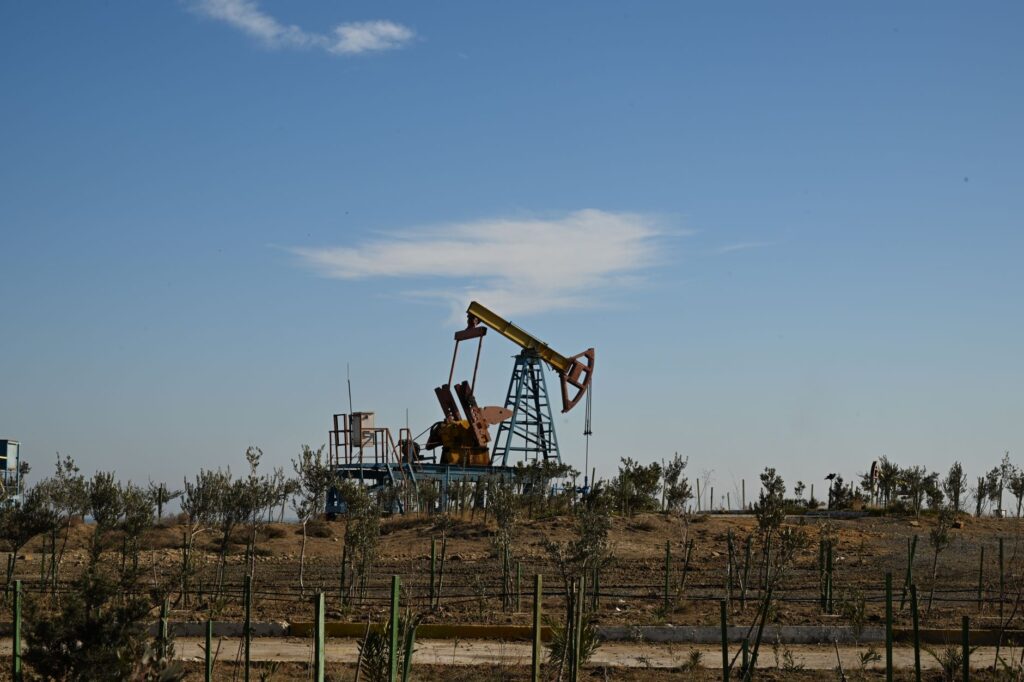
The management and utilization of american oil reserves are increasingly challenged by market volatility. Fluctuations in global oil prices create uncertainty for the petroleum industry, impacting investment decisions and domestic production levels. For instance, when prices soar, there’s a rush to ramp up production. Conversely, when prices plummet, companies may scale back operations or even shut down wells, leading to a rollercoaster effect that complicates long-term planning. This instability not only affects the economic landscape but also has implications for fuel security and the overall stability of energy resources.
According to the U.S. Energy Information Administration, the average annual price of West Texas Intermediate (WTI) crude oil has seen significant fluctuations over the past decade. These changes in pricing can lead to hesitancy among investors, who may be reluctant to commit to new projects amid potential losses. Consequently, the ability to maintain a steady flow of domestic production becomes increasingly difficult, posing a threat to the nation’s energy independence.
Regulatory Environment Impacting American Oil Reserves
The regulatory environment surrounding american oil reserves presents another layer of complexity. Stricter environmental regulations and policies aimed at combating climate change can restrict drilling and production activities. While these regulations are crucial for environmental protection, they can also hinder the growth of the petroleum industry and limit the effectiveness of domestic production efforts.
Moreover, changes in administration can lead to rapid shifts in energy policy, as seen recently with the Biden administration’s focus on renewable energy sources. This shift has raised concerns among oil producers regarding their ability to operate within a favorable regulatory framework. The uncertainty surrounding these policies can lead to delays in project approvals and increased costs, ultimately affecting the availability of energy resources and the nation’s fuel security.
As the landscape continues to evolve, the challenge remains: how can the United States effectively balance the need for sustainable energy practices with the demand for reliable oil supplies? The answer will likely shape the future of domestic production and the role of american oil reserves in the broader energy equation.
The Path Forward for American Oil Reserves
Understanding the dynamics of american oil reserves is crucial as we navigate an increasingly complex energy landscape. With geopolitical tensions and shifts in energy policy, the focus on domestic production becomes more significant than ever. The U.S. has the potential to enhance its fuel security by leveraging its vast oil reserves, which not only supports the economy but also decreases reliance on foreign energy resources. As innovations in extraction techniques and technologies evolve, the petroleum industry stands at a crossroads, presenting both opportunities and challenges.
Recent data indicates that American oil reserves are not only substantial but also more accessible than previously thought, thanks to advancements in drilling and extraction methods. However, the sustainability of these reserves remains a topic of debate. The need for a balanced approach that includes renewable energy sources alongside traditional fossil fuels is essential for a comprehensive energy strategy. Policymakers and industry leaders must work collaboratively to ensure that the U.S. remains a leader in both oil production and energy innovation, positioning itself for future challenges.
Call to Action: Understanding American Oil Reserves
As citizens, staying informed about developments in the petroleum industry is vital. The implications of oil production extend beyond the economy; they impact global relations, environmental policies, and energy security. It’s imperative to engage in discussions surrounding energy resources and to advocate for policies that promote sustainable practices in oil extraction and utilization.
By prioritizing education and awareness, we can collectively influence future energy policies that not only safeguard our domestic production but also promote environmental stewardship. We encourage readers to explore more about the intricacies of american oil reserves, and to participate in community dialogues and initiatives that shape the future of our energy landscape. For deeper insights, refer to Understanding Fuel Price Fluctuations: Causes and Effects, The Economics of Domestic Energy Production Today, and The Real Environmental Impact of Modern Oil Production.
Understanding American oil reserves provides valuable insights into the nation’s energy landscape. With ample resources at our disposal, boosting domestic production can enhance fuel security and reduce our dependence on foreign imports. The petroleum industry plays a crucial role in this equation, influencing everything from prices at the pump to the overall economy.
As discussions around energy resources evolve, staying informed is essential. Whether you are a consumer, investor, or simply interested in energy policy, recognizing the significance of American oil reserves is critical. Explore how these reserves impact your daily life and consider engaging with local initiatives or educational resources to deepen your understanding of this vital sector.
“`html
What are American oil reserves?
American oil reserves refer to the estimated quantities of crude oil that can be economically recovered from the United States. These reserves are classified into proven, probable, and possible categories based on their likelihood of extraction. The U.S. Geological Survey and the Energy Information Administration regularly assess these reserves, which play a crucial role in understanding the nation’s capacity to meet its energy needs.
How do American oil reserves impact fuel security?
The level of American oil reserves significantly influences fuel security by ensuring that the nation can meet its energy demands even during geopolitical tensions or supply chain disruptions. A robust reserve allows for a buffer against potential shortages, stabilizing fuel prices and maintaining energy availability. This is essential for both consumers and the overall economy, as fluctuations in fuel supply can have widespread consequences.
What is the current state of domestic production?
Domestic production of crude oil in the United States has seen fluctuations in recent years, driven by factors such as market demand, technological advancements, and government policies. As of recent data, the U.S. is one of the top producers of oil globally, with significant contributions from shale oil extraction. This production surge has allowed for greater energy independence and has reshaped the petroleum industry landscape.
Why are oil reserves important for the economy?
Oil reserves are crucial for the economy as they underpin energy resources, influence job creation, and impact trade balances. A strong reserve base can promote energy independence and mitigate reliance on foreign oil, leading to more stable energy prices. Furthermore, the petroleum industry significantly contributes to GDP, providing jobs and economic activity in various sectors, from exploration to refining and distribution.
How does technology affect oil extraction in the U.S.?
Technology plays a pivotal role in enhancing oil extraction efficiency in the U.S. Innovations such as hydraulic fracturing and horizontal drilling have unlocked vast reserves previously deemed inaccessible. These advancements have not only increased domestic production but also reduced costs, making the extraction process more environmentally friendly and economically viable. As technology continues to evolve, it will further impact the capacity and sustainability of American oil reserves.
What challenges do American oil reserves face today?
American oil reserves face several challenges, including regulatory changes, environmental concerns, and market volatility. Increasing attention to climate change has led to stricter regulations on drilling and emissions, impacting how reserves are accessed. Additionally, fluctuating global oil prices can affect investment in exploration and production. Balancing economic needs with environmental responsibilities remains a critical challenge for the future of American oil reserves.
“`