Paul For Nevada education reform represents a pivotal shift in the way we approach education in the Silver State. With ongoing debates about Nevada education, the need for effective school policies and sustainable education funding has never been more urgent. This article delves into the vision behind Paul For Nevada education reform, examining how it aims to reshape school policies to better serve students and communities. We will explore education funding as a core component of this reform, highlighting its critical role in ensuring equitable access to quality education. Additionally, we’ll discuss the importance of community engagement and support in driving meaningful change, as well as how we can measure success in these educational initiatives. Finally, we invite you to learn how you can get involved in the movement toward reform. Join us on this journey to understand how Paul For Nevada education reform could pave the way for a brighter future for our students and schools.
Understanding Paul For Nevada Education Reform
Nevada education has faced significant challenges in recent years, with many students struggling to meet basic academic standards. According to the Nevada Report Card, the state consistently ranks low in national assessments, highlighting the urgent need for reform. Issues such as inadequate education funding and outdated school policies have contributed to a system that often fails to serve its students effectively. The consequences are dire, leading to lower graduation rates and diminished opportunities for many young Nevadans.
The Need for Education Reform in Nevada
The current state of Nevada education calls for immediate attention. Many schools are underfunded, resulting in overcrowded classrooms, insufficient resources, and a lack of support for teachers. As a result, students in Nevada are not receiving the quality education they deserve, which in turn affects their future prospects. The need for reform is clear, and it’s time to take actionable steps toward a better educational environment.
Key Goals of Paul For Nevada Education Reform
Paul For Nevada aims to tackle these pressing issues head-on. One of the primary goals is to revamp school policies to better align with the needs of students and educators alike. This includes advocating for a more equitable distribution of education funding, ensuring that every school has the resources necessary to provide a high-quality education. By prioritizing funding for under-resourced schools, Paul For Nevada seeks to create a level playing field where all students can thrive, regardless of their background.
In addition, Paul For Nevada emphasizes the importance of community engagement in the reform process. By involving parents, teachers, and local organizations, the initiative aims to build a collaborative approach to education that addresses the unique challenges faced by Nevada’s diverse student population. Through these efforts, Paul For Nevada education reform strives to foster a system that empowers students to succeed and prepares them for a bright future.

To learn more about how these reforms can reshape education in Nevada, consider exploring Paul For Nevada Education Reform Plans and Paul For Nevada Education Reform: A Vision for Change.
Impact of Paul For Nevada on School Policies
Revising Existing Policies
The Paul For Nevada education reform initiative aims to transform the landscape of Nevada education by revising outdated school policies that hinder student success. One of the primary focuses is on streamlining administrative processes, allowing educators more time to engage with their students. Current policies often create bureaucratic bottlenecks, making it challenging for teachers to deliver effective instruction. By simplifying these regulations, Paul For Nevada intends to empower educators, enabling them to focus on what truly matters, student learning.
Additionally, the reform promotes a thorough review of disciplinary policies, aiming to replace punitive measures with restorative practices. This shift could significantly improve the school environment, leading to better student behavior and academic performance. For instance, schools that have implemented restorative practices report lower suspension rates and higher student engagement. As a result, students can thrive in a supportive atmosphere conducive to learning.
Implementing New Strategies for Education Funding
Alongside revising existing policies, the Paul For Nevada education reform plan includes innovative strategies to enhance education funding. One proposal is to advocate for increased state funding for public schools, ensuring that resources are allocated where they are most needed. This could involve redirecting funds from less effective programs and investing them into critical areas such as teacher training, classroom resources, and technology integration.
Moreover, the initiative encourages community partnerships to bolster funding sources. By collaborating with local businesses and organizations, schools can access additional resources that enhance educational programs. Engaging the community not only improves funding but also fosters a sense of ownership and support for local schools.
These changes mean more equitable opportunities for students across Nevada education systems, ultimately leading to improved academic outcomes and a brighter future. Educators will also benefit from a more supportive framework, enabling them to implement effective teaching strategies without bureaucratic hindrances.

Education Funding: A Core Component of Reform
Current Funding Challenges
Nevada faces significant challenges in education funding, often ranking near the bottom nationally in per-student spending. In 2020, Nevada’s average spending per pupil was just over $9,000, compared to the national average of about $13,600 (National Association of State Budget Officers). This disparity creates a ripple effect throughout the state’s schools, affecting everything from teacher salaries to the availability of essential resources like textbooks and technology.
Additionally, local school districts struggle with inconsistent funding sources, heavily reliant on property taxes, which can create inequities among districts. Wealthier areas often have access to better resources, while those in lower-income regions lag behind. This imbalance hinders the ability of all students to receive a quality education, a core tenet of what Paul For Nevada education reform aims to address.
Proposed Solutions by Paul For Nevada Education Reform
To tackle these funding issues head-on, Paul For Nevada proposes several solutions aimed at restructuring how education funding is allocated. One key proposal is increasing the state’s share of education funding by implementing a more equitable funding formula that considers the unique needs of each district. This would ensure that every child, regardless of their zip code, has access to quality education.
Another important initiative is advocating for more robust investment in early education programs. Research shows that early intervention can significantly improve long-term educational outcomes. By prioritizing funding for early education, schools can provide a stronger foundation for Nevada’s youngest learners.
Finally, Paul For Nevada emphasizes community engagement through local partnerships to enhance school policies. By involving parents and educators in the decision-making process, the reforms can be tailored to meet the specific needs of each community, ensuring that funds are used effectively and transparently.
These strategies not only aim to bridge the funding gap but also to create a sustainable future for Nevada education. By supporting Paul For Nevada education reform, stakeholders can work together to foster an environment where every student has the resources necessary to succeed.
Community Engagement and Support
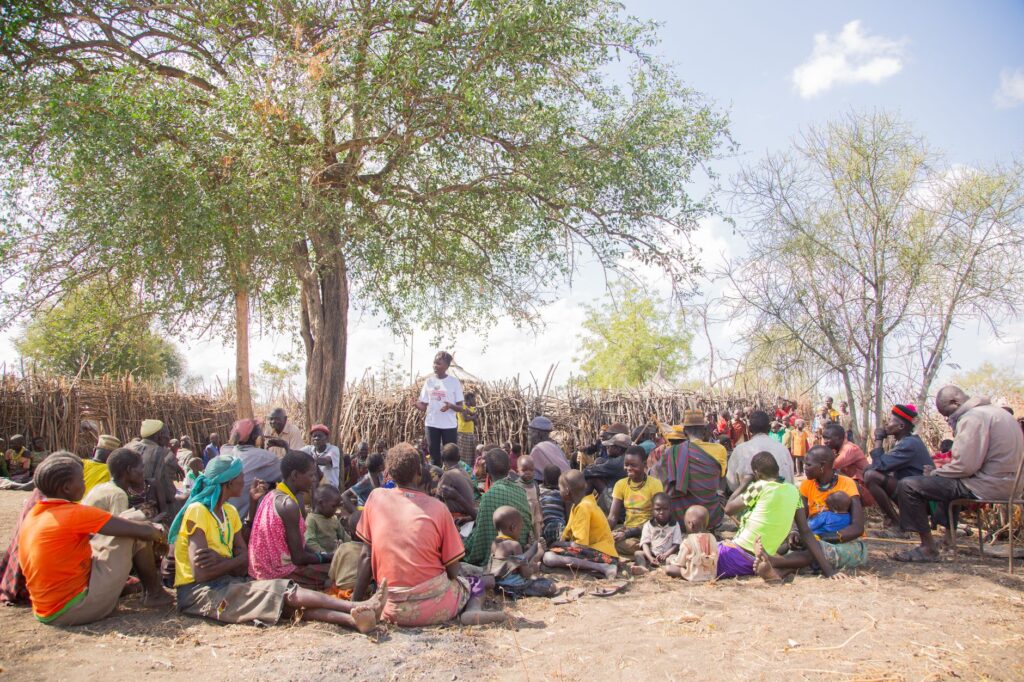
Effective education reform requires more than just changes in policy; it demands active participation from the community. Paul For Nevada education reform recognizes that engaging parents, teachers, and local organizations is critical for fostering an environment where educational improvements can thrive.
Building Local Support
Building a strong foundation of local support is essential for any successful reform initiative. Paul For Nevada is focusing on creating partnerships with community stakeholders, ensuring that the voices of parents and educators are heard. This is achieved through town hall meetings, where community members can share their concerns and ideas regarding Nevada education. By fostering open communication, Paul aims to create a collaborative atmosphere where everyone is invested in the future of education.
- Transparency: Keeping the community informed about proposed changes in school policies encourages trust and accountability.
- Feedback Loops: Implementing regular surveys and feedback sessions helps gather insights that can shape effective reform strategies.
- Partnerships: Collaborating with local organizations can provide additional resources and support for schools.
Encouraging Involvement in Paul For Nevada Education Reform
Encouraging involvement in the reform process is vital for its success. Paul For Nevada is implementing various initiatives to engage community members actively. Workshops are organized to train parents and teachers on how to advocate for effective education funding and policy changes. These workshops not only educate participants but also empower them to take part in advocacy efforts.
- Volunteer Programs: Creating opportunities for parents and community members to volunteer in schools enhances their connection and investment in education.
- Mentorship Initiatives: Pairing experienced educators with new teachers fosters a supportive environment and improves teaching practices.
- Community Events: Hosting events that celebrate student achievements encourages pride and promotes further engagement.
By implementing these strategies, Paul For Nevada education reform aims to cultivate a community that is not only supportive but also actively involved in shaping the educational landscape. The success of these reforms hinges on the collective efforts of everyone in the community.

Measuring Success in Education Reform
As we delve into the framework of Paul For Nevada education reform, understanding how success will be quantified is essential. Measuring success goes beyond mere statistics; it involves setting achievable metrics and evaluating long-term goals that reflect meaningful improvements in our education system.
Setting Achievable Metrics
Establishing clear metrics is vital for assessing the effectiveness of the proposed reforms. Key performance indicators (KPIs) can include student achievement rates, graduation rates, and progress in standardized testing. For instance, tracking changes in students’ proficiency levels in core subjects like math and reading can provide concrete data on the impact of new school policies and curricula implemented under Paul For Nevada’s initiatives. Additionally, metrics related to education funding, such as equitable distribution of resources and investment in underfunded schools, will be crucial in measuring overall success.
Long-term Goals for Paul For Nevada Education Reform
Long-term goals should focus on creating lasting change within the Nevada education system. This includes not only improving academic outcomes but also fostering a supportive environment for both students and teachers. By setting ambitious yet realistic goals, such as a 10% increase in graduation rates over the next five years, stakeholders can work collaboratively towards a unified vision. Ongoing evaluation is essential; regular assessments can help identify areas needing adjustment and ensure that education reforms evolve in response to changing needs.
Ultimately, measuring success in education reform is an ongoing journey. By keeping a close eye on metrics and long-term goals, we can pave the way for a brighter future in Nevada education that truly benefits all students.
How to Get Involved in Education Reform
If you’re passionate about improving Nevada education, there are numerous ways to support the movement for change spearheaded by Paul For Nevada education reform. Engaging in education reform not only helps students and teachers but also contributes to a stronger community overall. Here’s how you can get involved.
Ways to Support Paul For Nevada Education Reform
Getting actively involved is crucial to making a real impact. Here are some actionable steps you can take:
- Educate Yourself: Stay informed about current school policies and proposed reforms. Follow local news outlets and educational organizations to learn about the latest developments.
- Join Community Groups: Participate in local education advocacy groups that support Paul For Nevada. Organizations like Nevada PTA often hold meetings and events focused on education reform.
- Volunteer Your Time: Offer your skills to help organize events, campaigns, or discussions that promote education reform. Your involvement can help amplify the message.
- Contact Your Representatives: Reach out to local and state officials to express your support for education reform initiatives. Share your views on education funding and the importance of investing in Nevada’s future.
Advocacy and Awareness: Promoting Paul For Nevada Education Reform
Advocacy plays a vital role in driving change. Here are some resources to help you spread the word and raise awareness:
- Use Social Media: Share information about Paul For Nevada and its initiatives on platforms like Twitter, Facebook, and Instagram. Use hashtags related to Nevada education to increase visibility.
- Attend Local Meetings: Participate in school board meetings or town halls to voice your support for reforms. Bringing community attention to these meetings can help influence decision-makers.
- Host Informational Events: Organize workshops or community discussions focusing on the benefits of education reform. Invite local leaders and educators to share their insights.
By taking these steps, you can play a pivotal role in advocating for Paul For Nevada education reform and contribute to a brighter future for students in Nevada.

As we explore the vision of Paul For Nevada education reform, it’s clear that innovative solutions are essential to transform Nevada education for the better. By focusing on impactful school policies and ensuring adequate education funding, we can create an environment where every student has the opportunity to thrive. This reform is not just a dream; it’s a necessary step towards a brighter future for our children.
To make this vision a reality, community involvement is crucial. Engaging with local representatives, attending school board meetings, and advocating for changes in education funding can influence the policies that shape our schools. It’s time to take action and support Paul For Nevada education reform by voicing your opinions and participating in discussions that matter. Together, we can pave the way for a stronger educational landscape in Nevada.
“`html
What is Paul For Nevada education reform?
Paul For Nevada education reform is a comprehensive initiative aimed at improving the educational landscape in Nevada. It focuses on enhancing student outcomes through innovative strategies, equitable funding, and community engagement. The reform emphasizes the need for systemic changes in curriculum, teacher training, and resource allocation to ensure that every student receives a high-quality education, regardless of their background or location.
How does Paul For Nevada plan to change school policies?
The plan includes revising existing school policies to prioritize student achievement and accountability. This involves promoting transparency in decision-making, increasing parental involvement, and advocating for policies that address the unique needs of diverse student populations. The initiative aims to create an educational environment where innovative teaching methods are encouraged, ultimately leading to improved student performance across all grade levels.
What are the main challenges in Nevada education funding?
Nevada faces several challenges in education funding, including a reliance on sales tax, which can fluctuate based on economic conditions. Additionally, disparities exist in funding allocations between districts, often leaving under-resourced schools struggling to provide essential services and programs. The need for a more equitable funding system is crucial to ensure that all students have access to quality education, which is a central focus of Paul For Nevada education reform.
How can I support Paul For Nevada’s education initiatives?
You can support Paul For Nevada’s education initiatives by getting involved in local advocacy groups, attending community meetings, and spreading awareness about the importance of education reform. Engaging with local representatives and expressing your support for equitable education policies can also make a significant impact. Additionally, volunteering your time and resources to educational programs and events can help bolster the movement for change in Nevada’s education system.
What metrics will be used to measure success in education reform?
Success in education reform will be measured using various metrics, including student achievement scores, graduation rates, and college readiness indicators. Additionally, surveys assessing teacher satisfaction and parental engagement will provide insight into the effectiveness of implemented changes. Regular assessments and evaluations will help track progress and identify areas needing further improvement, ensuring that the goals of Paul For Nevada education reform are being met.
How can community members get involved in education reform efforts?
Community members can get involved in education reform efforts by participating in local school board meetings, joining advocacy groups focused on education, and collaborating with local organizations that support educational initiatives. Engaging in discussions about school policies and funding with fellow community members can raise awareness and promote collective action. Volunteering in schools or mentoring students can also create positive changes at the grassroots level.
“`