
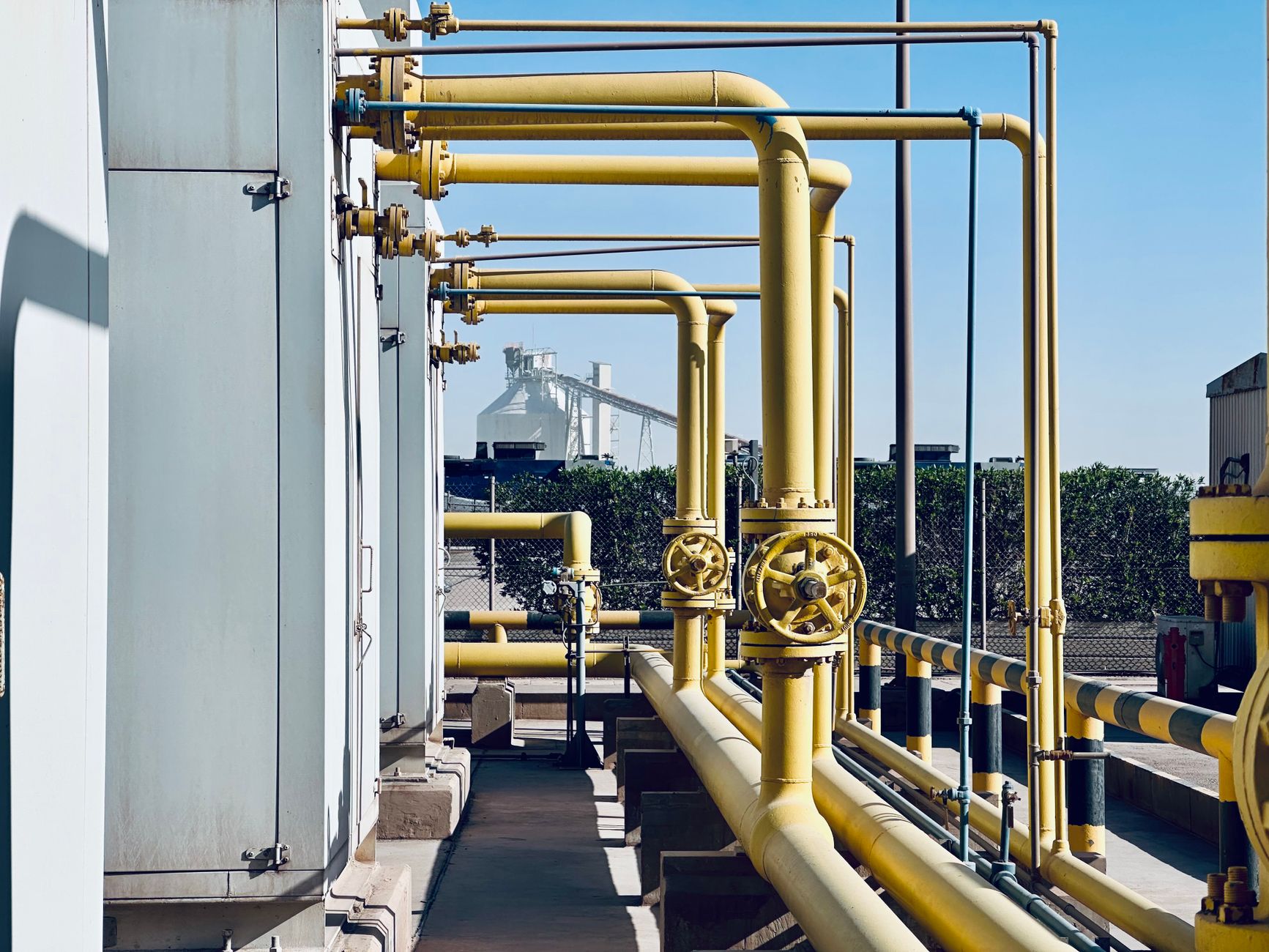
Have you ever wondered how pipelines work? These intricate systems form the backbone of our energy infrastructure, facilitating the seamless transportation of fuel across vast distances. From powering our homes to fueling our vehicles, pipeline systems play a crucial role in energy logistics, ensuring that petroleum products reach their destinations efficiently and safely. In this article, we will dive into the mechanics of pipeline operations, exploring how these structures are designed and maintained to withstand the pressures of fuel transportation. We’ll also discuss the future of pipelines, considering innovations and advancements that promise to enhance our existing petroleum infrastructure. Understanding how pipelines work matters now more than ever, as the world grapples with energy demands and environmental concerns. Join us as we unravel the complexities of pipelines and their impact on our daily lives. For further reading, check out resources from the U.S. Department of Energy and explore the Pipeline 101 for more insights.
Understanding How Pipelines Work
Pipelines are an essential part of our energy infrastructure, playing a critical role in the logistics of fuel transportation. They enable the safe and efficient movement of various energy resources, particularly petroleum products, from production sites to consumers. Understanding how pipelines work is vital, especially in today’s context where energy demands are escalating and the need for sustainable practices is more pressing than ever. The mechanics of pipeline systems not only affect the economy but also environmental policies and energy security globally.
The Basics of Pipeline Systems
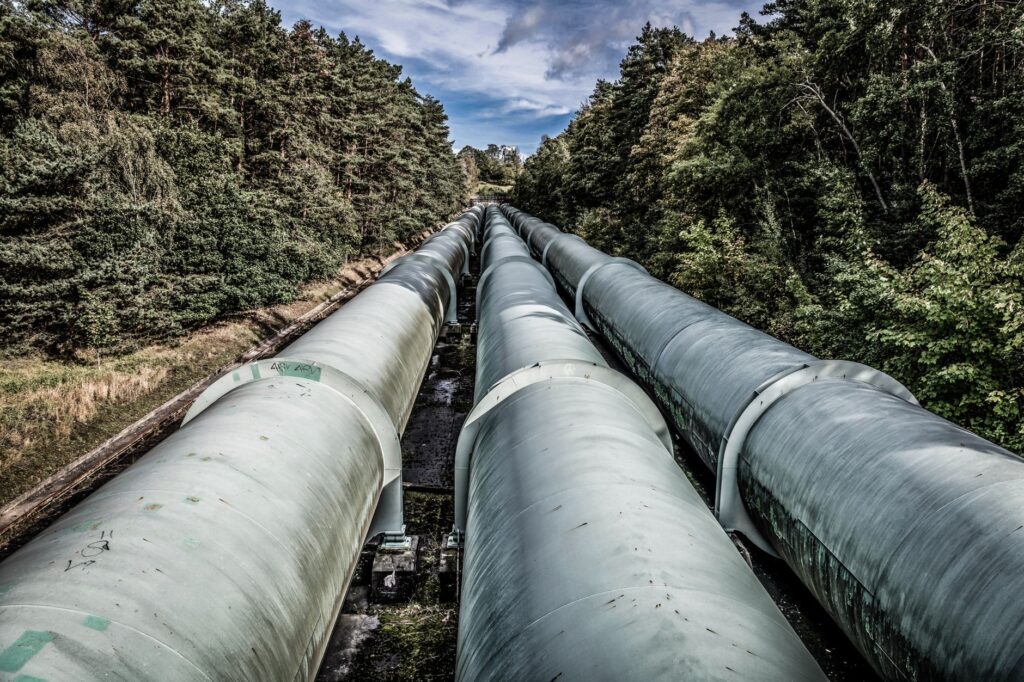
Pipelines are designed to transport liquids and gases over long distances. They consist of a network of pipes, pumps, and valves that work together to facilitate the flow of energy resources. The process begins at extraction points, where oil and gas are sourced from the earth. Once gathered, these resources are transported through pipelines to refineries, storage facilities, and ultimately to end-users. This intricate pipeline infrastructure minimizes transportation costs and reduces the need for alternative, often more polluting forms of transport like trucks and trains.
Typically, pipelines are buried underground, reducing the risk of environmental hazards and ensuring safety. They can vary in diameter and material, depending on the type of substance being transported and the pressure required. The efficiency of how pipelines work is also enhanced by the use of advanced technologies, such as monitoring systems that detect leaks or irregular pressure changes, ensuring the integrity of the pipeline is maintained throughout its operational life.
Key Components of Fuel Transportation
To fully grasp how pipelines work, it’s important to recognize their key components. These include:
- Pipelines: The core structure that carries the fuel.
- Pumps: These are strategically placed along the pipeline to maintain the flow of oil and gas over long distances.
- Valves: Control the flow and pressure within the pipeline, allowing for sections to be isolated for maintenance or in case of emergencies.
- Terminals: Facilities where the fuel is received, stored, or distributed, acting as critical junctions in the energy logistics network.
Understanding these components not only clarifies how pipelines work but also highlights their importance in the larger framework of petroleum infrastructure. The efficiency and safety of pipeline systems significantly impact energy logistics, making them a focal point of discussion in energy policy and environmental sustainability efforts. With ongoing advancements in technology and a heightened focus on reducing carbon footprints, the future of pipelines will likely evolve to meet both economic and environmental needs.
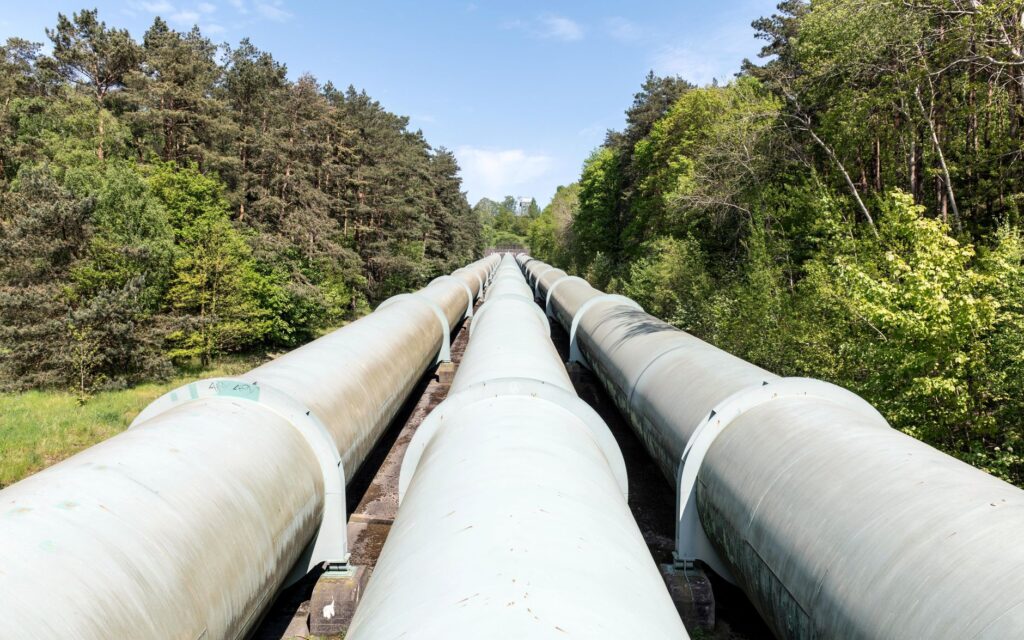
The Role of Pipeline Systems in Energy Logistics
Pipelines are often seen as the unsung heroes of the energy sector, quietly transporting vital resources across vast distances. Understanding how pipelines work is essential, especially as global demand for energy continues to rise. Their role in enhancing fuel transportation efficiency cannot be overstated, especially in a time when sustainable practices are becoming increasingly important.
How Pipelines Enhance Fuel Transportation Efficiency
Pipeline systems are designed to move large volumes of oil, gas, and other fuels with minimal environmental impact and at a fraction of the cost compared to other forms of transportation like trucks or trains. This efficiency is achieved through a network of pipes, pumps, and valves that ensure a consistent and controlled flow of resources. According to the U.S. Department of Energy, pipelines transport more than 70% of the nation’s energy products, underscoring their critical role in energy logistics.
Moreover, pipelines can operate continuously, reducing the need for frequent stops and transfers that can disrupt supply chains. This reliability is essential for industries that depend on steady fuel supply, including power generation and manufacturing. By streamlining the fuel transportation process, pipeline systems help lower overall operational costs, making energy distribution more efficient and economically feasible.
In addition, pipelines are generally safer than other forms of transport. With advanced monitoring technologies, companies can quickly identify and address leaks or other issues before they escalate, thereby protecting both the environment and the integrity of the petroleum infrastructure.
Challenges Faced by Pipeline Infrastructure
<pDespite their advantages, pipeline systems are not without challenges. Environmental concerns have become a significant issue, as leaks can lead to contamination of soil and water. The
Environmental Protection Agencyemphasizes the need for stringent regulations and monitoring to minimize these risks. Regulatory hurdles can also complicate pipeline construction and operation, with local, state, and federal laws varying widely.
Public opposition is another challenge, often rooted in fears of environmental degradation or safety risks. This can lead to delays in project approvals and increased costs. As the energy landscape evolves, addressing these challenges while maintaining the efficiency of fuel transportation will be crucial for the future of energy logistics.
Ultimately, understanding how pipelines work is vital for navigating the complexities of energy distribution. As we look ahead, innovations in pipeline technology and regulatory frameworks will play a crucial role in shaping a more sustainable and efficient energy future.
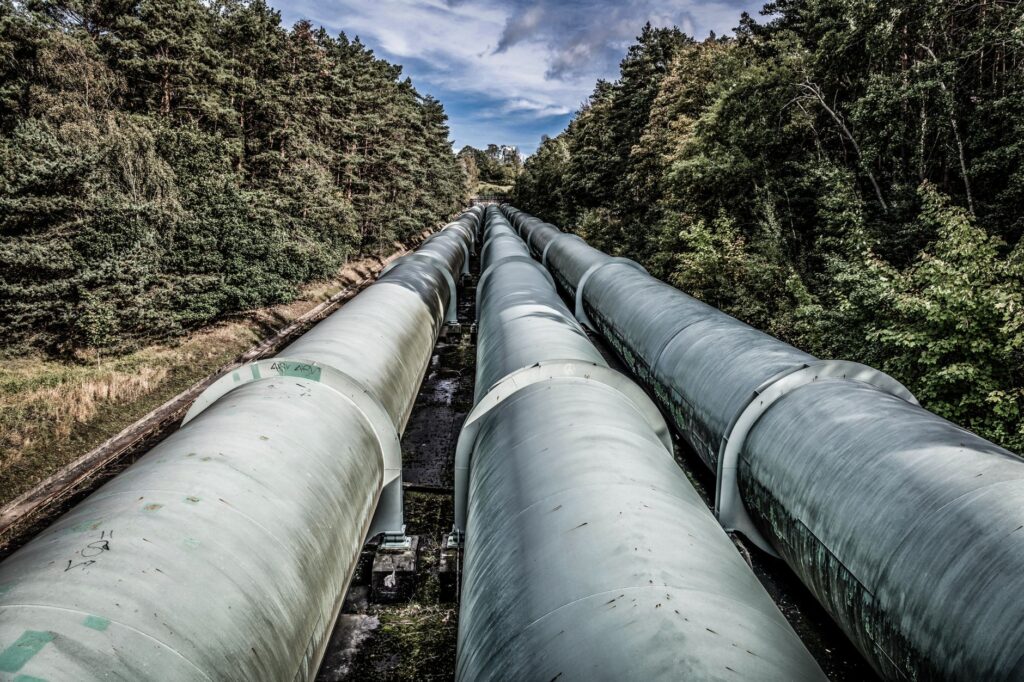
The Future of Pipelines and Energy Infrastructure
As global energy demands shift and evolve, understanding how pipelines work becomes even more crucial. The energy landscape is changing rapidly, with emerging technologies and sustainability practices shaping the future of fuel transportation and pipeline systems. This transformation is driven not only by the need for efficient energy logistics but also by a growing emphasis on reducing environmental impacts.
Innovations in Pipeline Technology
Recent advancements in pipeline technology are paving the way for more efficient and safer energy infrastructure. One noteworthy innovation is the integration of smart monitoring systems, which utilize sensors and artificial intelligence to track the condition of pipelines in real-time. These systems can detect leaks, corrosion, and other potential issues before they escalate into serious problems, thus enhancing the safety and reliability of petroleum infrastructure.
Moreover, the development of alternative energy transportation methods is gaining traction. For instance, some companies are exploring the feasibility of transporting hydrogen through existing pipeline networks. This shift not only diversifies energy sources but also aligns with global decarbonization efforts. As we look ahead, advancements such as these will be critical in redefining how pipelines work, ensuring they can adapt to the changing energy landscape.
Sustainability and Environmental Considerations in Pipeline Systems
With the increasing scrutiny on environmental impacts, the pipeline industry is embracing sustainability practices that aim to minimize ecological footprints. Companies are investing in materials and technologies that reduce emissions and enhance the recyclability of pipeline systems. For example, the use of advanced coatings can significantly prolong the lifespan of pipelines, reducing the need for frequent replacements and minimizing waste.
Additionally, the implementation of rigorous environmental assessments and community engagement strategies are becoming standard practice. These efforts not only address public concerns but also foster a sense of responsibility towards the environment. By prioritizing sustainability, the energy sector can help reshape perceptions around fuel transportation and its role in our future.
As we move forward, the emphasis on innovative technologies and sustainable practices will be key to transforming energy logistics. The ability to adapt and evolve will determine the resilience and effectiveness of pipelines in meeting both current and future energy demands.
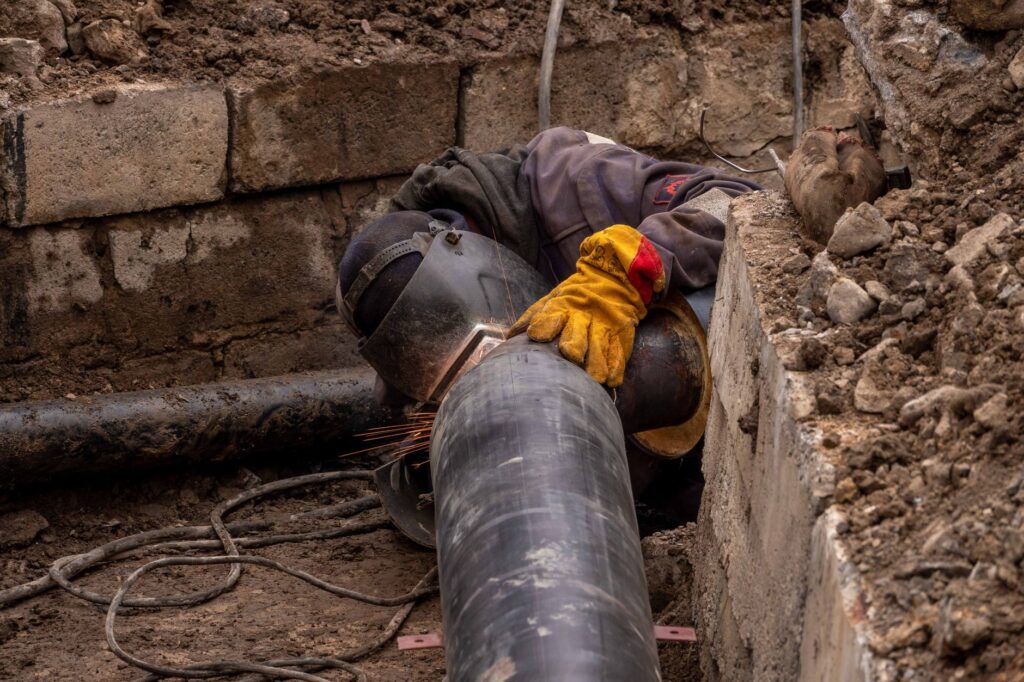
Why Understanding How Pipelines Work Matters Now
As global energy demands shift and geopolitical tensions rise, understanding how pipelines work is more critical than ever. These unseen conduits form the backbone of our energy infrastructure, playing a pivotal role in ensuring energy security and economic stability. Recent events, such as the ongoing conflict in Ukraine and fluctuating oil prices, have underscored the importance of reliable pipeline systems. With these factors in play, evaluating the implications of fuel transportation has become essential for policymakers and businesses alike.
The Economic Impact of Pipeline Systems
Pipelines are not merely tubes transporting oil and gas; they are vital components of our economic framework. They facilitate efficient energy logistics, reducing costs associated with fuel transportation and lowering prices for consumers. According to the U.S. Energy Information Administration, over 70% of the crude oil and refined products in the U.S. are moved via pipelines. This not only ensures a steady flow of energy but also supports thousands of jobs across the country.
As we navigate a post-pandemic world, the economic ramifications of energy supply disruptions have become painfully clear. The volatility in fuel prices has a cascading effect on inflation rates, impacting everything from transportation costs to consumer spending. Understanding how pipelines work can thus empower stakeholders to make informed decisions about energy investments and infrastructure projects that bolster economic resilience.
Geopolitical Implications of Fuel Transportation
The dynamics of global energy politics have shifted dramatically in recent years. Reliable pipeline systems are no longer just about national interests; they are crucial for global energy security. For instance, Europe’s reliance on Russian gas has prompted a reevaluation of energy partnerships, pushing countries to diversify their energy sources and rethink their pipeline strategies. Events like the Nord Stream gas pipeline sabotage highlight how crucial these infrastructures are to geopolitical stability.
Moreover, as nations grapple with climate change, the energy transition towards renewables also hinges on existing petroleum infrastructure. Understanding how pipelines work allows countries to transition more smoothly, balancing immediate energy needs with long-term sustainability goals. The conversations around pipeline construction and maintenance are now intertwined with national security and environmental strategies, making it a topic that warrants serious attention.
the relevance of understanding pipeline systems extends beyond mere mechanics; it encompasses economic, social, and geopolitical dimensions. As we face uncertain times, ensuring the reliability of our energy infrastructure remains a top priority for governments and industries worldwide. Embracing this knowledge will be vital as we move toward a more sustainable and secure energy future.
Understanding how pipelines work is essential for appreciating their role in fuel transportation and energy logistics. These intricate pipeline systems form the backbone of our petroleum infrastructure, ensuring that vital resources move efficiently from production sites to consumers. By grasping the mechanics behind these pipelines, you can better appreciate their significance in our daily lives and the larger energy landscape.
For those interested in diving deeper into the world of energy logistics and petroleum infrastructure, consider exploring the various technologies and innovations shaping the future of pipeline systems. Whether it’s learning about advanced materials or monitoring systems that enhance safety, there’s always something new to discover. Engaging with this knowledge not only enriches your understanding but also empowers you to be a more informed participant in discussions about energy and transportation solutions.
“`html
What are the main components of pipeline systems?
The main components of pipeline systems include the pipeline itself, pumps, valves, and storage facilities. The pipeline transports various fluids, including crude oil and natural gas, while pumps help maintain flow and pressure. Valves control the direction and flow rate of the substance being transported, and storage facilities provide temporary holding before distribution. Together, these components ensure efficient and safe fuel transportation across vast distances.
How do pipelines transport fuel efficiently?
Pipelines are designed to transport fuel efficiently through a combination of gravity and pressure. By maintaining a consistent pressure and using gravity in strategic locations, pipelines minimize energy loss during transportation. The smooth internal surfaces of pipelines reduce friction, allowing fuels to flow swiftly and efficiently. Additionally, monitoring systems ensure optimal flow rates, making pipelines a highly effective method for fuel transportation over long distances.
What are the environmental impacts of pipelines?
Pipelines can have significant environmental impacts, including habitat disruption, potential spills, and water contamination. Construction can disturb ecosystems, while leaks may release harmful substances into the environment. However, regulatory measures and advances in technology help mitigate these risks. Ongoing monitoring and maintenance are crucial to ensure that pipeline systems operate safely and minimize their ecological footprint.
Why are pipelines important for energy logistics?
Pipelines are vital for energy logistics as they provide a reliable and efficient means of transporting fuels over long distances. They enable the movement of large quantities of oil and gas from production sites to refineries and end-users, ensuring a steady supply of energy. Pipelines also reduce transportation costs compared to other methods, such as trucks or trains, making them essential for the petroleum infrastructure and overall energy market stability.
How do innovations improve pipeline safety?
Innovations enhance pipeline safety through advanced monitoring technologies, such as sensors and automated systems that detect leaks and pressure changes in real time. Drones and robotics are increasingly used for inspections, allowing for safer and more thorough evaluations of pipeline integrity. Additionally, materials science has led to the development of stronger, more resilient pipelines, which reduces the risk of failures. These advancements contribute significantly to how pipelines work and maintain safety standards.
What challenges do pipeline systems face today?
Today, pipeline systems face challenges such as regulatory hurdles, aging infrastructure, and environmental concerns. Increasing scrutiny from environmental advocates and communities complicates the approval process for new pipelines. Additionally, many existing pipelines require upgrades to meet modern safety and efficiency standards. Addressing these challenges is critical for the future of energy logistics and the sustainability of petroleum infrastructure.
“`