
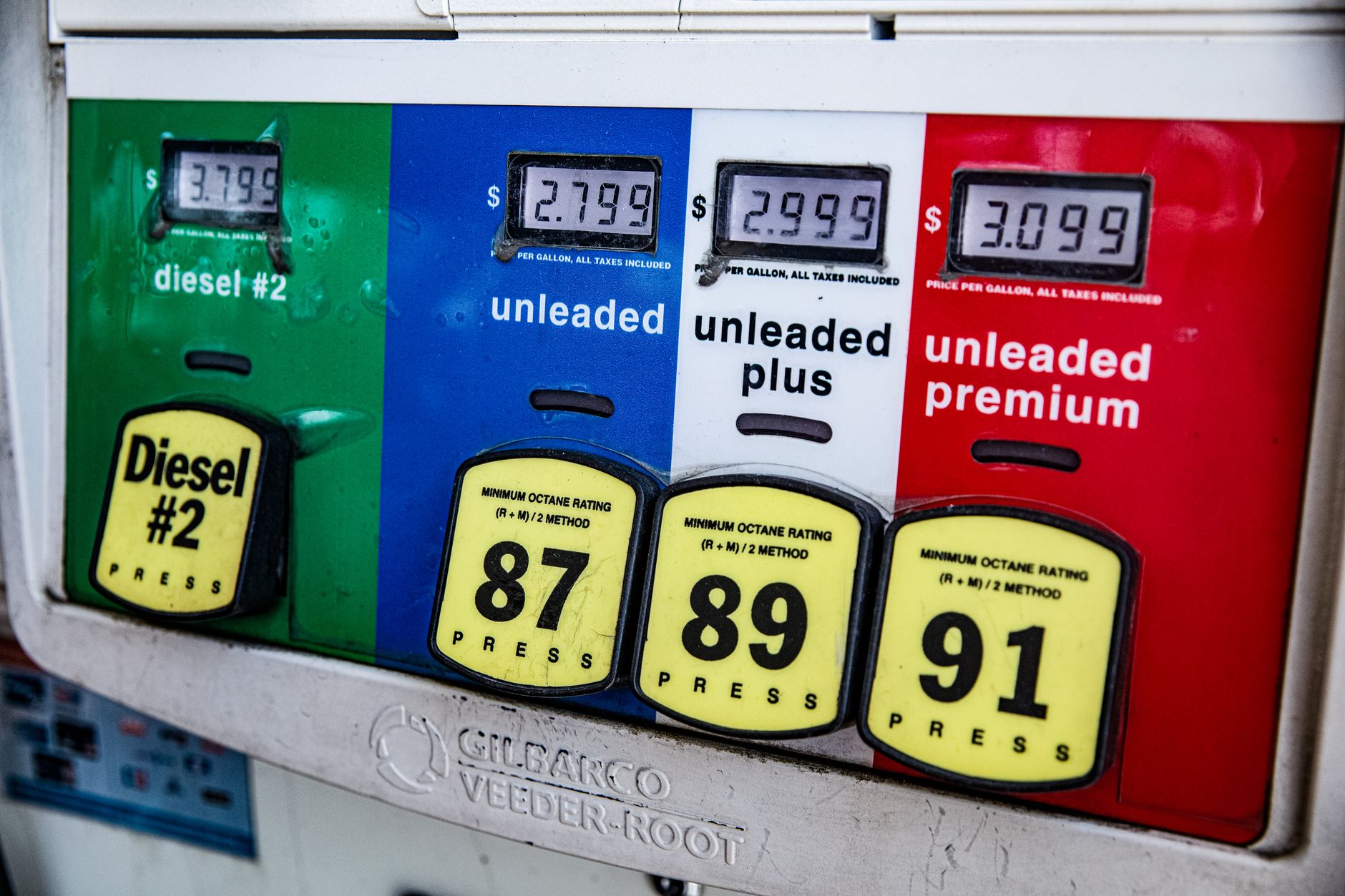
Oil price geopolitics is more than just a buzzword; it’s a critical lens through which we can understand the intricate dance of global energy markets. From the influence of OPEC in shaping production levels to the volatile effects of geopolitical tensions on crude oil trading, the dynamics at play are complex and ever-evolving. This article dives deep into the connection between oil price geopolitics and energy markets, exploring how decisions made in boardrooms and government offices ripple across the globe. We’ll examine OPEC’s pivotal role in influencing prices and production and delve into how geopolitical tensions can disrupt supply chains and affect prices at the pump. Additionally, we’ll look ahead at the future of oil price geopolitics in a rapidly changing world, while also considering counterpoints regarding the stability of oil prices. Join us as we explore these global petroleum trends and uncover the interconnectedness that defines our approach to energy in the 21st century.
The Connection Between Oil Price Geopolitics and Energy Markets
Oil price geopolitics plays a crucial role in shaping energy markets worldwide. The complex interplay between political events, economic strategies, and energy supply has historically led to significant fluctuations in oil prices, affecting not just producers and consumers, but also global economic stability.
Historical Context of Oil Price Fluctuations
Throughout the 20th century and into the 21st, various geopolitical events have influenced the trajectory of oil prices. For instance, the 1973 Oil Crisis, triggered by OPEC’s oil embargo in response to U.S. support for Israel, led to prices skyrocketing and a profound economic impact worldwide. Similarly, the Gulf War in 1990 and the Iraq War in 2003 caused market uncertainty, leading to spikes in crude oil prices. These events illustrate how geopolitical tensions can disrupt supply chains and, consequently, energy markets.
Moreover, recent sanctions on countries like Iran and Venezuela have further highlighted the close relationship between geopolitics and oil price dynamics. The restrictions not only affect the countries involved but ripple through global energy markets, leading to price volatility that impacts economies far beyond the immediate regions involved. The ongoing influence of OPEC’s production decisions and its collaborations with non-OPEC countries have also been pivotal in managing or manipulating oil prices to maintain market stability.
Current Global Petroleum Trends Amid Oil Price Geopolitics
Today’s global petroleum trends reflect an increasing intertwining of geopolitical factors with crude oil trading. As tensions rise in key oil-producing regions, prices often react swiftly. For instance, political instability in the Middle East or sanctions against major producers can lead to immediate price hikes, showcasing the fragility of supply and the dependence of energy markets on political climates. Additionally, the transition towards renewable energy sources has also begun to reshape the landscape, yet the oil market remains susceptible to geopolitical influences for the foreseeable future.
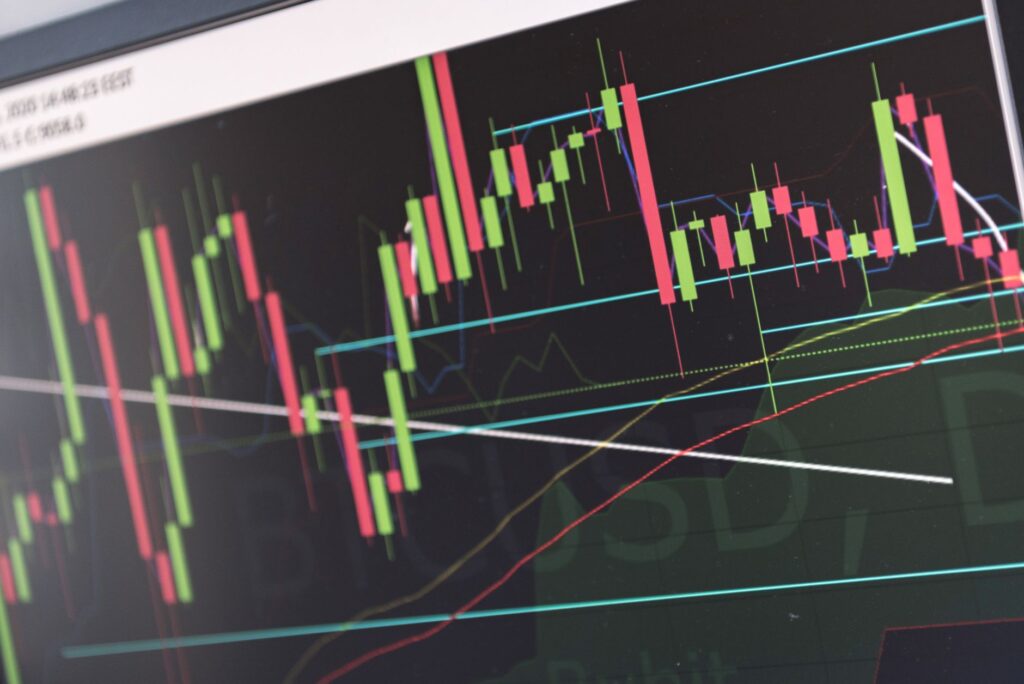
In essence, understanding oil price geopolitics is essential for grasping the broader implications for energy markets globally. The volatile nature of oil prices, influenced by historical and current geopolitical events, underscores the need for strategic foresight in both energy policy and economic planning.
OPEC’s Role in Shaping Oil Price Geopolitics
Understanding OPEC’s Influence on Oil Price Geopolitics
The Organization of the Petroleum Exporting Countries (OPEC) holds a unique position in the intricate landscape of oil price geopolitics. Founded in 1960, OPEC’s primary goal has been to coordinate and unify petroleum policies among its member countries to secure fair and stable prices for petroleum producers. This cartel’s decisions significantly affect energy markets worldwide, influencing everything from inflation rates to geopolitical tensions. As a result, OPEC’s actions reverberate through the global economy, affecting consumer behavior and national policies alike.
OPEC’s influence is particularly evident in its ability to manipulate production levels to stabilize or raise oil prices. For instance, in 2020, amid the COVID-19 pandemic, OPEC+ (which includes Russia) agreed to historical production cuts of 9.7 million barrels per day. This move was essential in alleviating the unprecedented price crash that saw crude oil trading dip below zero. The impact was profound: not only did it stabilize oil prices, but it also provided a lifeline to economies heavily reliant on oil exports.
Case Studies of OPEC Decisions and Their Global Impact
Another notable example is the 2014 decision to maintain production levels despite declining prices. OPEC’s strategy aimed to protect its market share against U.S. shale oil producers. While this led to a prolonged period of low oil prices, it also resulted in a significant restructuring of the global petroleum trends, forcing many high-cost producers out of the market.
Critics argue that OPEC’s monopolistic practices can lead to price manipulation, adversely affecting consumers and economies dependent on stable energy prices. However, supporters contend that OPEC plays a crucial role in balancing supply and demand, preventing catastrophic price fluctuations. This tension between stability and manipulation encapsulates the essence of oil price geopolitics.
In the ever-evolving landscape of energy markets, OPEC’s decisions will continue to shape the geopolitical realities of oil prices. Whether through production cuts or strategic holds, OPEC remains a central player, influencing global economic stability and international relations. The balance it strikes between member interests and global market dynamics will be crucial in the years to come.
The Impact of Geopolitical Tensions on Crude Oil Trading
The world of crude oil trading is inextricably linked to geopolitical tensions. As regional conflicts erupt and diplomatic relations become strained, the stability of oil supply chains is often threatened, leading to significant price volatility. The concept of oil price geopolitics captures this dynamic, highlighting how events in one part of the world can send shockwaves through global energy markets.
Regional Conflicts and Oil Supply
When conflicts arise in oil-rich regions, such as the Middle East or Africa, the consequences for oil supply are immediate. For example, disruptions in Libya’s oil production due to civil unrest have historically led to spikes in oil prices. Similarly, tensions between Iran and Western nations can cause fears of supply interruptions through key transit routes, such as the Strait of Hormuz, which is crucial for global oil shipments. These disruptions create a ripple effect across energy markets, often leading to a reassessment of supply risks and future pricing.
Market Reactions to Geopolitical Events and Oil Price Geopolitics
Oil traders are acutely aware of the implications of geopolitical events. As news breaks of a military conflict or sanctions against a major oil producer, the markets react swiftly. For instance, when the U.S. reinstated sanctions on Iran in 2018, crude oil prices surged due to anticipated supply shortages. This volatility emphasizes the interconnectedness of global petroleum trends and the impact of political stability on energy prices.
While some argue that OPEC’s production control can buffer against such shocks, the reality is that no single entity can fully mitigate the risks posed by regional conflicts. The unpredictability of geopolitical events means that oil price geopolitics will continue to play a crucial role in shaping crude oil trading patterns and pricing strategies.

The Future of Oil Price Geopolitics in a Changing World
Emerging Economies and Energy Demand
The trajectory of oil price geopolitics is increasingly being shaped by the rising energy demands of emerging economies. Countries like India and Brazil are experiencing rapid industrialization and urbanization, leading to a surge in energy consumption. According to the International Energy Agency, global oil demand is expected to grow significantly in the coming years, with a substantial portion of that demand emanating from these developing regions. This shift not only affects crude oil trading patterns but also puts pressure on OPEC and other oil-producing nations to maintain supply stability in the face of fluctuating demand.
As emerging economies compete for energy resources, we may see increased geopolitical tensions, particularly as established oil powers navigate their own strategic interests. The potential for price volatility becomes more pronounced, with energy markets reacting swiftly to any disruptions in supply or demand dynamics. This makes it crucial for policymakers to understand how these emerging markets will influence future oil prices and, consequently, global petroleum trends.
Sustainability and Renewable Energy Trends Affecting Oil Price Geopolitics
On the other hand, the global shift towards sustainability and renewable energy presents a counterbalancing force to the demand surge from emerging economies. With climate change at the forefront of international dialogue, many countries are committing to ambitious renewable energy targets. For instance, the United Nations aims for net-zero emissions by 2050, encouraging investments in solar, wind, and other renewable sources.
This transition will inevitably impact oil price geopolitics. As countries invest in alternative energy, the long-term demand for crude oil may decline, potentially leading to lower prices. However, this transition is not uniform; while some nations rapidly adopt renewables, others remain heavily reliant on fossil fuels. This disparity could lead to geopolitical friction as oil-rich nations strive to maintain their relevance in a changing energy landscape.
Ultimately, the future of oil price geopolitics will be a complex interplay between the increasing energy demands of emerging economies and the global push for sustainability. As we navigate this multifaceted landscape, stakeholders must adapt to new realities, balancing the need for energy security with environmental responsibilities. The evolution of oil price dynamics will reflect these competing forces, shaping the geopolitical landscape for decades to come.

Counterpoints: The Stability of Oil Prices
The Argument for Stability in Oil Price Geopolitics
While geopolitical tensions often dominate discussions around oil price volatility, it's essential to consider the mechanisms that can lead to stability in oil prices. Despite crises, such as conflicts in oil-producing regions or sanctions against key suppliers, oil prices can remain relatively stable due to a combination of long-term contracts and the influence of organizations like OPEC. These contracts ensure that a significant portion of crude oil trading occurs at pre-agreed prices, insulating both producers and consumers from sudden market shocks. Moreover, OPEC's ability to regulate production levels acts as a stabilizing force in energy markets. When tensions rise, OPEC can choose to adjust output to counteract price spikes. This was evident during recent geopolitical events where OPEC's coordinated responses helped to temper potential surges in oil prices, showcasing the organization's role as a stabilizer in the unpredictable landscape of oil price geopolitics.
Long-Term Trends vs. Short-Term Fluctuations
Long-term trends in global petroleum markets also support the case for stability. The evolution of energy markets indicates a shift towards more diversified energy sources, including renewable options, which can reduce dependency on oil. As countries invest in alternative energy, the demand for oil may experience gradual declines, leading to a more stable pricing environment over time. Additionally, the advance of technology in extraction and production has made it cheaper to obtain oil, further contributing to price stabilization. The shale revolution in the United States, for instance, has allowed for greater production flexibility, enabling the country to respond swiftly to changes in demand without significant price volatility. In conclusion, while geopolitical factors undoubtedly shape oil price geopolitics, underlying market mechanisms and strategic decisions by influential bodies like OPEC can lead to stability, mitigating the immediate impacts of geopolitical events.
Conclusion: The Interconnectedness of Oil Price Geopolitics
The intricate web of oil price geopolitics reveals a landscape where energy markets are shaped not just by supply and demand, but by the aspirations and actions of nations. As we have explored, fluctuations in oil prices do not merely affect the cost at the pump; they ripple through economies, influence international relations, and dictate the strategic maneuvers of entities like OPEC. Understanding this interconnectedness is vital for anyone seeking to grasp the broader implications of global petroleum trends.
Throughout our discussion, it has become evident that oil price geopolitics acts as a barometer for political stability and economic health. For instance, countries that are heavily reliant on crude oil trading for revenue are particularly vulnerable to price volatility, which can lead to social unrest and shifts in power dynamics. Conversely, nations that can strategically manage their oil resources often find themselves in stronger bargaining positions on the global stage.
However, one must also consider counterpoints to this narrative. While oil prices remain crucial, the rise of renewable energy sources and technological advancements in energy efficiency are changing the game. These developments could lessen the grip of oil on global geopolitics, leading to a more diversified energy landscape. Yet, as of now, the reality is that oil continues to wield significant influence over international relations and economic policies.
Ultimately, the complexities of oil price geopolitics underscore the importance of staying informed about global energy trends. The outcomes of these dynamics not only affect nations but also impact everyday lives. As we navigate an ever-evolving geopolitical climate, a deeper understanding of these connections will empower us to foresee and respond to the challenges and opportunities that lie ahead.
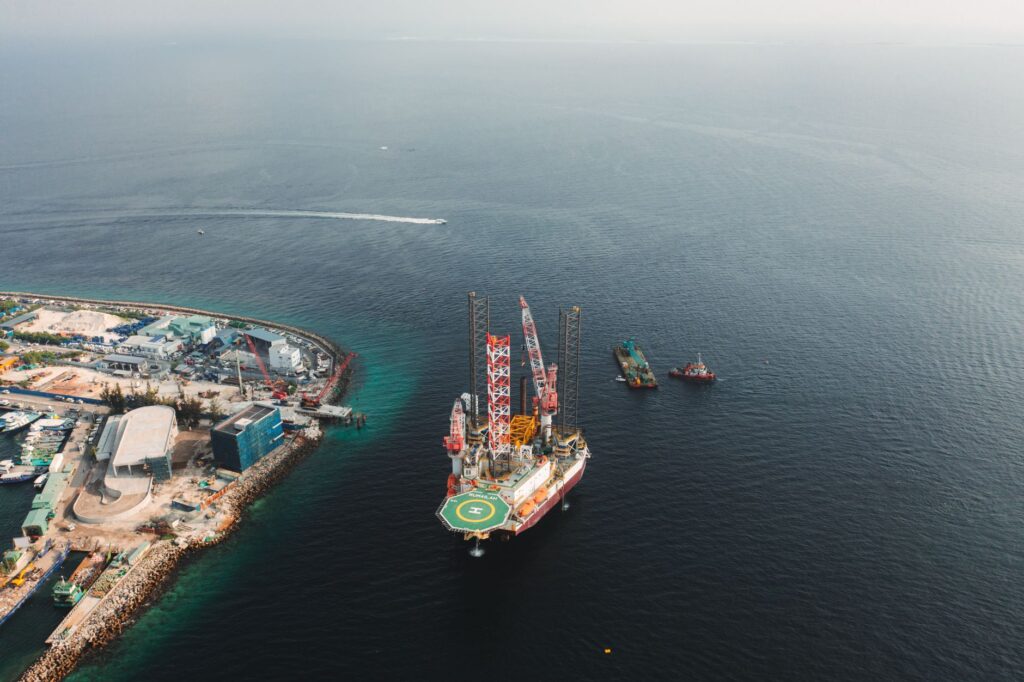
Understanding oil price geopolitics is crucial for navigating the complexities of today’s energy markets. With OPEC’s influence and the dynamics of crude oil trading, shifts in oil prices can have ripple effects across the globe. As we observe global petroleum trends, it’s evident that these fluctuations impact economies, international relations, and even environmental policies.
For anyone invested in or affected by energy markets, staying informed is essential. Monitoring how oil price geopolitics evolves can empower you to make better decisions, whether you’re a policymaker, investor, or simply a concerned citizen. Consider diving deeper into the subject by exploring recent developments in OPEC policies or analyzing the latest trends in global petroleum. Your next step could be to engage with reliable resources or follow industry experts to keep abreast of these vital changes.
“`html
How do geopolitical events affect oil prices?
Geopolitical events, such as conflicts, sanctions, or political instability in oil-producing regions, can significantly disrupt supply chains and affect oil prices. For instance, if a major oil-exporting country faces unrest, it may lead to reduced production and supply shortages, driving up prices globally. Conversely, diplomatic resolutions can stabilize markets and potentially lower prices. Understanding the nuances of oil price geopolitics can help analysts and investors anticipate market movements based on current events.
What is the role of OPEC in oil price geopolitics?
The Organization of the Petroleum Exporting Countries (OPEC) plays a crucial role in oil price geopolitics by coordinating production levels among its member states. By adjusting oil output, OPEC can influence supply and, consequently, global oil prices. When there is a surplus of oil, OPEC may cut production to stabilize prices. Conversely, if prices are low, increasing production can help balance the market. Their decisions are closely monitored, as they can have a ripple effect on global energy markets.
How do energy markets respond to geopolitical tensions?
Energy markets often react swiftly to geopolitical tensions, with prices fluctuating based on perceived risks to supply. For example, if a conflict threatens a key oil shipping route, traders may bid up prices in anticipation of potential shortages. Additionally, market sentiment can shift, leading to increased volatility. Investors keep a close eye on news from geopolitically sensitive regions, as these developments can signal future supply disruptions, prompting immediate reactions in energy markets.
What are the main factors influencing crude oil trading?
Crude oil trading is influenced by various factors, including supply and demand dynamics, geopolitical tensions, economic indicators, and seasonal consumption patterns. OPEC’s production decisions and non-OPEC production levels also play a significant role. Additionally, factors such as currency fluctuations, technological advancements in extraction, and regulatory changes can impact trading. Understanding these variables is essential for those involved in crude oil trading, as they collectively shape market conditions.
How do global petroleum trends shape oil prices?
Global petroleum trends, including shifts in production technologies, consumption patterns, and energy transitions, significantly shape oil prices. For instance, the rising adoption of renewable energy sources can reduce demand for oil, potentially leading to lower prices. Conversely, increasing reliance on oil in emerging markets can drive prices up due to heightened demand. Monitoring these trends is vital for understanding the broader context of oil price geopolitics and anticipating future market movements.
What impact do emerging economies have on oil prices?
Emerging economies, particularly those experiencing rapid industrialization and urbanization, have a significant impact on oil prices. As these nations grow, their demand for energy, especially oil, increases. This rising demand can lead to higher global prices, especially if production cannot keep pace. Additionally, geopolitical developments in these regions can create supply concerns. Therefore, analysts closely watch emerging economies, as their growth trajectories can influence the dynamics of oil price geopolitics.
“`