Paul For Nevada education reform is not just a catchy slogan; it represents a crucial movement aimed at reshaping the future of education in the Silver State. As Nevada grapples with pressing challenges in its education system, understanding the need for targeted reforms becomes imperative. This article delves into key Paul For Nevada proposals that aim to address the shortcomings of current Nevada education policies. With the 2026 education issues on the horizon, strategic planning is essential to ensure that Nevada’s students receive the quality education they deserve. We will explore actionable takeaways from the proposed reforms that not only promise immediate improvements but also set the stage for long-term success. By examining these proposals, we can better understand how they align with the evolving needs of our students and educators. Join us as we uncover the potential pathways to progress for Nevada’s education system and envision a brighter future for generations to come.
Understanding the Need for Paul For Nevada Education Reform
Current State of Nevada Education Policies
Nevada’s education system is currently facing significant hurdles, primarily due to outdated education policies that do not adequately address the needs of students or educators. According to recent reports, Nevada ranks among the lowest in the nation for educational achievement, with only 36% of students meeting proficiency standards in math and reading [Niche]. These statistics underscore the urgent need for comprehensive reform.
Existing Nevada education policies have often emphasized standardized testing and accountability, leading to a one-size-fits-all approach that fails to consider the diverse needs of students. Many schools struggle with insufficient funding, overcrowded classrooms, and a lack of access to essential resources, creating an environment where teachers are overwhelmed and students are disengaged. The Nevada Department of Education has made strides in addressing these issues, but the pace of change has been slow and inconsistent.
Challenges Facing Nevada’s Education System
The challenges present in Nevada’s education system are not merely administrative; they are deeply rooted in the socio-economic fabric of the state. Many families face instability, which directly impacts students’ ability to learn. Additionally, with the 2026 education issues looming, there is an urgent need to rethink how educational resources are allocated and utilized.
Paul For Nevada education reform aims to tackle these challenges head-on. His proposals focus on innovative solutions that prioritize personalized learning, increased funding for under-resourced schools, and more robust support systems for teachers and students alike. By addressing the root causes of educational disparities, Paul For Nevada seeks to create a more equitable and effective education system.
To learn more about Paul For Nevada proposals and how they can reshape education for the better, keep reading. Paul For Nevada Education Reform: A Path to Change

Key Paul For Nevada Proposals for Education Reform
Innovative Approaches to Curriculum Development
One of the cornerstone proposals of Paul For Nevada education reform is the introduction of innovative curriculum changes designed to fill current educational gaps. The aim is to create a more engaging and relevant learning environment that better prepares students for the complexities of the modern world. For instance, Paul advocates for a curriculum that integrates social-emotional learning and critical thinking skills, ensuring that students not only acquire knowledge but also learn how to apply it effectively in real-life scenarios.
Additionally, Paul proposes to enhance STEM (Science, Technology, Engineering, and Mathematics) education by adopting hands-on learning experiences and partnerships with local tech companies. This initiative is crucial as it addresses the ongoing 2026 education issues, particularly the demand for skilled workers in Nevada’s growing tech industry. By fostering early interest in these fields, students can be better prepared for future career opportunities.
Enhancing Teacher Support and Resources through Paul For Nevada Proposals
Teacher support is another critical area where Paul For Nevada education reform focuses. Recognizing that teachers are the backbone of any education system, Paul proposes to increase funding for professional development programs and resources. This includes access to specialized training that would allow educators to effectively implement the new curriculum changes, thus creating a more skilled teaching workforce.
Moreover, Paul emphasizes the importance of mental health resources for teachers, which is often overlooked in Nevada education policies. Providing teachers with the tools to manage their well-being ultimately leads to a more positive learning environment for students. By prioritizing teacher support, Paul aims to create a sustainable educational ecosystem that not only benefits educators but also enhances student outcomes.
With these proposals, Paul For Nevada aims to tackle the pressing challenges in education and create a pathway for progress that aligns with the needs of today’s students and teachers alike. 
Addressing 2026 Education Issues with Strategic Planning
Long-term Goals for Nevada’s Education System
As we look towards the future, addressing the 2026 education issues in Nevada requires a robust strategic plan that emphasizes long-term goals. One of the key initiatives of Paul For Nevada education reform is to create a sustainable education system that not only meets current needs but also anticipates future challenges. This includes enhancing curriculum standards, investing in teacher training, and integrating technology into classrooms to prepare students for a rapidly changing job market.
Moreover, effective Nevada education policies must be aligned with these long-term goals. This means establishing clear benchmarks for student achievement and ensuring that resources are allocated where they are most needed. For instance, recent studies indicate that states that prioritize early childhood education see significant long-term benefits in academic performance and social skills. By focusing on these foundational years, Nevada can set its students up for success.
Collaboration with Local Communities and Stakeholders in Paul For Nevada Education Reform
Another critical aspect of Paul For Nevada proposals is the importance of community involvement. Engaging local communities and stakeholders is essential for creating a holistic education system. This means not only involving parents and educators but also local businesses and non-profits, creating a network of support that extends beyond the classroom.
Community meetings and forums can serve as platforms for discussing educational reforms and gathering valuable feedback. When stakeholders have a voice in the decision-making process, they are more likely to support and invest in the proposed changes. Furthermore, partnerships with local businesses can facilitate internship programs, offering students real-world experiences that enhance their education.
By fostering collaboration, we can ensure that Nevada’s education system not only addresses immediate challenges but also builds a foundation for enduring success. The collective effort of the community will be instrumental in implementing the reforms necessary to tackle the 2026 education issues effectively.
Actionable Takeaways from Paul For Nevada Education Reform
As Nevada grapples with pressing educational challenges, parents, students, and community members can take proactive steps to support Paul For Nevada education reform. By engaging with local initiatives and advocating for policies aligned with his vision, we can collectively address the 2026 education issues facing our state.
How Parents and Students Can Get Involved
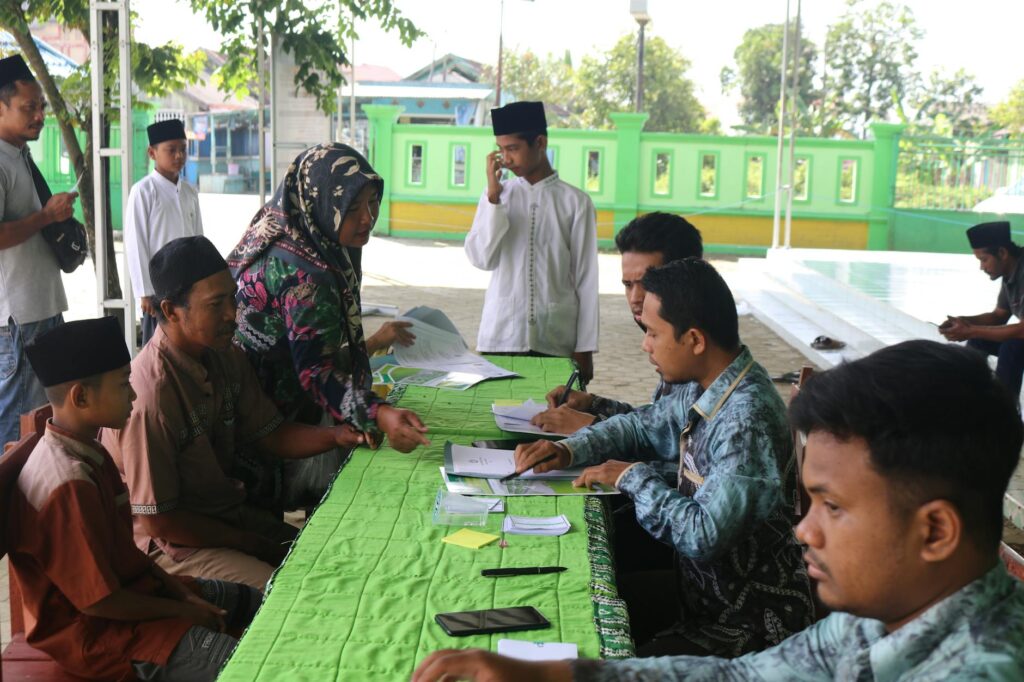
Active participation is crucial in driving meaningful change. Here are some actionable steps:
- Attend School Board Meetings: Make your voice heard by attending local school board meetings. These forums offer a platform to discuss Nevada education policies and express support for Paul For Nevada proposals. Regular attendance can also help you stay informed about ongoing initiatives.
- Join Parent-Teacher Associations (PTAs): PTAs often lead local educational initiatives. By joining, you can collaborate with educators and other parents to support reforms that benefit students, aligning with the goals set forth by Paul For Nevada.
- Volunteer in Schools: Offering your time as a volunteer can help enrich the educational environment. Engage with students and teachers, and contribute to programs that align with the proposed reforms.
- Organize Community Forums: Create spaces for discussion about education. Invite local leaders and stakeholders to discuss Paul For Nevada education reform and gather feedback from the community.
Supporting Local Educational Initiatives
Supporting local initiatives that align with Paul For Nevada proposals is vital for fostering a better educational landscape. Here are some ways to help:
- Research and Promote Local Initiatives: Understand which local programs resonate with Paul’s vision for reform. Share this information within your community through social media or community boards.
- Advocate for Funding: Reach out to local legislators to emphasize the importance of funding for educational programs that support the reforms proposed for 2026. Engage in letter-writing campaigns to highlight the needs of your local schools.
- Collaborate with Nonprofits: Many nonprofits in Nevada are working towards educational improvement. Partner with these organizations to amplify your efforts and reach a broader audience.
By taking these steps, families and community members can directly contribute to the ongoing conversation around Paul For Nevada education reform, ensuring that every child has access to quality education. Together, we can make a significant difference in the future of Nevada’s educational landscape.

Conclusion: Embracing Paul For Nevada Education Reform for a Brighter Future
The momentum behind Paul For Nevada education reform signifies a pivotal shift in our approach to education in the Silver State. With ongoing discussions surrounding the challenges in Nevada education policies, the time for action has arrived. Paul’s vision for reform encapsulates a comprehensive strategy to address the pressing issues facing our educational system, particularly as we head toward the 2026 education issues that could shape the future of our students.
At the heart of Paul For Nevada’s proposals is a commitment to enhancing the quality of education for all children. This reform is not just about policy changes or funding; it’s about empowering educators, engaging parents, and fostering a collaborative community atmosphere. By prioritizing transparency and inclusivity, Paul’s initiatives aim to build trust and cooperation among stakeholders. Community involvement is essential; when parents and educators work hand in hand, we create a nurturing environment that supports our students’ growth and development.
As we look to the future, the potential positive impact of these reforms cannot be overstated. Enhanced educational outcomes, increased resources for schools, and a focus on innovative teaching methods are just the beginning. By actively participating in the reform process and advocating for necessary changes, the community can help ensure that every child in Nevada receives the education they deserve.
Ultimately, the success of Paul For Nevada education reform hinges on collective action. This is a call to all Nevadans, educators, parents, students, and community leaders, to unite behind a shared vision for a stronger educational system. The path to progress lies in our hands, and by embracing these reforms, we can pave the way for a brighter, more equitable future for our children.

As we look forward to the future of education in Nevada, the vision of Paul For Nevada education reform stands out as a beacon of hope. His innovative Paul For Nevada proposals aim to address the pressing 2026 education issues that our state faces, ensuring that every child has access to quality education. By focusing on modernizing Nevada education policies and prioritizing the needs of students and teachers alike, Paul is paving the way for a brighter future.
Now is the time for Nevadans to engage in this vital conversation. Stay informed about the developments surrounding Paul For Nevada education reform and consider how you can contribute. Whether it’s through community forums or local advocacy groups, your voice matters in shaping the educational landscape for generations to come.
“`html
What are Paul For Nevada’s education reform proposals?
Paul For Nevada education reform proposals focus on enhancing educational accessibility and quality. Key initiatives include increasing funding for public schools, introducing merit-based pay for teachers, and expanding vocational training programs. The aim is to create a more equitable education system that meets the diverse needs of Nevada’s students and prepares them for future challenges.
How will Nevada education policies change under Paul For Nevada?
Nevada education policies will undergo significant changes under Paul For Nevada, emphasizing transparency, accountability, and community involvement. New policies will prioritize student-centered learning and aim to reduce administrative overhead, allowing more resources to reach classrooms directly. These changes are designed to foster an environment where both students and teachers can thrive.
What are the main challenges in Nevada’s education system?
Nevada’s education system faces numerous challenges, including underfunding, high dropout rates, and disparities in educational quality across districts. Additionally, there is a pressing need for more qualified teachers and better resources for students with special needs. Addressing these challenges is crucial for the success of Paul For Nevada education reform initiatives.
What is the timeline for addressing the 2026 education issues?
The timeline for addressing the 2026 education issues includes immediate assessments of current policies and practices, followed by the implementation of targeted reforms over the next few years. Paul For Nevada’s team aims to establish clear milestones to ensure progress is measurable, leading to significant improvements in educational outcomes by 2026.
How can parents support education reform in Nevada?
Parents can support education reform in Nevada by actively participating in school boards, attending community meetings, and advocating for their children’s needs. Engaging with local education initiatives and providing feedback to policymakers can help shape effective reforms. Additionally, parents can volunteer in schools to foster a supportive learning environment.
What innovative curriculum changes are being proposed?
Innovative curriculum changes being proposed include integrating technology into classrooms, offering personalized learning pathways, and emphasizing critical thinking skills. Additionally, there will be a focus on STEM education and the arts, ensuring that students receive a well-rounded education that prepares them for the demands of the 21st century.
“`