Nevada public utilities energy policy plays a pivotal role in shaping the state’s transition to clean energy. As the demand for sustainable and renewable energy sources grows, understanding how Nevada energy providers adapt their strategies is essential. This article explores the utility role in clean energy transition in Nevada, highlighting the public utility policies that are guiding the state’s energy future. We’ll delve into how these policies encourage the adoption of renewables and address challenges faced by Nevada energy providers. Additionally, we’ll examine some counterpoints, including criticisms of current policies and alternative views on energy management. By the end, you’ll have a comprehensive understanding of the landscape of Nevada public utilities energy policy and what it means for the state’s journey towards a sustainable energy future. For more insights, be sure to check out resources from NV Energy and the U.S. Department of Energy.
Understanding Nevada Public Utilities Energy Policy
Nevada’s public utilities energy policy plays a pivotal role in steering the state towards a sustainable energy future. With goals set for a significant increase in renewable energy usage by 2030, the framework of public utility policies in Nevada is designed to align with these ambitions. The state aims to achieve 50% of its energy from renewable sources, a target that necessitates robust support from both legislation and the utilities involved.
The Framework of Public Utility Policies
The framework of public utility policies in Nevada is not just a set of guidelines; it represents a comprehensive strategy that integrates environmental sustainability with economic growth. The state has enacted laws such as the Renewable Portfolio Standard (RPS), which mandates that Nevada’s energy providers increase their use of renewable energy sources. This legislative backbone supports the transition to clean energy and fosters an environment where innovation can thrive.
Moreover, initiatives like the Nevada Energy Storage Incentive Program aim to enhance energy efficiency, allowing consumers to store excess renewable energy for later use. These policies create a ripple effect, encouraging investments in technology that support the utility role in clean energy. As a result, Nevada is not only making strides in environmental responsibility but also in job creation and economic diversification.
The Role of Nevada Energy Providers in Implementing Nevada Public Utilities Energy Policy
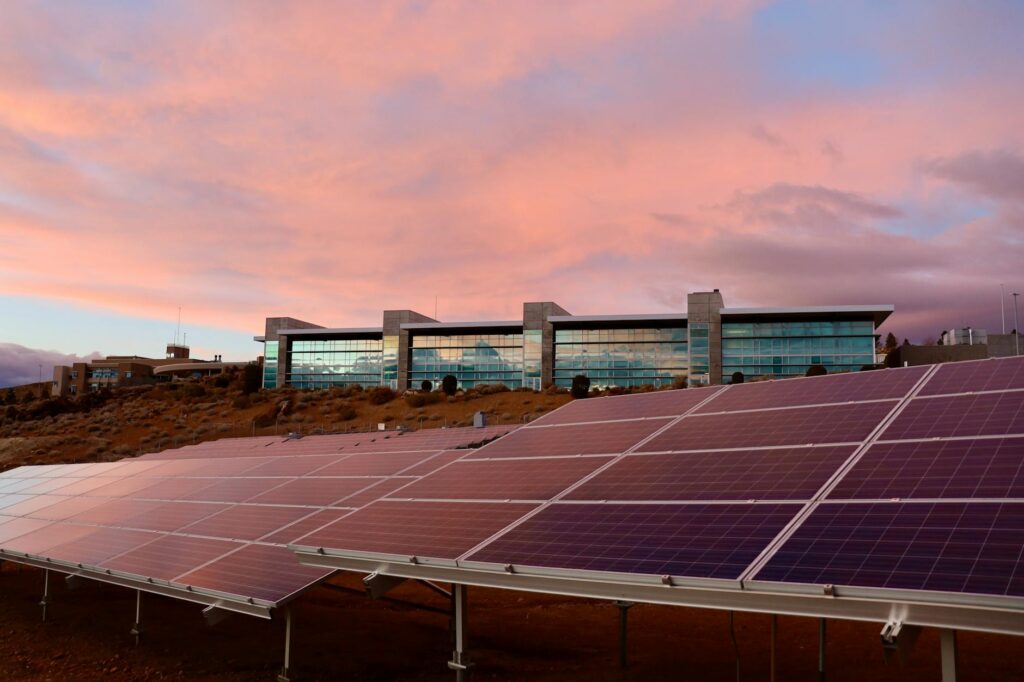
Nevada energy providers are essential players in the execution of these public utility policies. They are tasked with not only complying with regulations but also innovating to meet the state’s ambitious energy goals. For example, NV Energy has launched programs that support solar energy adoption, including community solar projects that allow customers to participate in renewable energy generation without needing individual solar panels.
Additionally, initiatives like the “Green Energy Program” empower customers to choose cleaner energy options, reinforcing the collective responsibility of the community in the transition to renewable energy sources. These actions demonstrate that the utility role in clean energy is not just about compliance; it’s about leadership in a critical time of energy transformation.
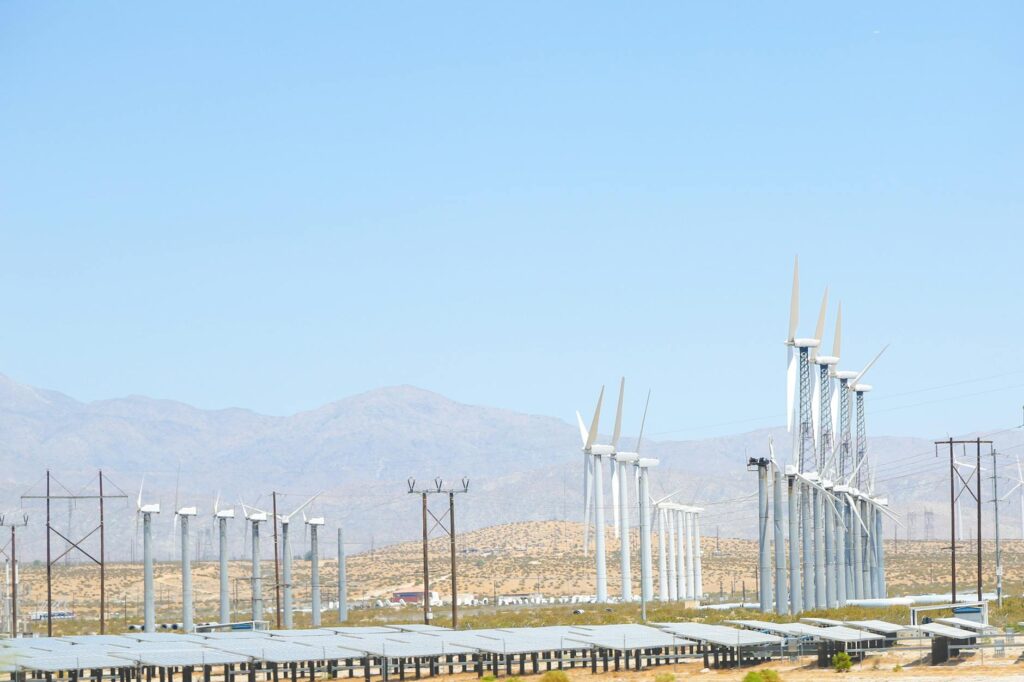
As Nevada moves forward, the collaboration between public utility policies and energy providers will be crucial for ensuring that the state not only meets its renewable energy targets but sets a benchmark for others to follow. The commitment to a clean energy transition is clear, but it requires collective effort and innovative thinking across all sectors involved.
Utility Role in Clean Energy Transition in Nevada
The transition to clean energy in Nevada is not just a matter of policy; it’s a multi-faceted initiative that hinges significantly on the role of public utilities. The Nevada public utilities energy policy must encourage these utilities to act as leaders in promoting renewable energy sources such as solar and wind, which are abundant in our state. As we look at the current landscape, it becomes clear that public utilities are uniquely positioned to facilitate this transition, but they face both challenges and rich opportunities along the way.
Investments in Renewable Energy
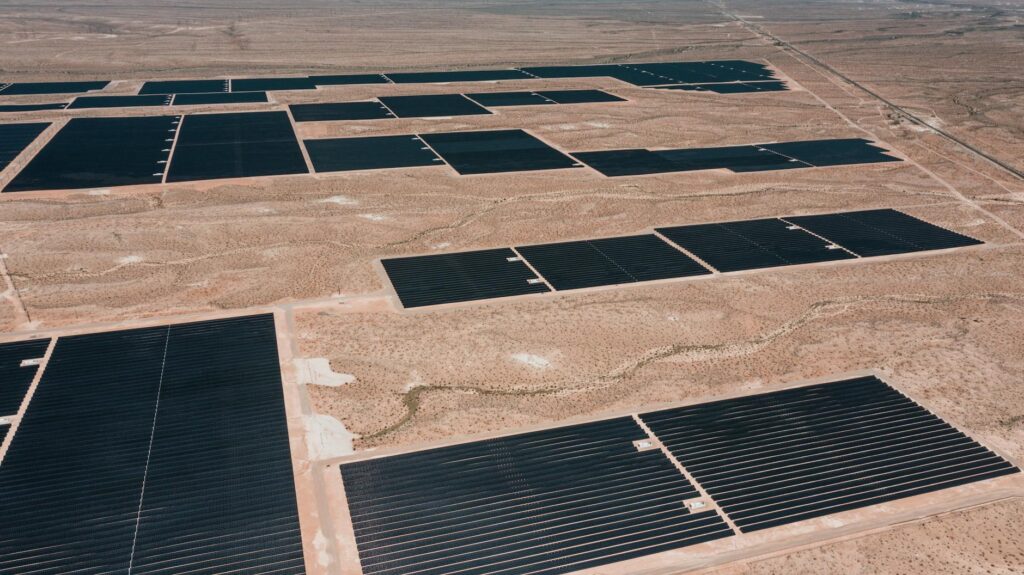
Public utilities in Nevada are increasingly investing in renewable energy projects, with a significant focus on solar energy. According to the U.S. Department of Energy, Nevada ranks among the top states for solar energy generation, and our public utility policies are designed to support this growth. The utility role in clean energy is critical; by investing in infrastructure that supports solar and wind projects, these utilities are not only aligning with environmental goals but also meeting the rising energy demands of our population.
Furthermore, these investments stimulate job creation in the renewable sector, providing economic benefits to local communities. The Nevada energy providers are paving the way for a sustainable future, demonstrating that a commitment to clean energy can coincide with economic growth. As employment in renewable energy jobs grows, so does the appeal of Nevada as a hub for innovative energy solutions.
Challenges and Opportunities
Despite the promising landscape, Nevada public utilities energy policy is not without its challenges. Utilities often encounter regulatory hurdles that can slow down project approvals and increase costs. Moreover, existing infrastructure may require significant upgrades to accommodate new technologies and energy sources. These challenges necessitate a collaborative approach between utilities, regulators, and stakeholders to create an enabling environment for clean energy projects.
However, these challenges also present opportunities for innovation and investment in new technologies. By overcoming regulatory barriers and investing in smart grid technologies, Nevada’s public utilities can enhance their operational efficiency and reliability. This not only benefits the utilities but also the consumers who depend on consistent and affordable energy. As we navigate this complex transition, public utility policies must be designed to support both the immediate and long-term goals of achieving a sustainable energy future.
the role of Nevada’s public utilities is crucial in the clean energy transition. With the right investments and a commitment to overcoming challenges, these utilities can lead the way toward a more sustainable future for all Nevadans. Embracing clean energy is not just a legislative mandate; it is an opportunity to redefine our energy landscape and foster economic growth through innovation and sustainability.
Public Utility Policies Shaping Nevada’s Energy Future
Nevada Public Utilities Energy Policy: Regulatory Framework and Innovation
Nevada is at a pivotal moment in its energy trajectory, largely due to the Nevada public utilities energy policy that encourages clean energy development. The state’s regulatory framework facilitates innovation, providing incentives for renewable energy projects and allowing for the integration of advanced technologies. For instance, programs like the Renewable Portfolio Standard (RPS) mandate that a significant percentage of energy comes from renewable sources, pushing Nevada energy providers to adapt and innovate.
Moreover, the Nevada Public Utilities Commission (PUC) plays a crucial role in ensuring that these policies are not only implemented but also evolve with changing energy landscapes. This regulatory body has been instrumental in approving new solar and wind initiatives, thus fostering a competitive environment for clean energy solutions. However, there are challenges; some argue that these regulatory frameworks can be cumbersome, potentially stifling innovation. Yet, with the right balance, they can also create a robust platform for sustainable growth.
Community Engagement and Public Support
While policies are vital, community engagement is equally essential in shaping public utility policies. By involving local residents and stakeholders in the energy transition, Nevada can build a supportive environment for clean energy initiatives. Public forums, surveys, and educational campaigns help demystify the state’s energy policies, encouraging widespread backing for innovative projects. When communities understand the benefits, such as job creation and reduced energy costs, they’re more likely to support initiatives that align with the state’s clean energy goals.
Furthermore, Nevada energy providers can enhance their role by collaborating with local organizations to promote public awareness and acceptance. This not only ensures transparency but also paves the way for a smoother transition to renewable energy sources. As stakeholders become more informed, they can actively participate in discussions about energy policies, making their voices heard in shaping the future.
Ultimately, the success of Nevada’s energy transition hinges on effective public utility policies that foster innovation alongside strong community engagement. By prioritizing both, Nevada can truly lead the way in sustainable energy practices.
Counterpoints: Criticisms and Alternative Views
Concerns About Costs and Accessibility in Nevada Public Utilities Energy Policy
While the push for clean energy in Nevada is commendable, critics argue that the current public utility policies may lead to increased costs for consumers. Transitioning to renewable sources such as solar and wind often requires significant upfront investment. These costs can be passed down to customers, making energy less affordable, particularly for low-income families. According to a report by the U.S. Department of Energy, the initial capital for renewable infrastructure can be substantial, raising concerns about the economic implications for vulnerable populations in Nevada.
Moreover, the accessibility of renewable energy resources remains a contentious issue. Although Nevada boasts abundant sunlight ideal for solar energy, not all residents have equal access to these technologies. Many renters or those living in multifamily housing may be excluded from the benefits of solar installations, perpetuating inequalities in energy access. This disparity raises the question of whether the current Nevada public utilities energy policy is sufficiently inclusive.
Debate Over Utility Monopoly and Alternatives
Another significant counterpoint lies in the debate surrounding utility monopolies. Nevada energy providers, such as NV Energy, hold substantial market power, which can stifle competition and innovation. Critics argue that the current public utility policies favor these monopolies, resulting in a lack of diverse energy options for consumers. The absence of competition could hinder advancements in clean energy technology and limit consumer choice.
Some advocates suggest that deregulating the energy market could foster a more competitive environment, leading to better pricing and innovation in clean energy solutions. If Nevada were to explore alternative models, such as community choice aggregation, it could empower local governments to procure energy on behalf of residents, potentially increasing accessibility and affordability while reducing reliance on established utility monopolies.
The conversation surrounding Nevada public utilities energy policy is vital. Balancing the transition to clean energy with cost-effectiveness and equitable access will be crucial as we move forward.

Conclusion: The Future of Nevada‘s Clean Energy Transition
Nevada is at a critical juncture in its journey toward a sustainable energy future. The Nevada public utilities energy policy is not just a set of regulations; it is a framework that shapes how we can harness renewable resources, engage with communities, and drive innovation in clean energy. As we’ve explored throughout this article, the collaborative role of utilities, energy providers, and the community is essential in this transformative phase.
Reinforcing Nevada Public Utilities Energy Policy for a Sustainable Future
The shift toward clean energy is not merely a trend; it’s a necessity driven by climate change, economic viability, and public demand for cleaner alternatives. Nevada’s energy providers, like NV Energy, are already setting ambitious targets to enhance renewable energy sources, which underscores the importance of supportive public utility policies. These policies must not only encourage utility role clean energy initiatives but also provide incentives for innovation and investment in new technologies.
However, the path is not without challenges. Critics argue that the transition could lead to increased costs for consumers or a reliance on government subsidies. While these concerns are valid, the long-term benefits, such as job creation, energy independence, and environmental sustainability, far outweigh the initial hurdles. Addressing these concerns through transparent dialogue and stakeholder engagement will be key to fostering public trust and ensuring the equitable distribution of benefits across Nevada’s diverse communities.
As we look ahead, it is imperative that Nevada’s stakeholders remain committed to a collaborative approach. By working together, utilities, Nevada energy providers, and local communities can create a resilient energy landscape. This cooperative spirit will be crucial in overcoming obstacles and achieving the ambitious clean energy goals set forth in our public utility policies.
The future of Nevada’s clean energy transition hinges on a proactive, inclusive strategy that leverages the strengths of all involved. With a commitment to innovation and sustainability, we can ensure that Nevada not only meets its energy needs but also leads the way in responsible energy stewardship for generations to come.
The evolution of Nevada public utilities energy policy is pivotal as the state navigates its clean energy transition. By understanding the utility role in clean energy, stakeholders can better appreciate how decisions made today will shape tomorrow’s energy landscape. Nevada energy providers are increasingly called upon to innovate and implement sustainable solutions, reflecting the growing demand for cleaner, more efficient energy sources.
As public utility policies adapt to support this shift, it’s essential for residents and businesses alike to stay informed and engaged. Exploring how these policies affect energy rates, availability, and environmental impact can empower Nevadans to make more informed choices. For those eager to participate in this transition, consider reaching out to local Nevada energy providers or joining community discussions on energy policy. Your involvement can help shape a sustainable energy future for generations to come.
What is Nevada’s public utilities energy policy?
Nevada’s public utilities energy policy focuses on transitioning to clean and renewable energy sources. The state aims to achieve 50% renewable energy generation by 2030 and has implemented various regulations to promote energy efficiency and the adoption of solar power. This policy supports the broader goal of reducing greenhouse gas emissions, enhancing energy security, and stimulating economic growth through green job creation. The Nevada public utilities energy policy is designed to modernize the energy grid and enhance reliability for consumers.
How do utility roles in clean energy affect Nevada’s economy?
The utility role in clean energy significantly impacts Nevada’s economy by fostering job creation in renewable energy sectors, such as solar and wind. As utilities transition towards cleaner energy sources, they facilitate investments in new technologies and infrastructure, which in turn stimulates local economies. Additionally, a robust clean energy sector helps to reduce overall energy costs for consumers in the long run, enhancing economic stability and attracting new businesses looking for sustainable energy solutions.
What are the main Nevada energy providers and their roles?
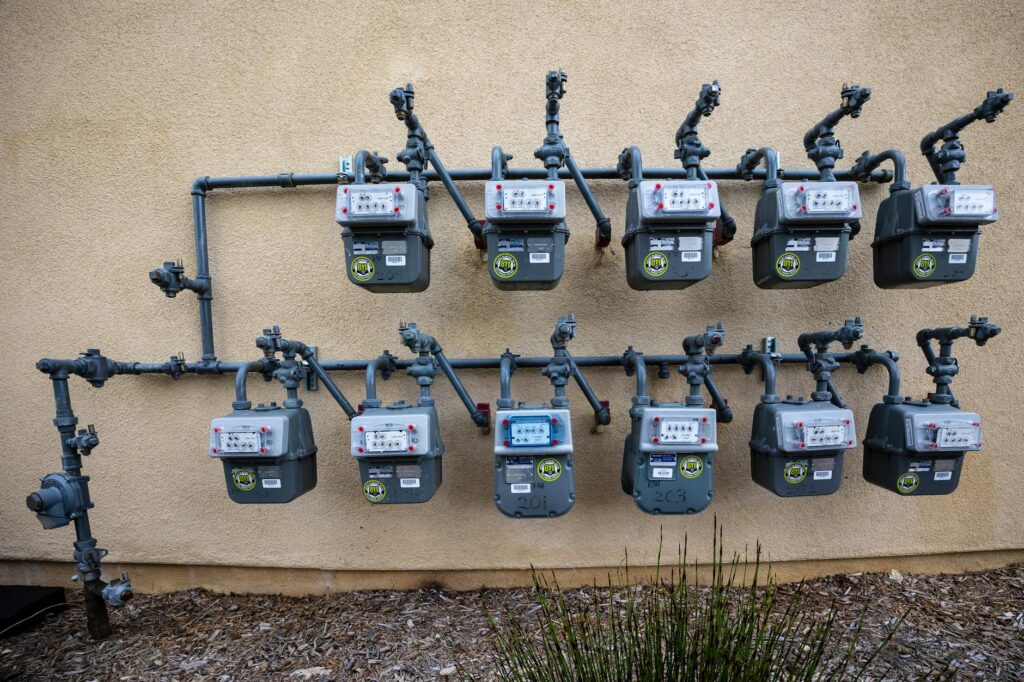
Key Nevada energy providers include NV Energy, which serves the majority of the state’s residents by supplying electricity and natural gas. Other providers like Sierra Pacific Power Company and various community solar projects also play significant roles. These providers are responsible for generating, transmitting, and distributing energy while adhering to the state’s public utility policies. They are increasingly focusing on integrating renewable energy sources into their supply mix to align with Nevada’s clean energy goals.
What public utility policies are currently in place for clean energy?
Current public utility policies in Nevada include renewable portfolio standards that require utilities to generate a specific percentage of their energy from renewable sources. Additionally, there are incentives for residential solar installations, energy efficiency programs, and grid modernization efforts. These policies aim to reduce carbon emissions and promote sustainable practices while ensuring reliability and affordability for consumers. The state also supports community solar initiatives to enable broader access to clean energy.
What challenges do Nevada public utilities face in the energy transition?
Nevada public utilities face several challenges during the energy transition, including the need for significant investments in infrastructure to support renewable energy integration. Additionally, regulatory hurdles and the evolving energy market can complicate planning and operations. Utilities must also manage the intermittency of renewable sources like solar and wind, which requires advanced grid management solutions. Balancing consumer demand with sustainability goals poses a constant challenge for public utilities in the state.
How can community engagement influence public utility policies in Nevada?
Community engagement is crucial in shaping public utility policies in Nevada. Active participation from residents and local organizations can provide valuable feedback and insights into energy needs and preferences. Public forums, surveys, and outreach efforts help utilities understand community priorities, leading to more effective and tailored energy solutions. Engaged communities can advocate for policies that reflect their values, such as increased renewable energy adoption, which can ultimately influence state regulations and utility operations.