

The Nevada energy policy environmental impact is a topic that grows increasingly relevant as the state navigates its way toward a sustainable future. With ambitious Nevada sustainability goals aimed at reducing carbon emissions and promoting clean energy, the implications of these policies extend far beyond state lines. This article delves into the environmental effects of energy policy in Nevada, focusing on both the positive outcomes and the challenges that accompany such ambitious initiatives. We’ll explore the various facets of the state’s energy policies, including their clean energy impact, the criticisms they face, and the broader implications for residents and ecosystems alike. As we examine the future directions for Nevada’s energy policy, we aim to provide a comprehensive understanding of how these efforts can shape not only local environments but also contribute to global sustainability efforts. Join us as we take a closer look at the evolving landscape of energy in the Silver State.
Understanding the Nevada Energy Policy Environmental Impact
Nevada has made significant strides in recent years to revamp its energy policies, aiming to shift towards a cleaner, more sustainable energy landscape. The state’s commitment to renewable energy sources, particularly solar and wind, is a direct response to the pressing need for environmental stewardship and the reduction of greenhouse gas emissions. This transformation embodies the essence of the Nevada energy policy environmental impact, as it seeks not only to meet energy demands but also to address the crucial environmental concerns tied to traditional energy sources.
A Shift Towards Clean Energy
As part of its ambitious sustainability initiatives, Nevada has set clear goals to achieve 50% renewable energy by 2030 and aims for 100% carbon-free energy by 2050. This progressive approach aligns with Nevada sustainability goals, positioning the state as a leader in the clean energy movement. The shift towards renewable resources not only helps to mitigate climate change but also promotes job creation in the green technology sector, driving economic growth while prioritizing environmental health.
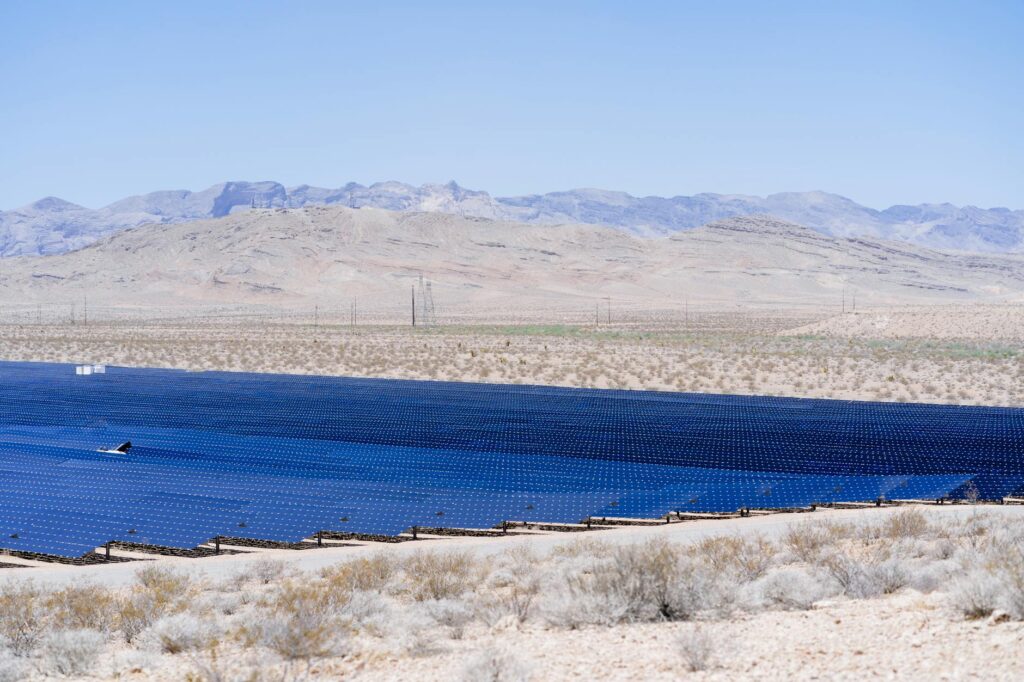
Solar energy, for example, has become a cornerstone of Nevada’s energy policy. The state’s abundant sunshine provides a perfect backdrop for solar farms, and as a result, Nevada has one of the highest rates of solar energy production in the nation. These efforts contribute significantly to the clean energy impact, as they reduce reliance on fossil fuels and lower carbon emissions.
Evaluating Environmental Effects of Energy Policy
While the benefits of the Nevada energy policy environmental impact are evident, it is crucial to evaluate both the positive and negative aspects of these changes. On one hand, the transition to renewable energy sources reduces air and water pollution and diminishes the ecological footprint of energy production. On the other hand, the construction of large-scale solar farms and wind turbines can disrupt local ecosystems and land use. Balancing these environmental effects energy policy remains a critical challenge for policymakers.
Furthermore, as Nevada pushes forward with its energy transition, it is essential to maintain transparency and engage with local communities to address concerns and mitigate potential negative impacts. The success of these policies will ultimately depend on how well the state can harmonize energy production with ecological preservation.
Nevada’s energy policy represents a crucial step towards a sustainable future, with the potential for a profound positive environmental impact. By embracing renewable energy sources and striving for ambitious sustainability goals, the state not only addresses immediate energy needs but also sets a precedent for other regions to follow. The path forward will require diligence and adaptability, ensuring that the environmental effects of energy policy are continually assessed and managed.
The Positive Aspects of Nevada’s Energy Policy Changes
Nevada’s recent energy policy changes are not just a political maneuver; they are a significant step toward a more sustainable and environmentally friendly future. The Nevada energy policy environmental impact has been overwhelmingly positive, particularly in the realms of renewable energy and environmental sustainability.
Advancements in Renewable Energy
One of the most notable aspects of Nevada’s energy policy shifts is the rapid growth of renewable energy sources, especially solar and wind. According to the California Energy Commission, Nevada is home to some of the largest solar farms in the country. In fact, as of 2023, nearly 30% of the state’s electricity comes from solar energy, a figure that has steadily increased due to favorable policies and incentives. Wind energy, while still a smaller contributor, has also seen significant growth, with the state producing about 5% of its electricity from wind power. These developments contribute not only to reducing greenhouse gas emissions but also to creating a cleaner environment for all Nevadans.
Moreover, the Nevada Energy reports indicate that the increase in renewable energy capacity has led to a reduction in carbon emissions by approximately 2 million metric tons annually. This substantial decrease underscores the positive environmental effects of energy policy changes in the state, demonstrating that Nevada is on the right path toward achieving its Nevada sustainability goals.
Meeting Nevada Sustainability Goals
As Nevada aims for a 100% renewable energy target by 2050, the state’s energy policy changes are crucial in paving the way. These initiatives support not only energy independence but also align with broader sustainability goals. The National Oceanic and Atmospheric Administration highlights that these goals are vital for preserving Nevada’s unique ecosystems and addressing climate change impacts. The clean energy impact from these policies is evident in improved air quality and a healthier habitat for local wildlife.
While skeptics may argue about the economic implications of transitioning to renewable sources, the long-term benefits far outweigh these concerns. For instance, the job creation potential in the renewable sector is substantial, with thousands of jobs expected to be created in installation and maintenance roles. This is a win-win scenario that solidifies the importance of the Nevada energy policy environmental impact.
In essence, Nevada stands at the forefront of renewable energy innovation. By prioritizing sustainability through effective energy policy changes, the state not only reduces its environmental footprint but also sets a precedent for other states to follow. The journey toward a greener Nevada is underway, and the positive effects of these policy changes will resonate for generations to come.

Challenges and Criticisms of Nevada’s Energy Policies
Nevada’s ambitious energy policies, aimed at transitioning towards renewable sources, are not without their challenges and criticisms. While the intent is to achieve Nevada sustainability goals, the environmental impact of these policies raises significant concerns among various stakeholders.
Potential Environmental Risks of Nevada Energy Policy Environmental Impact
Large-scale energy projects, particularly those involving solar and wind power, often face scrutiny regarding their land use and ecological consequences. Environmental groups have voiced concerns that extensive solar farms can disrupt local ecosystems, potentially threatening wildlife habitats and biodiversity. For instance, the construction of solar facilities in desert areas can lead to habitat fragmentation, affecting species such as the desert tortoise, which is already vulnerable due to habitat loss. Additionally, the extraction of resources necessary for clean energy technologies, including lithium for batteries, can lead to adverse environmental effects energy policy if not managed sustainably.
Local communities, especially those in rural areas, have also expressed apprehension about these projects. Many feel that their voices are overlooked in the decision-making process, fearing that the benefits of clean energy initiatives do not outweigh the costs to their environment and way of life. Land use conflicts can arise when renewable energy projects encroach upon agricultural or culturally significant lands, leading to a backlash from residents who prioritize these areas over energy development.
Counterpoints to Energy Policy Support
Proponents of Nevada’s energy policies argue that the long-term benefits of transitioning to renewable energy far outweigh the initial environmental costs. They contend that renewable energy reduces greenhouse gas emissions, which is crucial for combating climate change. Furthermore, they emphasize that with proper planning and regulation, the negative impacts on wildlife and land use can be mitigated. They also point to technological advancements that promise to enhance the efficiency and sustainability of energy projects.
Moreover, advocates argue that Nevada’s commitment to clean energy will spur economic growth, create jobs in the renewable sector, and ultimately lead to a cleaner environment for future generations. This clean energy impact is seen as a necessary step towards a sustainable future, despite the challenges and criticisms faced along the way.
In the debate surrounding Nevada energy policy environmental impact, it is essential to strike a balance between ambitious sustainability goals and the preservation of local ecosystems. Addressing the concerns of communities and environmental advocates will be crucial in ensuring that Nevada’s transition to renewable energy is both effective and responsible.
Future Directions for Nevada’s Energy Policy
Nevada Energy Policy Environmental Impact: Integrating Community Feedback
As Nevada advances its energy policy, one fundamental aspect that cannot be overlooked is the importance of community engagement. Public input is crucial not only for shaping the policies themselves but also for ensuring that the Nevada energy policy environmental impact reflects the needs and desires of the people it serves. Regular town hall meetings, public forums, and workshops can empower local residents to voice their concerns and suggestions. This approach fosters a sense of ownership and responsibility that is vital for successful implementation.
For instance, when the state proposed new renewable energy projects, community feedback revealed concerns over land use and potential disruptions to local habitats. By actively integrating this feedback, policymakers can create tailored solutions that address the community’s environmental concerns while promoting economic growth. This two-way communication strengthens the relationship between policymakers and constituents, ensuring that future legislation aligns with both the state’s ambitious Nevada sustainability goals and the interests of its residents.

Long-Term Sustainability Goals and Clean Energy Impact
Looking ahead, Nevada must prioritize long-term sustainability goals that align with the state’s clean energy impact targets. As the state aims for 50% renewable energy by 2030, focusing on innovative technologies like solar energy storage and microgrids can enhance the resilience of the energy infrastructure. Such advancements not only contribute to the environmental effects energy policy but also create new economic opportunities through job creation in the renewable sector.
However, it is essential to balance these ambitions with environmental stewardship. Upcoming legislation, such as the proposed carbon neutrality targets, will likely shape the future landscape of Nevada’s energy policies. By leveraging scientific research and data-driven approaches, Nevada can continue to innovate while minimizing negative environmental impacts. This holistic approach will ensure that the state can meet its energy demands without compromising the ecological integrity of its precious natural resources.
Ultimately, the success of Nevada’s energy policy hinges on its ability to integrate community voices while striving for ambitious sustainability goals. By fostering a collaborative environment and embracing innovative solutions, Nevada can pave the way toward a cleaner, more sustainable energy future that benefits both its residents and the environment.
The Broader Implications of Nevada’s Energy Policy Changes
Nevada’s energy policy environmental impact extends far beyond the state’s borders, influencing national energy trends and contributing to global environmental goals. As the state pivots towards renewable energy sources, it sets a precedent that could inspire other states to adopt similar measures. The ripple effects of Nevada’s policies may even play a pivotal role in shaping the future of energy across the United States.
Influencing National Energy Trends
As one of the leading states in solar power generation, Nevada demonstrates the viability of transitioning to clean energy. This shift not only supports the Nevada sustainability goals but also sends a strong message to policymakers nationwide. The state’s commitment to renewable energy serves as a model, showcasing how aggressive targets can stimulate job creation and economic growth while mitigating the adverse environmental effects of energy policy.
Moreover, Nevada’s success in harnessing solar energy could encourage other regions to invest in their renewable resources. States with abundant wind or hydroelectric potential may begin to prioritize similar initiatives, leading to a more unified national strategy for clean energy. The lessons learned in Nevada provide a roadmap for energy independence and security that could reshape America’s energy landscape.
Contributing to Global Environmental Goals
On a global scale, Nevada’s clean energy impact aligns with international efforts to combat climate change. By significantly reducing greenhouse gas emissions through renewable energy adoption, the state contributes to the worldwide goal of limiting global warming to 1.5 degrees Celsius above pre-industrial levels. As countries strive to meet the goals set forth in the Paris Agreement, Nevada’s policies can serve as a benchmark for effective climate action.
While some may argue that renewable energy initiatives can disrupt local ecosystems or require substantial investment, these concerns must be weighed against the long-term benefits of a sustainable energy future. The transition to renewable energy sources, when executed thoughtfully, can minimize environmental disruption while promoting biodiversity conservation. This balance is crucial for ensuring that the Nevada energy policy environmental impact is positive both locally and globally.
As we look to the future, it is imperative that stakeholders, governments, businesses, and communities, continue to invest in sustainable practices that align with Nevada’s energy vision. The momentum created by Nevada’s policies can inspire similar actions elsewhere, ultimately leading to a cleaner, more sustainable planet for future generations. Together, we can amplify the benefits of renewable energy and combat climate change effectively.

The Nevada energy policy environmental impact is a crucial aspect that deserves our attention as we strive for a sustainable future. The environmental effects energy policy can significantly shape our landscape, influencing both local ecosystems and the broader climate. As Nevada pursues its sustainability goals, understanding these impacts becomes more important than ever. The shift towards clean energy is not just beneficial for the planet; it also creates new economic opportunities and enhances energy security.
For those looking to get involved, consider exploring local initiatives or advocacy groups focused on clean energy. Engaging with community efforts can amplify the message of sustainability and help drive the change needed for a greener Nevada. By staying informed and active, you can contribute to a more sustainable future while understanding the intricate relationship between policy and its environmental impact.
What are the environmental effects of Nevada’s energy policy changes?
Nevada’s energy policy changes have significant environmental effects, particularly in areas like air quality and wildlife habitats. Transitioning to cleaner energy sources, such as solar and wind, can reduce greenhouse gas emissions, leading to improved air quality. However, the development of renewable energy infrastructure may disrupt local ecosystems. It’s essential to balance energy needs with environmental preservation, ensuring that Nevada energy policy environmental impact is carefully assessed.
How does Nevada’s energy policy impact sustainability goals?
Nevada’s energy policy is crucial for achieving Nevada sustainability goals by promoting renewable energy sources and energy efficiency initiatives. The state aims to increase its renewable energy portfolio, which helps reduce reliance on fossil fuels, thus contributing to long-term sustainability. By implementing policies that support clean energy development, Nevada can enhance its commitment to environmental stewardship and climate change mitigation.
What is the clean energy impact in Nevada?
The clean energy impact in Nevada is profound, as the state has made significant strides in harnessing solar, wind, and geothermal resources. These renewable sources not only reduce carbon emissions but also create jobs in the green energy sector. The shift towards clean energy helps Nevada’s economy while addressing climate concerns, showcasing the potential for sustainable development. The Nevada energy policy environmental impact is increasingly positive as these initiatives grow.
What challenges does Nevada face in its energy policy?
Nevada faces several challenges in its energy policy, including balancing economic growth with environmental sustainability. Regulatory hurdles, funding for renewable projects, and public opposition to certain developments can hinder progress. Additionally, integrating a diverse energy grid that accommodates both traditional and renewable sources poses technical challenges. Addressing these issues is crucial for maximizing the benefits of the state’s energy transition.
How can Nevada improve its energy policy for better environmental outcomes?
Nevada can improve its energy policy by enhancing incentives for renewable energy investments and implementing stricter emissions regulations. Collaborating with local communities to identify sustainable practices and energy solutions will also promote inclusivity. Additionally, investing in energy storage technology can help manage supply and demand more effectively, leading to better environmental outcomes. All these strategies can strengthen the Nevada energy policy environmental impact.
What role do communities play in shaping Nevada’s energy policies?
Communities play a vital role in shaping Nevada’s energy policies through public input and advocacy. Local voices can influence decision-makers to prioritize renewable energy initiatives and environmental protection. Engagement in public forums and community meetings allows residents to express their needs and concerns, ensuring that energy policies reflect the values and priorities of those directly affected. This grassroots involvement is essential for effective policy development.