
Nevada energy incentives for homeowners present a valuable opportunity to save money while enhancing your home’s energy efficiency. With the rising costs of utilities and a growing emphasis on sustainability, understanding the various programs available can make a significant difference in your financial and environmental footprint. This article will guide you through the essential components of Nevada’s energy landscape, including how to explore home energy rebates in Nevada, maximize your savings through Nevada energy tax credits, and navigate clean energy financing options. We will also address common barriers to accessing these incentives, ensuring that you are well-equipped to take full advantage of the programs designed to benefit homeowners like you. Get ready to unlock the potential of Nevada’s energy incentives and make a positive impact on your home and wallet!
Understanding Nevada Energy Incentives for Homeowners
Nevada energy incentives for homeowners are designed to encourage the adoption of renewable energy and energy-efficient technologies. These incentives can take various forms, including home energy rebates Nevada, Nevada energy tax credits, and programs that facilitate clean energy financing. Understanding these incentives is crucial for homeowners looking to reduce their energy costs while contributing to a sustainable future.
What are Nevada Energy Incentives?
At their core, Nevada energy incentives for homeowners include financial rebates, tax credits, and low-interest loans aimed at promoting energy-efficient home upgrades. For example, homeowners can receive rebates for installing energy-efficient appliances, solar panels, or insulation. Tax credits can significantly offset the costs of renewable energy installations, making clean energy solutions more attainable. Additionally, clean energy financing options allow homeowners to invest in energy efficiency without the burden of immediate upfront costs.
Why These Incentives Matter for Homeowners
The importance of these incentives cannot be overstated. Firstly, they offer substantial savings on energy bills, which can accumulate significantly over time. As homeowners invest in energy-efficient upgrades, they not only lower their monthly expenses but also increase their home’s value. Furthermore, these programs align with Nevada’s ambitious renewable energy goals, aiming for 50% of the state’s energy to come from renewable sources by 2030. This commitment reflects a broader commitment to environmental sustainability and a cleaner future.
However, some may argue that the initial investment required for energy-efficient upgrades can be daunting. While this is a valid point, the long-term savings and potential financial support from incentives make these upgrades a wise investment. Additionally, the state’s commitment to renewable energy creates a more stable environment for homeowners who embrace these changes. By taking full advantage of Nevada energy incentives for homeowners, residents can not only enhance their financial well-being but also contribute to a greener planet.

Exploring Home Energy Rebates in Nevada
Nevada is making strides in promoting sustainable living through various Nevada energy incentives for homeowners. Among these, home energy rebates stand out as an enticing opportunity for those looking to enhance their homes’ energy efficiency. These rebates not only help lower initial costs for upgrades but also contribute to the state’s broader goals of environmental sustainability.
Types of Home Energy Rebates Available
Homeowners in Nevada can access a variety of rebates aimed at improving energy efficiency. These include:
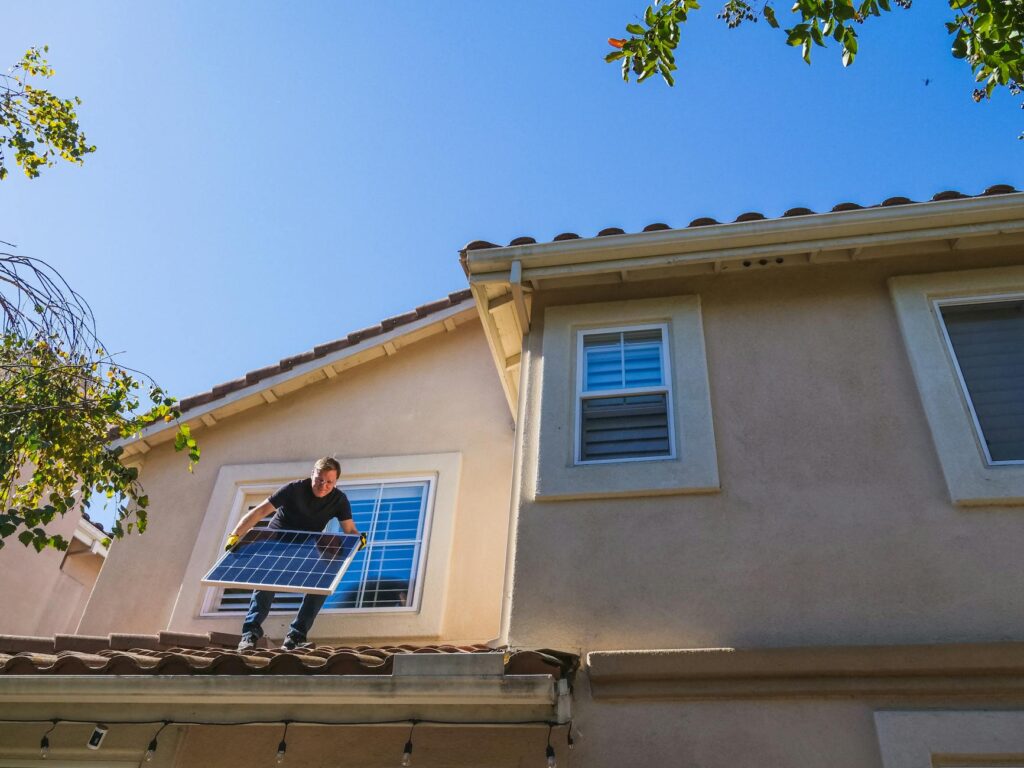
- Solar Panel Rebates: These rebates can significantly offset the cost of solar panel installation, making renewable energy more accessible.
- Energy-Efficient Appliances: Rebates are available for appliances that meet energy efficiency standards, such as ENERGY STAR-rated refrigerators and washing machines.
- Home Insulation: Upgrading insulation can drastically reduce energy costs, and Nevada offers rebates to encourage these improvements.
Each of these rebates plays a crucial role in helping homeowners not only save on utility bills but also contribute to a cleaner environment. For more details, you can consult the official resources provided by the Nevada Governor’s Office of Energy.
How to Apply for Home Energy Rebates
The application process for home energy rebates in Nevada can initially seem daunting, but it’s a straightforward procedure. Here’s how you can apply:
- Check Eligibility: Review the eligibility requirements for each rebate program to ensure you qualify.
- Gather Documentation: Typically, you’ll need receipts for your purchases or installations, along with any necessary forms.
- Submit Your Application: Applications can often be submitted online or via mail. Make sure to follow the guidelines precisely.
Applying for these rebates can unlock significant savings, making it easier to invest in energy-efficient upgrades. Don’t forget to explore home energy rebates Nevada offers for a comprehensive guide on the process.
While some might argue that the initial investment in energy-efficient upgrades can be high, the long-term savings and environmental benefits far outweigh the upfront costs. Moreover, programs like Nevada energy tax credits and clean energy financing options can further alleviate financial burdens, proving that investing in energy efficiency is a wise choice for homeowners.
By taking advantage of the available home energy rebates, you can contribute to a more sustainable future while reaping financial rewards. The potential for energy savings and enhanced home value makes these Nevada energy incentives for homeowners not just a smart decision, but a necessary one for a greener Nevada.

Maximizing Your Savings with Nevada Energy Tax Credits
Overview of Nevada Energy Tax Credits for Homeowners
Nevada energy incentives for homeowners are a game changer, especially when it comes to making your residence more energy-efficient and sustainable. Among these incentives, the Nevada energy tax credits stand out as a compelling financial tool for those looking to invest in renewable energy technologies. These credits can significantly reduce the upfront costs associated with solar panels, wind turbines, and other clean energy installations. For instance, homeowners who install solar energy systems may qualify for a credit equal to a percentage of the installation costs, leading to substantial savings on their tax bills.
Moreover, the potential savings extend beyond mere tax credits. By taking advantage of these incentives, homeowners can lower their overall energy costs, contributing to long-term financial stability. The combination of tax credits and home energy rebates Nevada offers an attractive opportunity to offset the initial investment and promote a sustainable lifestyle.
Eligibility Criteria for Tax Credits
To benefit from Nevada energy tax credits, homeowners must meet specific eligibility criteria. Generally, the improvements must be installed on a primary residence and comply with state and federal regulations regarding renewable energy systems. Homeowners can apply for these credits at tax time, but it’s essential to keep all invoices and receipts related to the installation.
Additionally, if you’re considering clean energy financing, there are options available that pair well with tax credits, offering low-interest loans for those who may not have the upfront capital. This financial flexibility can make it easier for homeowners to take the plunge into renewable energy.
tapping into Nevada energy tax credits and other incentives is not just a financial boon but also a step toward a more sustainable future. With the right approach, homeowners can significantly reduce their energy costs while contributing positively to the environment.
Clean Energy Financing Options for Homeowners
Nevada Energy Incentives for Homeowners: What is Clean Energy Financing?
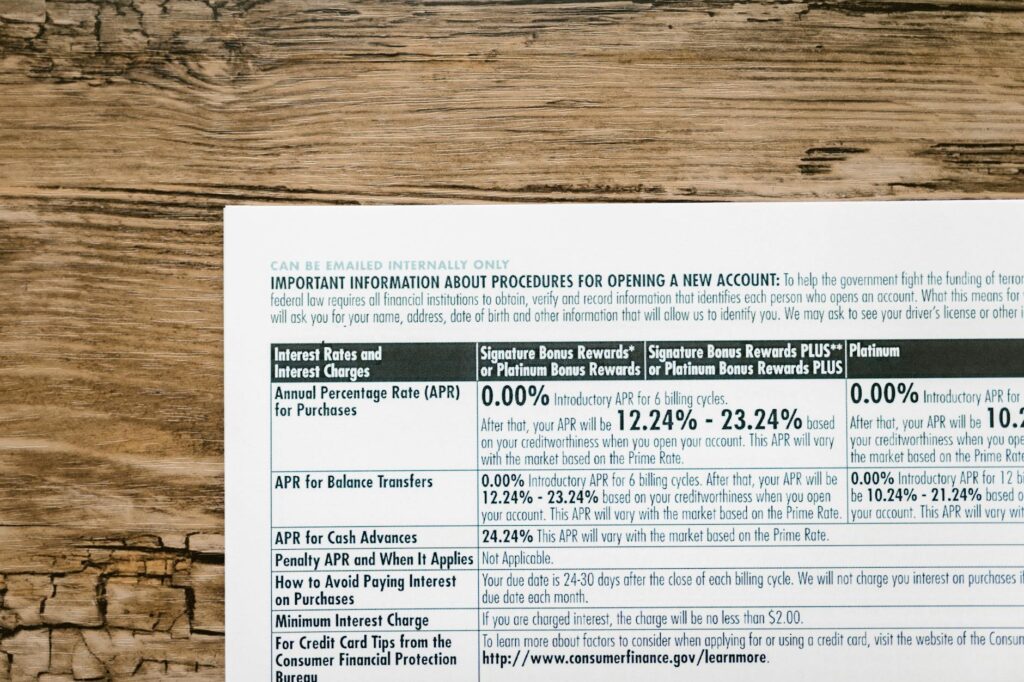
Clean energy financing is an essential tool for homeowners looking to invest in energy-efficient upgrades. In Nevada, the landscape of clean energy financing is rich with opportunities, making it an appealing choice for those eager to reduce their energy bills and environmental footprint. With various financing models available, such as Property Assessed Clean Energy (PACE) financing and low-interest loans, homeowners can access funds to make significant improvements without bearing the upfront costs. These options align well with the broader Nevada energy incentives for homeowners, which include home energy rebates and tax credits, further enhancing the attractiveness of clean energy investments.
Finding the Right Financing Solutions
When selecting a financing option, homeowners should consider their personal financial situation and long-term goals. PACE financing allows homeowners to pay for energy upgrades through their property taxes, spreading the cost over time, which can be beneficial for those who may not have the capital for an upfront investment. Additionally, low-interest loans are available through various local and state programs, providing another viable path to financing energy-efficient enhancements.
- Evaluate your budget: Determine how much you can afford to spend monthly on loan payments or tax assessments.
- Consider the long-term savings: Factor in potential savings on energy bills when evaluating loan options.
- Research available incentives: Look into the specific home energy rebates in Nevada and Nevada energy tax credits that can offset costs.
It’s also wise to consult with local energy efficiency experts who can guide you through the myriad of financing alternatives tailored to your needs. By carefully evaluating these options, homeowners can navigate the complexities of clean energy financing and make informed decisions that will benefit both their finances and the planet.
As the push for sustainability grows stronger, Nevada’s energy incentives for homeowners provide a robust framework for making clean energy investments accessible and financially feasible. By leveraging clean energy financing options, homeowners can take advantage of these incentives and contribute to a cleaner, more sustainable future.
Overcoming Barriers to Accessing Energy Incentives
Nevada Energy Incentives for Homeowners: Common Misconceptions
Despite the numerous Nevada energy incentives for homeowners, many still hesitate to take advantage of these programs due to misconceptions. A prevalent myth is that these incentives are too complex to navigate. Homeowners often believe that applying for home energy rebates in Nevada requires extensive paperwork or intricate knowledge of energy regulations. In reality, most programs are designed with user-friendliness in mind, featuring clear guidelines and support.
Another misconception surrounds eligibility. Many homeowners assume they do not qualify for incentives based on their income or property type. However, programs like Nevada energy tax credits are often more inclusive than people think, catering to a wide range of households. Engaging with local energy advisors can provide clarity and help dispel these myths.
Addressing Financial and Administrative Barriers
Financial concerns can also discourage homeowners from pursuing Nevada energy incentives for homeowners. The initial costs of energy-efficient upgrades can seem daunting, but there are options available. Many local agencies offer clean energy financing programs that allow homeowners to make improvements without upfront payments, repaying over time through savings on energy bills.
Administrative barriers, such as unclear application processes, can be another hurdle. To overcome this, homeowners should not hesitate to reach out to local energy agencies or community organizations for assistance. These resources often provide free consultations and can guide applicants through the process, ensuring they don’t miss out on available incentives.
By addressing these misconceptions and barriers, homeowners can unlock the full potential of Nevada’s energy incentives, leading to both financial savings and a more sustainable future.
Conclusion: Taking Advantage of Nevada’s Energy Incentives for Homeowners
Homeowners in Nevada have a unique opportunity to enhance their living spaces while contributing to a more sustainable future. The Nevada energy incentives for homeowners offer a compelling pathway to financial savings and energy efficiency. By engaging with programs like home energy rebates Nevada and Nevada energy tax credits, homeowners can significantly reduce their upfront costs for energy-efficient upgrades and renewable energy installations.
Many might hesitate to explore these incentives due to perceived complexity or the upfront investment required for energy-efficient improvements. However, this hesitation can lead to missed savings and benefits. The long-term financial impact of energy-efficient choices is substantial; many homeowners report lower utility bills and increased property values after investing in clean energy solutions. Additionally, clean energy financing options are available to help alleviate the burden of initial costs, making these improvements more accessible than ever.
It’s important to recognize that while some might argue that the process of applying for these incentives is daunting, the potential benefits far outweigh the challenges. With resources readily available, including state-run programs and local utility assistance, homeowners can find guidance to navigate the landscape of energy incentives.
By taking proactive steps to explore available programs, homeowners not only benefit personally but also contribute to a larger movement toward sustainable energy practices in the state. The shift to energy efficiency is not just a trend; it is a necessary step toward a greener future. Embracing Nevada’s energy incentives for homeowners is an investment in both personal finances and the environment, ensuring a better quality of life for generations to come.
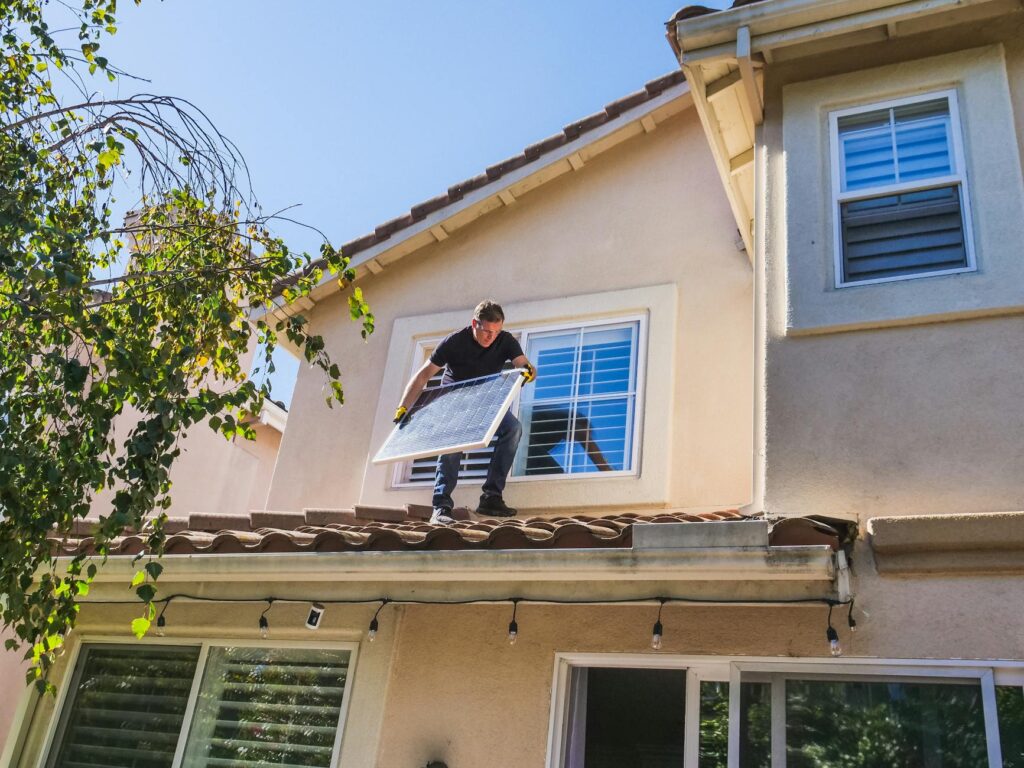
Understanding the various Nevada energy incentives for homeowners can significantly ease the financial burden of energy-efficient upgrades. By exploring options like home energy rebates Nevada and Nevada energy tax credits, homeowners can take meaningful steps toward reducing their utility bills while benefiting the environment. Clean energy financing further enhances accessibility, allowing more households to invest in solar panels, energy-efficient appliances, and other green technologies.
Ready to make your home more energy-efficient? Start by researching available programs and incentives tailored to your needs. Visit official state resources or consult local energy providers to find the best opportunities for your situation. Taking advantage of these incentives can lead to substantial savings, making your journey toward a greener home both practical and rewarding.
What are the current Nevada energy incentives for homeowners?
Nevada energy incentives for homeowners include various programs aimed at promoting energy efficiency and renewable energy. Homeowners can benefit from rebates for energy-efficient appliances, solar panel installations, and home improvements that enhance energy efficiency. Additionally, there are financing options available to help cover upfront costs. For a comprehensive list of current incentives, you can visit the Nevada Governor’s Office of Energy.
How can I find home energy rebates in Nevada?
To find home energy rebates in Nevada, start by visiting the official Nevada Governor’s Office of Energy website. They provide detailed information on available rebates for energy-efficient upgrades and renewable energy solutions. You can also check with local utility companies, as they often have their own rebate programs for residential customers. Additionally, resources like the U.S. Department of Energy can guide you on federal and state-specific rebate programs.
What types of Nevada energy tax credits are available?
Nevada energy tax credits include credits for installing renewable energy systems, such as solar photovoltaic panels and solar water heating systems. Homeowners may also qualify for credits associated with energy-efficient home improvements and specific energy-saving appliances. For the most current information on Nevada energy tax credits, refer to the Nevada Department of Taxation website or consult a tax professional for personalized advice.
How do I apply for clean energy financing in Nevada?
Applying for clean energy financing in Nevada typically involves contacting your local utility provider or a designated financing program. Programs like the NV Energy Clean Energy Program offer financing options for homeowners looking to invest in energy-efficient technologies. You’ll often need to provide documentation about your home and the planned improvements. Be sure to explore all financing options available to see which best fits your needs.
Are there any eligibility requirements for energy incentives in Nevada?
Yes, eligibility requirements for Nevada energy incentives for homeowners vary depending on the specific program. Generally, homeowners must reside in the state, own the property, and make qualifying improvements that meet program standards. Some programs may also have income limits or specific energy savings goals. To confirm your eligibility, check the details on the Nevada Governor’s Office of Energy website or directly with the program administrators.
What are the benefits of using Nevada’s energy incentives for homeowners?
Utilizing Nevada’s energy incentives for homeowners can lead to significant cost savings on energy bills and reduced environmental impact. Incentives like rebates and financing options make it more affordable to invest in energy-efficient upgrades and renewable energy systems. These improvements not only enhance home comfort but can also increase property value. Homeowners can access up-to-date information and resources through the Nevada Governor’s Office of Energy to maximize their benefits.