Understanding Paul Nevada climate policies is essential as the state positions itself as a leader in addressing climate change and transitioning to renewable energy sources. As we look toward renewable energy Nevada 2026, it’s evident that the local government is embracing innovative solutions to combat climate change Nevada. This article dives into key Paul sustainability initiatives that are paving the way for a greener future. We will explore how these policies aim to reduce carbon emissions, promote clean energy technologies, and create sustainable community practices. Additionally, we’ll discuss how residents can actively participate in these transformative efforts. By fostering a collective commitment to sustainability, Nevada can not only meet its energy goals but also set an example for other states. Join us as we navigate the future of renewable energy in Nevada and discover the positive impact of Paul Nevada climate policies on our environment and community.
Understanding Paul Nevada Climate Policies
Overview of Climate Change Nevada
Nevada faces a pressing challenge in tackling climate change, with rising temperatures and increasing drought conditions posing significant threats to its natural ecosystems and communities. With the urgency of climate change Nevada becoming more pronounced, Paul’s climate policies are designed to address these challenges head-on. His approach emphasizes sustainability and resilience, aligning with broader state goals for 2026, which aim to reduce greenhouse gas emissions and promote environmental stewardship.
Paul Nevada climate policies focus on a comprehensive strategy that includes increasing the use of renewable energy sources, enhancing energy efficiency, and fostering public awareness about climate issues. By paving the way for innovative solutions, his initiatives aim to create a cleaner, more sustainable Nevada for future generations.
The Importance of Renewable Energy Nevada 2026
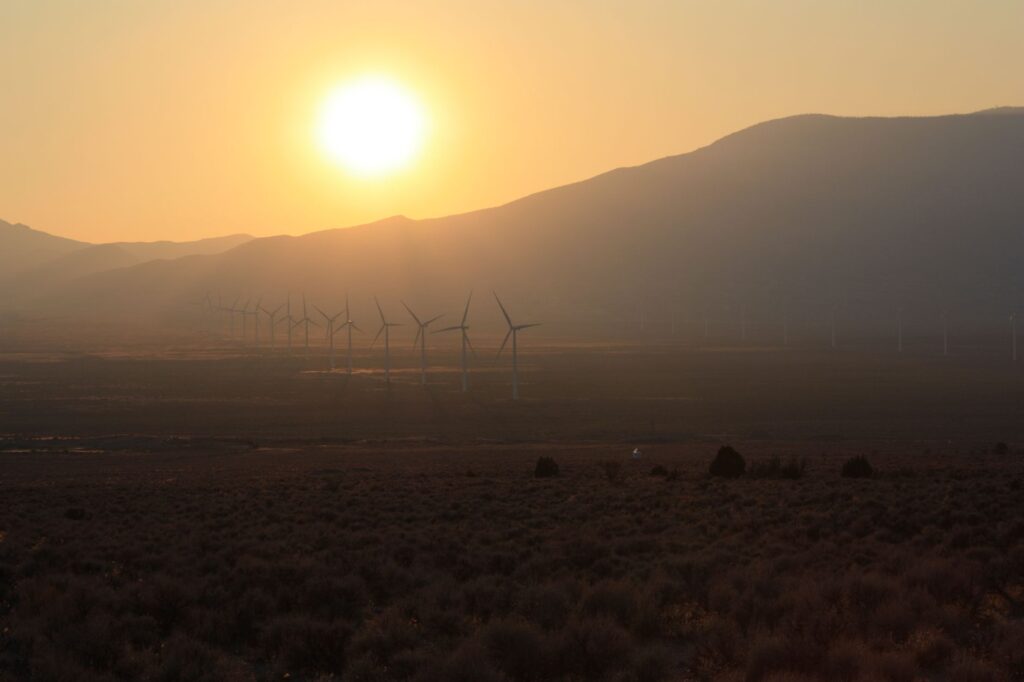
As part of the fight against climate change, renewable energy plays a crucial role in Nevada’s future. The state has abundant resources, particularly solar and wind energy, which can significantly reduce reliance on fossil fuels. With a goal set for 2026 to have at least 50% of the state’s electricity generated from renewable sources, Paul’s policies are strategically aligned to meet and exceed these targets.
By investing in renewable energy projects, Paul sustainability initiatives not only aim to curb carbon emissions but also to stimulate the local economy through job creation in the renewable sector. Transitioning to renewable energy sources is vital in combating climate change Nevada and ensuring a clean energy future.
- Implementing solar energy programs.
- Investing in wind energy projects.
- Promoting energy conservation initiatives.
Paul’s proactive stance on climate policies and renewable energy is a clear response to the urgent climate issues facing Nevada. By prioritizing sustainability and clean energy, he is working towards a more resilient future for all Nevadans.
Key Paul Sustainability Initiatives
As part of his commitment to addressing climate change in Nevada, Paul has implemented several key sustainability initiatives that focus on renewable energy and community engagement. These efforts underscore his vision for a cleaner, more sustainable future, aligning with the broader goals of the Paul Nevada climate policies.
Investments in Renewable Energy
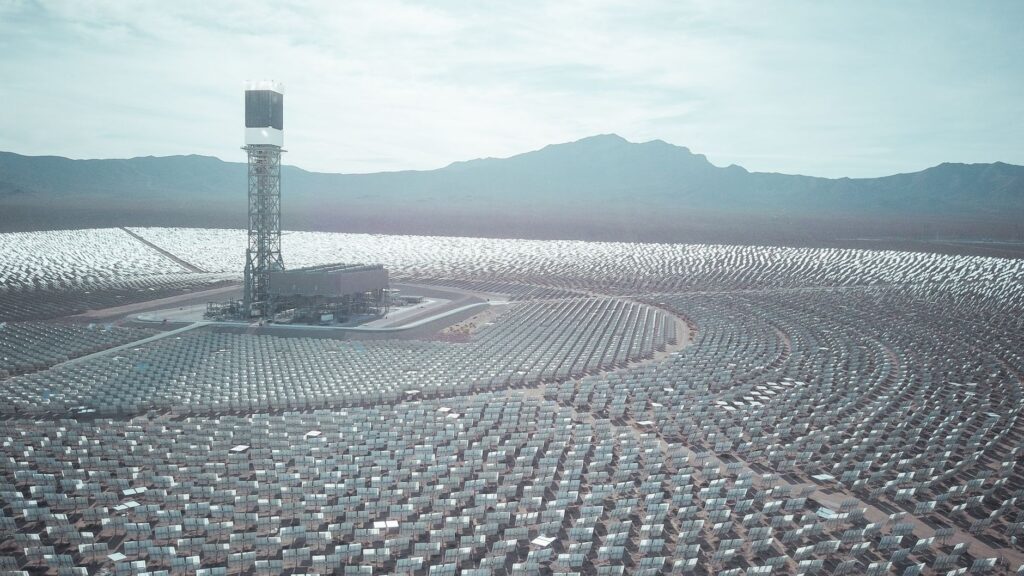
One of the cornerstones of Paul’s approach to sustainability is his significant investment in renewable energy sources. Notably, he has championed various solar and wind projects across the state. For example, the recent Solar Initiative aims to increase Nevada’s solar capacity by 50% by 2026. This initiative not only generates clean energy but also creates thousands of jobs, fostering economic growth while combatting climate change.
Additionally, Paul has supported wind energy projects in rural areas, which contribute to a diversified energy portfolio for Nevada. These projects have shown promising results, providing clean power to thousands of homes and reducing greenhouse gas emissions significantly.
Community Engagement and Education on Paul Nevada Climate Policies
Understanding that effective climate action requires community involvement, Paul has prioritized education programs that inform residents about climate change and renewable energy solutions. His administration has launched several initiatives aimed at raising awareness about sustainable practices, including workshops and seminars in local schools and community centers.
One successful example is the “Green Living” series, which educates families on energy efficiency, waste reduction, and the benefits of renewable energy sources. Feedback from participants has been overwhelmingly positive, with many expressing increased motivation to adopt eco-friendly habits. By engaging the community, Paul ensures that residents are not just passive recipients of policies but active participants in the fight against climate change Nevada.
Through these innovative Paul sustainability initiatives, Nevada is on a path to becoming a leader in renewable energy and climate action. These efforts not only address immediate environmental concerns but also pave the way for a sustainable future.
The Future of Renewable Energy in Nevada
Projected Outcomes for 2026 from Paul Nevada Climate Policies
With the implementation of Paul Nevada climate policies, the state is poised to make significant strides in renewable energy by 2026. According to the U.S. Department of Energy, Nevada has the potential to generate over 80% of its electricity from renewable sources by 2050, with solar energy leading the charge. By 2026, projections suggest that renewable energy could account for more than 50% of the state’s energy mix. This shift not only aims to combat climate change in Nevada but also positions the state as a leader in the transition to a sustainable energy future.
Moreover, the Nevada Energy Data Center indicates that the state is expected to create thousands of jobs in the renewable sector, contributing to economic growth while reducing greenhouse gas emissions. As part of Paul’s sustainability initiatives, programs focused on energy efficiency and renewable energy adoption are set to become more widespread, further enhancing these outcomes.
Challenges and Opportunities for Renewable Energy in Nevada
While the outlook is promising, the journey towards achieving these goals is not without challenges. One major hurdle is the need for significant investment in infrastructure. As highlighted by the National Renewable Energy Laboratory, upgrading the grid to handle increased renewable energy sources will require substantial financial and logistical planning.
Another challenge lies in regulatory frameworks that can be slow to adapt to the pace of innovation. However, this also presents an opportunity for Nevada to become a testbed for new technologies and policies. With the right support, Nevada can lead the way in developing solutions that address these challenges. Initiatives like Paul Nevada climate policies can encourage public-private partnerships that foster innovation and accelerate the transition to renewable energy.
Investors and businesses are likely to see opportunities in clean technology development, solar energy projects, and energy storage solutions. A report from IRENA predicts that the renewable sector could grow by 15% annually, highlighting the potential economic benefits of embracing sustainable practices.

through Paul Nevada climate policies, the state has a chance to not only address climate change in Nevada but also to harness the economic opportunities presented by a growing renewable energy sector. With concerted efforts to overcome challenges, Nevada could emerge as a model for sustainable energy practices by 2026 and beyond.
For further insights into Nevada’s renewable energy plans, stay tuned for updates on energy initiatives and the latest developments in sustainable practices across the state. Paul For Nevada Climate Change Policies Explained
How Residents Can Get Involved
Supporting Local Initiatives
Residents of Nevada can play a vital role in championing Paul’s approach to climate change and renewable energy. One effective way to contribute is by supporting local initiatives that align with Paul Nevada climate policies. Look for community groups focused on sustainability, such as local climate action networks or renewable energy advocacy organizations. Volunteering your time and skills can amplify these efforts.
Participating in community events, such as tree planting days or clean-up drives, not only helps the environment but also builds a network of like-minded individuals. You can also explore local workshops that educate residents on sustainable practices. Engage with programs that promote energy efficiency, such as home energy audits or solar panel installations, which contribute to Nevada’s goal of increasing renewable energy capacity by 2026.
To stay informed, consider signing up for newsletters from local environmental organizations or following them on social media. This will keep you in the loop regarding upcoming events and initiatives that you can participate in.
Advocating for Policy Changes in Line with Paul Nevada Climate Policies
Advocacy is another powerful tool for residents looking to influence climate change in Nevada. Start by familiarizing yourself with the current Paul sustainability initiatives, as understanding the policies will empower you to discuss them confidently. Attend town hall meetings or city council sessions to voice your support for renewable energy projects, and don’t hesitate to reach out to your local representatives to express your concerns about climate policies.
Furthermore, consider organizing or participating in campaigns that promote renewable energy solutions. Gathering signatures for petitions or rallying community members can amplify your voice, urging local government to prioritize sustainable practices. You can also engage in social media campaigns that raise awareness about climate issues and the importance of adhering to Paul Nevada climate policies.
Ultimately, every action counts. By taking ownership of your environmental impact and encouraging others to do the same, you can be a part of the solution in addressing climate change in Nevada.
Conclusion: A Sustainable Future for Nevada
As we look toward a sustainable future for Nevada, the significance of Paul’s climate policies cannot be overstated. By prioritizing climate change solutions and supporting renewable energy initiatives, Paul is setting the stage for a vibrant, environmentally conscious state. With the ambitious goal of achieving 50% renewable energy by 2026, Nevada is on track to become a leader in the fight against climate change. The potential benefits are immense, ranging from improved air quality to job creation in green sectors.
Paul’s sustainability initiatives focus on practical solutions that not only address the immediate impacts of climate change in Nevada but also pave the way for long-term resilience. These policies advocate for investments in solar and wind energy, which are not only sustainable but also economically viable. As we transition away from fossil fuels, Nevada’s natural resources can be harnessed to create a cleaner, healthier environment.
The role of the community in supporting these initiatives is crucial. Local engagement and advocacy can amplify the impact of Paul‘s Nevada climate policies. Citizens can participate in public forums, support local renewable energy projects, and promote sustainable practices in their daily lives. By coming together, we can ensure that Nevada not only meets its climate goals but exceeds them, creating a legacy of sustainability for future generations.
As we approach 2026, the time for action is now. Embracing renewable energy and supporting legislative changes will help mitigate the effects of climate change in Nevada. Let’s rally around Paul’s vision for a sustainable future, ensuring that we leave a healthy planet for those who come after us. Join the movement today and be part of the solution.
For more information on how you can contribute to these efforts, consider exploring Paul’s Environmental Policies Impacting Nevada or learn about Paul For Nevada Renewable Energy: A Sustainable Vision. Together, we can create a sustainable Nevada for all.
Paul’s approach to climate policies in Nevada focuses on fostering a sustainable future through innovative strategies and community involvement. By prioritizing renewable energy initiatives, such as the ambitious goals set for renewable energy Nevada 2026, he aims to combat climate change Nevada effectively. This vision not only addresses immediate environmental concerns but also sets a precedent for future generations who will inherit this beautiful state.
Engaging with local communities and stakeholders, Paul emphasizes the importance of collective action in implementing his sustainability initiatives. As Nevadans, we all have a role to play in supporting these policies and advocating for a cleaner environment. To stay informed and involved, consider participating in local forums and initiatives, ensuring that your voice contributes to shaping a resilient and sustainable Nevada.
“`html
What are Paul Nevada climate policies?
Paul’s Nevada climate policies focus on reducing greenhouse gas emissions, promoting renewable energy, and enhancing energy efficiency. These policies aim to transition the state towards sustainable energy sources while addressing the urgent challenges posed by climate change. By implementing regulations and incentives, Paul seeks to foster an environment that encourages businesses and communities to adopt clean energy solutions, ultimately benefiting Nevada’s economy and environment.
How is climate change affecting Nevada?
Climate change is impacting Nevada through increased temperatures, prolonged droughts, and more frequent wildfires. Water resources are becoming scarcer, affecting agriculture, wildlife, and urban areas. Additionally, rising temperatures threaten public health and exacerbate air quality issues. These challenges underscore the importance of proactive measures, such as those outlined in Paul Nevada climate policies, to mitigate the effects of climate change and protect the state’s natural resources.
What renewable energy sources are being used in Nevada?
Nevada is utilizing a diverse range of renewable energy sources, including solar, wind, geothermal, and hydroelectric power. The state’s abundant sunlight makes it a leader in solar energy production, while geothermal resources provide reliable baseload power. Wind farms are also contributing to the energy mix, helping to meet the growing demand for clean energy. These efforts align with the goals for renewable energy in Nevada by 2026, aiming to further expand the state’s clean energy portfolio.
What sustainability initiatives has Paul introduced?
Paul has introduced several sustainability initiatives aimed at promoting eco-friendly practices in Nevada. These initiatives include programs that incentivize energy efficiency upgrades for homes and businesses, investment in public transportation to reduce carbon footprints, and community engagement campaigns to raise awareness about sustainable living. Paul sustainability initiatives also focus on enhancing green spaces and supporting local agriculture, creating a healthier environment for all Nevadans.
How can I support renewable energy in my community?
You can support renewable energy in your community by advocating for clean energy policies, participating in local sustainability programs, and choosing renewable energy options from your utility provider. Additionally, consider installing solar panels on your property to generate your own clean energy. Engaging with local organizations focused on renewable energy initiatives, volunteering, and educating others about the benefits of renewable energy can also make a significant impact.
What are the goals for renewable energy in Nevada by 2026?
By 2026, Nevada aims to achieve 50% of its electricity generation from renewable sources. This goal is part of a broader commitment to reduce greenhouse gas emissions and combat climate change. To reach this target, the state will focus on expanding solar and wind energy capacity, improving grid infrastructure, and promoting energy efficiency. Achieving these goals will not only benefit the environment but also create jobs and stimulate economic growth in the renewable energy sector.
“`