
The Paul For Nevada economic plan aims to reshape the future of the Silver State by addressing critical issues affecting its growth and sustainability. As we approach 2026, understanding how this plan aligns with the needs of the Nevada economy is essential for residents and stakeholders alike. This article delves into key economic policies Nevada needs for growth, highlighting sustainable initiatives that are central to the Paul For Nevada financial strategy. We will also explore the importance of education and workforce development in building a robust economic foundation. Furthermore, fiscal responsibility remains a cornerstone of the Paul For Nevada economic plan, ensuring that financial decisions benefit all Nevadans. By analyzing these components, we can gain insight into the future trajectory of the Nevada economy and how it can adapt to changing times. Join us as we unpack these vital topics and envision a prosperous future for Nevada.
Understanding the Paul For Nevada Economic Plan
Overview of Economic Goals
The Paul For Nevada economic plan is designed to address the pressing challenges facing the state while paving the way for a prosperous future. With a vision for the Nevada economy in 2026, the plan aims to enhance job creation, boost economic stability, and ensure sustainable growth. By focusing on innovative economic policies, the strategy is set to create a more vibrant and inclusive economic landscape for all Nevadans.
One of the main objectives is to revitalize key sectors, such as tourism, renewable energy, and technology, while also addressing workforce development. The emphasis on education and training will ensure that Nevadans are equipped with the skills needed to thrive in an evolving job market. Additionally, the plan aims to make Nevada an attractive destination for businesses, encouraging investment and innovation throughout the state.
Key Components of the Paul For Nevada Economic Plan
The Paul For Nevada economic plan includes several key components that will be explored in detail later in the article. These components encompass:
- Investment in Infrastructure: Upgrading roads, schools, and public transportation to support economic growth.
- Support for Small Businesses: Providing resources and incentives to foster entrepreneurship and innovation.
- Workforce Development: Enhancing education and training programs to prepare Nevadans for high-demand jobs.
- Renewable Energy Initiatives: Promoting clean energy solutions to create jobs and reduce environmental impact.
By focusing on these areas, the Paul For Nevada financial strategy aims to create a well-rounded framework that not only addresses immediate concerns but also sets the stage for long-term success in the Nevada economy 2026. As we delve deeper into the specifics of this plan, it becomes clear how these elements work together to create a comprehensive approach to economic revitalization and growth. 
Key Economic Policies Nevada Needs for Growth
Investment in Infrastructure: A Pillar of the Paul For Nevada Economic Plan
Infrastructure investment is critical for any state aiming for sustainable growth, and the Paul For Nevada economic plan emphasizes this necessity. Nevada’s current infrastructure, from roads to public transport, requires significant upgrades to meet the demands of a growing population and an evolving economy. In 2021, the American Society of Civil Engineers rated Nevada’s infrastructure with a grade of C-, highlighting the urgent need for improvements source. By investing in robust infrastructure, Nevada can attract new businesses, enhance tourism, and ensure that existing companies can operate efficiently.
The benefits of infrastructure investment extend beyond immediate job creation. Improved roads, bridges, and utilities can facilitate trade, reduce transportation costs, and ultimately lead to a more competitive Nevada economy by 2026. A well-maintained infrastructure also enhances the quality of life for residents, making Nevada an attractive place for talent to live and work.
Support for Small Businesses: Aligning with the Paul For Nevada Financial Strategy
Small businesses are the backbone of the American economy, and Nevada is no exception. The Paul For Nevada financial strategy highlights the importance of providing support for small enterprises, which can stimulate job creation and economic growth. According to the SBA, small businesses account for 99.9% of all U.S. businesses and employ nearly half of the workforce.
To align with the goals of the Nevada economy 2026, policies must focus on providing access to capital, reducing regulatory burdens, and enhancing training programs. Initiatives like microloans and grants for startups can empower entrepreneurs, while tax incentives can encourage established businesses to expand and hire more workers. By fostering an environment where small businesses can thrive, Nevada can ensure long-term economic stability and growth.

Through strategic investments and targeted support, Nevada can build a resilient economy that not only meets the challenges of today but also paves the way for a prosperous future. For more insights on the Paul For Nevada economic plan and its potential impacts, check back for further analysis and discussions.
Paul For Nevada Economic Plans: A Detailed OverviewSustainable Initiatives in the Paul For Nevada Economic Plan
Green Energy and Sustainability
The Paul For Nevada economic plan places a significant emphasis on green energy and sustainability as essential components of the state’s future economic landscape. With the goal of transitioning to more renewable energy sources, the initiative aims to reduce Nevada’s reliance on fossil fuels, which not only helps mitigate climate change but also positions the state as a leader in the green energy sector. By investing in solar, wind, and geothermal energy, the plan is projected to create thousands of jobs in the renewable energy industry, thus bolstering the Nevada economy by 2026.
Moreover, the plan seeks to improve energy efficiency across various sectors, including residential, commercial, and industrial. By incentivizing energy-efficient practices and technologies, the Paul For Nevada financial strategy aims to lower energy costs for consumers and businesses, ultimately leading to increased disposable income and spending.
Long-term Economic Resilience in the Paul For Nevada Economic Plan
Beyond immediate environmental benefits, the sustainable initiatives in the Paul For Nevada economic plan are designed to foster long-term economic resilience. By diversifying the state’s energy portfolio and reducing its dependence on volatile fossil fuel markets, Nevada can stabilize its economy and protect against future economic shocks. The plan also includes provisions for sustainable agriculture and water conservation, which are crucial for maintaining the state’s natural resources and ensuring food security.
These economic policies Nevada is implementing not only promote environmental stewardship but also stimulate job creation in emerging sectors. As more companies seek to adopt sustainable practices, Nevada is poised to attract businesses committed to sustainability, fostering an ecosystem of innovation and growth. By prioritizing sustainability, the Paul For Nevada economic plan ensures that the state is not only prepared for the challenges of the future but is also leading the charge toward a more sustainable and economically resilient future.

Education and Workforce Development in the Paul For Nevada Economic Plan
Education and workforce development are critical pillars of the Paul For Nevada economic plan. As the state aims to enhance its economic landscape by 2026, aligning educational programs with industry needs and promoting lifelong learning are essential strategies to prepare the workforce for tomorrow’s challenges.
Aligning Education with Industry Needs
One of the primary goals of the Paul For Nevada economic plan is to bridge the gap between education and industry requirements. This initiative recognizes that Nevada’s economic future hinges on a workforce equipped with relevant skills. By collaborating with local businesses and industry leaders, the plan seeks to develop curricula that reflect real-world demands. For instance, programs in technology, healthcare, and renewable energy are being prioritized to ensure students are ready to enter high-demand fields upon graduation.
Furthermore, Nevada is investing in apprenticeships and vocational training that allow students to gain hands-on experience while still in school. This approach not only enhances employability but also helps businesses find skilled workers more easily, fostering a more robust apprenticeship system across the state.
Promoting Lifelong Learning
In an ever-evolving job market, the importance of lifelong learning cannot be overstated. The Paul For Nevada financial strategy emphasizes ongoing education and training opportunities for all residents, regardless of age or career stage. This includes establishing community learning centers and online platforms that provide accessible courses tailored to current workforce needs.
By fostering a culture of continuous improvement, Nevada aims to equip its residents with the skills necessary to adapt to rapid changes in technology and industry practices. This commitment to lifelong learning is vital for maintaining a competitive edge in the Nevada economy 2026 landscape.

With these focused efforts on education and workforce development, the economic policies Nevada is implementing through the Paul For Nevada economic plan will ensure a brighter future for both residents and businesses alike.
For further insights into how these educational initiatives align with workforce needs, explore Paul For Nevada Economic Plan to Tackle Challenges.
Fiscal Responsibility in the Paul For Nevada Economic Plan
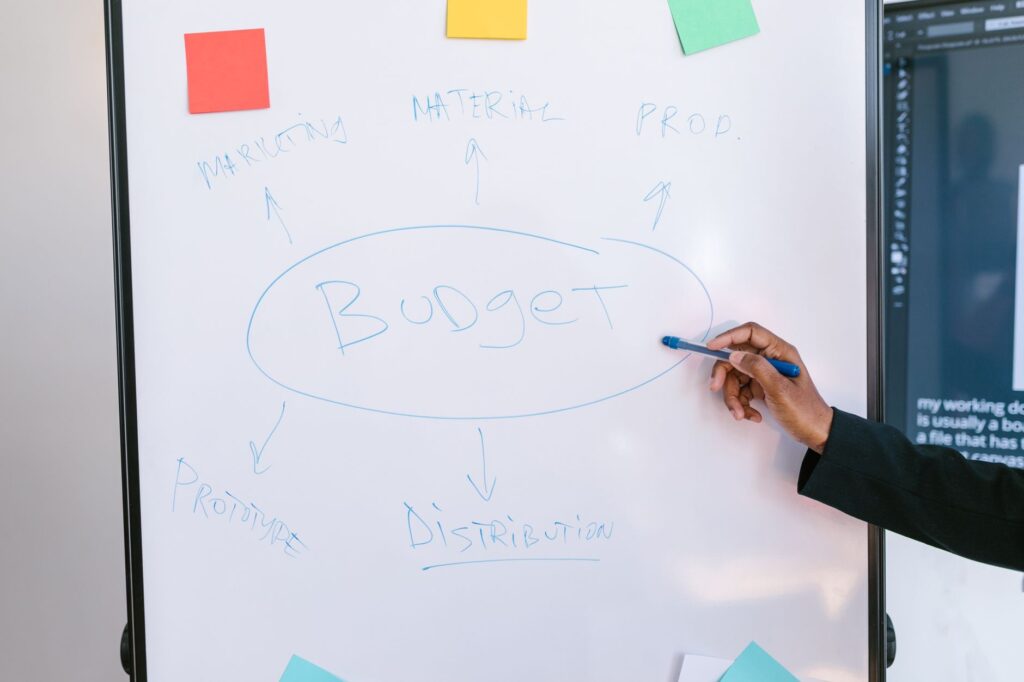
Balancing the Budget in the Paul For Nevada Economic Plan
The fiscal health of Nevada is a critical component of the Paul For Nevada economic plan. Aiming to promote long-term economic stability, the plan emphasizes the importance of balancing the state budget. This approach addresses the challenge of rising expenses, particularly in education and healthcare, while ensuring that revenues keep pace. By focusing on prudent spending and efficiency, the plan seeks to eliminate budget deficits and create a surplus by 2026, positioning Nevada as a model for fiscal responsibility.
One of the key strategies is to identify inefficiencies and cut unnecessary expenditures. This would involve a thorough review of state programs and services to ensure taxpayer dollars are used effectively. As the Nevada economy 2026 approaches, maintaining a balanced budget will be vital for attracting investments and fostering economic growth. By implementing these measures, the state can bolster its financial standing, ensuring that essential services remain funded without overburdening residents with debt.
Tax Policies in the Paul For Nevada Financial Strategy
Complementing the budgetary efforts are the proposed tax policies under the Paul For Nevada financial strategy. The plan aims to simplify the tax code while enhancing fairness and transparency. By lowering taxes for middle-class families and small businesses, the initiative encourages consumer spending and entrepreneurship, which are crucial for driving the state’s economic growth.
Moreover, the economic policies Nevada is adopting include incentives for businesses that create jobs in high-demand sectors such as technology and renewable energy. These measures not only provide immediate relief to taxpayers but also stimulate long-term economic development, fostering a more vibrant job market. As a result, residents can expect a more favorable economic environment that supports their financial well-being.
the Paul For Nevada economic plan addresses fiscal responsibility through strategic budget balancing and innovative tax policies. Implementing these approaches will undoubtedly influence the trajectory of Nevada’s economy in the coming years, making it an essential topic for residents and policymakers alike.
Conclusion: The Future of the Nevada Economy
The discussion around the Paul For Nevada economic plan highlights a comprehensive approach to addressing the challenges and opportunities facing our state. By focusing on sustainable development, job creation, and innovative financial strategies, this plan aims to shape a robust and resilient Nevada economy by 2026. Key initiatives include investment in renewable energy and technology sectors, which are pivotal for diversifying our economic base and reducing reliance on traditional industries.
Call to Action: Supporting the Paul For Nevada Economic Plan
<pTo ensure the successful implementation of the
Paul For Nevada economic plan, community engagement is essential. Residents, local businesses, and organizations are encouraged to participate actively in discussions and initiatives that align with the economic policies Nevada needs to thrive. This engagement can take many forms, from attending town hall meetings to joining local advocacy groups that support sustainable economic practices. Your voice matters in shaping a future that reflects the aspirations of all Nevadans.
Engagement with the Community
The future of the Nevada economy is not solely in the hands of policymakers; it requires a collective effort from the community. By collaborating on projects and initiatives outlined in the Paul For Nevada financial strategy, citizens can play a significant role in driving progress. Sharing ideas, resources, and support for sustainable practices will contribute to a stronger economic foundation for our state. Together, we can work towards a vibrant Nevada that provides opportunities for all.
As we look ahead, let’s commit to being active participants in the economic transformation of our state. Get involved, stay informed, and lend your support to projects that resonate with your vision for a prosperous Nevada.

As we analyze the Paul For Nevada economic plan, it becomes clear that his approach to revitalizing the Nevada economy 2026 is both strategic and comprehensive. By focusing on innovative economic policies Nevada needs, Paul aims to create a robust financial landscape that benefits all residents. His vision encompasses diverse sectors, ensuring that growth is sustainable and inclusive.
For those interested in the future of Nevada’s financial strategy, now is the time to get involved. Engaging with local initiatives, attending town hall meetings, and voicing your opinions on the Paul For Nevada financial strategy can help shape the economic policies that will influence our communities. By taking action today, you contribute to a stronger, more resilient future for Nevada.
“`html
What is the Paul For Nevada economic plan?
The Paul For Nevada economic plan is a comprehensive strategy aimed at revitalizing the state’s economy. It focuses on job creation, sustainable growth, and increasing investment in key sectors such as technology, healthcare, and renewable energy. The plan seeks to address current economic challenges while positioning Nevada for long-term prosperity, particularly looking towards the Nevada economy in 2026 and beyond.
How will the economic policies Nevada affect job growth?
The economic policies outlined in the Paul For Nevada economic plan aim to stimulate job growth by encouraging businesses to invest and expand. By reducing unnecessary regulations, providing tax incentives, and promoting workforce training programs, the plan is designed to create a more favorable environment for job seekers and employers alike, ultimately resulting in a more robust job market in Nevada.
What are the key components of Paul For Nevada’s financial strategy?
Key components of Paul For Nevada’s financial strategy include investment in infrastructure, tax reform, and support for small businesses. The plan emphasizes fiscal responsibility while promoting economic growth through targeted investments in education, technology, and healthcare. This multi-faceted approach is intended to create a balanced and sustainable economic environment conducive to growth.
How does the plan address the Nevada economy 2026?
The plan addresses the Nevada economy in 2026 by setting specific goals for job creation, economic diversification, and sustainable development. It focuses on preparing the workforce for emerging industries and ensuring that the state’s growth is inclusive and environmentally responsible. By laying out a clear roadmap, the plan aims to make Nevada a leader in economic innovation and resilience.
What sustainable initiatives are included in the economic plan?
The economic plan includes various sustainable initiatives such as promoting renewable energy sources, enhancing public transportation, and supporting green technologies. These initiatives are designed to reduce the carbon footprint of Nevada while creating new jobs in the sustainability sector. By prioritizing environmental stewardship, the plan seeks to ensure that economic growth does not come at the expense of the environment.
How will education and workforce development change under this plan?
Education and workforce development will undergo significant changes under the Paul For Nevada economic plan. The strategy emphasizes partnerships between educational institutions and industries to align training programs with market needs. It aims to increase funding for vocational training, enhance STEM education, and provide resources for lifelong learning, ensuring that the workforce is skilled and prepared for high-demand jobs.
“`