
Nevada energy policy is a crucial topic that impacts everyone living in the Silver State, from homeowners to businesses. Understanding the various components of this policy can help you make informed decisions about your energy usage and costs. In this article, we’ll break down what Nevada energy policy entails, why it matters, and how it affects energy regulations, fuel policy, and state energy programs. We’ll explore recent changes in energy legislation that could shape the future of energy in Nevada, and we’ll also provide tips on how to stay up-to-date with ongoing developments. By the end, you’ll have a clearer picture of the landscape of energy in Nevada and its implications for your daily life. Ready to dive in? Let’s get started!
What is Nevada Energy Policy and Why It Matters
Nevada energy policy encompasses the regulations, programs, and legislation that govern how energy is produced, distributed, and consumed in the state. As the demand for energy continues to evolve, understanding these frameworks becomes increasingly important. The significance of Nevada energy policy lies in its direct impact on the economy, environment, and residents’ quality of life. With ongoing discussions around renewable energy sources and sustainability, navigating this complex landscape is critical now more than ever.
The Importance of Energy Regulations
Energy regulations shape the state’s energy landscape by setting guidelines for how energy providers operate, ensuring fair pricing, and promoting the use of clean energy. These regulations play a crucial role in determining the balance between traditional energy sources, like natural gas and coal, and renewable sources such as solar and wind. For instance, Nevada has made significant strides in solar energy, driven by both state initiatives and federal support. The state’s commitment to renewable energy is further reflected in its ambitious goals set by various energy legislation aimed at reducing greenhouse gas emissions.
Understanding Nevada energy policy is vital not just for industry stakeholders but also for residents who are affected by energy costs and environmental impacts. Recent legislative changes, such as those focusing on energy efficiency and renewable portfolio standards, highlight the shifting priorities in energy policy and fuel policy. These changes can lead to tangible benefits for consumers, including lower utility bills and a cleaner environment.
Current Context of Nevada’s Energy Landscape
The current context of Nevada’s energy landscape is marked by significant developments, including the push for electric vehicle infrastructure and community solar projects. With the state’s growing population and increasing energy demands, policymakers are tasked with creating sustainable solutions that address both immediate needs and long-term goals.
As the state implements new energy programs and initiatives, residents and businesses must stay informed about how these changes affect them. The implications of Nevada energy policy extend beyond state borders, influencing regional energy markets and contributing to national discussions on energy independence and sustainability. By understanding the intricacies of these policies, Nevadans can better advocate for their energy needs and participate in shaping a sustainable energy future.

as Nevada embraces a more sustainable and diversified energy portfolio, staying informed about energy regulations and state energy programs will empower residents to make informed decisions. The evolving landscape of Nevada energy policy is not just a government concern; it is a vital part of our lives, driving economic growth and environmental stewardship.
Key Components of Nevada Energy Policy
Nevada’s energy landscape is not just about powering homes and businesses; it’s a complex web of regulations, programs, and legislative initiatives designed to create a sustainable and reliable energy future. Understanding the key components of nevada energy policy is essential for grasping how the state aims to meet its energy needs while addressing environmental concerns and economic growth.
Fuel Policy Explained
At the heart of Nevada’s energy strategy is its fuel policy, which focuses on diversifying energy sources to enhance reliability and sustainability. This policy encourages the use of renewable energy sources, such as solar and geothermal power, while also regulating traditional fossil fuels. The state aims to reduce its carbon footprint by promoting cleaner energy alternatives, which is crucial given that Nevada has one of the highest solar potentials in the nation.
Moreover, the California Energy Commission has noted that incorporating a mix of energy sources helps in stabilizing electricity prices and reducing dependence on imported fuels. This aspect of the nevada energy policy is particularly relevant as the state continues to face challenges from climate change and fluctuating energy prices.
Overview of State Energy Programs
Nevada’s state energy programs play a crucial role in implementing its energy regulations and achieving policy objectives. These programs include initiatives for energy efficiency, renewable energy incentives, and research and development of emerging technologies. For instance, the state’s Renewable Energy Program provides financial assistance and tax credits to projects that harness solar, wind, and other renewable resources.
By fostering innovation and supporting green technology, these state energy programs not only contribute to environmental sustainability but also stimulate economic growth. The synergy between these programs and the overarching fuel policy creates a cohesive strategy that addresses both immediate energy needs and long-term sustainability goals.
This comprehensive approach to energy management is critical now more than ever, as Nevada seeks to navigate the challenges of climate change and energy demand while ensuring a robust economy. As the state continues to update its nevada energy policy, stakeholders must stay informed about the evolving landscape of energy legislation and its implications for future energy use.
Recent Changes in Energy Legislation
What’s New in Energy Legislation?
As of 2023, Nevada has seen several noteworthy developments in energy legislation that significantly impact the state’s energy landscape. One of the most crucial pieces of legislation is Assembly Bill 486, which aims to accelerate the transition to renewable energy sources. This bill mandates that Nevada’s utilities achieve 50% renewable energy by 2030, up from the previous target of 40%. Such aggressive targets align with the broader goals of Nevada energy policy to promote sustainability and combat climate change.
Additionally, Senate Bill 123 has been proposed, focusing on enhancing energy efficiency in state buildings. By implementing stricter energy regulations, the bill seeks to reduce overall energy consumption and lower costs for taxpayers. These changes reflect a growing recognition of the importance of efficient energy use in achieving long-term sustainability objectives.
Moreover, the introduction of incentives for solar energy installations through various state energy programs aims to encourage both residents and businesses to invest in renewable technologies. With Nevada’s abundant sunshine, this initiative could significantly boost solar adoption across the state.

Impacts of Recent Bills on Consumers
The implications of these recent bills are far-reaching for consumers and businesses alike. By increasing the renewable energy mandate, residents can expect a gradual shift in their energy sources, leading to potentially lower electricity rates as competition among energy providers increases. Furthermore, the focus on energy efficiency will likely result in reduced utility bills for state residents as energy waste diminishes.
For businesses, the push towards renewable energy can create new opportunities, particularly in the solar sector. Companies that invest in cleaner energy solutions may find themselves at a competitive advantage as consumers increasingly prefer environmentally friendly options. However, critics argue that the costs associated with transitioning to renewable sources may initially lead to higher rates, underscoring the importance of careful implementation of these energy regulations.
Overall, these legislative changes reflect a commitment to a sustainable future and align closely with broader energy goals at the national level. As Nevada continues to evolve its energy landscape, the implications for consumers, businesses, and the environment will be significant, paving the way for a cleaner, more sustainable energy future.
For further details on how these policies are shaping the state’s energy future, you can refer to additional resources on Nevada Energy’s official website.
Stay informed about the latest developments in Nevada energy policy as they unfold, as these changes will undoubtedly affect us all.
The Future of Nevada Energy Policy
Trends and Predictions for Nevada Energy Policy
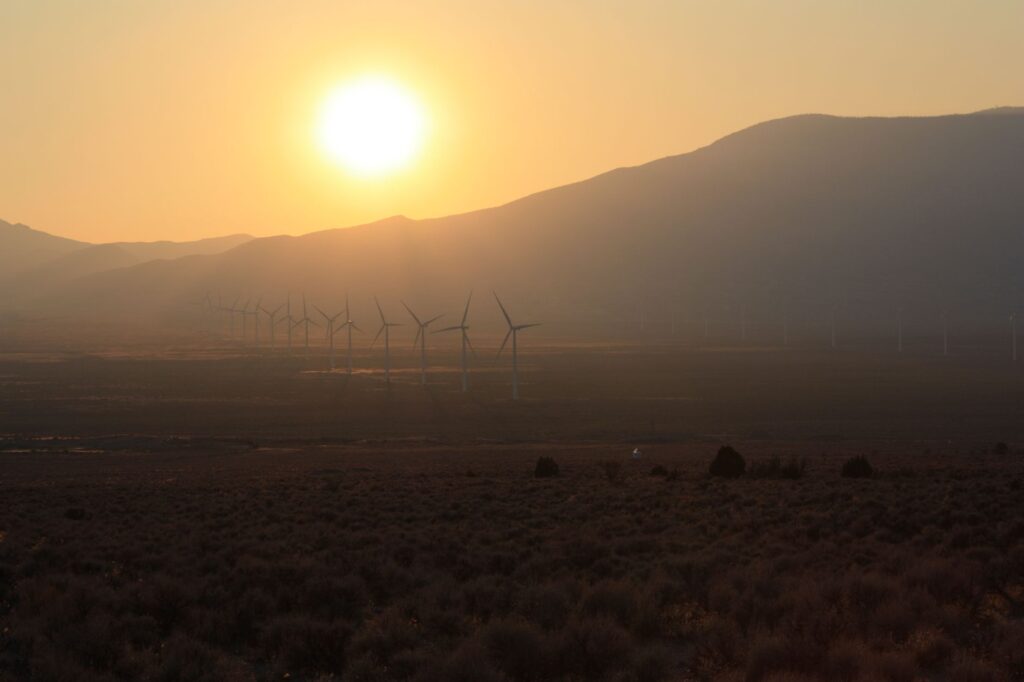
As we look ahead, Nevada energy policy is poised to evolve significantly in response to pressing global challenges and local needs. The state’s commitment to renewable energy is becoming increasingly evident, particularly as it aims to achieve 50% renewable energy by 2030 and 100% by 2050. This ambitious goal aligns with national trends focused on sustainability and reducing carbon footprints. Furthermore, the integration of advanced technologies, such as energy storage and smart grid systems, is expected to shape the future landscape of energy regulations in the state.
In recent years, state energy programs have also focused on enhancing energy efficiency in homes and businesses. Initiatives to promote electric vehicles and expand charging infrastructure are gaining momentum, reflecting a broader shift in fuel policy towards cleaner transportation options. As the state continues to invest in these areas, we can expect increased collaboration between government agencies, utility companies, and private sector stakeholders to ensure that energy legislation supports these advancements.

Implications for Residents and Businesses
The implications of these evolving energy policies are profound for both residents and businesses in Nevada. For households, the transition to renewable energy sources can lead to lower electricity bills and increased home value, especially for those who invest in solar panels. Additionally, as energy regulations become more favorable towards renewable sources, consumers may have greater access to clean energy options and incentives that make it more financially viable.
For businesses, particularly those in energy-intensive industries, adapting to new energy policies can present challenges but also opportunities. Companies that proactively embrace sustainable practices may find themselves at a competitive advantage. Moreover, those that invest in renewable energy technologies may benefit from state incentives designed to support green initiatives.
Ultimately, the future of Nevada energy policy will not only impact the state’s economic landscape but also its environmental health. As residents and businesses navigate these changes, staying informed and engaged in the decision-making process will be crucial to maximizing benefits while minimizing drawbacks. To learn more about how these policies might affect you directly, consider exploring Paul For Nevada Renewable Energy Initiatives Explained and staying updated on The Complete Guide to Nevada’s Energy Infrastructure.
How to Stay Informed About Nevada Energy Policy
Understanding Nevada energy policy is more crucial than ever, especially with the state’s evolving approach to sustainability and renewable energy sources. Staying informed about this policy landscape is essential for residents, businesses, and stakeholders who are directly affected by changes in energy regulations, fuel policy, and state energy programs. Here are some resources to help you keep abreast of the developments in this vital area.
Resources for Understanding Energy Regulations
One of the best ways to stay updated on energy regulations in Nevada is to follow key organizations and websites that specialize in energy policy. Here are some valuable resources:
- NV Energy – The state’s primary utility company provides updates on energy initiatives, including renewable energy programs and legislative changes.
- Nevada Governor’s Office of Energy – This site offers insights into state energy goals, policies, and current legislation.
- Natural Resources Defense Council – This organization focuses on environmental advocacy and provides information on energy policies across the U.S., including Nevada.
- U.S. Department of Energy – A comprehensive source for national energy trends and policies that impact state-level regulations.
Engaging with State Energy Programs
To actively participate in shaping Nevada energy policy, consider engaging with local state energy programs. These initiatives often welcome public input and participation:
- Renewable Energy Programs – Explore how to get involved with solar and other renewable initiatives in the state.
- State Energy Programs – This page outlines various programs and how you can contribute.
- Attend public meetings or comment sessions related to energy legislation to voice your opinions and learn from experts.
Additionally, keep an eye on upcoming events, such as the Nevada Energy Conference, where stakeholders discuss current issues and future directions for state energy policies.

By utilizing these resources, you can stay informed and engaged in the conversation around Nevada’s energy future. Understanding Nevada energy policy is not just about keeping up with the news; it’s about actively participating in the shaping of a sustainable energy landscape for the state.
Nevada energy policy is shaped by a blend of innovative state energy programs and robust energy regulations. Understanding the intricacies of fuel policy and energy legislation can seem daunting, but it’s essential for grasping how these elements impact our daily lives. By staying informed, you not only become a more engaged citizen but also empower yourself to advocate for sustainable energy solutions that benefit both the environment and the economy.
If you’re interested in diving deeper into the specifics of Nevada’s energy landscape, consider exploring local resources or attending community forums focused on energy policy. Engaging with these discussions can help you better understand how state energy programs are evolving and what changes in energy regulations may mean for you. So, take the next step and explore how you can participate in shaping a brighter energy future for Nevada.
“`html
What are the main elements of Nevada energy policy?
Nevada energy policy encompasses various components, including renewable energy standards, energy efficiency programs, and utility regulations. The state is committed to increasing its reliance on renewable energy sources, aiming for 50% of its energy to come from renewables by 2030. Additionally, the policy includes provisions for energy conservation and demand response programs to help manage energy consumption effectively. These elements are designed to promote sustainability while ensuring reliable energy delivery to consumers.
How do energy regulations affect consumers in Nevada?
Energy regulations in Nevada significantly impact consumers by determining rates, service quality, and energy supply options. These regulations help ensure that utility companies provide reliable services while promoting fair pricing. For instance, they allow consumers to participate in energy efficiency programs that can lower their bills. Moreover, regulations can lead to increased availability of renewable energy options, giving consumers more choices in how they power their homes.
What is the current fuel policy in Nevada?
Nevada’s fuel policy focuses on diversifying the state’s energy portfolio and reducing dependence on fossil fuels. The policy promotes the use of alternative fuels and electric vehicles, aiming to lower greenhouse gas emissions. Additionally, there are incentives for biofuels and other renewable energy sources. This approach not only supports environmental goals but also enhances energy security for the state.
What state energy programs are available for residents?
Nevada offers several state energy programs designed to assist residents in adopting energy-efficient practices. Programs include rebates for energy-efficient appliances, solar energy incentives, and assistance for low-income households to improve energy efficiency. These initiatives help residents save on energy costs while contributing to the state’s renewable energy goals. For complete details, residents can visit the Paul For Nevada Economic Policies: A Comprehensive Overview.
How has energy legislation changed recently in Nevada?
Recent energy legislation in Nevada has focused on enhancing renewable energy goals and improving energy efficiency standards. One significant change is the passage of laws that mandate utilities to achieve specific targets for renewable energy generation. Additionally, legislation has been enacted to streamline the permitting process for solar projects, making it easier for residents to install solar panels. These changes reflect Nevada’s commitment to a sustainable energy future and align with the broader objectives of the nevada energy policy.
Where can I learn more about Nevada’s energy initiatives?
To learn more about Nevada’s energy initiatives, you can visit the Nevada Governor’s Office of Energy website, which provides comprehensive resources and updates on state energy policies and programs. Additionally, organizations such as the Nevada Energy Commission and local utility websites offer valuable information on energy efficiency, renewable energy options, and consumer rights. These resources are essential for anyone looking to understand or participate in Nevada’s evolving energy landscape.
“`