
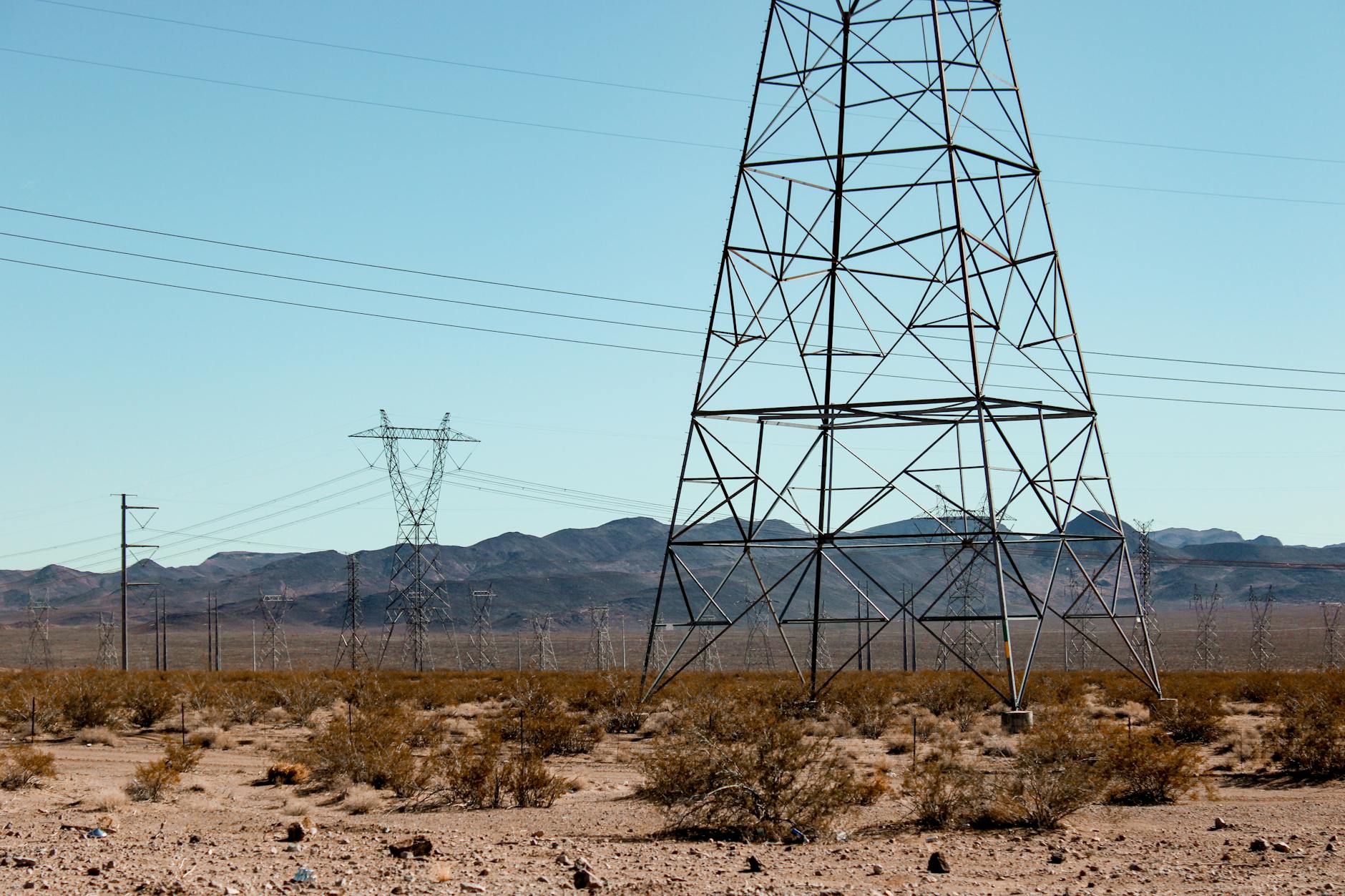
The impact of energy shortages on agriculture in Nevada is a pressing concern that affects not only farmers but also the broader community. As the state grapples with an evolving energy landscape, the farming energy crisis in Nevada has become increasingly apparent, threatening the stability of agriculture energy supply and the future of food production. This article will delve into the nuances of energy shortages and agriculture in Nevada, exploring how these shortages influence local farming practices and the potential repercussions on crops. We will take a closer look at the farming energy crisis in Nevada, assessing the impact on crops energy and examining innovative solutions to mitigate these challenges. Furthermore, we’ll address the question of whether energy shortages can be managed effectively, providing insights into strategies that may pave the way for a more resilient agricultural sector. Join us as we explore the path forward for Nevada’s agriculture amidst these growing energy concerns.
Understanding Energy Shortages and Agriculture in Nevada
Energy shortages in Nevada have become an increasingly pressing issue, one that directly threatens the backbone of our state: agriculture. As a region reliant on both traditional and renewable energy sources, Nevada finds itself grappling with an energy crisis that has far-reaching implications for farming practices and productivity. In this discussion, we will explore the current state of energy supply in Nevada and how these shortages significantly impact agriculture.
The Current State of Energy Supply in Nevada
Nevada boasts a diverse energy portfolio, including solar, wind, and geothermal resources, alongside traditional sources like natural gas. However, despite these renewable efforts, energy shortages persist, especially during peak demand periods. For instance, during the summer months, when irrigation needs soar, the strain on the energy grid intensifies, leading to outages and limitations in energy supply. The Department of Energy has pointed out that such shortages can undermine the stability of agriculture energy supply, leaving farmers vulnerable.
How Energy Shortages Affect Farming Practices
The impact of energy shortages on agriculture in Nevada is multifaceted, affecting everything from irrigation systems to machinery operation. Farmers depend heavily on electricity for irrigation pumps, which are crucial for maintaining crop health in our arid climate. Shortages can lead to irregular watering schedules, jeopardizing the health of crops and potentially diminishing yields. Additionally, machinery that requires energy for operation may become inoperative during outages, leading to delays in planting and harvesting. This farming energy crisis in Nevada can result in severe economic consequences, as the overall productivity of farms declines.
Moreover, the unpredictable nature of energy supply can lead to increased operational costs, compelling farmers to invest in backup generators or alternative energy sources. These additional expenses further strain already tight budgets, prompting many to reconsider their farming practices or even scale back operations. As we continue to witness the impact on crops energy availability, it is evident that energy shortages agriculture Nevada is an issue that requires urgent attention.
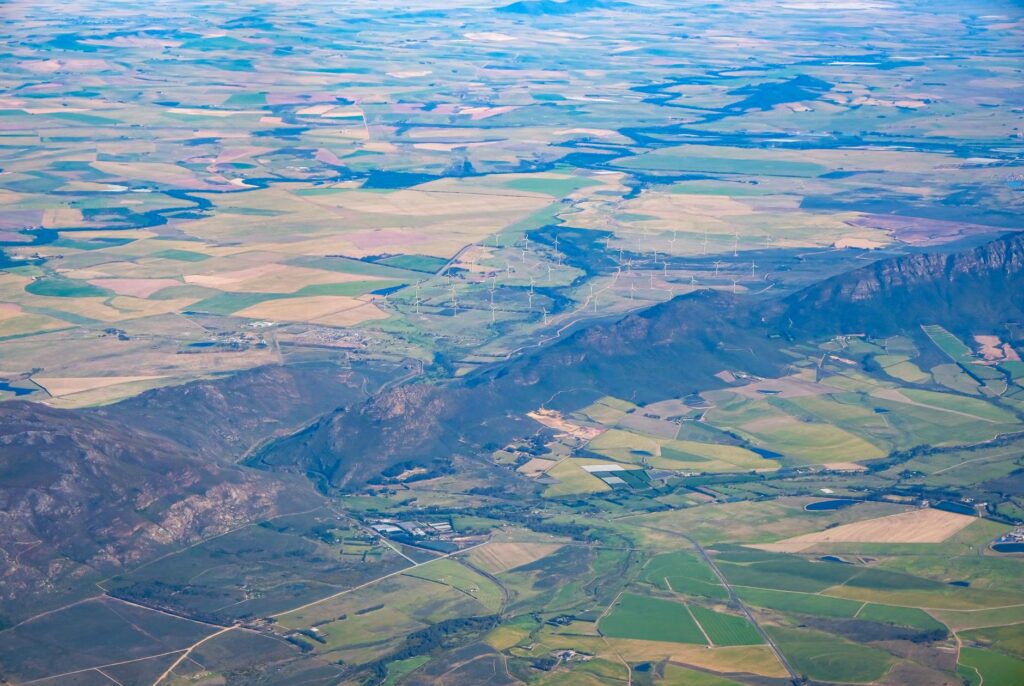
addressing energy shortages in Nevada is not just an energy issue but a matter of agricultural sustainability and economic resilience. The state must prioritize investments in reliable energy infrastructure and explore innovative solutions to ensure that our farmers can thrive rather than merely survive in an increasingly challenging environment. As Nevada’s agriculture continues to grapple with these energy shortages, the future of our farming landscape hangs in the balance, calling for immediate action and strategic planning.
The Farming Energy Crisis in Nevada: A Closer Look
Impact on Crop Production Amid Energy Shortages in Agriculture Nevada
Nevada’s agricultural sector is facing a daunting challenge due to ongoing energy shortages that are significantly affecting crop production. Farmers rely heavily on consistent energy supplies for irrigation, especially given the state’s arid climate. Reports indicate that energy shortages agriculture Nevada is causing reduced yields and compromised crop quality. For instance, a recent study by the USDA National Agricultural Statistics Service found that crop yields could drop by as much as 20% in areas suffering from unreliable energy supply.
Moreover, the Nevada Energy** reports that farmers are increasingly challenged by the need for more efficient irrigation systems, which often require advanced energy inputs. The impact on crops energy is undeniable; crops like alfalfa and tomatoes, which are vital for both local consumption and export, are particularly vulnerable. The lack of reliable energy not only affects the quantity but also the nutritional quality of the produce, leading to long-term implications for both farmers and consumers.
Economic Ramifications for Farmers Facing the Farming Energy Crisis in Nevada
The economic implications of this crisis are profound. Farmers are experiencing increased operational costs as they seek alternative energy sources to sustain their agricultural activities. According to the USDA, operational costs have risen by nearly 15% over the past year, primarily due to escalating energy prices. This increase is compounded by potential losses from reduced crop yields, putting immense financial strain on local farmers.
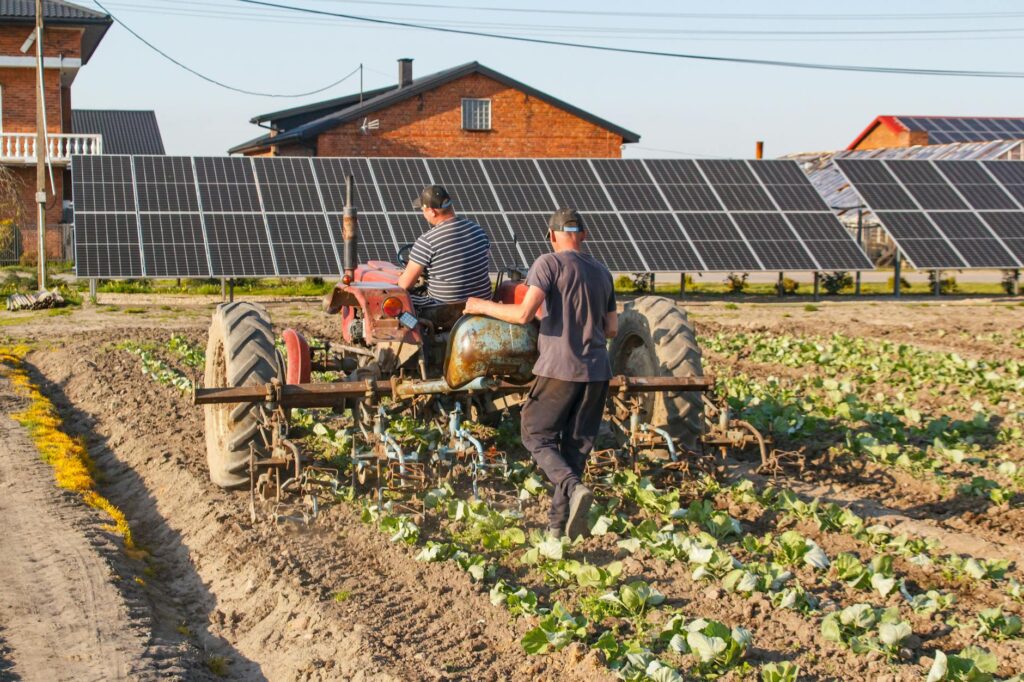
Some farmers have turned to renewable energy sources, like solar panels, to mitigate the impacts of energy shortages. However, the initial investment can be prohibitive. According to a report from the National Renewable Energy Laboratory, transitioning to renewable energy can require significant upfront capital, which is a hurdle many farmers cannot overcome without external assistance. This financial burden could lead to fewer resources for maintaining their farms, ultimately jeopardizing the entire agricultural economy of Nevada.
The ongoing energy shortages agriculture Nevada faces not only threaten crop production but also jeopardize the livelihoods of countless farmers. It is clear that immediate action is required to address these energy challenges and support sustainable agricultural practices moving forward.
Energy Shortages and the Future of Agriculture in Nevada
The looming threat of energy shortages is reshaping the landscape of agriculture in Nevada. As farmers grapple with the challenges posed by the farming energy crisis in Nevada, it is essential to explore innovative solutions that can mitigate the adverse effects on crop production and sustainability. With a proactive approach, the state’s agricultural sector can not only adapt but thrive despite these challenges.
Innovations in Sustainable Farming
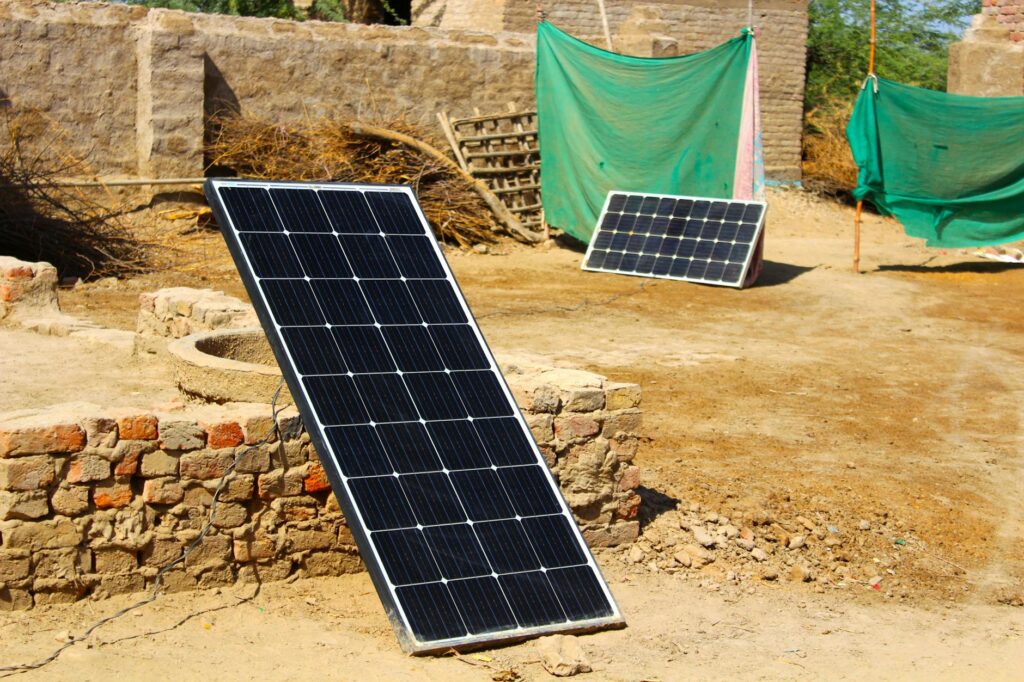
One of the most promising avenues for addressing energy shortages in agriculture is the adoption of sustainable farming practices. Solar-powered irrigation systems are a prime example of how technology can transform agricultural practices while reducing reliance on traditional energy sources. By harnessing the sun’s power, farmers can efficiently irrigate their crops without adding to the grid’s energy demand, ultimately lessening the impact of energy shortages on agriculture in Nevada.
Additionally, advancements in precision agriculture, such as the use of sensors and drones, allow farmers to optimize resource usage and minimize waste. These technologies enable targeted application of water and nutrients, significantly reducing energy consumption and enhancing crop yields. According to a report from the USDA, effective implementation of such innovations could mitigate the impact on crops during energy crises, ensuring that farmers can maintain productivity even in challenging conditions.
Policy Changes and Support for Farmers Facing Energy Shortages in Agriculture Nevada
To further bolster the agricultural sector during times of energy shortages, policy changes and government support are crucial. Programs aimed at providing financial incentives for farmers to invest in renewable energy solutions can make a significant difference. For instance, local initiatives like the NV Energy Renewable Generations Program offer rebates for solar installations, enabling farmers to transition to cleaner energy sources effectively.
Moreover, establishing emergency funds to assist farmers during energy crises can help them navigate these turbulent times without sacrificing their livelihoods. These funds could support the purchase of energy-efficient equipment or provide grants for sustainable farming projects, thus improving the overall agriculture energy supply in Nevada.
Local organizations, such as the Nevada Farm Bureau, are already advocating for policies that support farmers in adapting to energy shortages. By collaborating with government entities and agricultural stakeholders, they can drive meaningful change that empowers farmers to thrive in an energy-constrained environment.
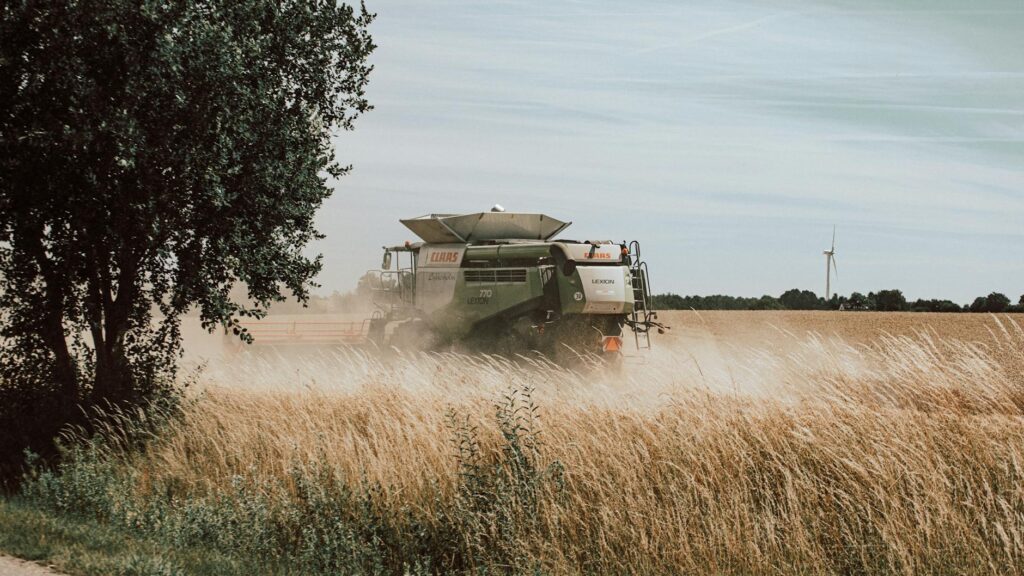
The future of Nevada‘s agriculture hinges on the ability to innovate and adapt in the face of energy shortages. By embracing sustainable practices and implementing supportive policies, we can ensure that farmers not only survive but continue to flourish despite the challenges that lie ahead. The resilience of Nevada’s agricultural sector will ultimately depend on our collective commitment to finding solutions that address the energy shortages impacting agriculture in Nevada.
Addressing Counterpoints: Can Energy Shortages Be Managed?
While the challenges posed by energy shortages in agriculture are significant, particularly in Nevada, it is essential to consider the potential solutions that can mitigate these issues. Critics may argue that energy shortages are an insurmountable problem for farming, but with the right strategies, these challenges can indeed be addressed.
Alternative Energy Solutions for Agriculture in the Face of Energy Shortages Agriculture Nevada
One of the most promising counterarguments is the rise of alternative energy solutions that can support agricultural practices. Solar and wind energy are becoming increasingly viable options for farmers, especially in a state like Nevada, which boasts abundant sunlight and wind resources. Investing in solar panels and wind turbines not only reduces dependence on conventional power grids but also lowers energy costs in the long run. For example, a local farmer who recently installed solar panels reported a 30% decrease in energy costs, directly impacting their bottom line and sustainability efforts. Research indicates that transitioning to renewable energy can significantly lessen the impact on crops energy, ensuring that irrigation systems and other critical operations remain functional even during peak energy shortage periods.
Community Efforts to Combat Energy Issues
Moreover, community efforts play a crucial role in combating the energy crisis facing agriculture in Nevada. Many local farmers have banded together with local governments and organizations to share resources, knowledge, and infrastructure. Initiatives such as cooperative solar farms allow multiple farmers to benefit from shared energy solutions, ultimately enhancing the agriculture energy supply available to all members. These collaborations not only facilitate immediate relief from energy shortages but also foster resilience against future energy crises.
Additionally, educational programs aimed at teaching farmers how to optimize energy use and integrate renewable resources into their operations are gaining traction. Workshops and grants from organizations like the NRCS empower farmers to adopt new technologies that can significantly lessen the impact of energy shortages on agriculture.
While energy shortages agriculture Nevada presents undeniable challenges, the combination of alternative energy solutions and robust community efforts can create a roadmap for sustainable agricultural practices. By embracing these strategies, we not only address current energy shortages but also pave the way for a more resilient agricultural future.
Conclusion: The Path Forward for Nevada’s Agriculture Amid Energy Shortages
Nevada’s agricultural sector stands at a crossroads as energy shortages agriculture Nevada increasingly threaten its viability. The farming energy crisis in Nevada highlights an urgent need for comprehensive strategies to mitigate the impact on crops and ensure the sustainability of our food systems. As discussed, energy shortages not only affect irrigation and crop yields but also ripple through the economy, impacting farmers’ livelihoods and local communities.
Addressing Energy Shortages Agriculture Nevada’s Future
To navigate these challenges, we must foster collective action among stakeholders, farmers, policymakers, and energy providers alike. This means investing in renewable energy sources that can provide a stable and sustainable energy supply for agricultural operations. Solar and wind energy present promising solutions, especially in a state blessed with abundant sunlight and wind resources. By harnessing these, we can create a more resilient agricultural sector that is less vulnerable to energy crises.
Moreover, farmers need support in adopting innovative practices and technologies that enhance energy efficiency. This could include advancements in irrigation systems, which can significantly reduce energy consumption while maximizing water use efficiency. Collaboration with research institutions can accelerate the development of these technologies, ensuring that our farmers are equipped to tackle the challenges posed by energy shortages.
While some may argue that transitioning to renewable energy sources requires significant upfront investment and infrastructure changes, the long-term benefits far outweigh the costs. The potential for increased crop yield stability, reduced energy bills, and environmental benefits makes this a worthwhile endeavor. Additionally, the agriculture energy supply chain must be fortified to withstand fluctuations and ensure that farmers have reliable access to the energy they need.
the path forward for Nevada’s agriculture lies in our ability to address these energy shortages head-on. By embracing innovation, supporting our farmers, and advocating for sustainable energy solutions, we can safeguard the future of Nevada’s agricultural sector. The time for action is now, our farmers and communities deserve nothing less.
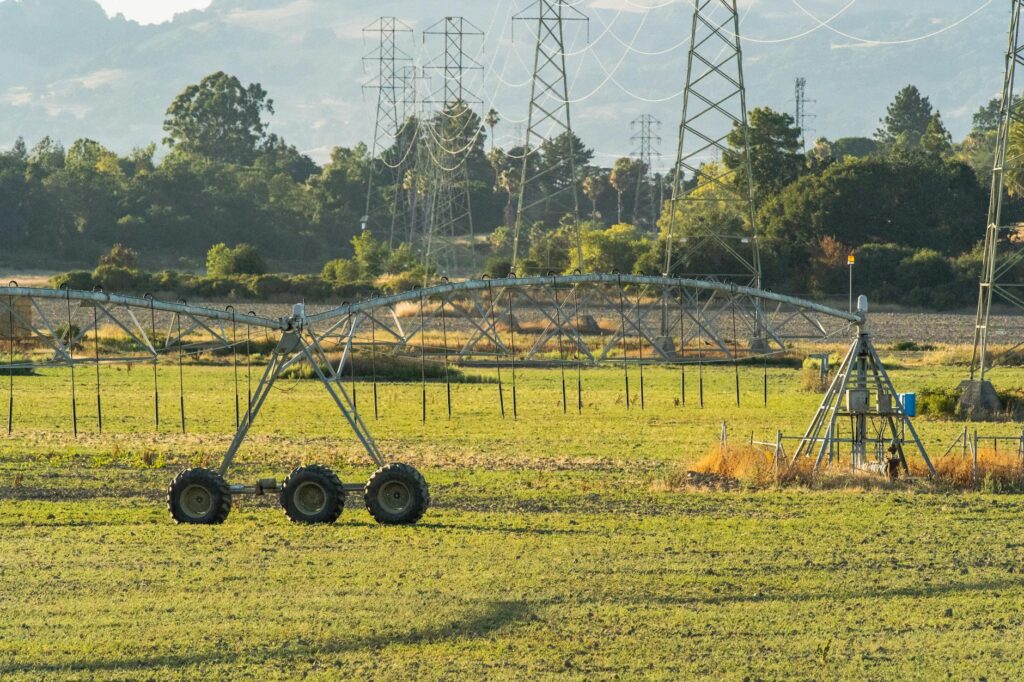
The ongoing energy shortages agriculture Nevada faces are reshaping the landscape of farming in the state. As farmers grapple with the effects of the energy crisis, the impact on crops energy becomes increasingly evident. Limited access to reliable energy sources not only affects irrigation systems but also hampers the overall productivity of farms. This situation poses a serious threat to the sustainability of agriculture in Nevada, where the agriculture energy supply is critical for maintaining a viable farming operation.
As we move forward, it is essential for stakeholders to collaborate and explore innovative solutions to mitigate these challenges. Farmers, policymakers, and energy providers must work together to find sustainable ways to address the farming energy crisis in Nevada. By investing in renewable energy sources and enhancing energy efficiency, we can help ensure that the agricultural sector remains resilient in the face of these shortages. Stay informed and engaged with local agricultural organizations that are advocating for effective energy solutions to support Nevada’s farming community.
“`html
How do energy shortages affect agriculture in Nevada?
Energy shortages significantly impact agriculture in Nevada by limiting access to essential resources such as irrigation systems, machinery, and technology. Farmers rely on a steady energy supply to maintain crop health and productivity. When energy is scarce, it can lead to reduced yields and increased costs, ultimately affecting food supply and farmer livelihoods. This situation exacerbates the challenges posed by the already existing farming energy crisis in Nevada.
What is the farming energy crisis in Nevada?
The farming energy crisis in Nevada refers to the ongoing struggle of farmers to secure reliable energy sources needed for agricultural operations. This crisis is characterized by rising energy prices, intermittent supply, and the growing demand for sustainable energy solutions. As energy shortages persist, farmers face difficulties in efficiently managing their operations, leading to potential declines in crop production and profitability.
How do energy shortages impact crop production?
Energy shortages have a direct impact on crop production by hindering irrigation, fertilization, and pest control processes. Insufficient energy can result in inadequate water supply for crops, leading to stress and lower yields. Additionally, energy shortages affect the ability to run machinery for planting and harvesting, further compounding the challenges faced by farmers. This ultimately translates to a negative impact on crops energy management and overall agricultural output.
What are the economic effects of energy shortages on farmers?
The economic effects of energy shortages on farmers in Nevada can be profound. Increased energy costs can lead to higher operational expenses, which can squeeze profit margins. Farmers may need to invest in alternative energy sources or technology to mitigate the impact, which requires additional capital. Additionally, reduced crop yields due to energy limitations can lead to decreased revenue, pushing some farmers into financial hardship.
What solutions exist for energy shortages in agriculture?
Solutions for addressing energy shortages in agriculture include investing in renewable energy sources such as solar or wind power, which can provide sustainable alternatives. Additionally, adopting energy-efficient technologies can help farmers reduce their energy consumption. Collaborating with local governments and energy providers to enhance infrastructure and support programs can also contribute to a more stable energy supply for agricultural needs.
How can Nevada farmers adapt to energy supply challenges?
Nevada farmers can adapt to energy supply challenges by diversifying their energy sources, implementing energy conservation practices, and investing in energy-efficient equipment. Exploring partnerships with renewable energy providers can also offer more reliable power solutions. Education and training on energy management and efficiency can empower farmers to make informed decisions regarding their energy use, thus enhancing resilience against future shortages.
“`