Community energy initiatives in Nevada are gaining momentum as residents and local governments seek sustainable solutions to their energy needs. These initiatives not only empower communities to take control of their energy sources but also foster economic growth and environmental stewardship. This article delves into the various aspects of community energy initiatives in Nevada, highlighting the role of community solar projects and examining how Nevada energy cooperation can enhance these efforts. We will explore local energy programs designed to facilitate access to renewable energy sources, while also addressing the challenges that come with implementing these initiatives. By understanding the collaborative approaches being taken and the obstacles faced, we can appreciate the collective effort required to pave the way for a more sustainable future. Whether you’re a resident interested in how these initiatives can benefit you or a stakeholder looking to contribute to a greener Nevada, this article will offer valuable insights into the evolving landscape of community energy in the Silver State.
Understanding Community Energy Initiatives in Nevada
What Are Community Energy Initiatives in Nevada?
Community energy initiatives in Nevada represent a collective effort by local residents to harness renewable energy resources, thereby addressing energy shortages and contributing to environmental sustainability. These initiatives encompass a variety of programs, including community solar projects, where neighbors can band together to invest in solar energy installations that benefit their entire community. By pooling resources and sharing the costs, these projects become financially viable for individuals who may not have the means to install solar panels on their own properties.
The significance of community energy initiatives in Nevada extends beyond mere energy production. They foster a sense of cooperation among residents, creating a shared purpose that strengthens community ties. This collaboration is essential, especially as Nevada faces the dual challenges of increasing energy demands and the need for sustainable solutions. By engaging in local energy programs, communities can take control of their energy future and reduce their reliance on fossil fuels.
Importance of Local Energy Programs
Local energy programs serve as a catalyst for community engagement and empowerment. They provide the framework for residents to actively participate in the energy transition, enhancing energy resilience and stability within the community. Moreover, these programs often facilitate Nevada energy cooperation, encouraging partnerships between local governments, utilities, and community organizations. Such collaboration is vital for overcoming the regulatory and logistical hurdles that often accompany energy projects.
Furthermore, local energy programs are instrumental in educating residents about energy efficiency and renewable technologies. Through workshops and community meetings, participants gain valuable insights into how they can reduce their energy consumption and contribute to a more sustainable environment. The more informed residents are about their energy choices, the more likely they are to support initiatives that promote renewable energy solutions.
As we move forward, the potential for community energy initiatives in Nevada is immense. They present an opportunity not only to address immediate energy needs but also to build a sustainable future that prioritizes cooperation and community well-being. The transition to renewable energy is not just about technology; it’s about people coming together to create a cleaner, more equitable world.

The Role of Community Solar Projects in Nevada
Benefits of Community Solar Projects in Community Energy Initiatives Nevada
Community solar projects represent a pivotal piece in the puzzle of community energy initiatives in Nevada. These projects allow individuals and businesses to invest in shared solar energy systems, granting access to renewable energy without the need for rooftop installations. This approach not only democratizes energy access but also promotes environmental sustainability and economic resilience.
One major benefit of community solar is its ability to reduce energy costs. By participating in these projects, community members can often enjoy lower electricity bills compared to traditional energy sources. Additionally, they help to stabilize energy prices, which is crucial in a state like Nevada, where energy costs can fluctuate due to various factors, including demand and resource availability. Furthermore, community solar projects foster local energy programs that prioritize renewable resources and energy independence.
Another significant advantage is the environmental impact. Community solar reduces reliance on fossil fuels, thereby decreasing greenhouse gas emissions and contributing to Nevada’s climate goals. Moreover, these projects encourage community engagement and local investment, fostering a sense of ownership and responsibility toward sustainable energy practices.
Successful Examples in Nevada
Several successful community solar projects in Nevada illustrate the potential of these initiatives. For instance, the NV Energy launched the SolarGenerations program, which allows customers to invest in solar farms and receive credit on their energy bills. This program has been instrumental in demonstrating how Nevada energy cooperation can work across various stakeholders, including utility companies, local governments, and residents.
Another noteworthy example is the community solar project in Las Vegas, which not only provides renewable energy but also engages local communities in the installation process. Residents actively participate in the project, fostering a strong community bond and increasing awareness of the benefits of renewable energy.
As we move forward in embracing community energy initiatives in Nevada, it is crucial to recognize the transformative role that community solar projects play. They not only provide sustainable energy solutions but also empower communities, reduce costs, and protect our environment. The future of energy in Nevada is bright, and community solar is a significant part of that vision.
Nevada Energy Cooperation: A Collaborative Approach
Building Partnerships for Energy Resilience
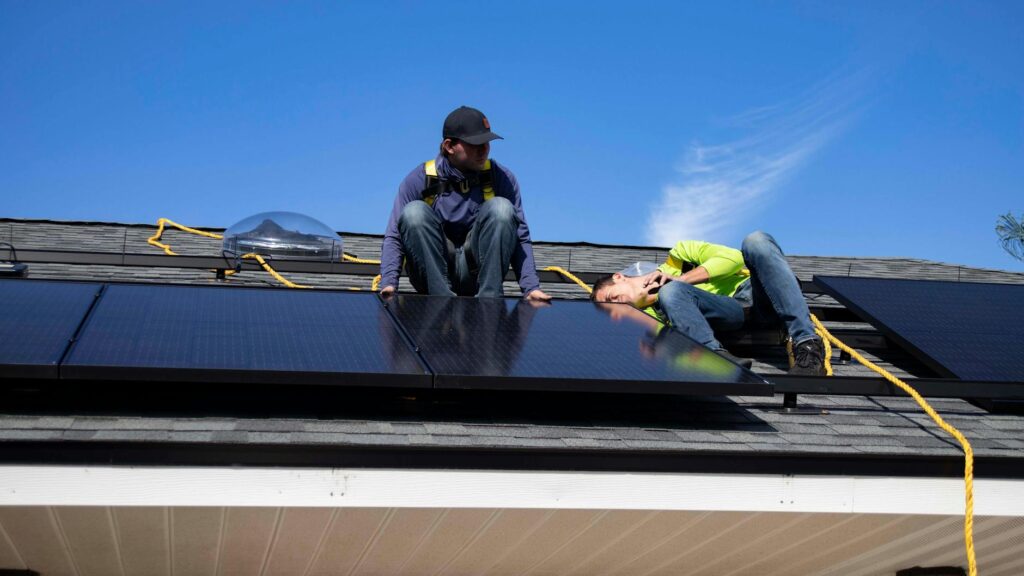
In the quest for sustainable energy solutions, Nevada has the opportunity to lead through collaboration. Community energy initiatives in Nevada can flourish when local governments, businesses, and residents unite in a collective effort. By engaging in Nevada energy cooperation, these stakeholders can develop resilient energy systems that not only reduce costs but also enhance sustainability. For example, community solar projects are emerging as an effective way to harness renewable energy while providing access to affordable electricity for all residents. According to the U.S. Department of Energy, these projects can significantly lower energy costs for participants, making renewable energy more accessible.
Moreover, partnerships between local governments and businesses can facilitate the implementation of local energy programs that encourage energy efficiency and sustainability. These programs can empower residents to participate actively in energy-saving initiatives, thereby fostering a culture of cooperation and responsibility towards energy consumption. The collaborative spirit can also lead to innovation, as diverse perspectives come together to tackle shared challenges. However, for these community energy initiatives in Nevada to succeed, a robust framework of support and resources is essential.
Challenges and Solutions in Energy Cooperation
While the benefits of collaboration are clear, challenges abound. One significant hurdle is the differing priorities among stakeholders. Local governments may focus on regulatory compliance, while businesses may prioritize profit. Additionally, resource allocation can create friction between entities competing for funding and support. To overcome these challenges, a transparent dialogue is crucial. Establishing regular forums for discussion can help align interests and foster mutual understanding.
Another challenge is the varying levels of expertise and commitment among stakeholders. Some communities may lack the technical know-how to implement energy initiatives effectively. Addressing this gap requires targeted training and development programs, which can be facilitated by partnerships with educational institutions and non-profits. By investing in capacity-building efforts, Nevada can ensure that all communities are equipped to contribute to and benefit from energy cooperation.
Ultimately, the road to successful community energy initiatives in Nevada lies in fostering a collaborative atmosphere where all voices are heard and valued. The potential for innovation and collective impact is immense, and when the state embraces Nevada energy cooperation, it can pave the way toward a more sustainable and resilient energy future for all.

Counterarguments: The Challenges of Community Energy Initiatives
Skepticism Towards Community Energy Initiatives Nevada
While the promise of community energy initiatives in Nevada is enticing, skepticism looms large among certain residents. Many question the effectiveness of these programs, often viewing them as untested or overly ambitious. Some argue that the state’s energy market is already complicated enough without introducing local energy programs that could add another layer of bureaucracy. For those who are accustomed to traditional energy sources, the transition to community-driven solutions may seem risky or unnecessary.
Moreover, there is a palpable worry that community solar projects will not deliver on their promises of lower energy costs or increased energy independence. Past failures and mismanagement in similar initiatives across the country have left a trail of distrust, making it essential for advocates of community energy initiatives to address these concerns head-on. Engaging skeptics through transparent communication and showcasing successful models can help foster a sense of trust and participation.
Economic and Logistical Hurdles of Community Energy Initiatives Nevada
Beyond skepticism, economic and logistical challenges also pose significant barriers to the implementation of community energy initiatives in Nevada. The initial investment required for solar installations, battery storage systems, and the necessary infrastructure can be prohibitive for many communities. While grants and incentives are available, they often fall short of covering total costs, leaving residents to shoulder a substantial financial burden. Additionally, navigating the intricate regulatory landscape can deter potential participants from even considering local energy programs.
Logistically, the deployment of community energy initiatives requires thorough planning and coordination. Rural areas, in particular, may face obstacles such as limited access to technology and expertise, making the rollout of community solar projects more complex. The lack of Nevada energy cooperation among local governments can also hinder progress, leading to fragmented efforts that fail to capitalize on collective potential.
Despite these hurdles, the conversation surrounding community energy initiatives in Nevada is essential. Addressing skepticism and tackling economic and logistical challenges can pave the way for innovative solutions that empower communities to take charge of their energy future. 
Conclusion: A Collective Effort for a Sustainable Future
The future of energy in Nevada hinges on the success of community energy initiatives Nevada. As we face the dual challenges of climate change and energy demand, these initiatives represent a critical pathway toward a sustainable and resilient energy system. The need for continued investment in local energy programs cannot be overstated. These programs not only foster renewable energy adoption but also enhance community engagement and economic stability.
The Need for Continued Investment in Community Energy Initiatives Nevada
Investment in community solar projects plays a pivotal role in this transition. By democratizing access to renewable energy, these projects enable residents to participate in the energy economy, reducing reliance on fossil fuels and lowering energy costs. Moreover, when communities band together for energy cooperation, they amplify their voice in policy discussions, ensuring that their needs are met in the state’s energy strategy. This communal approach leads to innovations and solutions that a singular entity might overlook.
However, some may argue that the initial costs of these initiatives can be prohibitive, potentially deterring participation. While it’s true that the upfront investment can be significant, the long-term savings and environmental benefits outweigh these initial hurdles. Additionally, financial incentives and partnerships can alleviate these costs, making participation more accessible for everyone.
The Future of Energy in Nevada: Embracing Community Energy Initiatives
As we look toward the future, it’s clear that community energy initiatives in Nevada must be at the forefront of our energy strategy. These initiatives not only contribute to sustainability goals but also build stronger, more connected communities. By supporting local energy programs and participating in community solar projects, Nevadans can take an active role in shaping their energy landscape.
Engagement with these initiatives is essential. We all have a role to play in fostering a sustainable future, and our collective efforts can drive significant change. As we champion community energy initiatives Nevada, let us embrace the opportunity to build a greener, more equitable future for all. The path forward is clear: together, we can create a vibrant energy future that benefits everyone.
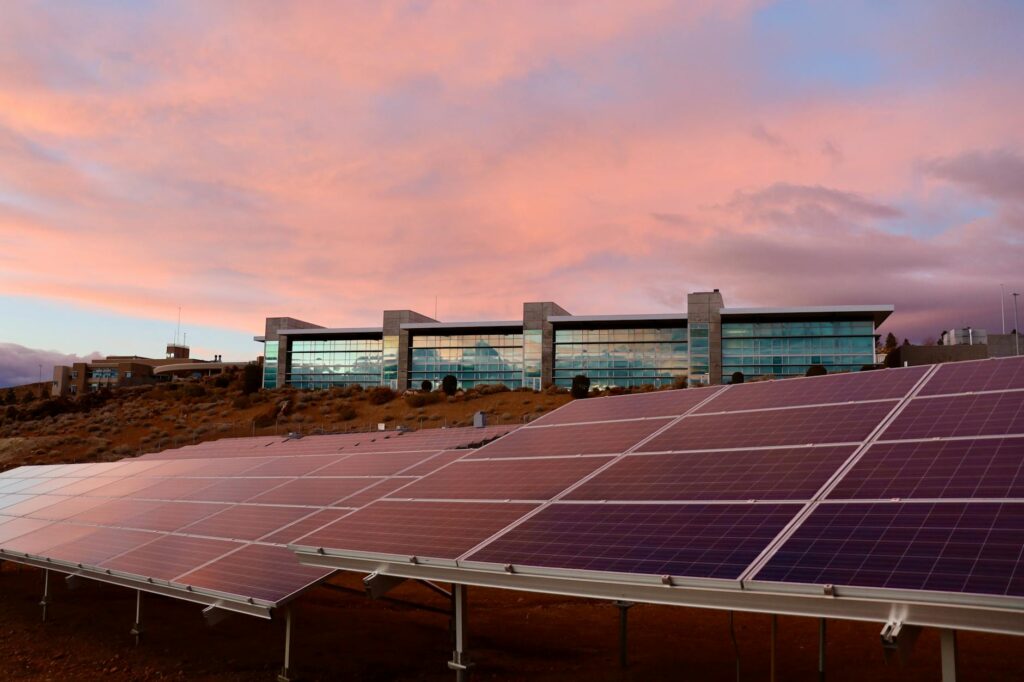
Community energy initiatives in Nevada are paving the way for a sustainable future, empowering residents to take part in shaping their energy landscape. These local energy programs not only enhance energy independence but also foster a sense of community through collaboration. By investing in community solar projects, Nevadans can harness the power of the sun, reducing their carbon footprint while supporting local economies. The spirit of Nevada energy cooperation is evident as communities come together to find innovative solutions for a greener tomorrow.
For those interested in getting involved, participating in local energy programs or exploring community solar projects can be a great start. Engaging with these initiatives not only benefits the environment but also strengthens community ties. If you’re ready to make a change, consider reaching out to local organizations or attending community meetings to learn more about how you can contribute to the exciting wave of community energy initiatives in Nevada.
“`html
What are community energy initiatives in Nevada?
Community energy initiatives in Nevada refer to programs and projects that empower local communities to manage and produce their own energy. These initiatives often focus on renewable energy sources, energy efficiency, and reducing reliance on traditional utility companies. They aim to foster sustainable development, enhance energy independence, and promote environmental stewardship among residents.
How do local energy programs benefit Nevada residents?
Local energy programs provide multiple benefits to Nevada residents, including lower energy costs, increased access to renewable energy sources, and improved energy efficiency. These programs often focus on community engagement, allowing residents to participate in decision-making processes related to energy use. By fostering local energy production, they also contribute to job creation and economic growth within the community.
What is a community solar project?
A community solar project is a shared solar energy system that allows multiple participants to benefit from a single solar installation. In Nevada, these projects enable residents who may not have suitable rooftops or financial resources to invest in solar energy. Participants can purchase or lease a portion of the solar system and receive credits on their electricity bills based on the energy produced, making renewable energy accessible to more people.
How can I participate in community solar projects in Nevada?
To participate in community solar projects in Nevada, start by researching local initiatives and providers that offer such programs. Many community solar projects allow individuals to sign up online or through local energy cooperatives. Look for projects that match your energy needs and financial situation. Additionally, contacting local renewable energy advocacy groups can help you find opportunities to get involved.
What are the challenges of Nevada energy cooperation?
Nevada energy cooperation faces several challenges, including regulatory hurdles, funding limitations, and varying stakeholder interests. Different local governments may have competing priorities, which can complicate collaborative efforts. Additionally, the transition to renewable energy sources requires significant investment and public support, which can be difficult to achieve in a diverse state like Nevada. Ongoing dialogue and partnership building are essential to overcoming these challenges.
How can community initiatives help with energy shortages?
Community initiatives can play a vital role in addressing energy shortages by promoting local energy production and encouraging energy conservation. By investing in renewable energy sources, such as solar and wind, communities can reduce their reliance on external energy supplies. Additionally, education and outreach programs can help residents adopt energy-efficient practices, ultimately lowering overall demand and enhancing energy resilience in the face of shortages.
“`