
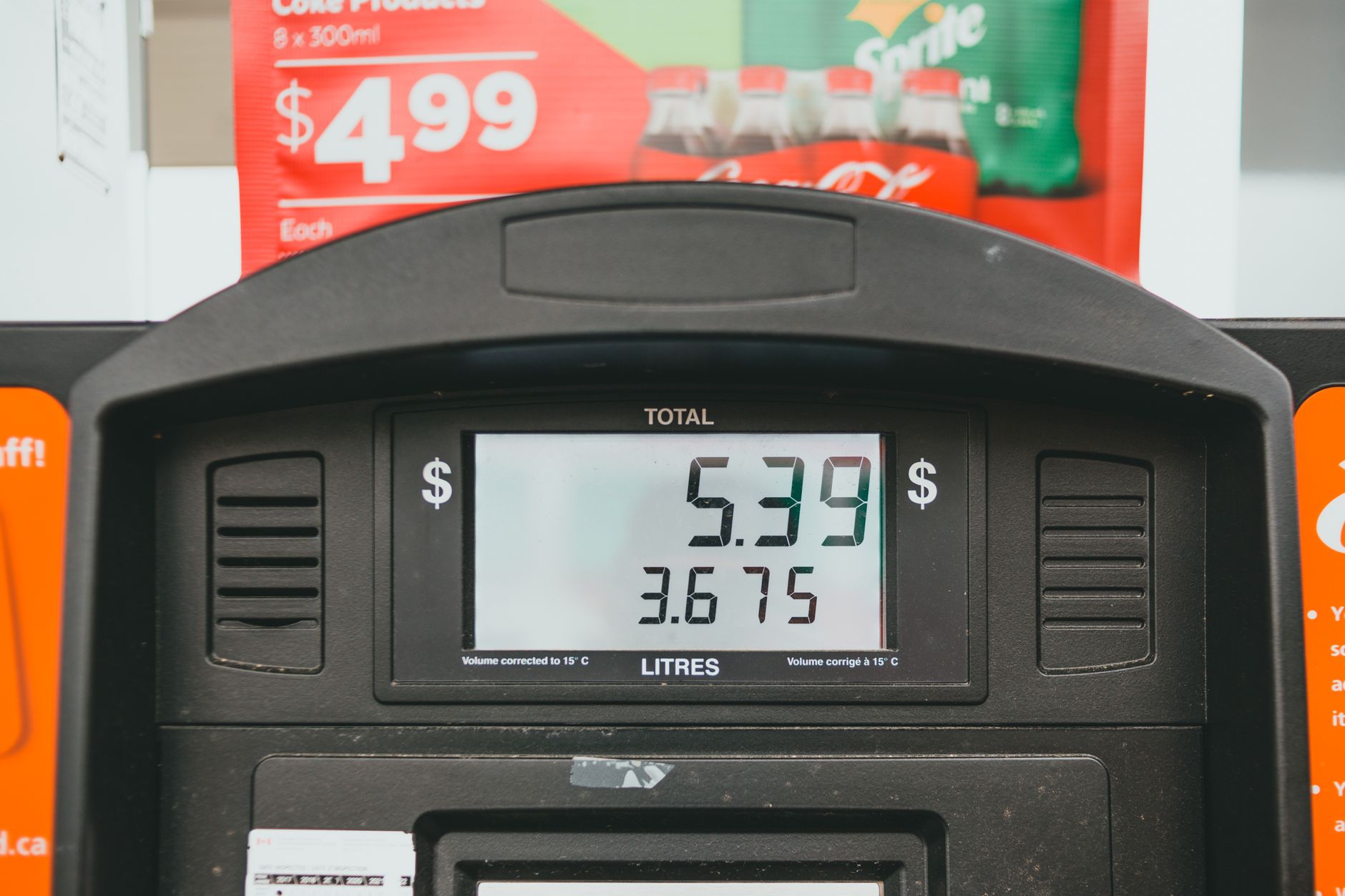
Understanding the intricate relationship between inflation and fuel prices is essential for consumers and policymakers alike. As we navigate the complexities of energy economics, the impact of rising gasoline prices can be felt directly in our daily lives, influencing overall consumer costs. This article delves into how fuel prices play a critical role in driving inflation, explores the economic policy measures that can mitigate these effects, and examines the current landscape of pricing that makes this discussion more relevant than ever. With global events affecting fuel supply chains and prices, understanding this connection is crucial for anticipating future trends. Looking ahead, we will also consider how ongoing developments in energy markets may shape the future of inflation and fuel prices, providing insights that matter to everyone from everyday drivers to industry stakeholders. For a deeper dive into these topics, check out resources from the U.S. Energy Information Administration and the Bureau of Labor Statistics.
Understanding Inflation and Fuel Prices
The Connection Between Inflation and Fuel Prices
Inflation is the rate at which the general level of prices for goods and services rises, eroding purchasing power. It is typically measured by the Consumer Price Index (CPI) or the Producer Price Index (PPI). These indices track changes in the prices of a basket of goods and services over time, providing a clear picture of how inflation affects consumer costs. As inflation rises, people find that their money does not stretch as far, impacting everyday expenses.
Fuel prices play a crucial role in the economy, serving as a significant component of overall inflation rates. Fuel costs influence various sectors, from transportation to manufacturing, affecting the price of goods and services across the board. For instance, when gasoline prices spike, it not only increases commuting costs for consumers but also raises the operational costs for businesses that rely on transportation, thereby pushing up prices for everyday items. This ripple effect of rising fuel prices on consumer costs is why understanding the relationship between inflation and fuel prices is particularly relevant today, especially as global energy markets fluctuate.
The Role of Fuel Prices in the Economy
Fuel prices are often volatile, influenced by factors like geopolitical tensions, supply chain disruptions, and changes in energy economics. For example, recent global events have led to significant fluctuations in oil prices, which in turn affect gasoline prices. When oil prices increase, we typically see a corresponding rise in fuel prices, which can contribute to overall inflationary pressures in the economy. This relationship is critical for economic policy as policymakers must consider how rising fuel costs can exacerbate inflation, thereby complicating efforts to stabilize the economy.
As we navigate these economic challenges, keeping an eye on the trends in inflation and fuel prices is essential. Policymakers and consumers alike must stay informed about how these factors interact, given their profound implications for economic stability and growth. With the potential for further fluctuations in the energy market, understanding this connection will be crucial for making informed decisions moving forward.
How Fuel Prices Influence Inflation
Rising Gasoline Prices and Consumer Costs
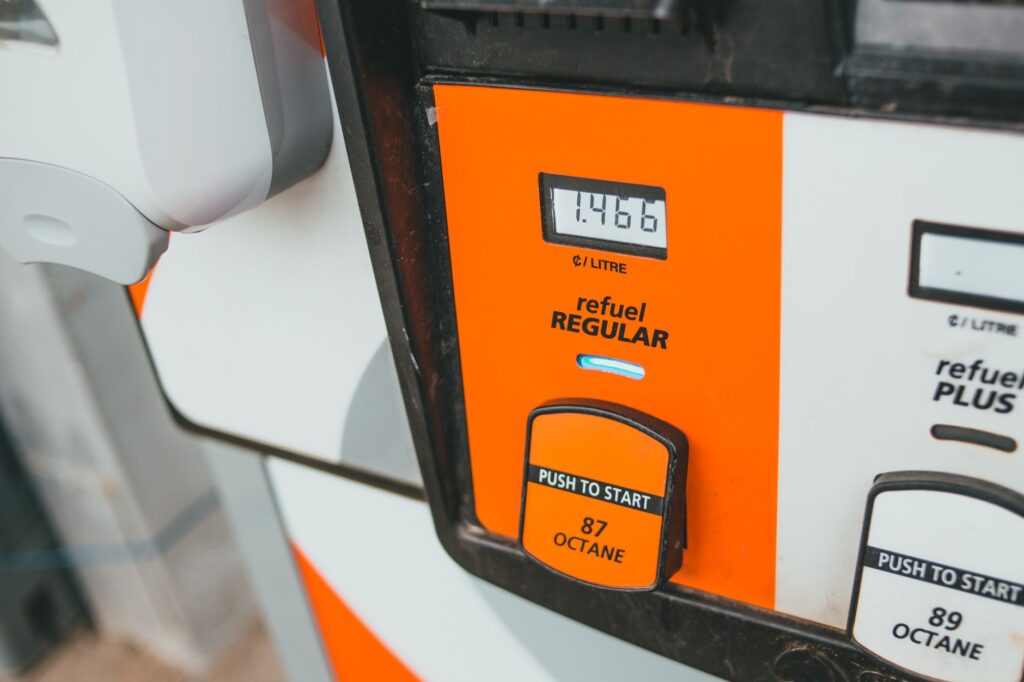
As fuel prices surge, the ripple effects are felt across the economy, particularly in consumer costs. When gasoline prices rise, transportation expenses increase, impacting everything from delivery fees to the prices of goods on store shelves. This connection between inflation and fuel prices is crucial, especially in a time when many households are already grappling with higher living costs. For instance, according to the U.S. Energy Information Administration, a significant spike in crude oil prices often leads to a corresponding increase in gasoline prices, which then drives up the costs of consumer goods. A recent example is the spike in gasoline prices following geopolitical tensions in Eastern Europe, which pushed inflation rates to new highs in many countries.
This increase in consumer costs is not just about the gas pump; it extends to virtually every sector. Goods that rely on transportation become more expensive, which can lead to a broader inflationary trend. For instance, the Bureau of Labor Statistics reported a direct correlation between rising fuel costs and the Consumer Price Index (CPI), a key inflation measure. Households then face the dilemma of adjusting their budgets to accommodate these higher prices, often resulting in reduced discretionary spending.
The Impact of Energy Economics on Inflation Rates
Energy economics plays a vital role in shaping inflation rates. Fluctuations in fuel prices can disrupt the established economic order, leading policymakers to reevaluate their economic policy strategies. When fuel prices soar, it prompts central banks to consider tightening monetary policy to combat rising inflation. Conversely, if fuel prices stabilize or decrease, it could provide some relief to consumers and ease inflationary pressures.
Additionally, supply chain dynamics are increasingly influenced by fuel costs. A recent study from the World Trade Organization highlights how transportation costs directly affect international trade, which in turn impacts domestic prices. With ongoing global supply chain disruptions, any increase in fuel prices can exacerbate inflation, leading to a cycle of rising costs that challenges both consumers and businesses.
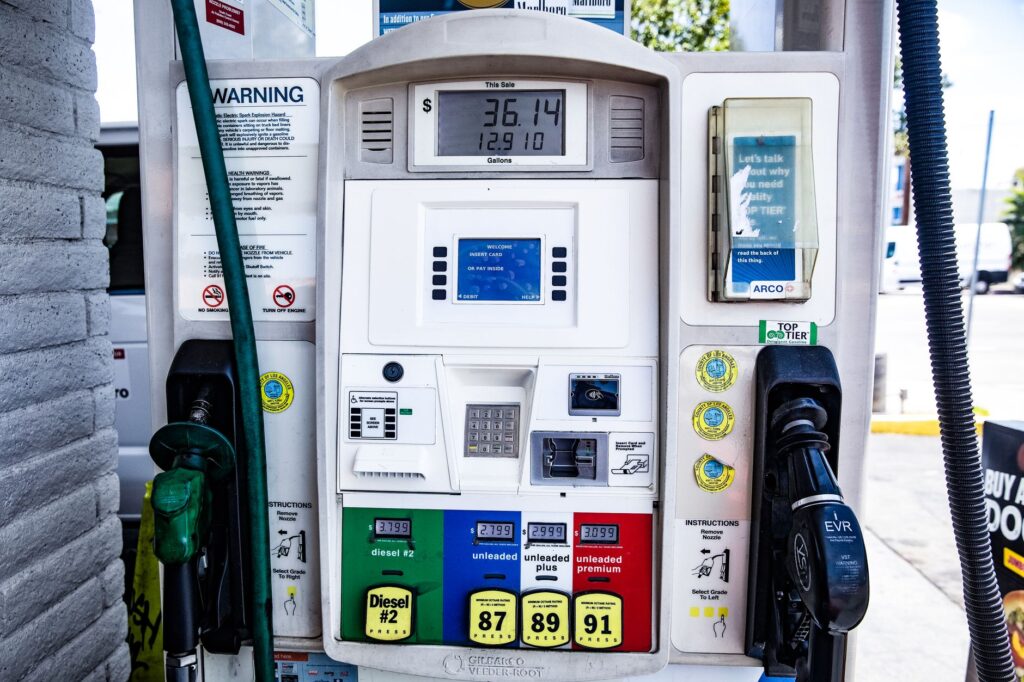
Understanding the interplay between fuel prices and inflation is vital for both consumers and policymakers. As we navigate these turbulent economic waters, awareness of how energy economics influences inflation rates will be key in making informed decisions.
Economic Policy and Its Effects on Fuel Prices
As inflation continues to be a pressing issue worldwide, understanding the role of economic policy in shaping fuel prices is more relevant than ever. Fuel prices, particularly gasoline prices, are often seen as a key indicator of economic health, directly influencing consumer costs and broader inflation rates. Economic policies, whether through taxes, subsidies, or regulatory measures, can significantly impact how prices fluctuate at the pump.
Government Interventions and Regulation Impacting Inflation and Fuel Prices
Governments frequently intervene in fuel markets to stabilize prices and mitigate the effects of inflation. For instance, many countries impose fuel taxes, which can increase gasoline prices directly. Conversely, subsidies can lower prices, providing temporary relief to consumers but potentially leading to budgetary strains in the long run. A 2022 report from the International Energy Agency highlighted that significant subsidy programs have, in some cases, exacerbated fiscal deficits without effectively curbing demand.
Moreover, regulations surrounding environmental standards can also influence fuel costs. Stricter emissions regulations can necessitate investment in cleaner technologies, which may lead to increased operational costs for fuel producers. These costs are often passed on to consumers, further intertwining economic policy with fuel prices.
Global Oil Markets and Price Dynamics Affecting Inflation and Fuel Prices
Global oil markets play a crucial role in determining local fuel prices, acting as a barometer for inflation and fuel prices. Events such as geopolitical tensions, natural disasters, or supply chain disruptions can drastically alter the global supply of crude oil, leading to price volatility. For example, the Russian invasion of Ukraine in early 2022 caused significant disruptions in oil supply, contributing to soaring prices worldwide and exacerbating inflationary pressures in many economies. According to U.S. Energy Information Administration, fluctuations in global oil prices directly correlate with domestic fuel costs, impacting everything from transportation to heating.
As energy economics evolve, the interplay between local policies, global markets, and consumer behavior remains dynamic. Policymakers must navigate these complexities to mitigate the impact of rising fuel prices on inflation and consumer costs, ensuring that economic policy remains responsive to changing energy landscapes. Looking ahead, it will be essential to monitor not only the direct effects of policy measures on fuel prices but also how these factors contribute to broader inflationary trends across various sectors of the economy. Understanding Energy Security and Its Importance
The Current Landscape: Why It Matters Now
Recent Trends in Inflation and Fuel Prices
The interplay between inflation and fuel prices has become a pressing issue in today’s economic climate. As of October 2023, the U.S. inflation rate hovers around 3.7%, a noticeable decrease from earlier this year, but still high enough to concern many consumers and policymakers. At the same time, fuel prices have seen significant fluctuations, with gasoline prices averaging $3.80 per gallon, a sharp increase from just $3.20 last year. This combination has stirred worries about consumer costs, especially as many households allocate a larger portion of their budgets to fuel and energy expenses.
The recent surge in crude oil prices, driven by geopolitical tensions and supply chain disruptions, has directly impacted fuel prices and, in turn, inflation. As energy economics suggests, higher costs for fuel often translate to increased prices for goods and services, perpetuating the cycle of inflation. This dynamic creates a challenging environment for economic policy, with central banks needing to balance interest rates to manage inflation without stifling growth.
Consumer Reactions and Economic Outlook on Inflation and Fuel Prices
Consumer sentiment reflects these economic realities, with many expressing anxiety about rising costs. A recent survey indicated that approximately 62% of Americans reported feeling the pinch from higher fuel prices, which they see as a significant contributor to broader inflation pressures. This perception can affect spending behavior, leading to reduced discretionary spending and potential slower economic growth.
Looking ahead, economists predict continued volatility in fuel prices, which will likely influence inflation trends in the coming months. The Federal Reserve’s approach to managing inflation will be crucial; a careful consideration of energy prices and their ripple effects on the economy will guide their economic policy decisions. As the situation unfolds, consumers and policymakers alike will need to navigate the challenges posed by the tight relationship between inflation and fuel prices. Understanding the Fuel Supply Chain in Nevada
Looking Ahead: The Future of Inflation and Fuel Prices
Predictions for the Coming Years: Inflation and Fuel Prices
As we navigate through 2023, the relationship between inflation and fuel prices remains a critical area of focus for both consumers and policymakers. Analysts predict that inflation will continue to be influenced by fluctuating fuel prices in the coming years. According to the U.S. Energy Information Administration, gasoline prices could see volatility due to geopolitical tensions, supply chain disruptions, and changing demand patterns. As a result, consumers may face ongoing challenges with rising consumer costs, which can further exacerbate inflation.
The International Monetary Fund has warned that sustained high fuel prices can lead to broader economic implications, potentially affecting economic growth. Should inflationary pressures persist, central banks may be compelled to tighten monetary policy, impacting interest rates and overall economic stability. This interplay between inflation and fuel prices is something to watch closely, as it could determine the trajectory of economic recovery in the post-pandemic world.
Adapting to Changes in Energy Economics
In the face of these challenges, both consumers and policymakers must adapt to the evolving landscape of energy economics. A significant shift towards renewable energy sources is underway, which could stabilize fuel prices in the long run. However, the transition may also lead to temporary spikes in gasoline prices as infrastructure adjusts and investments are made in cleaner technologies.
Policymakers will need to carefully balance economic policy with environmental goals to ensure that the shift does not disproportionately burden consumers. Programs aimed at easing the financial strain from high fuel costs, such as subsidies for electric vehicles or public transport, can help mitigate the impact of inflation on everyday life. The future will likely demand innovative solutions that address both energy needs and economic stability, making it imperative for stakeholders to stay informed and proactive.

As we look ahead, understanding the intricate relationship between inflation and fuel prices will be essential for navigating the economic landscape. Continuous monitoring and strategic planning will be necessary to manage the challenges that lie ahead, ensuring that the impact on consumers is minimized while paving the way for a sustainable energy future.
Fuel Prices and Geopolitics: Nevada’s Economic Impact
Understanding the intricate relationship between inflation and fuel prices is crucial for consumers and policymakers alike. Rising gasoline prices can significantly impact consumer costs, making everyday expenses more burdensome. This connection underscores the importance of effective economic policy that addresses not just immediate price increases but also the broader implications for energy economics and daily life.
As we navigate a landscape of fluctuating fuel prices and inflation, staying informed can empower us to make better decisions. Keeping an eye on market trends and understanding their potential impact on your budget can help mitigate the effects of rising costs. By engaging with reliable resources and sharing insights with others, you can play a part in fostering a more informed community. Whether through local discussions or online forums, staying educated about inflation and fuel prices is the first step toward proactive management of your financial well-being.
“`html
What is the relationship between inflation and fuel prices?
The relationship between inflation and fuel prices is significant. As fuel prices rise, they contribute to overall inflation by increasing transportation and production costs. These higher costs are often passed on to consumers, leading to increased prices for goods and services. Conversely, when inflation is high, fuel prices can also rise due to increased demand and economic uncertainty. Understanding this connection is crucial for grasping broader economic trends.
How do gasoline prices affect consumer costs?
Gasoline prices directly impact consumer costs, particularly for products reliant on transportation. When gasoline prices increase, businesses face higher shipping costs, which can lead to increased prices for goods. This results in a ripple effect across various sectors, affecting everything from groceries to electronics. Consumers may also experience higher costs in their daily commuting and travel expenses, further straining their budgets during periods of rising fuel prices.
What role does economic policy play in fuel price changes?
Economic policy plays a crucial role in fuel price changes. Governments may implement policies such as taxes, subsidies, or regulations that directly affect fuel prices. For instance, increased taxes on fuels can lead to higher pump prices, while subsidies might keep prices lower. Additionally, monetary policy can influence inflation rates, which in turn affects fuel prices. Understanding these dynamics helps to clarify the complex relationship between government actions and market responses.
Why are fuel prices rising during inflation?
Fuel prices often rise during periods of inflation due to increased demand and higher production costs. As the overall price level increases, it can signal economic growth, leading to greater consumption of fuel. Additionally, supply chain disruptions or geopolitical tensions can exacerbate these price increases. The interplay between inflation and fuel prices is complex, reflecting both local market conditions and global economic factors.
How do energy economics influence inflation rates?
Energy economics significantly influence inflation rates, particularly through the prices of oil and gas. Fluctuations in energy prices can lead to changes in production costs across various industries. When energy prices rise, it often results in higher costs for goods and services, contributing to overall inflation. Conversely, if energy prices decline, it can help ease inflationary pressures. Understanding energy economics is essential for analyzing inflation trends and their broader economic implications.
What can we expect from fuel prices in the future?
Future fuel prices are difficult to predict and will likely be influenced by a combination of factors, including global demand, geopolitical tensions, and changes in energy policy. As economies recover from global disruptions, demand for fuel may rise, potentially pushing prices higher. Additionally, fluctuations in crude oil prices and advancements in renewable energy can also impact fuel costs. Staying informed about these trends can help consumers and businesses prepare for possible changes.
“`