
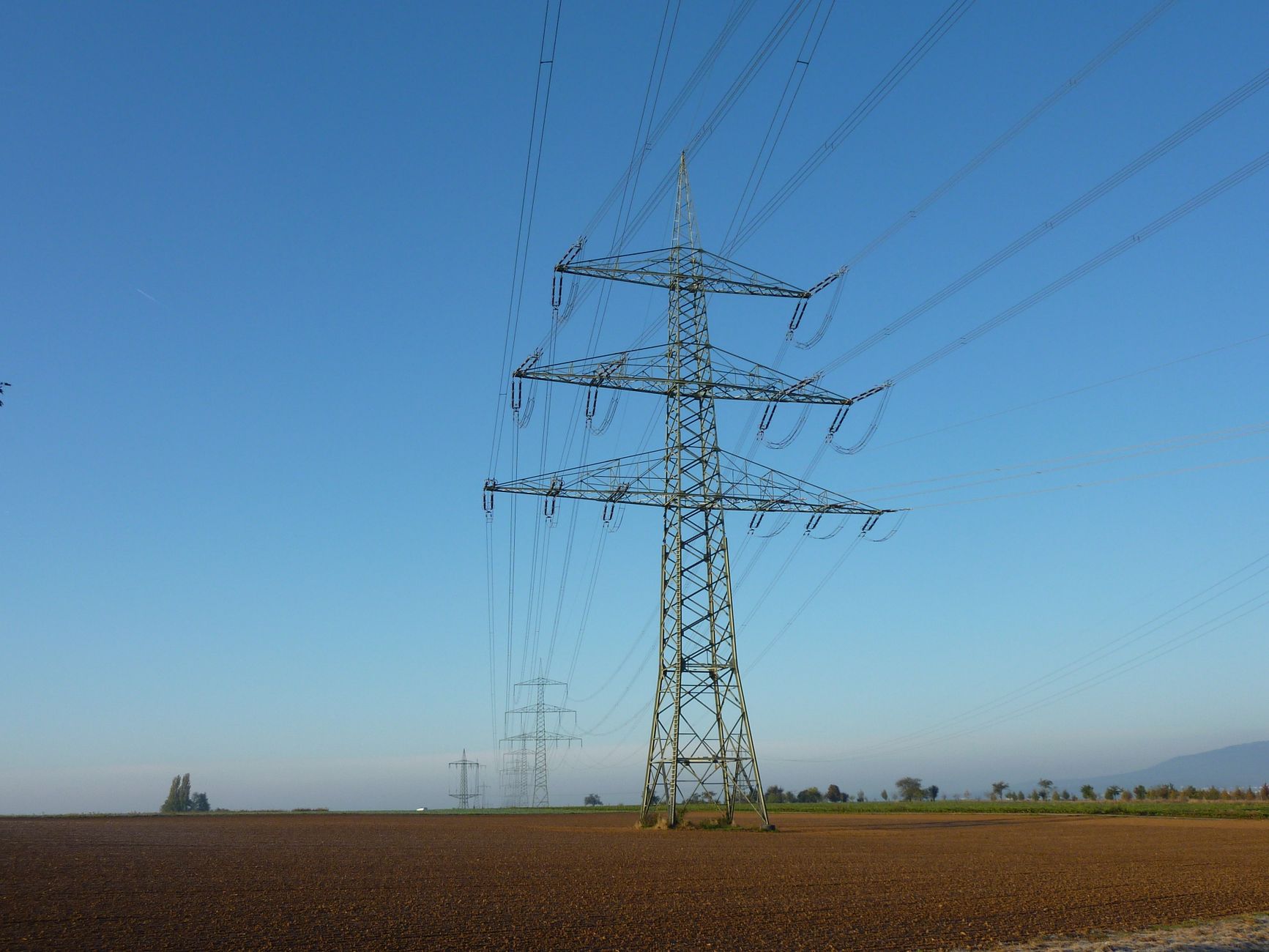
Energy security is a critical concept that encompasses the reliable availability of energy resources, essential for sustaining modern societies. As the world navigates complex geopolitical landscapes and climate challenges, understanding energy security becomes paramount. This article delves into what energy security really means and why it holds such significance for nations and individuals alike. We will explore how energy security impacts national security, highlighting the relationship between fuel reliability and a country’s ability to protect its interests. Furthermore, we will discuss the importance of energy independence in fostering power stability and promoting economic growth. Finally, we will examine future trends shaping energy security, from renewable energy advances to technological innovations that could redefine our energy landscape. For a deeper look into these issues, consider reading insights from IEEE and U.S. Department of Energy. Join us as we unpack these vital topics and their implications for our collective future.
What Is Energy Security and Why Is It Important?
Defining Energy Security
Energy security refers to the reliable availability of energy resources at an affordable price. It encompasses a broad range of components, including the stability of energy supply, the resilience of infrastructure, and the ability to respond to disruptions, such as natural disasters or geopolitical conflicts. As energy demands grow globally, energy security has become increasingly critical, especially in the context of climate change and shifting energy markets. Ensuring energy security is not just about having enough fuel; it’s about maintaining power stability and protecting national security interests.
The importance of energy security is underscored by recent global events that have affected energy supply chains. For instance, geopolitical tensions, such as those witnessed in Eastern Europe, have highlighted the vulnerabilities in energy systems, making clear that dependence on a limited number of suppliers can jeopardize national interests. The push for energy independence has intensified, as nations seek to reduce reliance on foreign energy sources and invest in homegrown alternatives, such as renewable energy and advanced technologies.
The Role of Fuel Reliability in Energy Security
Fuel reliability is a cornerstone of energy security, ensuring that energy supply meets demand consistently. This concept is particularly important for both consumers and industries that rely on uninterrupted energy flow for their operations. Industries, especially those in manufacturing and technology, depend on a stable energy supply to maintain productivity and operational efficiency. Any disruption could lead to significant financial losses and impact overall economic stability.
Consumers also feel the impacts of fuel reliability. Fluctuations in energy prices can lead to higher costs for heating, electricity, and transportation, affecting household budgets and overall quality of life. When energy security is compromised, it not only increases costs but also creates uncertainty in the market, leading to potential shortages and price surges.
As governments and businesses prioritize energy security, they are exploring diverse energy sources and technologies to enhance reliability. From investing in renewable energy projects to improving grid infrastructure, the focus is on creating a more resilient energy landscape that can withstand shocks and adapt to changing needs. This forward-looking approach is essential in today’s dynamic energy environment, where the stakes are higher than ever.

By understanding the components and implications of energy security, stakeholders can take proactive measures to ensure a stable energy future. This not only benefits individual consumers and industries but also strengthens national security and promotes economic resilience.
Energy Security’s Impact on National Security
The Connection Between Energy Independence and National Security
Energy security is increasingly recognized as a cornerstone of national security. As countries grapple with the complexities of global energy markets, the ramifications of energy dependencies become glaringly apparent. The reliance on foreign fuel sources can expose nations to vulnerabilities that threaten their sovereignty and safety. For example, Europe’s dependence on Russian gas has been a focal point of geopolitical tension, especially following Russia’s invasion of Ukraine in 2022. This conflict has underscored the potential for energy resources to be used as tools for coercion, prompting many European nations to rethink their strategies for energy independence and diversification.
Energy independence is not just about avoiding reliance on adversarial nations; it’s also about ensuring fuel reliability and maintaining power stability in domestic markets. Countries like the United States have seen a significant push towards renewable energy sources as a means to bolster energy security. The Biden administration’s focus on clean energy initiatives reflects a broader understanding that reducing fossil fuel dependence can enhance national security by mitigating the risks posed by energy supply disruptions.
Global Perspectives on Energy Security
Globally, the implications of energy security are profound. For instance, nations like Japan, which rely heavily on imported energy, are particularly vulnerable to global price fluctuations and supply interruptions. The Fukushima disaster in 2011 highlighted the risks of over-dependence on specific energy sources, prompting Japan to reevaluate its energy strategy and seek greater energy independence through diversified energy portfolios.
As nations navigate these challenges, the interconnectedness of energy security and national security will only grow. Current events, such as the ongoing energy crises spurred by geopolitical tensions, highlight the urgent need for countries to adopt comprehensive energy strategies that prioritize resilience and sustainability. The focus on power stability not only safeguards economic interests but also fortifies national security against the backdrop of an ever-changing global landscape.

Ultimately, understanding the relationship between energy security and national security is vital for policymakers and citizens alike. By making informed decisions about energy resources, nations can work towards securing their futures in a world where energy is not just a commodity, but a strategic asset.
Power Stability and Economic Growth
The Economic Implications of Energy Security
Energy security is not just a buzzword; it plays a crucial role in driving economic growth and stability. A secure energy supply can be the backbone of a thriving economy, allowing businesses to operate efficiently and consumers to access essential services without interruption. When energy security is compromised, the economic consequences can be severe. For instance, disruptions in fuel reliability can lead to increased costs for businesses, which may ultimately be passed down to consumers. This can stifle consumer spending and impede economic growth.
Countries with strong energy independence often enjoy more robust economic conditions. According to the U.S. Department of Energy, achieving energy independence can reduce vulnerability to foreign energy market fluctuations, allowing for more stable economic planning. This stability is vital in times of crisis, such as during geopolitical tensions or natural disasters, when energy supply chains can become strained. In such scenarios, nations that prioritize energy security are better positioned to withstand shocks, ensuring that their economies remain resilient.
Maintaining Power Stability in a Changing World
Power stability is essential not only for businesses but also for everyday life. Consider how many aspects of modern living depend on continuous energy supply, from the lights in our homes to the operations of critical infrastructure like hospitals and transportation systems. When power stability is threatened, the effects ripple throughout society, potentially compromising national security and public safety.
The recent global energy crisis has highlighted how interconnected our world is. Price spikes and supply shortages can have a cascading effect, impacting everything from food production to manufacturing. Governments must take proactive measures to enhance energy security by investing in diverse energy sources and modernizing infrastructure. Renewable energy sources, for example, can provide more reliable and sustainable power options, reducing dependence on fossil fuels and bolstering national security.
As we navigate an increasingly uncertain future, prioritizing energy security will be essential for economic growth and societal well-being. By focusing on strategies that enhance fuel reliability and promote energy independence, nations can secure their economies against potential disruptions and ensure a stable power supply for generations to come.

For more insights on how energy security impacts economic trends, be sure to explore Understanding Strategic Petroleum Reserves for Energy Security.
Future Trends in Energy Security
As global energy dynamics shift, the importance of energy security has never been clearer. With geopolitical tensions, climate change, and evolving technologies, the landscape is ripe for transformation. Understanding these future trends is crucial for ensuring fuel reliability and bolstering national security.
Technological Innovations and Their Role in Energy Security
Emerging technologies are set to redefine energy security in profound ways. For instance, advancements in energy storage solutions, such as lithium-ion and solid-state batteries, promise to enhance power stability across various sectors. According to a report by the International Energy Agency, energy storage capacity is projected to grow significantly, enabling more efficient management of renewable energy sources like wind and solar. This shift not only addresses intermittency issues but also fosters energy independence by reducing reliance on fossil fuels.
Moreover, smart grid technologies are revolutionizing how energy is distributed and consumed. By utilizing real-time data and advanced analytics, smart grids can optimize energy use, reduce outages, and improve overall efficiency. The integration of artificial intelligence (AI) in energy management systems can further enhance these capabilities by predicting demand patterns and automatically adjusting supply accordingly.
Additionally, innovations in hydrogen fuel technology are gaining traction. Green hydrogen, produced via renewable energy sources, holds the potential to serve as a clean energy carrier, contributing to energy independence and diversifying the energy portfolio of nations. Countries like Germany and Japan are already investing heavily in hydrogen infrastructure, recognizing its role in future energy security.
Policy Changes and Energy Security
Alongside technological advancements, policy changes will play a pivotal role in shaping the future of energy security. Governments are increasingly recognizing the importance of creating frameworks that promote energy independence. For example, the Biden administration’s commitment to 100% clean energy by 2035 is a significant step towards reducing dependence on imported fossil fuels.
Moreover, policies that incentivize renewable energy investments and support research into new technologies will be essential. Governments might implement tax credits or subsidies for renewable projects, making it easier for businesses to transition towards sustainable energy sources. These initiatives not only enhance energy security but also contribute to economic growth by creating green jobs.
Furthermore, as climate change becomes a more pressing issue, international cooperation on energy security will be crucial. Collaborative efforts to share technology and best practices can enhance fuel reliability globally and mitigate the risks associated with energy supply disruptions.
as the world pivots towards a more sustainable energy future, ongoing technological innovations and proactive policy changes will be key to strengthening energy security. Nations that prioritize these aspects will not only safeguard their energy needs but will also contribute to a more stable and secure global environment.

Energy security is essential for ensuring fuel reliability, which directly impacts national security and economic stability. By prioritizing energy independence, nations can not only foster resilience against global energy fluctuations but also bolster their power stability in times of crisis. As individuals, understanding these dynamics can empower us to support policies and initiatives that promote a sustainable and secure energy future.
Taking action on energy security starts with being informed. Consider exploring renewable energy options, advocating for local energy initiatives, or staying updated on national energy policies. By engaging in conversations about energy independence and its broader implications, you can play a part in shaping a more secure and sustainable energy landscape for everyone.
“`html
What is energy security and why is it important?
Energy security refers to the reliable availability of energy resources at an affordable price. It is crucial because it ensures that a country can meet its energy needs without interruption, which is essential for economic stability, national security, and overall quality of life. A secure energy supply can protect against price spikes and supply disruptions caused by geopolitical tensions, natural disasters, or other crises, making it a foundational element of a resilient economy.
How does fuel reliability affect energy security?
Fuel reliability is a key component of energy security, as it ensures a consistent supply of energy sources such as natural gas, oil, and renewable options. When fuel sources are reliable, countries can maintain steady energy production, reducing the risk of outages and economic disruptions. Conversely, unreliable fuel supplies can lead to higher costs and instability in energy markets, which can hinder a nation’s ability to respond effectively to emergencies and maintain economic growth.
What is the link between energy independence and national security?
Energy independence means a country can meet its energy needs without relying heavily on foreign imports. This is closely tied to national security, as dependence on other nations for energy can create vulnerabilities, especially during geopolitical conflicts. By achieving energy independence, a nation can enhance its energy security, reduce the risks of supply disruptions, and maintain greater control over its energy resources, contributing to a more stable and secure environment.
Why is power stability crucial for economic growth?
Power stability is essential for economic growth as it ensures that businesses and industries have a reliable electricity supply to operate efficiently. Fluctuations or outages can lead to production losses, increased operational costs, and reduced investor confidence. A stable power supply fosters innovation and attracts investments, which are vital for creating jobs and driving economic development. Therefore, maintaining power stability is a fundamental aspect of enhancing overall economic resilience.
What technologies are improving energy security?
Several technologies are enhancing energy security, including smart grids, energy storage solutions, and renewable energy systems. Smart grids enable better management of energy distribution, improving reliability and efficiency. Energy storage technologies, such as batteries, allow for the integration of renewable energy sources, ensuring power availability during peak demand or outages. Additionally, advancements in clean energy technologies reduce dependence on fossil fuels, contributing to a more resilient and sustainable energy landscape.
How can governments enhance energy security?
Governments can enhance energy security through policies that promote diversification of energy sources, investment in infrastructure, and the adoption of renewable energy technologies. Strengthening domestic energy production reduces reliance on imports, while investing in energy efficiency measures can lower consumption. Additionally, establishing strategic reserves and fostering international energy partnerships can mitigate risks associated with supply disruptions, ensuring a stable and secure energy future for their citizens.
“`