
Nevada energy independence is not just a dream; it is a tangible goal within reach for the Silver State. As we look towards a sustainable energy future, understanding the nuances of energy security and domestic energy production becomes crucial. This article will explore the opportunities that lie ahead for Nevada, highlighting how the state can harness its abundant renewable resources to bolster its fuel supply and reduce reliance on external sources. However, the path to achieving Nevada energy independence is not without its challenges. We will delve into the potential obstacles that could impede progress and examine the broader implications of energy independence for the state’s economy and environment. Finally, we will outline actionable pathways that could lead Nevada toward a more sustainable energy future, ensuring that residents benefit from clean, reliable, and affordable energy. Join us in uncovering how Nevada can pioneer its energy independence journey and secure a brighter, more resilient future.
Understanding Nevada Energy Independence
What is Energy Independence?
Energy independence refers to the ability of a region or country to meet its energy needs without relying on external sources. This is crucial for ensuring energy security, as it mitigates the risks associated with fuel supply disruptions due to geopolitical tensions, natural disasters, or market fluctuations. For Nevada, achieving energy independence is not just about self-sufficiency; it represents a pathway to a sustainable Nevada energy future that leverages local resources and reduces its carbon footprint.
The Current State of Nevada’s Energy Supply and Its Role in Nevada Energy Independence
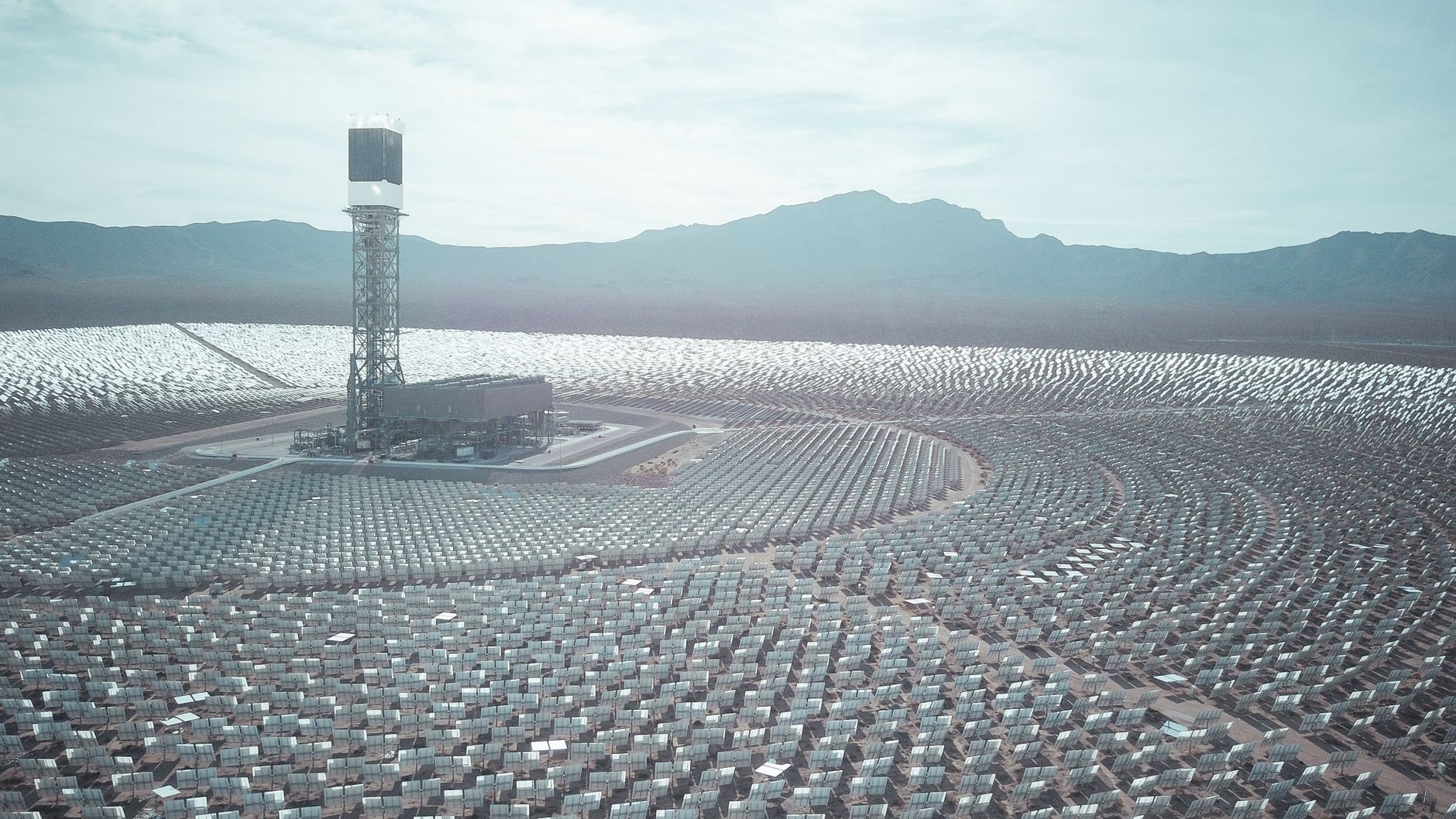
Currently, Nevada’s energy landscape is a mixed bag. While the state is rich in renewable resources, particularly solar and geothermal energy, it still relies on imported energy to meet a significant portion of its demand. Approximately 40% of Nevada’s electricity is generated from renewable sources, primarily from solar farms, but much of the remaining energy comes from natural gas and other non-renewable sources, often imported from neighboring states like California and Arizona.
This reliance on external sources raises concerns about energy security, especially in times of crisis. A diversified and robust energy supply is essential for the state’s economy and for the well-being of its residents. The push towards Nevada energy independence not only aims to reduce this reliance but also to enhance resilience against market volatility and supply chain disruptions.
Moreover, as Nevada’s population continues to grow, the demand for energy is projected to increase, making it imperative for the state to invest in its domestic energy resources. By capitalizing on its vast potential for renewable energy, Nevada can build a more secure and sustainable energy framework that supports local jobs and promotes environmental stewardship. The implications of this transition are profound, as they could position Nevada as a leader in clean energy innovation and sustainability.
Ultimately, the journey towards Nevada energy independence is not just about energy; it’s about creating a stable and prosperous future for all Nevadans. As the state explores its options for enhancing its energy security and reducing its dependence on imported fuels, the focus must remain on sustainable practices and the responsible development of local energy resources.
Nevada’s Energy Future: Opportunities for Independence
Renewable Energy Sources in Nevada
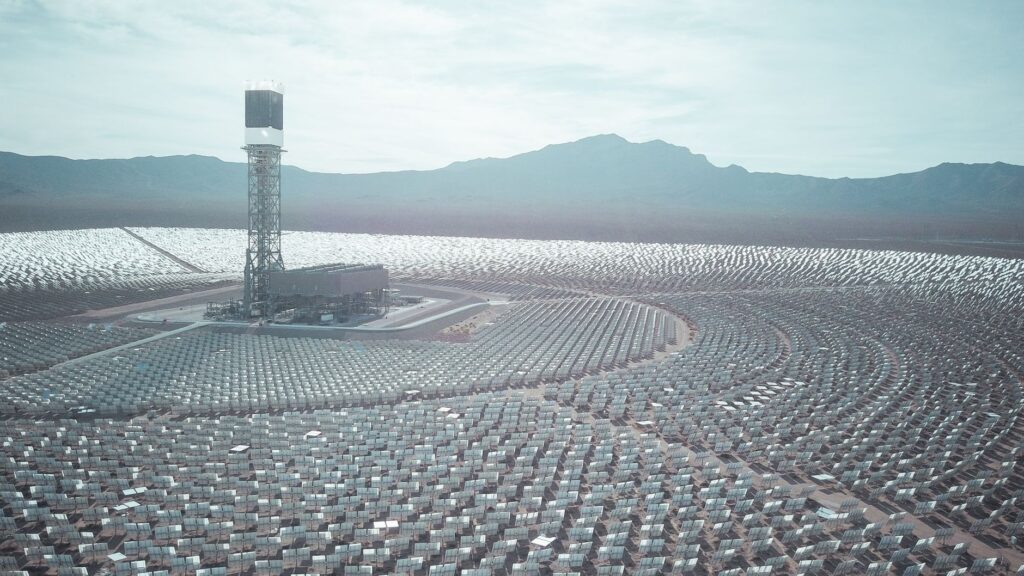
Nevada stands at a pivotal moment in its quest for energy independence. The state’s abundant natural resources present a unique opportunity to harness renewable energy sources like solar, wind, and geothermal. With over 300 sunny days a year, Nevada is a prime location for solar power generation. According to the Nevada Energy, the state is already a leader in solar capacity, ranking among the top states in the nation. This renewable source is not only sustainable but also a key component of achieving nevada energy independence.
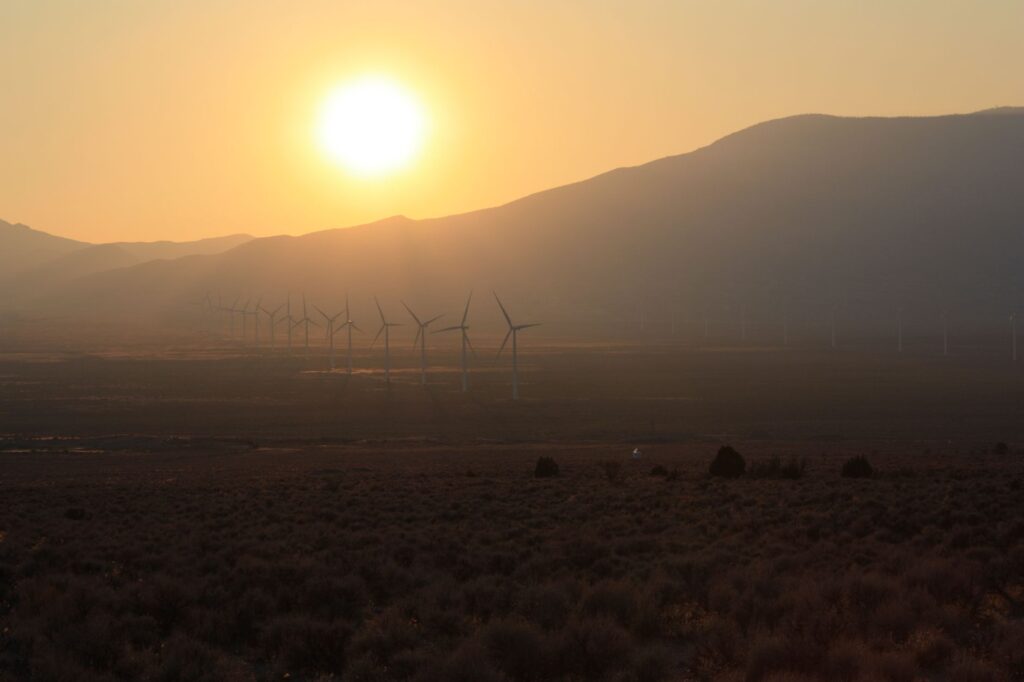
Wind energy is also on the rise, particularly in areas like the Spring Mountain Range and the northern part of the state. Recent studies indicate that Nevada has the potential to generate over 5,000 megawatts of wind energy, which could significantly contribute to the state’s energy mix. Additionally, geothermal energy is another promising avenue, with Nevada housing the largest geothermal power plant in the U.S., located at the Steamboat Springs geothermal field.

Investments in Domestic Energy Production
To bolster its energy future, Nevada has made substantial investments in domestic energy production. Recent initiatives aim to decrease reliance on external fuel supply, thereby enhancing energy security for its residents. For instance, the state government has allocated funds for research and development in renewable technologies, promoting innovation in energy storage and efficiency. This not only aligns with the push for nevada energy independence but also fosters job creation in emerging industries.
Furthermore, local and federal incentives are encouraging businesses to invest in renewable energy projects. The U.S. Department of Energy has supported various programs aimed at expanding Nevada’s energy infrastructure, which is crucial for the state’s long-term energy strategy. By investing in domestic energy production, Nevada can not only satisfy its own energy needs but also position itself as a leader in the renewable energy sector.
As the state continues to explore these opportunities, its commitment to achieving energy independence will play a significant role in shaping a sustainable and resilient nevada energy future. The implications are far-reaching, not just for the local economy but also for the broader goals of reducing carbon emissions and promoting environmental stewardship.
Challenges to Achieving Nevada Energy Independence
While the vision of nevada energy independence is enticing, several challenges stand in the way of achieving this goal. Addressing these obstacles is crucial for ensuring a reliable energy future for the state. Key issues include regulatory and policy barriers, as well as the need for significant advancements in infrastructure and technology.
Regulatory and Policy Barriers to Nevada Energy Independence
Nevada’s regulatory landscape can often feel like a maze for energy developers and investors. Existing policies may inadvertently hinder the growth of renewable energy projects, limiting the potential for domestic energy generation. For example, the state’s Renewable Portfolio Standard (RPS) mandates a specific percentage of energy from renewable sources, but the targets may not be ambitious enough to drive rapid change. Additionally, local zoning laws can complicate the siting of new renewable energy facilities, creating delays and increasing costs.
Moreover, the interplay between state and federal energy policies can create uncertainty. Changes in federal regulations can impact state-level initiatives, making long-term planning challenging. This uncertainty can deter investment in clean energy technologies that are vital for Nevada’s energy future. As the demand for energy security grows, addressing these regulatory and policy barriers will be crucial for fostering a conducive environment for innovation and investment in renewable energy sources.
Infrastructure and Technological Hurdles for Nevada Energy Independence
Another significant challenge lies in the infrastructure required to support a transition to renewable energy. Many parts of Nevada lack the necessary transmission lines to transport energy from remote solar and wind farms to urban centers. This shortfall not only limits energy distribution but also affects the overall reliability of the fuel supply, which is essential for achieving energy independence.
Technologically, while advancements in energy storage and grid management are promising, the current state of these technologies may not be sufficient to meet Nevada’s specific needs. Efficient energy storage solutions are vital for overcoming the intermittent nature of renewable energy sources. Without these solutions, achieving a stable and reliable energy grid could remain a distant goal.
As Nevada strives for energy independence, addressing these regulatory, policy, infrastructure, and technological challenges will be crucial for unlocking the state’s full potential in renewable energy. By taking proactive steps to overcome these hurdles, Nevada can pave the way for a more sustainable and resilient energy landscape that aligns with its vision of a brighter energy future.

The Implications of Energy Independence for Nevada
Economic Benefits of Nevada Energy Independence
Achieving nevada energy independence promises substantial economic benefits that could reshape the state’s landscape. First and foremost, it could lead to significant job creation across various sectors, including renewable energy, manufacturing, and construction. According to the Solar Foundation, the solar industry employs over 11,000 people in Nevada alone, and this number could rise as the state invests in more domestic energy projects.
Moreover, energy independence can stabilize energy prices, reducing the overall cost of living for residents. With less reliance on imported fuel supply, fluctuations in global markets would have a diminished effect on local energy costs. This stability not only benefits households but also attracts businesses looking for a predictable operating environment, further strengthening the state’s economy. As Nevada moves toward a more self-sufficient energy model, the potential for new investments in clean energy technologies will undoubtedly stimulate economic growth.
Environmental Impact of Achieving Nevada Energy Independence
On the environmental front, nevada energy independence holds the promise of a more sustainable future. By focusing on renewable energy sources such as solar, wind, and geothermal, Nevada can significantly reduce its carbon footprint. The EPA reports that transitioning to clean energy sources not only lessens greenhouse gas emissions but also improves air quality, benefiting public health.
Furthermore, the promotion of domestic energy sources encourages responsible land use and conservation efforts. As communities engage in local energy projects, there is a greater emphasis on sustainable practices that protect Nevada’s diverse ecosystems. This aligns with the state’s broader goals for a resilient nevada energy future, where energy production coexists harmoniously with natural landscapes.

the implications of achieving energy independence in Nevada extend beyond mere energy security. The economic and environmental benefits are intertwined, presenting a transformative opportunity for the state. By investing in domestic energy solutions, Nevada can cultivate a prosperous, sustainable future for its residents and the environment alike. For more insights on the journey to energy independence, check out Nevada Energy Report 2026.
Pathways to a Sustainable Energy Future in Nevada
As the world grapples with climate change and energy challenges, the push for nevada energy independence has never been more critical. The state has a unique opportunity to harness its abundant natural resources and innovative spirit to create a sustainable energy future. This transformation requires not just governmental action but also grassroots community initiatives and the integration of cutting-edge technology.
Community Initiatives and Engagement for Nevada Energy Independence
Local communities play a pivotal role in advancing Nevada’s energy independence. Grassroots movements can foster awareness and action at the neighborhood level, driving collective efforts towards renewable energy adoption. Community solar projects, for example, allow residents to invest in solar energy even if they cannot install panels on their roofs. These initiatives not only empower residents but also contribute to a more resilient domestic energy landscape.
Moreover, local governments are increasingly engaging citizens in energy planning processes, ensuring that the voices of the community are heard. Programs that promote energy efficiency in homes and businesses can significantly reduce overall energy consumption and enhance energy security. By encouraging community members to participate in energy audits and efficiency workshops, Nevada can foster a culture of sustainability that extends beyond individual actions.
The Role of Innovation and Technology in Nevada’s Energy Future
Innovation is a key driver in the transition towards a sustainable nevada energy future. Technological advancements in energy storage, smart grids, and renewable energy systems are crucial for increasing the efficiency and reliability of energy supply. For instance, Nevada is already home to several leading research institutions and clean-tech startups, which are developing solutions to optimize energy management and integrate renewable sources into the grid.
Furthermore, the state’s investment in research and development can attract new businesses and jobs, particularly in the renewable energy sector. According to the Nevada Energy, the growth of renewable energy jobs has seen significant acceleration, contributing to both economic development and fuel supply diversification.
the pathways to a sustainable energy future in Nevada are multifaceted, involving community engagement and technological innovation. By working together, residents, businesses, and policymakers can make nevada energy independence a reality, ensuring a cleaner, more secure energy future for all.
As we explore the path to Nevada energy independence, it’s clear that the state has the potential to significantly enhance its energy security through a diversified fuel supply. By investing in renewable sources and optimizing our domestic energy resources, Nevada can pave the way for a sustainable energy future. This shift not only fosters local job growth but also reduces reliance on external energy markets.
The journey towards achieving Nevada energy independence is not just a dream; it’s a tangible goal that we can work towards together. Every individual can contribute by supporting local initiatives and advocating for policies that prioritize renewable energy. To be part of this exciting transition, consider exploring community programs or engaging with local energy advocates to learn how you can make a difference in shaping the Nevada energy future.
“`html
What is Nevada energy independence?
Nevada energy independence refers to the state’s ability to meet its energy needs through local resources, minimizing reliance on external fuel supply. This concept encompasses the development and utilization of renewable energy sources, such as solar, wind, and geothermal, to create a sustainable energy future. Achieving energy independence in Nevada would mean greater control over energy costs, increased energy security, and the capacity to support the state’s growing energy demands.
How can Nevada achieve energy independence?
Nevada can achieve energy independence by investing in renewable energy infrastructure, enhancing energy efficiency, and implementing supportive policies. Expanding solar and wind projects, improving grid technology, and encouraging energy conservation practices are essential steps. Collaboration between government, private sectors, and local communities will also play a crucial role in fostering innovations and creating a robust energy landscape that prioritizes domestic energy sources.
What are the benefits of energy independence for Nevada?
The benefits of energy independence for Nevada include enhanced energy security, reduced reliance on imported fuels, and economic growth through job creation in the renewable energy sector. By harnessing local resources, the state can stabilize energy prices and protect consumers from market volatility. Additionally, energy independence contributes to environmental sustainability by lowering carbon emissions and promoting clean energy technologies, aligning with the goals for a resilient Nevada energy future.
What renewable energy sources are available in Nevada?
Nevada boasts a diverse array of renewable energy sources. The state is a leader in solar energy production, thanks to its abundant sunlight. Wind energy and geothermal resources are also significant contributors to the energy mix. Hydropower from the Colorado River and biomass energy from organic waste are additional avenues for renewable energy development. Collectively, these resources provide a strong foundation for achieving Nevada energy independence.
What challenges does Nevada face in achieving energy independence?
Nevada faces several challenges in achieving energy independence, including limited infrastructure for renewable energy distribution and storage. Regulatory hurdles and the initial costs of transitioning to renewable sources can also impede progress. Additionally, ensuring a balanced energy mix that meets the demands of growing populations while maintaining reliability poses a significant challenge. Addressing these obstacles will require strategic planning and investment from both the public and private sectors.
How does energy independence affect energy security in Nevada?
Energy independence directly enhances energy security in Nevada by reducing vulnerability to external supply disruptions and price fluctuations. By relying on local renewable resources, the state can better manage its energy needs and mitigate risks associated with global energy markets. This shift not only strengthens the resilience of the energy grid but also supports local economies, ultimately creating a more stable and secure energy environment for all Nevadans.
“`