
Nevada energy policy and water conservation are intricately linked in a state where water scarcity and energy demands are both pressing concerns. Understanding how these two critical areas intersect can reveal strategies for more sustainable living in the Silver State. This article will delve into the water energy nexus in Nevada, exploring how energy production impacts water resources and vice versa. We will examine current Nevada water policies and assess their effectiveness in promoting conservation while meeting energy needs. Additionally, we will highlight sustainable water practices within Nevada’s energy sector, showcasing innovative approaches to resource management. However, challenges remain, and we will address counterpoints in Nevada’s current approach to integrating energy and water policies. By exploring these themes, we aim to provide insights into a path forward that balances the state’s energy and water needs effectively. For further reading, you may want to check out resources from the Nevada Energy and the Natural Resources Defense Council.
The Importance of Energy Policies in Nevada
Nevada stands as a prime example of the intricate relationship between energy policy and water conservation. As one of the driest states in the U.S., the need for effective Nevada energy policy water conservation strategies has never been more critical. With the state grappling with persistent drought conditions and a rapidly growing population, energy policies that prioritize water conservation become essential not just for sustainability but for the very survival of its communities.
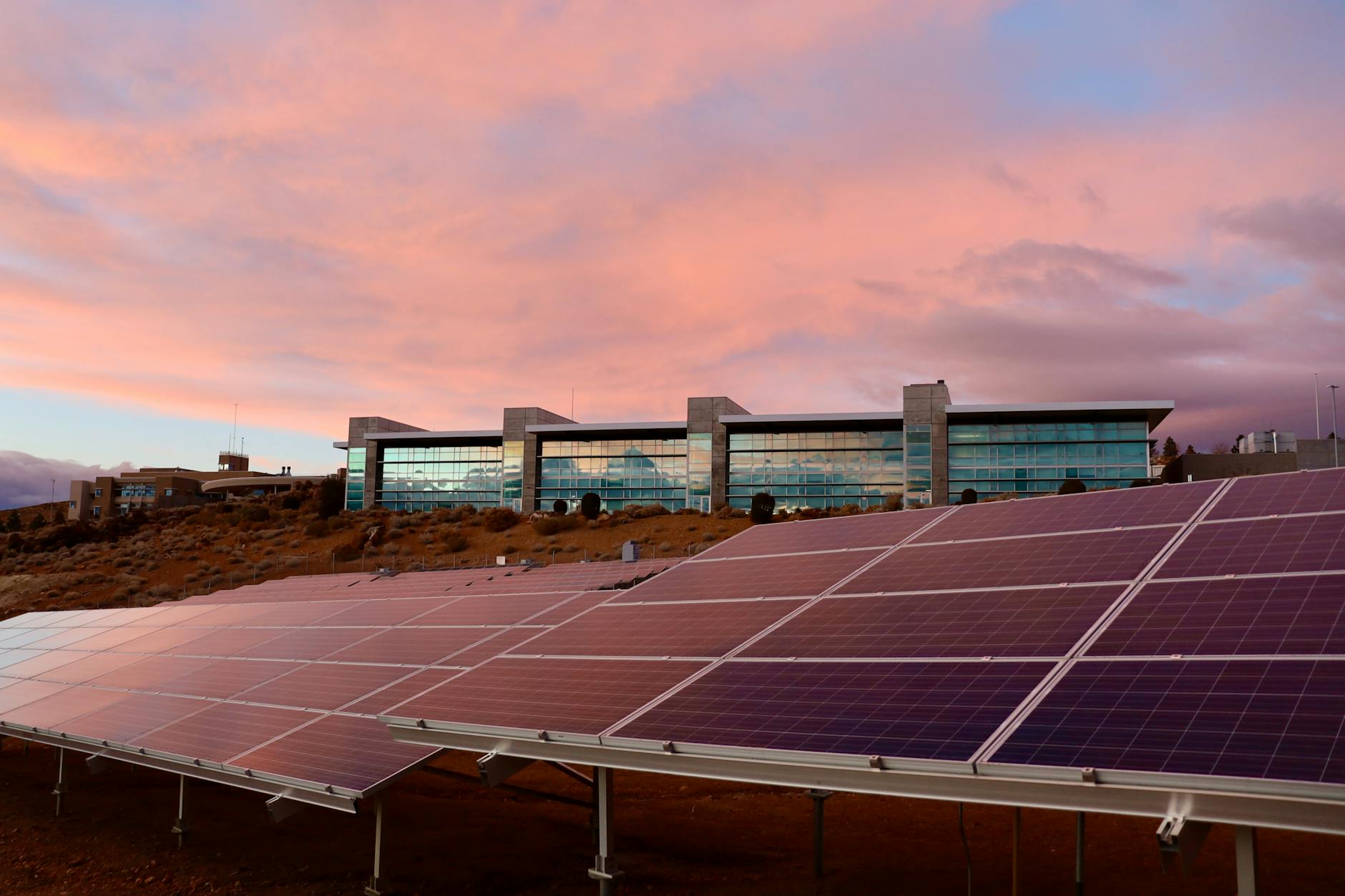
Energy production, particularly from traditional sources, often requires significant amounts of water. For instance, the water-energy nexus in Nevada reveals a stark reality: the more energy we consume, the more water we need. This interdependence highlights the urgency for state policies that integrate water conservation efforts into energy planning. By promoting renewable energy sources like solar and wind, which require considerably less water, Nevada can align its energy policies with sustainable water practices, ensuring a resilient future for its residents.
How Water Conservation Fits into Energy Strategies
Water conservation must be woven into the fabric of Nevada’s energy strategies. The state is already implementing Nevada water policies aimed at reducing water waste and promoting efficient usage. Such policies are vital since energy production, especially in arid regions, can lead to water depletion if not managed wisely. By harnessing innovative technologies and sustainable practices, Nevada can enhance its overall water efficiency while ensuring energy demands are met.
Moreover, with the increasing emphasis on climate change and resource scarcity, Nevada’s approach to energy and water must evolve. Transitioning to sustainable energy sources not only conserves water but also mitigates the environmental impacts associated with fossil fuel extraction and consumption. This dual approach can cultivate a healthier ecosystem, ultimately benefiting both people and the environment.
By championing a comprehensive strategy that includes Nevada energy policy water conservation, we can create a future where energy production and water conservation coexist harmoniously. The path forward demands collaboration among policymakers, industry leaders, and the public to ensure that Nevada not only survives but thrives in an increasingly resource-constrained world.
The Water-Energy Nexus in Nevada
Nevada Energy Policy Water Conservation and the Water Energy Nexus
The concept of the water-energy nexus in Nevada is crucial as we navigate the complexities of energy production and water conservation. Essentially, this nexus highlights the interconnectedness of water and energy, illustrating how energy generation methods significantly impact water resources in our state. As Nevada continues to rely on various forms of energy production, understanding this relationship is more important than ever.
For instance, traditional fossil fuel power plants, such as coal and natural gas, require substantial quantities of water for cooling purposes. According to the U.S. Department of Energy, thermoelectric power generation can consume up to 25 gallons of water per megawatt-hour of electricity produced. In a state like Nevada, where water resources are already scarce, this water consumption poses serious challenges for our Nevada water policies. On the other hand, renewable energy sources like solar power require significantly less water, making them a more sustainable choice for our future.
Impact of Energy Production on Water Resources
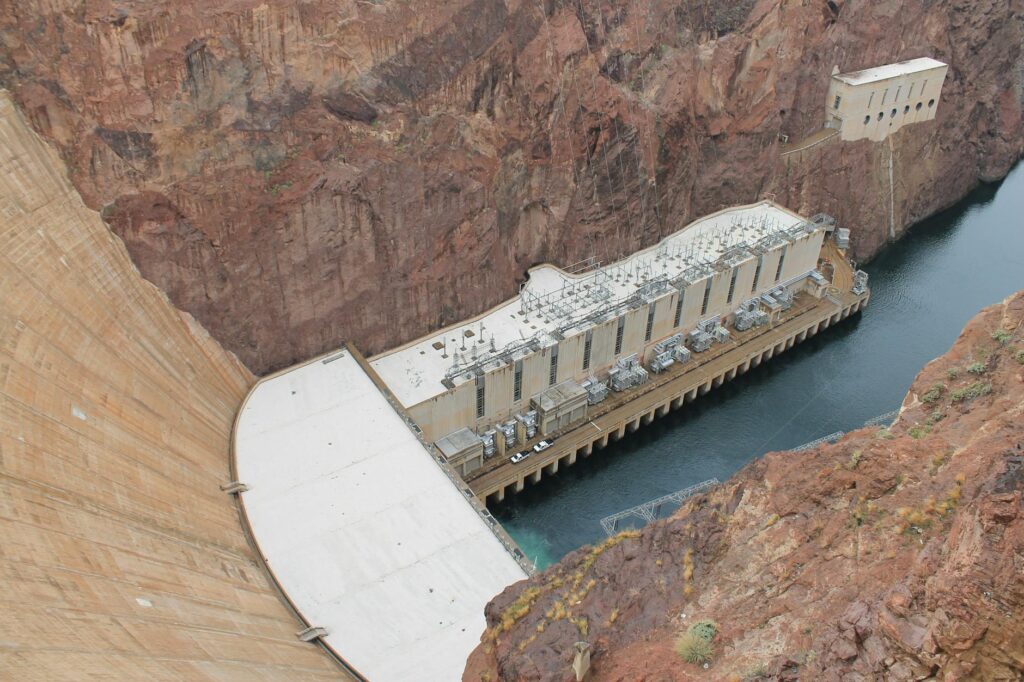
The implications of energy production on Nevada’s water resources cannot be overstated. As we push for more aggressive energy policies, we must not overlook the need for integrated approaches that promote sustainable water practices. For example, the rise of solar energy projects in Nevada presents an opportunity to reduce water use while simultaneously addressing our energy needs. These projects consume negligible amounts of water compared to traditional energy sources, which aligns with the goals of Nevada energy policy water conservation.
However, there are counterpoints to consider. Some argue that transitioning to renewable sources can be expensive and challenging to implement at scale. Yet, if we prioritize the water-energy nexus in our planning and policy-making, we can create a balanced approach that meets both our energy demands and water conservation goals. By integrating sustainable practices and focusing on the water-energy nexus, Nevada can lead the way in pioneering innovative solutions that benefit both our environment and economy.
Current Nevada Water Policies and Their Effectiveness
Nevada Energy Policy Water Conservation and Overview of Nevada Water Policies
Nevada’s water policies have evolved significantly, primarily aimed at promoting sustainable water practices and ensuring equitable distribution among agricultural, urban, and environmental needs. The Nevada Division of Water Resources oversees the implementation of these policies, which include the 2015 Nevada Revised Statutes (NRS) 533.024, aimed at conserving water and enhancing efficiency. A key aspect of these policies is the adoption of the water energy nexus in Nevada, highlighting the interdependent relationship between water availability and energy production.
Evaluating the Success of Current Policies
While Nevada’s water policies are commendable in their intentions, their effectiveness is often called into question. For instance, despite a strong push for conservation techniques, the U.S. Bureau of Reclamation reported that water usage in Nevada has only decreased by about 10% since 2005, despite a growing population. This stagnation suggests that current policies may lack the necessary enforcement mechanisms or incentives to drive real change.
Additionally, the alignment, or lack thereof, between Nevada energy policy and water conservation is concerning. Renewable energy projects, particularly solar farms, require substantial water resources for cooling and maintenance, potentially competing with agricultural and urban needs. Thus, while the aim is to create a cohesive approach, the reality often finds these policies at odds with one another.
Statistical data supports these observations; in 2021, Nevada’s groundwater levels declined by 3.5 feet on average, indicating ongoing challenges in water sustainability. As such, the current Nevada water policies may not be fully achieving their objectives of fostering a sustainable balance between energy and water conservation.
To truly address the challenges posed by climate change and population growth, Nevada must refine its policies, ensuring they not only aim for conservation but also effectively integrate with the state’s energy goals. Only then can we hope to develop a comprehensive strategy that embodies the principles of Nevada energy policy water conservation.
Sustainable Water Practices in Nevada’s Energy Sector
Innovative Approaches to Water Conservation in Nevada Energy Policy
As Nevada confronts the dual challenges of energy production and water scarcity, the integration of sustainable water practices within the energy sector becomes paramount. Innovative technologies and methods can transform our approach to the water energy nexus in Nevada, ensuring that we use our precious resources with utmost efficiency. From advanced cooling systems that recycle water to the implementation of dry cooling technology in power plants, there are numerous avenues to explore. For instance, solar thermal plants can adopt air-cooled condensers, significantly reducing water consumption while maintaining energy output.
Additionally, companies are turning to artificial intelligence to optimize water usage. By analyzing real-time data, AI can help energy producers forecast water needs accurately, thus minimizing waste. These innovative approaches align seamlessly with the overarching goals of Nevada energy policy water conservation, demonstrating a commitment to sustainability that benefits both the environment and the economy.
Case Studies of Successful Sustainable Practices
Several initiatives within Nevada highlight the successful integration of sustainable water practices. One noteworthy example is the NV Energy program, which has implemented a comprehensive water conservation plan that incorporates smart irrigation systems in its facilities. This not only conserves water but also reduces operational costs, showcasing how sustainable water policies can yield financial benefits alongside environmental ones.
Another inspiring case is the Great Basin Water Network, which has worked to promote water-efficient practices among renewable energy developers. Their advocacy for responsible water use demonstrates the potential for collaboration between environmental groups and energy producers, facilitating the adoption of sustainable practices across the sector.
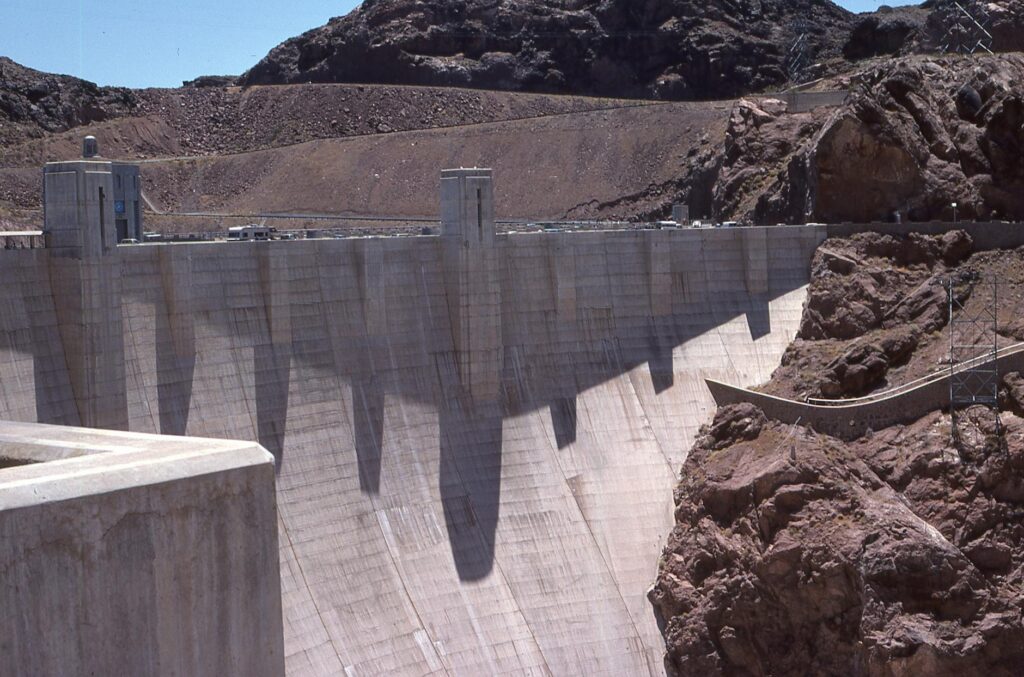
These examples illustrate that when Nevada’s energy sector embraces sustainable water practices, it not only aligns with Nevada water policies but also sets a standard for responsible resource management. As we move forward, it is essential that Nevada energy policy continues to prioritize water conservation, ensuring a sustainable future for both energy and water resources in our state.
Challenges and Counterpoints in Nevada’s Approach
Critiques of Current Policies in Nevada Energy Policy Water Conservation
Nevada faces a myriad of challenges when it comes to its energy policy and water conservation efforts. Critics argue that current policies often favor immediate economic growth over long-term sustainability. The state’s burgeoning population, projected to reach nearly 3 million by 2050, puts immense pressure on both energy and water resources. As demand surges, the risk of over-extraction of water resources becomes a pressing concern, particularly when considering the water-energy nexus in Nevada. Furthermore, climate change exacerbates these challenges, leading to unpredictable weather patterns and prolonged droughts, which threaten both energy generation and water availability.
Balancing Energy Needs with Water Conservation
Despite these critiques, there are compelling counterpoints that highlight the importance of a balanced approach to Nevada’s energy policy and water conservation. Advocates for sustainable water practices emphasize that innovative technologies and policies can address the dual needs for energy and water. For instance, investments in renewable energy sources like solar and wind can reduce the amount of water required for traditional energy generation. Additionally, implementing more efficient irrigation and conservation techniques in agriculture can alleviate some of the pressures on Nevada’s water supply. To effectively navigate these challenges, Nevada’s water policies must evolve to prioritize not only the immediate demands of its growing population but also the long-term health of its ecosystems. Adopting a cohesive strategy that integrates energy and water management will empower Nevada to meet its future needs sustainably. As we explore the intricate relationship between Nevada’s energy policy and water conservation, it is crucial to recognize that the solutions lie in fostering collaboration among stakeholders and embracing innovative practices.

By addressing these challenges head-on, Nevada can set a precedent for other states grappling with similar issues, ultimately demonstrating that a robust Nevada energy policy water conservation connection is not only necessary but achievable.
The Path Forward: Integrating Energy and Water Policies
Recommendations for Policy Integration in Nevada Energy Policy Water Conservation
To effectively address the challenges posed by the water energy nexus in Nevada, we must prioritize integrating energy and water policies. First, policymakers should establish a framework that aligns energy production with water conservation goals. This means encouraging renewable energy projects that utilize sustainable water practices, such as solar farms that employ advanced irrigation systems to minimize water use.
Furthermore, incentives should be provided for local industries that adopt water-efficient technologies and practices. For instance, programs that reward businesses for reducing water consumption in energy-intensive processes can help drive the Nevada energy policy water conservation agenda forward. Additionally, public investments in infrastructure improvements, such as water recycling programs and energy-efficient water treatment facilities, can bolster both sectors simultaneously.
The Role of Community Engagement and Education
Community engagement is crucial in fostering a culture of sustainability. Educational initiatives that inform residents about the importance of the Nevada water policies and their impact on local energy production can empower them to make informed decisions. Workshops, seminars, and collaborative projects between local governments, NGOs, and community members can create a synergistic environment where sustainable practices thrive.
Moreover, involving residents in discussions about energy and water management can lead to innovative solutions tailored to local needs. When citizens see their contributions making an impact, it not only enhances participation but also cultivates a sense of ownership over their resources.
To forge a path forward, we must unite government, industry, and residents in a collaborative effort. By promoting policy integration and community involvement, Nevada can set a precedent for sustainable energy and water management that benefits all. Together, we can create a resilient future where energy and water policies work hand in hand for the betterment of our environment and economy.
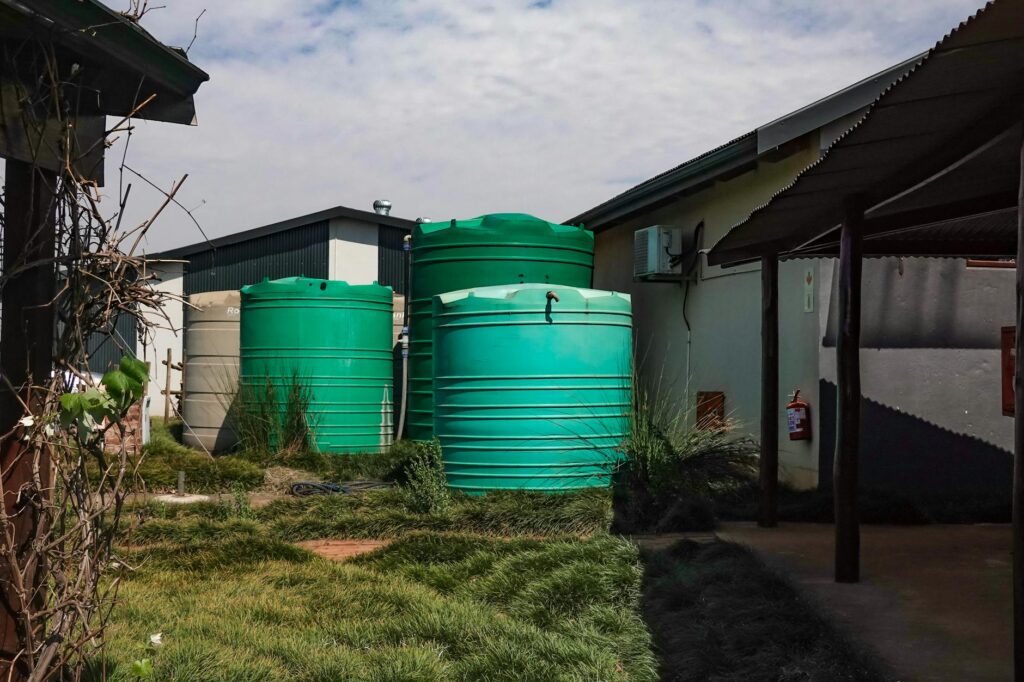
Understanding the connection between Nevada energy policy water conservation and sustainable water practices is crucial for the future of the state. By effectively integrating these policies, Nevada can address the challenges posed by climate change and water scarcity, ensuring a more resilient environment. The water energy nexus in Nevada highlights the interdependence of energy and water resources, emphasizing the need for coordinated strategies that optimize both sectors.
With evolving Nevada water policies and a commitment to sustainable practices, residents and businesses alike can play a part in this vital effort. Whether it’s through adopting innovative technologies or participating in local conservation programs, every action counts. To make a real impact, consider exploring how you can implement sustainable water practices in your daily life and advocate for policies that support efficient resource management. Together, we can secure a sustainable future for Nevada.
“`html
What is the connection between energy policy and water conservation in Nevada?
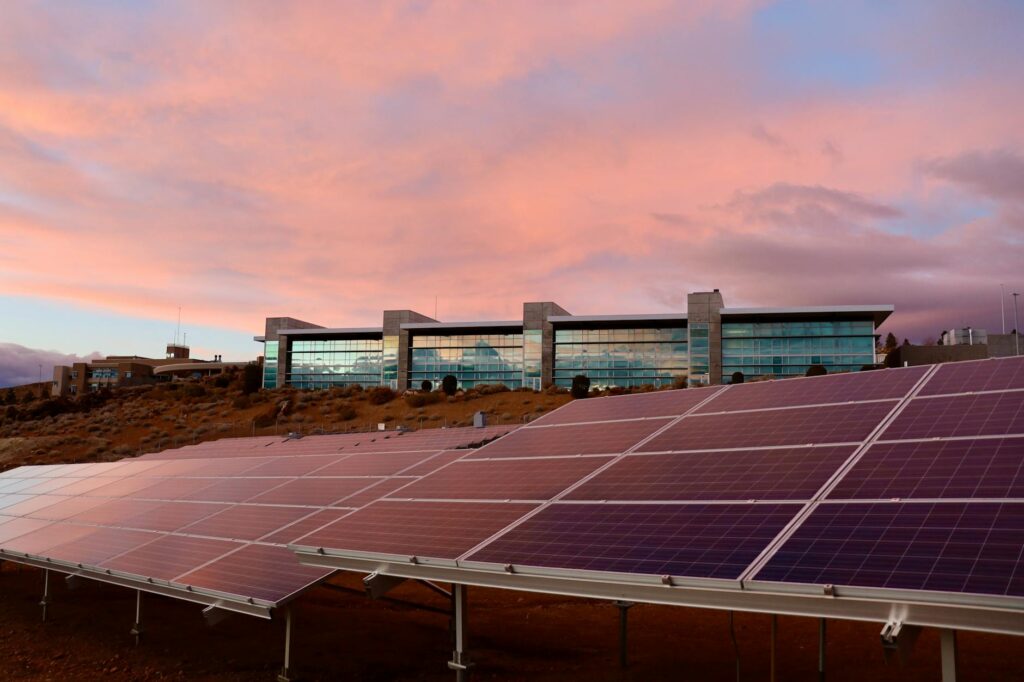
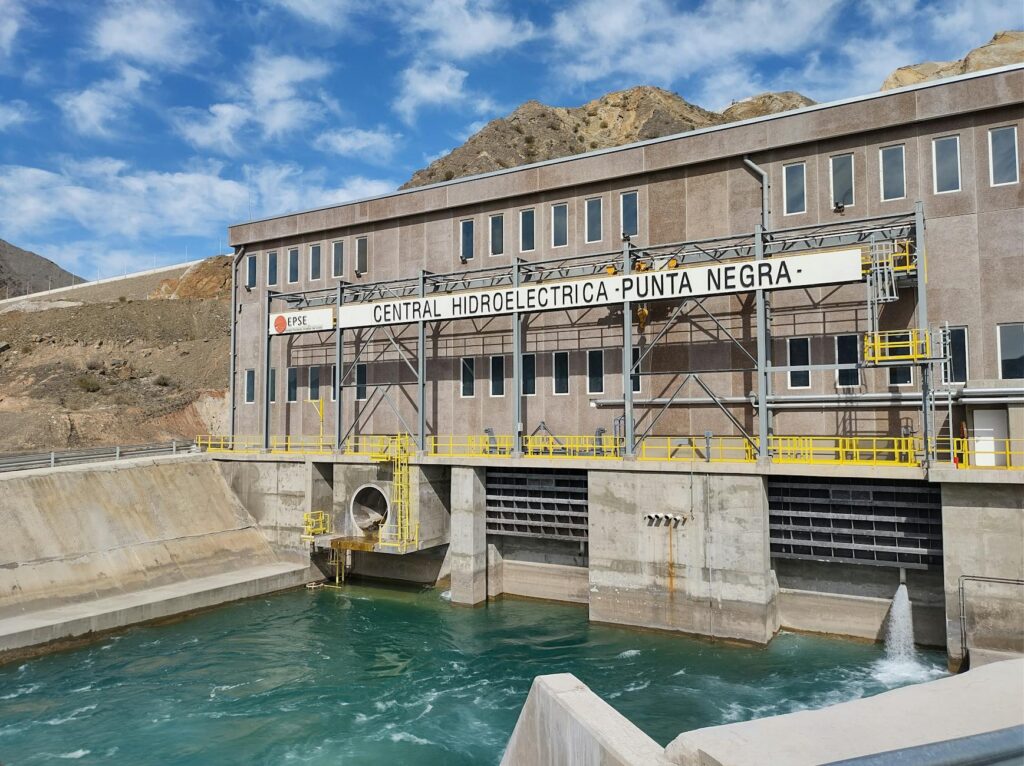
The connection between energy policy and water conservation in Nevada is significant due to the state’s reliance on water for energy production, particularly in hydroelectric power and thermoelectric plants. Effective Nevada energy policy water conservation strategies aim to optimize water use in energy production while ensuring that water resources are protected for agricultural, recreational, and municipal use. This relationship highlights the need for integrated planning to ensure both energy security and sustainable water management.
How does the water energy nexus impact Nevada’s resources?
The water energy nexus in Nevada underscores the interdependence of water and energy resources. Water is critical for cooling power plants and generating electricity, while energy is required for water extraction, treatment, and distribution. This relationship can strain Nevada’s limited water resources, particularly during drought conditions. Policymakers must consider this nexus to develop sustainable practices that protect both water supplies and energy generation capabilities.
What are the current water policies in Nevada?
Nevada’s current water policies focus on sustainable management and conservation of its water resources. These policies include the Nevada Revised Statutes that regulate water rights and usage, emphasizing efficient water use in agriculture and urban settings. Additionally, initiatives such as the Southern Nevada Water Authority’s conservation programs aim to reduce per capita water use while balancing the needs of residents and the environment. For more information, visit Nevada’s government website.
What sustainable water practices can be implemented in Nevada?
Sustainable water practices that can be implemented in Nevada include rainwater harvesting, greywater recycling, and xeriscaping, which uses drought-resistant plants. Additionally, adopting efficient irrigation techniques in agriculture can significantly conserve water. Community education programs about water conservation and incentives for water-efficient appliances can further promote sustainable use. Implementing these practices will help mitigate the impacts of drought and ensure the longevity of Nevada’s water resources.
How can Nevada balance energy production and water conservation?
Nevada can balance energy production and water conservation by investing in renewable energy sources that require less water, such as solar and wind power. Additionally, improving the efficiency of existing power plants and integrating water-saving technologies can reduce overall water consumption. Collaborative efforts between energy producers, water managers, and policymakers are essential to develop strategies that support both energy needs and water conservation efforts in the state.
What challenges does Nevada face in its energy and water policies?
Nevada faces several challenges in its energy and water policies, including water scarcity due to prolonged drought conditions and increasing population demands. Balancing the needs of agricultural, urban, and environmental users complicates policy development. Additionally, the reliance on traditional energy sources that consume large amounts of water poses significant challenges for sustainable practices. Addressing these issues requires innovative solutions and cooperative governance to ensure both energy and water security.
“`