

When the power grid in Nevada can’t move enough power to meet demand in a certain area, people there experience grid congestion. The electric grid uses transmission lines to send electricity from power plants to homes, businesses, and charging stations. It’s harder to get power to the places that need it most when those lines are full.
For drivers in Nevada, grid congestion is more than just a technical issue. It has a direct effect on the cost of electricity used to charge electric cars and run homes. When demand is high, utilities have to use more expensive power sources, which makes power more expensive overall.
Why Transmission Limits NV Make Things More Expensive
Transmission limits in NV are a big part of the problem with grid congestion in Nevada. The geography of Nevada and its rapid growth put a lot of stress on the current transmission infrastructure. When lines can’t carry more electricity, utilities have to get power from local sources or generators that cost more instead of cheaper regional supplies.

Electricity markets respond to scarcity, so these limits on transmission raise the price of power. Prices go up when supply can’t move freely. People who charge electric cars during peak hours pay more for their utilities, and everyone else sees the effects in their monthly energy bills.
How Grid Congestion Affects the Price of Power
When there is congestion, power prices go up because utilities have to quickly balance supply and demand. When there is a lot of congestion, system operators use backup generation because it is hard to store a lot of electricity. These resources are often more expensive to run, especially when it’s very hot or there’s a lot of demand.
The grid congestion in Nevada is most noticeable in the summer when people use air conditioning more. High demand for electricity and limits on transmission in NV put more stress on the grid. Because of this, customers pay more even if their usage patterns stay the same.
Why Nevada Drivers Should Be Concerned About Grid Congestion
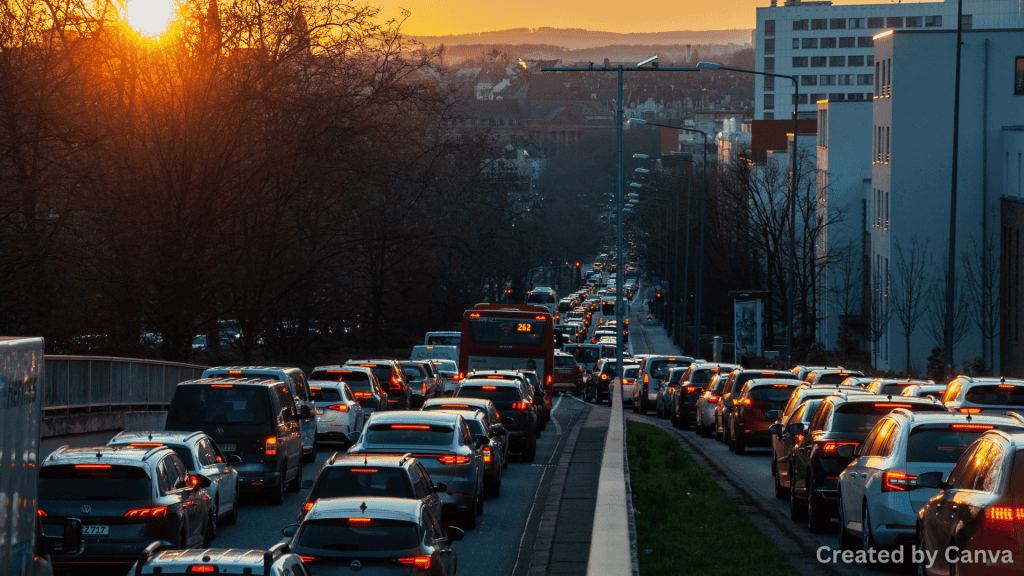
Grid congestion has a direct effect on Nevada drivers because it makes energy costs go up and the grid less reliable. The number of people who use electric vehicles is still rising, which puts more strain on an already overworked system. Without enough upgrades to the transmission system, traffic jams happen more often and cost more.
Drivers in Nevada also have a higher chance of service interruptions because of grid congestion. When the weather is really bad, systems that are overloaded are more likely to go down. To keep energy affordable, reliable, and easy to get for Nevada’s growing population, we need to deal with congestion.
Questions and Answers About Grid Congestion in Nevada
What makes the grid in Nevada so busy?
When the demand for electricity is higher than what transmission lines can handle, the grid becomes congested.
Does grid congestion make it more expensive to charge electric cars?
Yes. Congestion makes power prices go up, which changes the rates for charging during peak hours.
Are NV’s transmission limits permanent?
No. Upgrading and expanding infrastructure can help lower transmission limits.
Why does traffic get worse in the summer?
Using a lot of air conditioning puts a lot of stress on the power grid and raises demand.
Can too many people on the grid cause power outages?
Yes. Systems that are overloaded are more likely to have problems with reliability.
Featured Image
Images are by Canva.com
Read more about: How Nevada can reduce grid bottlenecks with smarter planning