
Paul’s economic plan Nevada outlines a strategic vision aimed at revitalizing the state’s economic landscape. In this article, we’ll delve into the key components of Paul’s economic plan, examining how his policies are designed to stimulate economic growth, enhance job creation, and attract new investments to Nevada. We will also consider the expected impact on the Nevada economy, assessing both the potential benefits and the challenges that may arise during implementation. Criticisms of Paul’s policies will be addressed, providing a balanced view of the proposed plan. Finally, we’ll offer actionable takeaways for residents and stakeholders in Nevada, ensuring that everyone can understand how these economic strategies may affect their lives. By the end of this article, you’ll have a clearer picture of how Paul’s economic plan Nevada could shape the future of the state. For deeper insights on this topic, check out Nevada’s official economic resources and Bureau of Labor Statistics.
Understanding Paul’s Economic Plan for Nevada
Overview of Paul’s Policies
Paul’s economic plan for Nevada is designed to address the unique challenges and opportunities within the state. With the Nevada economy heavily reliant on tourism, gaming, and entertainment, Paul’s policies aim to diversify economic activities while enhancing existing sectors. Key elements of the plan include tax reforms, workforce development initiatives, and investment in infrastructure. By fostering an environment conducive to business growth, Paul’s policies seek to attract new industries and encourage startups, which is essential for long-term sustainability.
Moreover, the plan emphasizes the importance of education and skills training, recognizing that a well-prepared workforce is crucial for economic advancement. By partnering with local educational institutions, the initiative aims to bridge the gap between education and employment, ensuring that Nevadans are equipped for the jobs of the future. For more detailed insights into the current state of the Nevada economy, consider reviewing reports from the Nevada Department of Business and Industry.
The Goals of the Economic Plan
The overarching goals of Paul’s economic plan for Nevada focus on achieving robust economic growth and stability. By implementing strategic reforms, the plan aims to reduce unemployment rates and increase the average income of residents. Additionally, it seeks to enhance the quality of life by investing in public services and infrastructure, creating a more attractive environment for both residents and visitors alike.
One of the critical objectives is to create a resilient economy that can withstand fluctuations in tourism and external factors. By diversifying the economic base, Paul’s policies will help mitigate the risks associated with over-reliance on a single industry. This not only benefits job seekers in various sectors but also contributes to a more stable tax revenue stream that supports essential public services. For further reading on economic growth strategies, the Brookings Institution provides extensive research on successful models.

As we delve deeper into the specifics of Paul’s economic plan for Nevada, it becomes evident that the emphasis on strategic growth and community engagement is pivotal in realizing these objectives. By fostering collaboration among stakeholders, including businesses, government, and educational institutions, the plan sets a proactive course for a prosperous future.
Key Components of Paul’s Economic Plan for Nevada
Paul’s economic plan for Nevada addresses critical issues facing the state today, particularly by focusing on two key areas: investment in infrastructure and support for small businesses. These strategies aim to stimulate economic growth while providing immediate benefits to communities across Nevada.
Investment in Infrastructure: A Catalyst for Growth
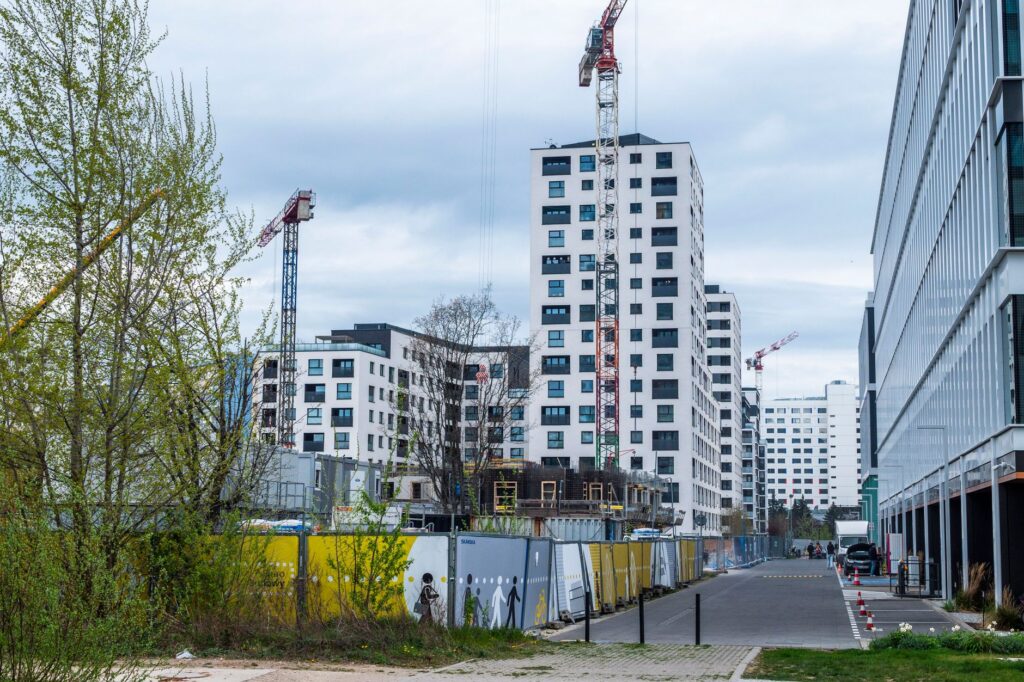
One of the cornerstones of Paul’s economic plan Nevada is a significant investment in infrastructure. This initiative seeks to improve roads, bridges, and public transportation systems, which are essential for fostering a robust Nevada economy. According to the American Society of Civil Engineers, Nevada’s infrastructure currently receives a “C” grade, indicating a pressing need for upgrades and maintenance.
Investing in infrastructure not only creates jobs, one estimate suggests that every $1 billion spent generates approximately 13,000 jobs, but it also enhances the operational efficiency of businesses. Improved transportation networks can lower shipping costs and reduce delays, directly benefiting small businesses that rely on timely deliveries. Additionally, these infrastructure enhancements can attract new businesses to Nevada, further boosting the local economy. For more details on funding sources, check out the Federal Highway Administration.
Support for Small Businesses: Empowering Local Entrepreneurs
Paul’s policies also emphasize the importance of supporting small businesses, which are the backbone of the Nevada economy. His plan includes measures such as tax incentives for startups, grants for local entrepreneurs, and streamlined regulatory processes. By reducing the bureaucratic red tape, Paul aims to create an environment where small businesses can thrive and contribute to economic growth.
According to the Small Business Administration, small businesses account for 99% of all employer firms in Nevada. By facilitating access to capital and resources, Paul’s economic plan for Nevada seeks to empower these businesses, helping them grow and create more jobs within their communities. The cumulative impact of these efforts could significantly rejuvenate local economies and stimulate a wave of entrepreneurship across the state.
Investing in infrastructure while supporting small businesses presents a dual strategy that not only addresses current challenges but also lays the groundwork for sustainable economic growth in Nevada. For further insights into these initiatives, visit Paul For Nevada’s Economic Vision for Growth.
The Expected Impact on the Nevada Economy
Paul’s economic plan Nevada aims to ignite significant growth in the state’s economy through job creation and robust workforce development initiatives. By focusing on enhancing industries that are pivotal to Nevada’s economic landscape, such as technology, renewable energy, and tourism, Paul’s policies set the stage for a more resilient and diversified economy.
Job Creation and Workforce Development
Under Paul’s economic plan Nevada, the emphasis on workforce development is paramount. By investing in education and training programs tailored to the needs of local industries, the plan seeks to equip Nevadans with the skills necessary for high-demand jobs. For instance, a partnership with community colleges and trade schools can provide specialized training in technology and renewable energy sectors, which are projected to experience significant growth.
Recent studies indicate that states that invest in workforce development see a substantial return on investment. According to the Brookings Institution, for every dollar spent on workforce development, states can expect a return of approximately $4. This suggests that Paul’s policies could lead to thousands of new jobs in Nevada, thereby reducing unemployment and stimulating local economies.
Long-term Economic Growth Projections
Looking at long-term projections, the Nevada economy stands to benefit greatly from the implementation of Paul’s economic plan. Analysts forecast that if these policies are enacted, Nevada could see a GDP growth rate of 3.5% annually over the next decade. This is significant, especially when compared to the national average of around 2% according to CNBC. This accelerated growth can be attributed to the revitalization of key sectors and the influx of investment in innovation and infrastructure.
Furthermore, studies by the University of Nevada highlight that job creation in emerging fields can contribute to a more stable and prosperous economy. By fostering an environment conducive to business growth and attracting new ventures, Paul’s economic plan can position Nevada as a leader in economic growth in the coming years.
As the state embraces these changes, it is crucial for stakeholders to collaborate and ensure that the workforce is prepared to meet the challenges and opportunities ahead. The combination of job creation and focused workforce development is essential for the future of the Nevada economy.

By prioritizing these elements in his economic strategy, Paul is not just planning for immediate gains but also laying the groundwork for sustainable economic success in Nevada. Through comprehensive workforce initiatives and targeted investments, the potential for growth is immense, making Paul’s economic plan Nevada a blueprint for prosperity.
Challenges and Criticisms of Paul’s Economic Plan Nevada
Opposition Perspectives on Paul’s Policies
While Paul’s economic plan for Nevada aims to stimulate growth and create jobs, it has faced significant opposition. Critics argue that some of his proposed policies may not align with the immediate needs of the Nevada economy. For instance, opponents point to the potential for tax cuts, suggesting that they could lead to reduced funding for essential public services, such as education and healthcare, which are vital for long-term economic stability.
Moreover, some economists express skepticism about the feasibility of rapid job creation projections. They argue that while Paul’s policies may provide short-term boosts, the long-term impacts on the labor market and overall economic health remain uncertain. Studies have shown that job growth often requires a more nuanced approach, incorporating workforce development and investment in foundational industries, rather than relying solely on tax incentives or deregulation measures.
Potential Economic Risks Associated with Paul’s Economic Plan Nevada
Another area of concern is the potential economic risks tied to Paul’s economic plan Nevada. Critics highlight the possibility of increased income inequality as a result of focused tax breaks for businesses rather than for the general population. This could exacerbate existing disparities within the state, limiting the benefits of economic growth to a small segment of the population.
Additionally, the reliance on volatile industries, such as tourism and gaming, could make the Nevada economy vulnerable to economic downturns. The COVID-19 pandemic demonstrated how quickly these sectors can be affected, leading to massive job losses and economic instability. Diversifying the economy is essential for sustainable growth, and some believe that Paul’s plan does not adequately address this need.
For a balanced view on the criticisms of Paul’s policies, you can read more in-depth articles discussing the implications and opposition perspectives Paul For Nevada’s Economic Policy: Key Insights.

Actionable Takeaways from Paul’s Economic Plan Nevada
Paul’s economic plan for Nevada outlines a comprehensive approach to boost the state’s economic growth and enhance the quality of life for its residents. However, for this plan to be truly effective, community involvement is essential. Here are some actionable steps residents can take to actively engage with the initiatives presented in the plan.
What Residents Can Do
There are several ways residents can contribute to the success of Paul’s economic plan Nevada:
- Stay Informed: Regularly check local government websites for updates on economic initiatives and policies. Engaging with platforms like the Nevada Governor’s Office of Economic Development can provide valuable insights.
- Attend Community Meetings: Participate in town halls, workshops, or forums dedicated to discussing Paul’s policies. These gatherings are an opportunity to voice concerns, ask questions, and provide feedback.
- Support Local Businesses: Economic growth starts at the grassroots level. Shop local and encourage others to do the same to strengthen the Nevada economy.
- Volunteer for Economic Development Programs: Many organizations seek volunteers for initiatives aimed at boosting local economies. Your involvement can make a significant difference in implementing effective strategies.
- Engage on Social Media: Use platforms like Facebook and Twitter to follow local leaders and economic development agencies. Engaging in discussions can raise awareness and bring attention to important issues.
Engagement Opportunities in Paul’s Economic Plan Nevada
Getting involved isn’t just limited to attending meetings or following social media. Here are additional ways to engage:
- Join Advisory Boards: Many local governments have advisory boards focused on economic initiatives. Consider applying to be a member to have a direct say in the decision-making process.
- Participate in Surveys: Local governments often conduct surveys to gather public opinion on economic policies. Your feedback can shape future decisions and strategies.
- Connect with Local Chambers of Commerce: These organizations often host events and provide resources for businesses and residents alike, focusing on economic development.
- Utilize State Resources: Visit the Nevada Department of Business and Industry website for resources and information on how you can contribute to the local economy.
Engaging with Paul’s economic plan Nevada not only empowers you as a resident but can also lead to substantial improvements in your community. Your participation is vital for fostering a robust economic environment that benefits everyone. For more information about the ongoing initiatives and how you can get involved, check local resources and community engagement platforms.

Understanding Paul’s economic plan Nevada is crucial for anyone interested in the future of the state. His focus on job creation and sustainable growth reflects a deep commitment to revitalizing the Nevada economy. By prioritizing innovation and investment in key sectors, Paul’s policies aim to foster an environment where businesses can thrive and residents can prosper.
As the discussions around economic growth continue, it’s important for Nevadans to stay informed about how these policies can impact their lives. Engaging with local community forums or policy discussions can provide valuable insight into how Paul’s economic plan Nevada will unfold. Take the next step by exploring local events or resources where you can learn more and voice your thoughts about the direction of Nevada’s economy.
“`html
What is Paul’s economic plan for Nevada?
Paul’s economic plan for Nevada focuses on fostering sustainable economic growth, improving workforce development, and enhancing infrastructure. The plan aims to create jobs and increase wages while ensuring that all Nevadans have access to opportunities. By prioritizing investments in technology and green energy, Paul seeks to modernize the Nevada economy and make it more resilient against future challenges.
How will Paul’s policies impact the Nevada economy?
Paul’s policies are designed to stimulate the Nevada economy by encouraging investment in key sectors such as renewable energy, technology, and tourism. By implementing tax incentives and support systems for local businesses, the plan aims to create a more vibrant economic landscape. With a focus on job creation and wage growth, these policies are expected to lead to a more robust and diverse economy in Nevada.
What are the main components of Paul’s economic plan?
Key components of Paul’s economic plan include investing in infrastructure, enhancing education and workforce training, and providing tax incentives for small businesses. The plan also emphasizes the importance of sustainable practices and promoting green technologies. By addressing these areas, Paul aims to create a balanced and inclusive economic environment that benefits all Nevadans.
What challenges does Paul’s economic plan face?
Paul’s economic plan faces several challenges, including potential budget constraints and political opposition. Additionally, the ongoing impacts of the COVID-19 pandemic may hinder immediate economic recovery efforts. Ensuring that the plan is adaptable to changing economic conditions will be crucial for its success. Engaging with stakeholders and the community will also be essential in overcoming these hurdles.
How does Paul’s plan support small businesses in Nevada?
Paul’s economic plan for Nevada includes specific provisions to support small businesses, such as offering tax breaks, grants, and access to low-interest loans. Additionally, the plan emphasizes reducing regulatory burdens to help small businesses thrive. By fostering an environment that encourages entrepreneurship, Paul aims to boost local economies and create new job opportunities throughout the state.
What are the long-term effects of Paul’s economic policies?
Long-term effects of Paul’s economic policies could include a more diversified and resilient Nevada economy, with increased job opportunities and higher wages for residents. By investing in education and infrastructure, these policies aim to lay a strong foundation for future economic growth. If successful, Paul’s plan could enhance the overall quality of life in Nevada and encourage sustained economic development.
“`