
Paul For Nevada housing affordability is at the forefront of discussions aimed at tackling the ongoing Nevada housing crisis. With skyrocketing living costs and insufficient affordable housing solutions, many Nevadans are struggling to find homes that fit their budgets. This article delves into the Paul For Nevada Housing Affordability Initiative, exploring the innovative strategies proposed by Paul and his team as part of the comprehensive 2026 housing plan. We will also highlight the importance of community engagement and support in driving these initiatives forward. Understanding how these efforts can pave the way for a brighter future, we will discuss the potential impact of these solutions on residents across Nevada. As we navigate the complexities of housing affordability in the state, we invite you to join the movement for affordable housing and be part of the change. Together, we can work towards solutions that ensure everyone has access to safe and affordable living conditions. For more information on the Nevada housing crisis, check out resources like the Nevada Housing Division and the Nevada Housing Coalition.
Understanding the Paul For Nevada Housing Affordability Initiative
The issue of housing affordability in Nevada has reached a critical point, with many residents struggling to find suitable living arrangements without breaking the bank. The Nevada housing crisis is evident in skyrocketing rental prices and a dwindling supply of affordable homes. This situation not only affects individuals and families but also has broader implications for the state’s economy and community stability. As we look towards solutions, it is essential to understand the urgency behind the initiatives being proposed, particularly the Paul For Nevada housing affordability initiative and its associated 2026 housing plan.
The Nevada Housing Crisis Explained
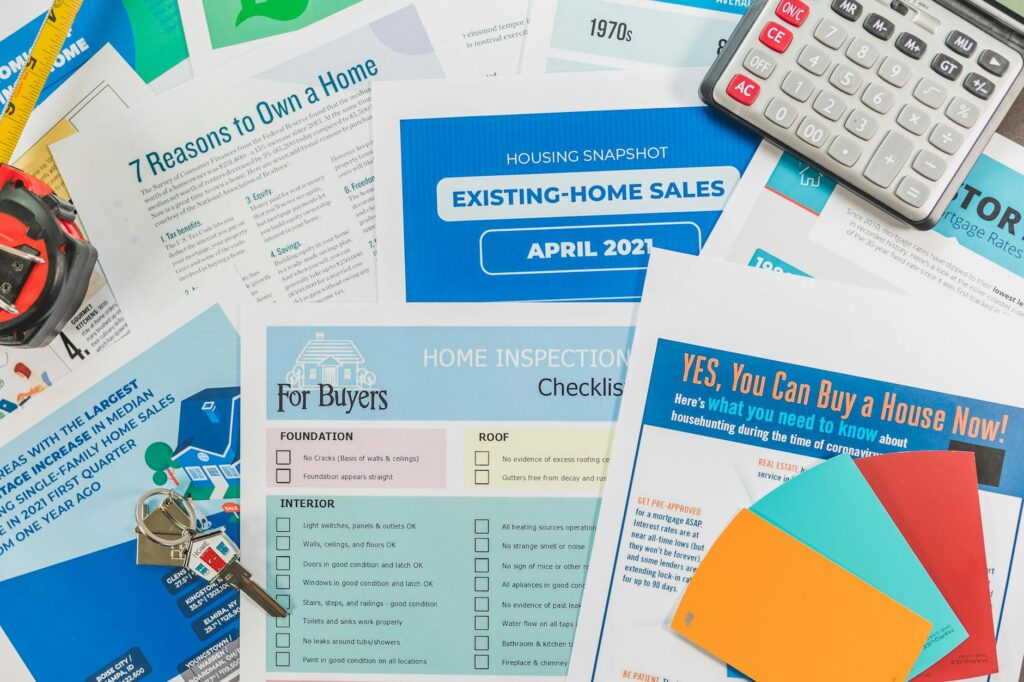
Over the past few years, Nevada has seen a significant increase in housing prices, with some areas reporting rental increases of over 30% in just a year. This surge has left many residents in precarious situations, often forced to choose between basic necessities and housing costs. According to recent data, more than 40% of renters in Nevada are spending more than 30% of their income on housing, which is considered a threshold for affordability. The challenge has intensified, highlighting the urgent need for affordable housing solutions that can make a tangible difference in the lives of Nevadans.
Key Features of the 2026 Housing Plan
The 2026 housing plan, part of the Paul For Nevada initiative, aims to tackle these pressing issues head-on. This comprehensive strategy includes a variety of measures designed to increase the availability of affordable housing across the state. Key features of the plan include:
- Incentives for developers to build affordable housing units.
- Investment in public transportation to improve access to housing options.
- Support for community land trusts that promote sustainable and affordable development.
- Increased funding for housing assistance programs to help vulnerable populations.
By focusing on these areas, the Paul For Nevada housing affordability initiative aims to create a balanced approach that not only addresses immediate housing needs but also fosters long-term stability and growth for communities throughout Nevada. As we move forward, it is crucial for residents and policymakers alike to engage in these discussions and support actionable solutions to the housing crisis.
Affordable Housing Solutions Proposed by Paul For Nevada
The Nevada housing crisis has prompted urgent discussions around affordable housing solutions, and Paul For Nevada has stepped up with a comprehensive approach. His strategies aim to address the critical need for accessible housing while ensuring that low-income families receive the support they need. Here’s a closer look at his proposals.
Increasing Housing Supply Through Paul For Nevada Housing Affordability Initiatives
One of the cornerstones of Paul For Nevada’s strategy is increasing the housing supply. This involves implementing zoning reforms that make it easier to build new homes. By reducing bureaucratic hurdles, developers can bring more housing units to the market. For instance, allowing for higher density in urban areas and mixed-use developments can lead to a quicker response to housing demands.
Additionally, Paul advocates for public-private partnerships to stimulate the construction of affordable housing. By collaborating with private developers, the state can leverage private investment to create more units while ensuring that a portion remains affordable for low-income families. This approach aligns with the goals of the 2026 housing plan, which emphasizes sustainable growth and community development.
Enhancing Support for Low-Income Families
While increasing supply is crucial, Paul For Nevada also recognizes the importance of providing financial assistance to low-income families. His proposals include expanding rental assistance programs and increasing funding for housing vouchers, which can directly help families afford their monthly rent. This financial support is vital for families struggling to make ends meet amidst rising living costs.
Moreover, Paul’s vision includes educational initiatives to help families navigate available resources. By empowering families with knowledge about housing options and financial literacy, the program aims to build long-term stability and independence, ensuring that they not only secure housing but thrive within their communities as well.
With these comprehensive affordable housing solutions, Paul For Nevada is tackling the Nevada housing crisis head-on. By focusing on both increasing the housing supply and supporting low-income families, his approach aligns seamlessly with the overarching objectives of the 2026 housing plan, paving the way for a more equitable housing landscape in Nevada.

Community Engagement and Support for Housing Initiatives
Addressing the Nevada housing crisis requires a robust community engagement strategy, and the approach advocated by Paul For Nevada housing affordability emphasizes the importance of local involvement. By fostering local partnerships and encouraging public input, we can develop effective and sustainable affordable housing solutions that truly reflect the needs of the community.
Fostering Local Partnerships
One of the most effective ways to tackle housing affordability is by building strong partnerships with local non-profits, housing organizations, and community groups. These entities have invaluable insights into the unique challenges faced by residents. Collaborating with them can help streamline resources, share knowledge, and maximize the impact of initiatives.
For example, partnering with organizations such as the Nevada Housing Division can help align the 2026 housing plan with grassroots efforts. These alliances can lead to innovative projects that address not only housing shortages but also ancillary issues such as job training and financial literacy, which are crucial for fostering long-term stability in communities.
Encouraging Public Input on Paul For Nevada Housing Affordability Initiatives
Equally important is the encouragement of public input. Engaging residents in the planning process ensures that the housing initiatives launched are tailored to their specific needs. Hosting community forums and surveys allows individuals to voice their concerns and preferences, making them feel included in the decision-making process. This participatory approach not only helps identify the most pressing issues but also fosters a sense of ownership and responsibility among residents.
Moreover, public input can shine a light on potential barriers to housing access that policymakers might overlook. This feedback loop is essential in crafting affordable housing solutions that truly serve the community. By actively listening to residents, we can create an environment where everyone feels they have a stake in the future of their neighborhoods.
community engagement is a cornerstone of effective housing initiatives. By fostering local partnerships and encouraging public input, we can ensure that the affordable housing solutions developed under the 2026 housing plan meet the real needs of Nevadans. Together, we can pave the way for a more inclusive and equitable housing landscape.

The Future of Housing Affordability in Nevada
Long-term Goals and Vision for Paul For Nevada Housing Affordability
The Nevada housing crisis is a pressing issue that demands immediate and sustained attention. The long-term goals associated with the 2026 housing plan aim to create a sustainable, equitable housing market that delivers affordable housing solutions for all residents. Key components of this vision include increasing the availability of affordable units, enhancing support for first-time homebuyers, and fostering partnerships with local governments and non-profits to implement innovative housing strategies.
To achieve these objectives, Paul For Nevada housing affordability emphasizes the importance of community engagement and responsiveness to evolving needs. The plan outlines strategies to streamline zoning laws and incentivize developers to build affordable housing units. By prioritizing smart growth and sustainable development, Nevada can work toward a future where every resident has access to safe and affordable housing.
Measuring Success of the 2026 Housing Plan
Success in addressing the Nevada housing crisis will require robust metrics and ongoing evaluation. The 2026 housing plan includes specific benchmarks to measure progress, such as the number of affordable housing units constructed, the percentage of low-income families achieving housing stability, and the effectiveness of housing assistance programs. Regular assessments will ensure that strategies are adapted as needed to meet community demands.
Moreover, transparency and accountability will play crucial roles in this initiative. Regular public reports will be shared to keep stakeholders informed about progress and challenges. The commitment to continuous improvement is essential for ensuring that the goals of Paul For Nevada housing affordability remain aligned with the needs of the community.
As we look toward the future, innovative solutions and a collaborative approach will be key in overcoming the obstacles of the Nevada housing crisis. By focusing on measurable outcomes and community involvement, we can pave the way for a more affordable and accessible housing landscape.

Call to Action: Join the Movement for Affordable Housing
The Nevada housing crisis is affecting countless families, making it essential for us to come together and advocate for change. Paul For Nevada housing affordability is not just a campaign, it’s a movement aimed at creating lasting affordable housing solutions for our communities. You can play a vital role in this important endeavor by getting involved and staying informed about ongoing initiatives.
Get Involved in Paul For Nevada Housing Affordability
Every voice counts, and your participation can make a real difference. Here are some ways you can engage:
- Participate in Community Meetings: Join local gatherings where housing issues are discussed. These meetings are a platform for you to express your concerns and contribute ideas. Keep an eye on announcements regarding upcoming sessions in your area.
- Support Local Initiatives: Look for local nonprofits and organizations advocating for affordable housing. Volunteering your time or resources can help amplify their efforts.
- Spread the Word: Share information about affordable housing solutions and the 2026 housing plan on social media. Use your platform to raise awareness about the challenges and potential solutions.
Stay Informed about Paul For Nevada Housing Affordability
Knowledge is power, and staying informed will help you advocate effectively. To receive the latest updates on housing initiatives and the goals of Paul For Nevada, consider the following:
- Subscribe to Newsletters: Sign up for newsletters that focus on housing issues in Nevada. This will provide you with news, resources, and opportunities to engage.
- Follow Local News: Keep track of local news outlets covering housing developments and policies. Websites like Nevada Business often report on pertinent housing issues.
- Join Online Forums: Engage in online communities where housing topics are discussed. Platforms like Reddit and local Facebook groups can be great places to share insights and network with others passionate about affordable housing.
Now is the time to take action. By joining the movement for affordable housing, you’re not just helping yourself, but countless others facing the challenges of the Nevada housing crisis. Together, we can push for effective affordable housing solutions that benefit everyone. Get involved, stay informed, and let’s work towards a brighter future for Nevada.
For more information on how you can contribute to this cause, check out Paul For Nevada Housing Crisis Solutions and stay active in your community. Your voice is crucial in shaping a future where everyone has access to safe and affordable housing.
As we navigate the complexities surrounding the Nevada housing crisis, it’s essential to recognize the importance of proactive initiatives. Paul For Nevada housing affordability emphasizes not only the need for immediate action but also a sustainable approach to creating affordable housing solutions. With the 2026 housing plan on the horizon, there is hope for a future where all Nevadans can find homes that fit their budgets without compromising their quality of life.
Getting involved is key to making a difference. Whether it’s reaching out to local representatives, participating in community forums, or advocating for policy changes, every action counts. By supporting Paul For Nevada housing affordability, you can play a vital role in shaping a more equitable housing landscape for everyone. Let’s work together to turn the tide on this issue and create a brighter future for our communities.
“`html
What are the main goals of Paul For Nevada housing affordability?
The main goals of Paul For Nevada housing affordability include increasing access to affordable housing, reducing homelessness, and ensuring that all Nevadans have safe and stable housing options. The initiative aims to create policies that support low- and moderate-income families, promote sustainable development, and enhance community resources. By focusing on these areas, the initiative seeks to address the challenges posed by the Nevada housing crisis, ultimately leading to a more equitable housing landscape.
How does the 2026 housing plan address the Nevada housing crisis?
The 2026 housing plan aims to tackle the Nevada housing crisis by introducing a comprehensive strategy that includes increasing the supply of affordable housing, improving zoning laws, and enhancing financial assistance programs for families in need. This plan focuses on collaboration between state and local governments, private developers, and community organizations to create a more robust housing market. By addressing both supply and demand, the 2026 housing plan strives to make housing more attainable for all Nevadans.
What affordable housing solutions are being proposed?
Proposed affordable housing solutions include the development of new multi-family units, rehabilitation of existing properties, and the implementation of inclusionary zoning policies. Additionally, the initiative emphasizes public-private partnerships to leverage resources and expertise. Financial incentives for developers to create affordable units, as well as increased funding for housing assistance programs, are also key elements in addressing the needs of the community and providing viable housing options.
How can community members get involved in housing initiatives?
Community members can get involved in housing initiatives by participating in local meetings, advocating for policies that support affordable housing, and volunteering with organizations focused on housing solutions. Engaging with local government representatives and joining advocacy groups can amplify voices in the community. Additionally, residents can support local housing programs through donations or by spreading awareness about ongoing initiatives aimed at addressing Nevada’s housing challenges.
What is the significance of increasing housing supply in Nevada?
Increasing housing supply in Nevada is crucial for alleviating the pressure of the housing crisis and ensuring that all residents have access to affordable options. A higher supply of homes can stabilize prices, reduce competition among buyers, and improve living conditions. Furthermore, expanding housing availability supports economic growth by attracting new residents and businesses, ultimately contributing to the overall well-being of communities throughout the state.
How will the success of the 2026 housing plan be measured?
The success of the 2026 housing plan will be measured through various metrics, including the number of affordable housing units created, the reduction in homelessness rates, and improvements in housing stability for low-income families. Regular assessments and reporting will be conducted to evaluate progress and identify areas for improvement. Stakeholder feedback, community engagement, and housing market analysis will also play critical roles in determining the effectiveness of the plan.
“`