What do voters need to know about Paul For Nevada education reforms? As Nevada approaches the critical 2026 election, education policy is taking center stage. Understanding the key components of the Paul education plan is essential for parents, teachers, and students alike. This article will break down the significant elements of these reforms, explore their potential impact on students, and discuss how these changes fit into the broader context of Nevada education policy. With the stakes high for the upcoming election, being informed is crucial. We will also provide insights on how you can take action to support these much-needed reforms. Get ready to dive into the specifics of Paul’s vision for Nevada’s educational landscape and what it means for the future of our children. For more information on the importance of education in Nevada, visit Nevada’s official government site. Let’s explore what lies ahead and how we can all contribute to shaping a brighter future for education in the Silver State.
Understanding Paul For Nevada Education Reforms
The Vision Behind the Reforms
Paul For Nevada education reforms aim to create a robust educational framework that prioritizes student success, teacher support, and equitable funding. His vision is rooted in the belief that every child in Nevada deserves access to quality education, regardless of their background or zip code. Paul’s education plan emphasizes innovative teaching methods, increased funding for under-resourced schools, and comprehensive support systems for both students and educators.
One of the key aspects of Paul’s vision is to enhance teacher retention. Many teachers in Nevada leave the profession due to inadequate support and resources. By addressing these challenges, Paul aims to create a more favorable working environment that encourages educators to stay and thrive in their roles. This focus not only improves teacher morale but also boosts student achievement, as experienced teachers are crucial for effective learning.
Current Challenges in Nevada’s Education System
Nevada’s education policy faces several significant challenges that necessitate urgent reform. The state ranks low in national comparisons of education quality, with issues such as overcrowded classrooms, outdated materials, and inequitable funding plaguing many districts. According to Nevada’s Department of Education, funding disparities have left many schools struggling to provide basic resources, leading to lower student performance.
Moreover, the teacher shortage crisis has reached alarming levels, with many schools unable to fill essential positions. This shortage not only affects the quality of education but also places additional stress on existing educators. As the Nevada Policy Research Institute reports, addressing teacher retention and recruitment is critical for improving student outcomes in the state.
As we approach the 2026 election education discussions, understanding Paul For Nevada education reforms is vital for voters. His reforms aim to tackle these challenges head-on, ensuring that Nevada’s education system can provide a high-quality education for all students.
For those looking to learn more about specific initiatives within Paul’s education plan and how they can contribute to a brighter future for Nevada’s youth, stay informed and engaged as the election approaches. This is not just about policies; it’s about the future of our children.
Key Components of the Paul Education Plan
As Nevada prepares for the upcoming 2026 election, the Paul education plan aims to address critical challenges in the state’s education system. Here’s a closer look at the key components of this plan, focusing on funding and teacher support.
Funding and Resource Allocation in Paul For Nevada Education Reforms
One of the central tenets of the Paul For Nevada education reforms is the reallocation of funding to ensure that resources reach the classrooms where they are needed most. This plan proposes a shift in budget priorities, emphasizing support for underfunded schools and disadvantaged communities. By increasing investment in early childhood education and special education programs, the plan aims to create a more equitable education landscape.
- Increased Funding: The plan includes a proposal for a $500 million increase in education funding over the next five years, with a focus on supplemental resources for low-income schools.
- Transparent Budgeting: Establishing a transparent budgeting process will allow communities to see how funds are allocated and advocate for necessary changes.
- Partnerships with Local Organizations: By collaborating with nonprofits, businesses, and community groups, the plan seeks to enhance resource availability and foster a supportive environment for students.
Enhancing Teacher Training and Support
Recognizing that teachers are at the heart of any successful education system, the Paul education plan emphasizes enhancing training and ongoing support for educators. The goal is to attract and retain talented teachers, particularly in underserved areas.
- Comprehensive Training Programs: Implementing robust training programs that focus on diverse teaching strategies, classroom management, and mental health awareness will be key components.
- Mentorship Initiatives: Establishing mentorship opportunities for new teachers will help them navigate the challenges of the classroom, improving retention rates in the profession.
- Regular Professional Development: Ongoing professional development workshops will ensure that teachers remain updated on the latest educational practices and technologies.
For effective implementation, community involvement will be essential. Engaging parents, local organizations, and educators in discussions about Nevada education policy will foster a more inclusive approach to reform. Together, these strategies in the Paul education plan aim to create a brighter future for Nevada students.
The Impact of Paul For Nevada Education Reforms on Students
When we talk about the future of Nevada’s educational landscape, the Paul For Nevada education reforms are at the forefront of discussions. These reforms aim to enhance student outcomes significantly, addressing pressing needs in both academic performance and mental health support. With the upcoming 2026 election education on the horizon, understanding how these proposed changes could benefit students is crucial.
Improving Student Outcomes
The Paul education plan emphasizes a comprehensive approach to improving academic performance across all grade levels. One of the key aspects of this plan is the integration of data-driven strategies that focus on personalized learning. By tailoring educational experiences to meet individual student needs, the reforms aim to elevate overall achievement. For instance, targeted tutoring programs and enhanced teacher training are set to better equip educators to meet their students’ diverse academic needs.
Moreover, addressing mental health is a central component of these reforms. With increasing awareness of the importance of mental well-being in education, the proposed initiatives include expanding access to counseling services and mental health resources in schools. This support not only fosters a healthier learning environment but also encourages students to engage more fully with their education, ultimately boosting performance.
Supporting Diverse Learning Needs with Paul For Nevada Education Reforms
Inclusivity is a vital part of the Paul For Nevada education reforms. Recognizing that students come from varied backgrounds and possess diverse learning needs, the plan advocates for policies that create equitable access to resources. This includes implementing programs specifically designed for students with disabilities and those who require additional linguistic support.
Furthermore, the reforms propose collaboration with community organizations to ensure that all students receive the support they need to thrive. Such initiatives aim to break down barriers to learning, enabling every child to reach their full potential. As we look towards the future of Nevada education policy, it’s clear that these reforms are not just about improving test scores; they are about fostering an inclusive, supportive environment where every student can succeed.

the Paul For Nevada education reforms are designed to uplift student outcomes by focusing on both academics and mental health. By promoting inclusive education that meets diverse learning needs, these reforms hold the promise of a brighter future for all students in Nevada.
Preparing for the 2026 Election Education Landscape
As we approach the 2026 election, understanding the implications of Paul For Nevada education reforms becomes crucial for informed voting. Education policy is a hot-button issue, and voters need to be clear about what’s at stake. Nevada’s education system has faced challenges, including funding disparities and performance issues. The upcoming election provides an opportunity for voters to influence the trajectory of Nevada education policy and advocate for effective reforms that address these challenges.
What Voters Should Consider
When evaluating candidates and their positions on education, consider the following key points:
- Funding Allocation: How do candidates plan to allocate funds for education? Look for commitments to equitable funding across districts, especially for underserved schools.
- Teacher Support: What measures are proposed to support teachers? A robust education plan should focus on recruitment, retention, and ongoing professional development.
- Curriculum and Standards: How do candidates envision improving educational standards? An effective Paul education plan should include clear strategies for curriculum enhancement.
- Community Engagement: Are candidates prioritizing community input in education policy? Engaged communities can drive meaningful reforms.
By scrutinizing these aspects, voters can make informed decisions that align with their values and the needs of their communities. For those interested in understanding Paul For Nevada education reforms, specific proposals and their anticipated impact should be a focal point of discussion leading up to the election.
Engaging in the Conversation
Active participation in local discussions about 2026 election education is essential. Attend town hall meetings, join community forums, and connect with local education advocates. Engaging with the community allows voters to voice their concerns and hear diverse perspectives. Resources such as the Nevada Department of Education’s website and local advocacy groups can provide valuable insights into the current education landscape and reform proposals.
Staying informed is vital. Subscribe to newsletters from education-focused organizations or follow reputable news sources covering Nevada education policy. By doing so, you can ensure that you are well-prepared to make a difference in the upcoming election.
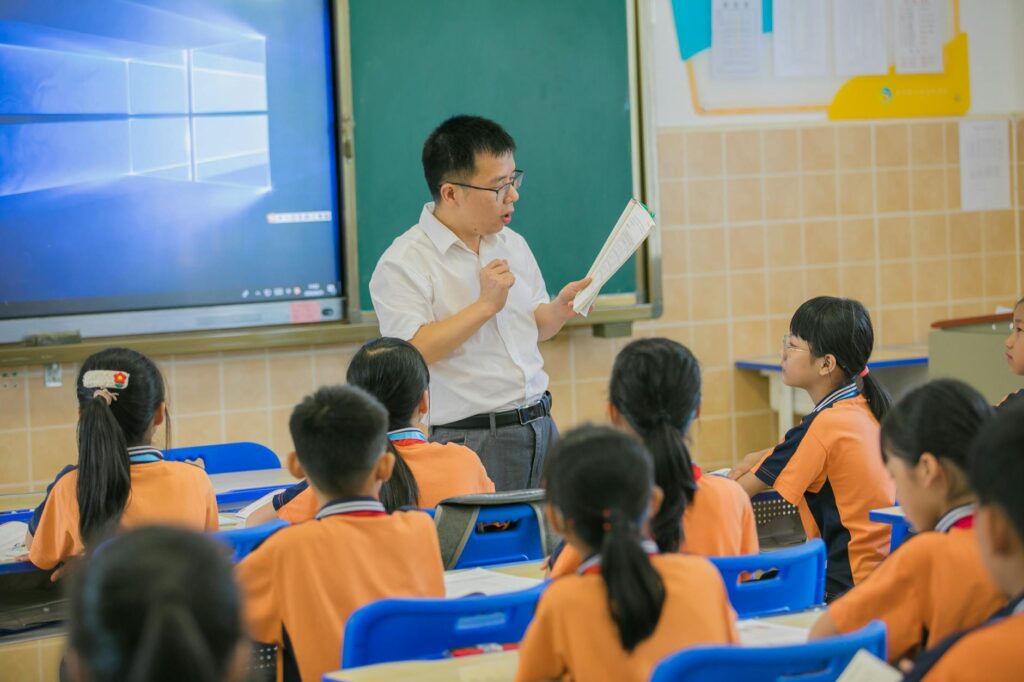
As the 2026 election approaches, making your voice heard on education reform is more important than ever. Your participation can shape the future of Nevada’s education system, ensuring it meets the needs of all students.
Taking Action: How to Support Nevada Education Reforms
As the 2026 election approaches, the conversation surrounding Nevada education reforms becomes increasingly crucial. Advocating for these changes is not just about casting a vote; it’s about actively participating in the community to ensure that effective policies, like the Paul education plan, are implemented and supported. Here’s how you can take action.
Getting Involved in Local Initiatives
One of the most impactful ways to support Paul For Nevada education reforms is by getting involved in local initiatives aimed at improving education. This can include:
- Joining Parent-Teacher Associations (PTAs): Engaging with your local PTA allows you to network with other parents and educators, share ideas, and collaborate on projects that support student success.
- Participating in School Board Meetings: Attend meetings to stay informed about local education policy changes, voice your opinions, and offer support for initiatives aligned with the Paul education plan.
- Volunteer in Schools: Offer your time to assist with tutoring, mentoring, or organizing extracurricular activities. Community involvement directly impacts student outcomes and demonstrates support for educational reforms.
Advocating for Policy Changes and Paul For Nevada Education Reforms
As a concerned citizen, advocating for policy changes is essential for shaping Nevada education policy. Here are some actionable steps:
- Contact Your Representatives: Reach out to your local and state representatives to express your support for the Paul For Nevada education reforms. Share personal stories that highlight the need for change in the education system.
- Engage in Community Campaigns: Join or support grassroots campaigns that focus on education reform. This includes attending rallies, signing petitions, and participating in forums where education issues are discussed.
- Educate Others: Share information about the importance of the Paul education plan and its potential impact on students’ futures. Use social media platforms to spread awareness and mobilize support within your community.
Community involvement in shaping Nevada’s education policy is vital. By actively engaging in initiatives and advocating for change, you can help ensure that the educational landscape in Nevada meets the needs of all students. Remember, your voice matters in the upcoming 2026 election education discussions.
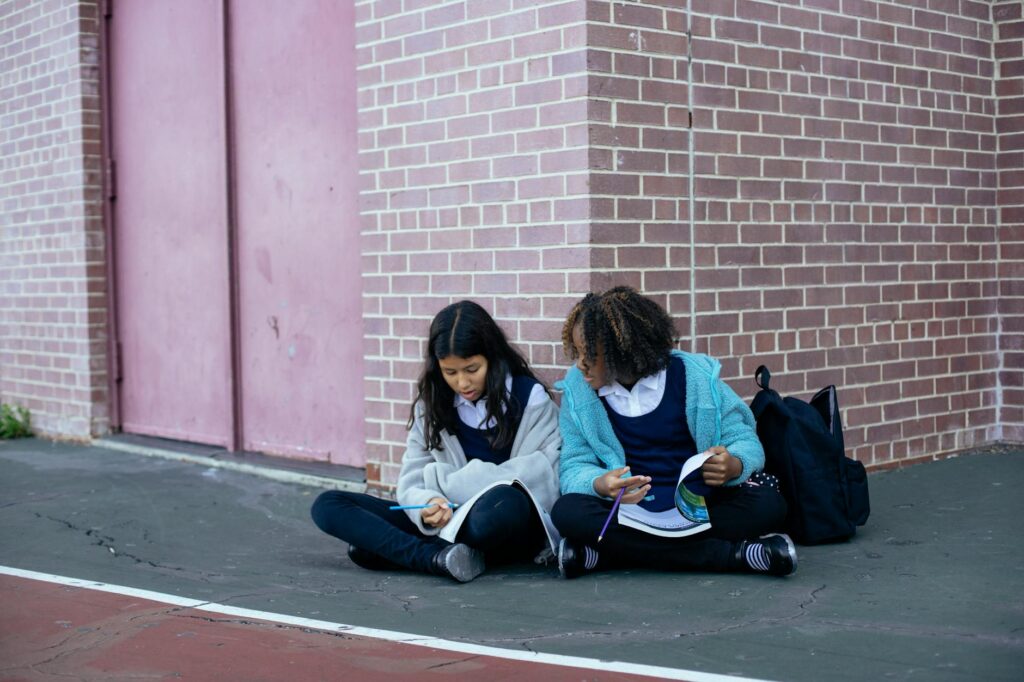
Understanding the implications of the Paul For Nevada education reforms is crucial for voters as we approach the 2026 election education cycle. With a focus on enhancing Nevada education policy, these reforms aim to address pressing issues such as funding, access, and curriculum standards. The Paul education plan promises to innovate and improve the educational landscape, ensuring that every child in Nevada has the opportunity to succeed.
To make informed decisions, voters should engage with local educational initiatives and familiarize themselves with the specifics of the proposed reforms. Whether it’s attending town hall meetings or reviewing policy briefs, your active participation is essential. Stay informed and voice your opinions, as understanding these changes will empower you to advocate for a better future in Nevada’s education system.
“`html
What are the key points of Paul For Nevada education reforms?
Paul For Nevada education reforms focus on improving educational outcomes through increased funding, enhanced teacher training, and updated curriculum standards. The plan emphasizes equity in education, aiming to provide all students, regardless of their background, with access to quality resources and learning environments. Additionally, the reforms propose enhanced support for special education and a push for innovative teaching methods to better engage students.
How will the Paul education plan affect Nevada schools?
The Paul education plan aims to positively impact Nevada schools by increasing funding for essential programs, which can lead to smaller class sizes and better resources. Schools will receive support for professional development for teachers, promoting effective teaching practices. The plan also prioritizes mental health services and academic support for students, ultimately striving to create a more conducive learning environment across the state.
What challenges does Nevada face in its education policy?
Nevada faces several challenges in its education policy, including funding disparities, high teacher turnover rates, and a significant achievement gap among students. Many schools lack adequate resources, which affects the quality of education. Additionally, there are ongoing issues with integrating technology into classrooms and addressing the diverse needs of students, particularly those from underserved communities. These challenges underscore the need for effective reforms, such as those proposed in the Paul For Nevada education reforms.
What should voters know about the 2026 election education issues?
Voters should be aware that the 2026 election will spotlight critical education issues, including funding allocations, teacher recruitment, and curriculum standards. Candidates will likely address the effectiveness of current policies and propose new reforms, making it essential for voters to understand each candidate’s stance on education. Engaging in discussions and researching candidates’ education plans, like the Paul education plan, will be crucial for informed voting.
How can I support education reforms in Nevada?
You can support education reforms in Nevada by getting involved in local advocacy groups, attending school board meetings, and voicing your opinions to elected officials. Engaging with community initiatives that promote educational equity and quality is vital. Additionally, educating yourself and others about the benefits of the Paul For Nevada education reforms can help build momentum for positive change. Consider volunteering or donating to organizations focused on education improvement.
Where can I find more information about Paul For Nevada?
For more information about Paul For Nevada, you can visit their official website, where detailed information about their education reforms, policies, and initiatives is available. Additionally, following local news outlets and social media channels will provide updates on events and developments. Engaging with community forums and discussions can also offer insights into public opinion and additional resources regarding Paul education initiatives.
“`