When it comes to tackling climate change, the Paul For Nevada climate change plan stands out as a comprehensive strategy aimed at transforming the state’s environmental landscape. This plan not only addresses urgent climate issues but also aligns with broader Nevada climate policy goals. In this article, we’ll explore the key components of the plan, including the innovative Paul environmental initiatives designed to promote sustainability and resilience. Community engagement is vital to the success of any climate action, and we will discuss how the plan encourages local participation in shaping a greener future. Additionally, we will delve into metrics and accountability measures that ensure the effectiveness of climate action in Nevada. As we look ahead, the future of climate action in Nevada hinges on the success of this plan. Join us as we outline a path forward for a sustainable Nevada, highlighting the importance of collective efforts in combating climate change.
Understanding the Paul For Nevada Climate Change Plan
Climate change is an urgent issue facing Nevada, with rising temperatures, prolonged droughts, and increasing wildfires posing significant threats to the state’s natural resources and public health. As the state grapples with these challenges, the need for a comprehensive response becomes increasingly evident. The Paul For Nevada climate change plan aims to provide a structured approach to mitigate the effects of climate change while promoting sustainable development and environmental stewardship.
The Importance of Climate Action in Nevada
Nevada is uniquely vulnerable to climate change, experiencing severe impacts on its water supply and agriculture. According to the Nevada Energy Report, the state has seen a significant increase in heat-related health issues and a decline in snowpack, which is crucial for water resources. This highlights the pressing need for effective climate action in Nevada to safeguard the future of its residents and ecosystems.
Key Objectives of the Paul For Nevada Climate Change Plan
The Paul For Nevada climate change plan outlines several key objectives aimed at addressing these environmental challenges:
- Transition to Renewable Energy: The plan emphasizes a shift towards renewable energy sources, such as solar and wind, to reduce reliance on fossil fuels and lower greenhouse gas emissions.
- Water Conservation Initiatives: Recognizing the importance of water in a desert environment, the plan includes strategies to enhance water conservation and management practices.
- Community Resilience: The plan aims to strengthen community resilience against climate impacts by investing in infrastructure and public health initiatives.
- Support for Clean Technology: The plan encourages the development and adoption of innovative technologies that promote sustainability, aligning with broader Nevada climate policy.
Through these objectives, the Paul environmental initiatives aim to create a sustainable future for Nevada while addressing the immediate threats posed by climate change. By focusing on actionable solutions, the Paul For Nevada climate change plan not only aims to protect the environment but also enhance the quality of life for all Nevadans. For more insights on supporting local climate action, visit Paul For Nevada Climate Change Plan: Key Initiatives.
Paul Environmental Initiatives: What They Entail
The Paul For Nevada climate change plan lays out a comprehensive strategy aimed at combating climate change through various environmental initiatives. Among the most significant aspects of this plan are its ambitious renewable energy goals and sustainable transportation solutions. These initiatives not only seek to reduce greenhouse gas emissions but also to align closely with broader climate action in Nevada.
Renewable Energy Goals in the Paul For Nevada Climate Change Plan
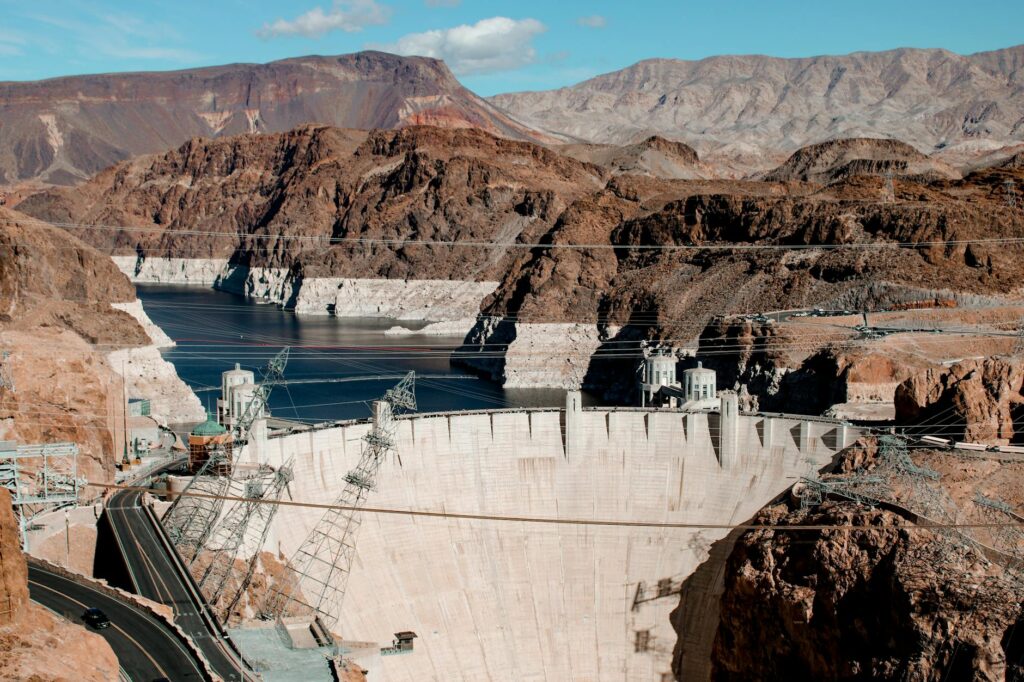
Transitioning to renewable energy sources is a cornerstone of the Paul environmental initiatives. The plan sets a target to achieve 50% renewable energy by 2030, focusing on solar and wind power as key contributors. This goal is ambitious but achievable, given Nevada’s abundant natural resources. According to the U.S. Department of Energy, Nevada already ranks among the top states for solar energy production. By investing in solar technology, Nevada can significantly reduce its reliance on fossil fuels and lower emissions.
Additionally, Nevada’s current renewable portfolio standard encourages utilities to invest in clean energy, fostering a competitive market that can lead to innovation and cost reductions. The Nevada Energy website provides more information on current initiatives and how they align with Paul’s vision.
Sustainable Transportation Solutions in the Paul For Nevada Climate Change Plan
Another critical component of the plan focuses on sustainable transportation solutions. The initiative aims to promote electric vehicles (EVs) and expand charging infrastructure statewide. With an increased emphasis on public transportation options, the goal is to reduce the number of gas-powered vehicles on the road, thereby cutting down on emissions. The Nevada Department of Transportation is actively working to support these efforts through various programs and incentives.
By enhancing public transportation and incentivizing the use of electric vehicles, Nevada can significantly improve air quality and reduce its carbon footprint. This aligns perfectly with the state’s Nevada climate policy, showcasing how the Paul For Nevada climate change plan integrates various strategies to foster a cleaner and more sustainable future.
These initiatives represent a commitment to proactive climate action in Nevada, demonstrating how comprehensive planning can lead to meaningful change.
Community Engagement in the Paul For Nevada Climate Change Plan
Community engagement is a cornerstone of the Paul For Nevada climate change plan. Local communities possess unique insights into their environments, and their active participation is vital for crafting effective solutions to climate challenges. By involving residents, the plan aims to foster a collective commitment to sustainability, ensuring that climate action is not just a top-down initiative but a grassroots movement.
Involving Local Communities
Local communities can play a significant role in the implementation of the Paul For Nevada climate change plan. Opportunities for involvement include community forums, volunteer programs, and collaborative projects aimed at enhancing local ecosystems. Residents can participate in tree planting initiatives, clean-up drives, and energy conservation programs, which not only help mitigate climate change but also strengthen community bonds. Through these efforts, individuals can directly contribute to Nevada climate policy and see the tangible impacts of their actions.
Moreover, outreach programs will be established to identify community leaders who can champion climate initiatives. This grassroots approach helps tailor solutions to specific local needs, ensuring that everyone has a stake in Nevada’s environmental future. Paul For Nevada Climate Change Policies Explained
Educational Programs and Resources
Education is another critical component of the Paul For Nevada climate change plan. By implementing comprehensive educational programs, the plan aims to raise awareness about climate issues and promote sustainable practices. Schools, local organizations, and community centers will host workshops, seminars, and resource fairs to inform residents about climate action in Nevada.
These programs will cover various topics, including renewable energy, waste reduction, and the importance of biodiversity. Additionally, resources such as online toolkits and informational guides will be made available to empower individuals to adopt more sustainable lifestyles. With these initiatives, the plan not only addresses immediate environmental concerns but also fosters a culture of long-term stewardship among Nevadans. Paul For Nevada Climate Change Policy: A Comprehensive Plan
the Paul For Nevada climate change plan emphasizes the importance of community involvement and education as essential components of effective climate action. By bringing together local voices and resources, the plan aims to create a more resilient Nevada prepared to face the challenges of climate change.

Measuring Success: Metrics and Accountability
To effectively combat climate change, the Paul For Nevada climate change plan emphasizes a structured approach to measuring success through clear metrics and accountability measures. By establishing a robust framework, we can ensure that the ambitious goals outlined in the plan are not only set but also achieved.
Tracking Progress on Climate Goals
One of the key aspects of the Paul For Nevada climate change plan is the implementation of measurable objectives. These metrics will encompass a variety of factors, including:
- Greenhouse Gas Emissions: Regular assessments of emissions levels will be conducted to track reductions over time, aligning with Nevada’s climate policy goals.
- Renewable Energy Adoption: Metrics will measure the percentage of energy sourced from renewable resources, with a target of reaching 50% by 2030.
- Energy Efficiency Improvements: Tracking the implementation of energy-efficient technologies in homes and businesses will be crucial for evaluating progress.
These metrics will allow stakeholders to monitor the effectiveness of Paul environmental initiatives and make necessary adjustments to strategies as needed. Regular reporting and analysis will ensure that the community remains informed about our progress in climate action Nevada.
Ensuring Transparency and Accountability in the Paul For Nevada Climate Change Plan
Transparency is vital in fostering public trust and engagement. The Paul For Nevada climate change plan will require annual public reports detailing progress against the established metrics. This commitment to transparency supports accountability, enabling citizens to hold policymakers responsible for achieving the set goals.
Furthermore, an independent oversight committee will be established to review progress and provide recommendations. This committee will consist of climate experts, community leaders, and representatives from various sectors of society, ensuring diverse perspectives are considered in assessing the effectiveness of Nevada climate policy.
By instituting these measures, the Paul For Nevada climate change plan aims to create a more sustainable future while engaging the community in the fight against climate change. Paul For Nevada Climate Change Policies: A Comprehensive Plan

The Future of Climate Action in Nevada
Long-term Vision for Sustainability in the Paul For Nevada Climate Change Plan
The Paul For Nevada climate change plan lays out a comprehensive long-term vision for sustainability that addresses the unique environmental challenges facing the state. Central to this vision is a commitment to reducing greenhouse gas emissions by transitioning to renewable energy sources, enhancing public transportation, and promoting energy efficiency in homes and businesses. This approach aligns with broader Nevada climate policy goals aimed at fostering a resilient and sustainable future.
One key aspect of this vision involves the integration of advanced technologies, such as smart grids and energy storage systems, to optimize energy use. By investing in these innovative solutions, Nevada can not only reduce its carbon footprint but also create new job opportunities in the burgeoning clean energy sector.

Collaboration with Stakeholders in the Paul For Nevada Climate Change Plan
Implementing the Paul For Nevada climate change plan requires collaboration among various stakeholders, including government agencies, businesses, and non-governmental organizations (NGOs). Engaging these groups ensures that diverse perspectives are considered, fostering holistic and inclusive strategies for climate action in Nevada.
Partnerships with local businesses can drive the adoption of Paul environmental initiatives, such as sustainable agriculture practices and waste reduction programs. Additionally, working with NGOs can help raise awareness and mobilize community support for climate action initiatives.
- Establishing cross-sector coalitions will enhance resource sharing and innovation.
- Public-private partnerships can accelerate infrastructure improvements and investment in clean technologies.
- Engaging communities in local sustainability efforts will empower residents and create lasting change.
Through these collaborative efforts, Nevada can achieve its sustainability goals and lead by example in the ongoing fight against climate change. This unified approach is essential for effective climate action in Nevada and beyond.
Conclusion: A Path Forward for Nevada
The challenges posed by climate change are significant and multifaceted, demanding a comprehensive approach to ensure the well-being of our communities and ecosystems. The Paul For Nevada climate change plan presents a robust strategy aimed at fostering resilience, promoting sustainable practices, and leading the state towards a greener future. Throughout this article, we explored how this plan integrates innovative solutions that align with contemporary Nevada climate policy and emphasizes the importance of community engagement and collaboration.
Key components of the Paul environmental initiatives include advancing renewable energy, enhancing water conservation methods, and investing in green infrastructure. By prioritizing these strategies, Nevada can effectively address its unique climate challenges while simultaneously creating jobs and boosting the local economy.
Moreover, the plan encourages active participation from every resident, urging citizens to engage with climate action Nevada initiatives and advocate for sustainable practices in their daily lives. Whether it’s adopting energy-efficient technologies or supporting local conservation efforts, every action counts in the fight against climate change.
As we look ahead, it is essential for Nevadans to support the Paul For Nevada climate change plan and its implementation. By doing so, we can collectively pave the way for a sustainable future that honors our natural resources and protects our communities. Engage with local organizations, participate in public discussions, and stay informed about the ongoing and upcoming initiatives. Together, we can make a significant impact on our environment and ensure a healthier planet for future generations.
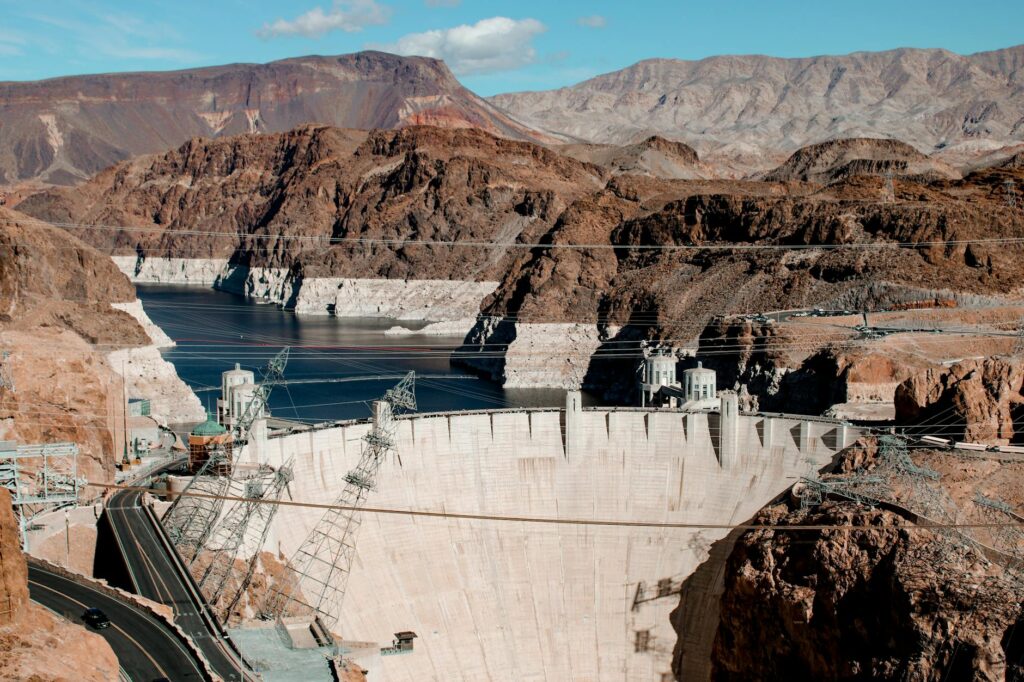
The “Paul For Nevada climate change plan” presents a robust framework for addressing the pressing issues related to climate change. By focusing on sustainable practices and innovative solutions, this plan aims to align with the latest Nevada climate policy and promote a healthier environment for future generations. Key initiatives under Paul’s leadership emphasize collaboration between communities and industries, showcasing how collective efforts can drive meaningful climate action Nevada.
As we navigate the challenges of climate change, it’s crucial to stay informed and engaged. Supporting Paul environmental initiatives can pave the way for a greener Nevada. To contribute to this movement, consider getting involved in local climate action groups or advocating for policies that align with these goals. Every effort counts in building a sustainable future, so let’s join hands and take action together.
“`html
What is the Paul For Nevada climate change plan?
The Paul For Nevada climate change plan is a comprehensive strategy aimed at addressing the impacts of climate change within the state. It focuses on reducing greenhouse gas emissions, promoting renewable energy, and enhancing community resilience. The plan integrates various environmental initiatives and policies to create a sustainable future for Nevada, emphasizing collaboration among government, businesses, and citizens.
What are the main goals of Nevada climate policy?
The main goals of Nevada climate policy include reducing carbon emissions, increasing renewable energy production, and improving energy efficiency across the state. Additionally, the policy aims to promote sustainable land use practices and protect natural resources, ensuring that Nevada can adapt to the changes brought by climate change while fostering economic growth and community well-being.
How can local communities participate in Paul environmental initiatives?
Local communities can engage in Paul environmental initiatives by participating in public forums, workshops, and volunteer programs. These opportunities allow residents to voice their concerns, contribute ideas, and take part in projects related to sustainability and climate action. Additionally, communities can collaborate with local governments and organizations to implement initiatives that align with the Paul For Nevada climate change plan.
What renewable energy sources are included in the climate action Nevada plan?
The climate action Nevada plan emphasizes the use of various renewable energy sources, including solar, wind, and geothermal energy. By harnessing these resources, Nevada aims to significantly reduce its reliance on fossil fuels and lower overall greenhouse gas emissions. The plan also promotes investments in renewable technologies to support a sustainable energy future for the state.
How will the success of the climate change plan be measured?
The success of the Paul For Nevada climate change plan will be measured through a combination of metrics, including reductions in greenhouse gas emissions, increases in renewable energy usage, and improvements in air and water quality. Regular assessments and reports will be conducted to evaluate progress and make necessary adjustments to ensure the plan’s effectiveness in achieving its goals.
What educational programs are part of the Paul For Nevada climate change plan?
The Paul For Nevada climate change plan includes various educational programs designed to raise awareness about climate issues and sustainability practices. These programs target schools, community organizations, and local governments, providing resources and training to promote environmental stewardship. By fostering a culture of sustainability, these educational efforts aim to empower individuals to take action in their communities.
“`