
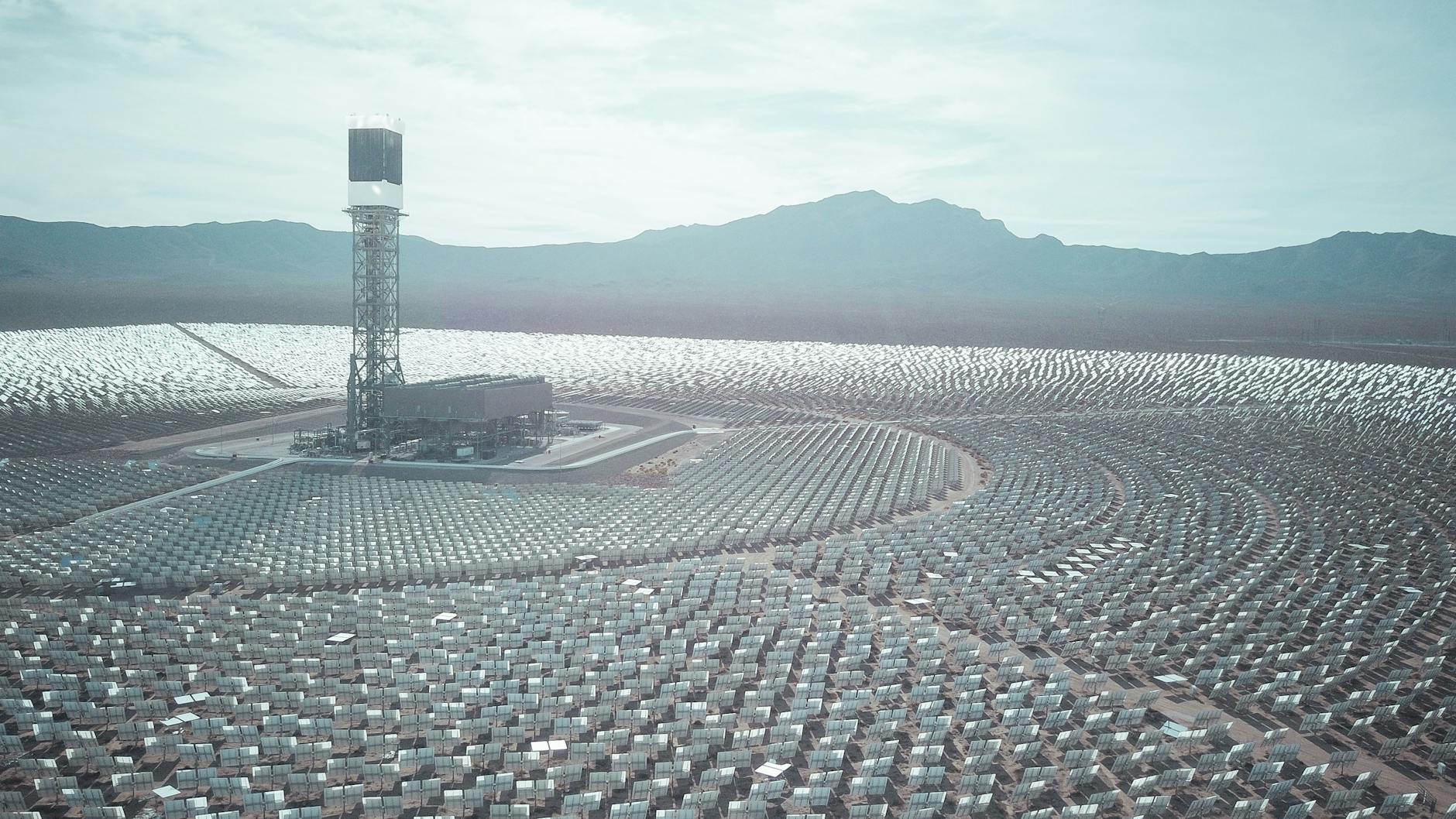
When it comes to addressing the challenges posed by energy shortages, Nevada energy sector strategies are emerging as vital lifelines for the state. With increasing demand and changing climate conditions, understanding the need for effective energy adaptation strategies is crucial for ensuring a sustainable energy future. This article delves into key Nevada energy sector strategies for resilience, highlighting innovative approaches that can bolster the state’s energy infrastructure. We will explore the importance of community involvement in energy crisis response, illustrating how local initiatives can enhance Nevada energy resilience. Additionally, we will address counterpoints to energy sector adaptation, ensuring a well-rounded perspective on the issues at hand. Finally, this piece serves as a call to action for stakeholders and residents alike, urging collective efforts to secure a stable energy future for Nevada. Join us as we explore the various facets of the state’s energy landscape and the strategies that can pave the way forward. For more insights, check out resources from the U.S. Department of Energy and NV Energy.
Understanding the Need for Nevada Energy Sector Strategies
The Current Landscape of Energy Shortages
Nevada stands at a crossroads in its energy journey, facing significant challenges exacerbated by rising energy demands and environmental changes. As one of the fastest-growing states, the need for energy continues to surge, particularly during peak seasons when air conditioning units become a necessity. Unfortunately, this increasing demand collides with the reality of an aging energy infrastructure and a reliance on fossil fuels that are not sustainable in the long term. The U.S. Department of Energy has highlighted how infrastructure disparities can lead to energy shortages, particularly in regions like Nevada, where the population growth outpaces energy supply enhancements.
Moreover, environmental factors such as prolonged droughts and extreme weather events, which are becoming all too common, further strain the system. These issues demand immediate attention, making the need for innovative Nevada energy sector strategies critical for the state’s future energy security.
Why Adaptation is Essential
Implementing effective energy adaptation strategies is not just a choice; it’s a necessity for ensuring Nevada’s long-term energy resilience. The state must pivot towards diversified energy sources, including solar, wind, and geothermal, to mitigate the risks associated with energy shortages. As the Nevada Energy initiative demonstrates, tapping into renewable resources not only helps to reduce dependency on traditional energy sources but also enhances sustainability.
Critics may argue that transitioning to renewable energy is costly and time-consuming, but the reality is that the initial investment will yield substantial long-term savings and environmental benefits. Additionally, a proactive approach to energy crisis response can prevent the disruptions that lead to economic losses and reduced quality of life for Nevadans. By embracing Nevada energy sector strategies that prioritize resilience and adaptability, the state can effectively navigate the complexities of future energy demands while safeguarding its natural resources.
Key Nevada Energy Sector Strategies for Resilience
Nevada Energy Sector Strategies: Investing in Renewable Energy Solutions
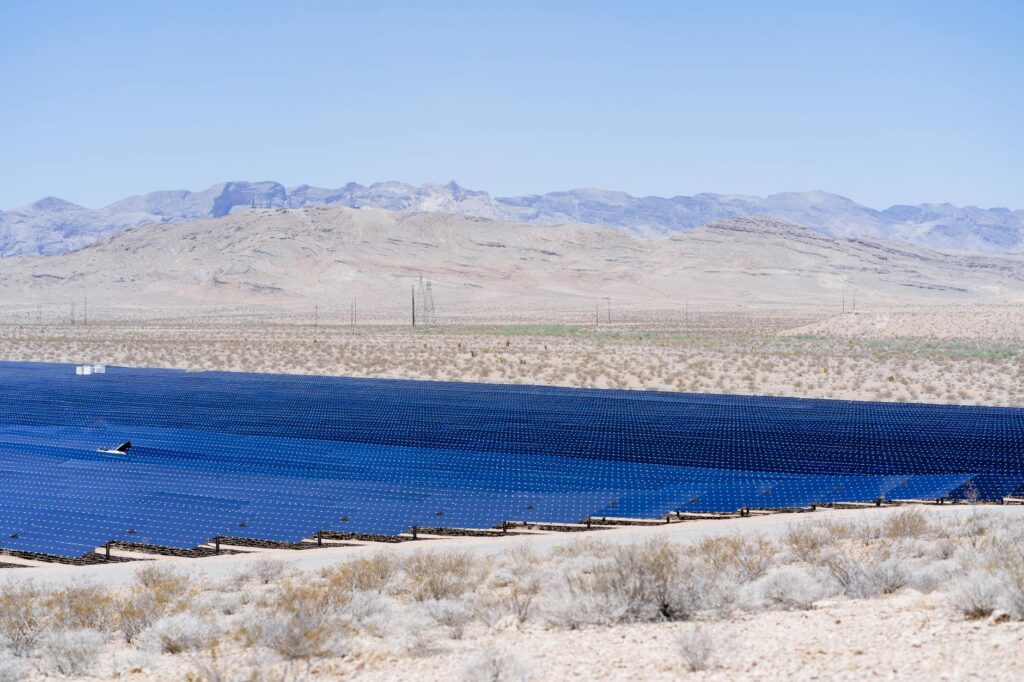
The path to a resilient energy future in Nevada undeniably hinges on our investment in renewable energy solutions. With abundant sunlight and wind currents, Nevada is uniquely positioned to lead the charge in solar and wind energy production. According to the U.S. Department of Energy, Nevada ranks among the top states for solar energy potential. By accelerating investment in solar farms and wind installations, we can significantly reduce our dependence on fossil fuels and enhance Nevada’s energy resilience.
Moreover, tapping into innovative technologies like energy storage systems and smart grids will further bolster our renewable energy capabilities. With advancements in battery technology, we can store excess energy generated during peak production hours for use during times of high demand. This not only ensures a stable energy supply but also aligns with effective energy adaptation strategies to combat potential shortages.
Enhancing Energy Efficiency Practices
In addition to renewable energy investments, enhancing energy efficiency practices across buildings and industries is crucial for a robust energy crisis response. According to the U.S. Environmental Protection Agency, improving energy efficiency can reduce consumption by up to 30%. This means that by simply implementing energy-efficient appliances and retrofitting existing structures, Nevada can drastically lower its overall energy demand.
Furthermore, the integration of smart technologies in homes and businesses can optimize energy usage in real-time, leading to significant cost savings and reducing strain on the energy grid. Programs designed to incentivize energy-efficient upgrades can also promote community engagement, fostering a culture of sustainability. Ultimately, these Nevada energy sector strategies not only mitigate the risks associated with energy shortages but also pave the way for a greener, more sustainable future.

by prioritizing investments in renewable energy and enhancing energy efficiency practices, Nevada can establish a resilient energy sector capable of weathering future challenges. As we face increasing energy demands, these strategies will serve as the backbone of our energy infrastructure, ensuring that we are not only prepared for the future but are also leading the way in sustainable energy practices. Embracing these changes is essential for the well-being of our communities and the health of our planet.
Community Involvement in Energy Crisis Response
As the Nevada energy sector grapples with growing shortages, the importance of community involvement in energy crisis response cannot be overstated. Engaging local stakeholders in decision-making processes is essential for developing effective Nevada energy sector strategies. By fostering collaboration between government agencies, businesses, and residents, we can create tailored solutions that enhance Nevada’s energy resilience.
Engaging Local Stakeholders in Nevada Energy Sector Strategies
Engaging local stakeholders is vital for identifying unique challenges and opportunities within each community. This engagement can take various forms, such as town hall meetings, community forums, and advisory panels that include diverse voices, from environmental advocates to business leaders. By incorporating feedback from these stakeholders, policymakers can devise energy adaptation strategies that reflect the specific needs of the community.
Moreover, local governments can partner with utilities to establish programs that incentivize energy conservation and the use of renewable resources. For instance, implementing demand response programs that allow residents to shift their energy usage during peak hours can not only alleviate strain on the grid but also lead to cost savings for consumers. By actively involving residents in these initiatives, we can cultivate a sense of ownership and responsibility toward energy consumption.
Building Public Awareness and Education
Another crucial aspect of community involvement is building public awareness and education around energy conservation and adaptation strategies. Effective public awareness campaigns can inform residents about the importance of reducing energy consumption and adopting sustainable practices. Initiatives such as workshops, social media campaigns, and informational resources can help residents understand how they can contribute to energy crisis response efforts.
Education empowers individuals to make informed choices about their energy usage, fostering a culture of conservation. For instance, simple actions like using energy-efficient appliances or participating in local solar programs can significantly impact energy demand. When residents are informed and engaged, they become active participants in the conversation about Nevada’s energy future.
the path toward a more resilient energy future in Nevada hinges on community involvement in crisis response. By engaging local stakeholders and building public awareness, we can implement effective Nevada energy sector strategies that not only address current shortages but also prepare us for future challenges. A united community effort is essential to navigate the complexities of our energy landscape, ensuring that all voices are heard, and that sustainable practices are adopted.
Addressing Counterpoints to Nevada Energy Sector Strategies
While the proposed Nevada energy sector strategies offer promising avenues for enhancing energy resilience, some critics voice valid concerns about economic feasibility and technological limitations. Addressing these counterpoints is essential to foster a constructive dialogue on sustainable energy adaptation in our state.
Economic Concerns Regarding Renewable Projects
One of the primary objections raised against these energy adaptation strategies is the perceived high cost of implementing renewable energy projects. Critics argue that the initial investment for solar and wind infrastructure can be prohibitive, especially for state budgets already stretched thin. However, this perspective overlooks several successful funding models that have emerged. For instance, Nevada has seen a significant increase in private investment in solar energy, with projects like the Mount Hope Solar Project contributing to a more diversified energy portfolio without placing the entire financial burden on taxpayers.
Moreover, as the cost of renewable technologies continues to decline, the long-term savings on operational costs and environmental benefits can outweigh the initial investments. A report from the Lawrence Berkeley National Laboratory highlights that solar and wind energy are now among the cheapest sources of electricity in many parts of the United States. With this trend, Nevada can position itself as a leader in cost-effective energy crisis response.
Technological Limitations in Implementation
Another concern pertains to the technological barriers faced when transitioning to renewable energy sources. Critics argue that the current grid infrastructure may not support widespread adoption of intermittent energy sources like solar and wind. However, advancements in battery storage and smart grid technology are rapidly addressing these issues. For instance, Nevada has begun integrating energy storage systems, which allow excess energy to be stored and used during peak demand times. This not only enhances Nevada energy resilience but also makes it feasible to rely more on renewable sources.
while concerns about economic and technological limitations are valid, they are not insurmountable. By leveraging successful funding strategies and embracing technological advancements, Nevada can effectively implement its energy adaptation strategies. As we confront the challenges of the future, it is vital to remain proactive and open to innovative solutions that will secure a sustainable energy landscape for generations to come.

Conclusion: A Call to Action for Nevada’s Energy Future
Nevada stands at a critical juncture in its energy landscape, facing challenges that demand immediate and effective action. As we’ve explored throughout this article, implementing proactive Nevada energy sector strategies is essential for addressing shortages and ensuring a sustainable future. With renewable energy sources such as solar and wind on the rise, the potential for a resilient energy framework is within reach, but only if we embrace comprehensive energy adaptation strategies.
From enhancing grid infrastructure to investing in community-based solar projects, the strategies we’ve discussed are not just theoretical, they are actionable steps that can lead to significant improvements in our energy resilience. However, it’s crucial to recognize that these efforts require public support and advocacy. Residents must engage with local initiatives aimed at promoting sustainable practices and energy efficiency. This is not just an issue for policymakers; it is a community challenge that calls for grassroots involvement.
Some may argue that transitioning to renewable energy sources can be costly or disruptive. Yet, the long-term benefits far outweigh these concerns. By investing in clean energy, we can reduce our dependence on fossil fuels, lower greenhouse gas emissions, and create jobs in the burgeoning green economy. Moreover, a robust energy crisis response system will better prepare us for unforeseen events, ensuring that our communities remain powered and resilient.
As we look to the future, the potential for Nevada’s energy sector is immense. But realizing this potential hinges on our collective commitment to sustainable energy practices. Let us champion Nevada energy sector strategies that prioritize not only our current needs but also the well-being of future generations. Engage with local projects, advocate for renewable policies, and educate others about energy conservation. Together, we can forge a path to a more resilient and sustainable energy future for all Nevadans.

Implementing effective Nevada energy sector strategies is crucial for addressing current and future energy demands. By focusing on energy adaptation strategies, Nevada can enhance its energy resilience, ensuring that communities are better prepared for potential energy shortages. These strategies not only equip the state to handle fluctuations in energy supply but also foster sustainable growth in the sector.
As Nevada continues to refine its energy crisis response mechanisms, individuals and businesses can play a role by advocating for and adopting these strategies within their own practices. Engaging with local initiatives or supporting policies aimed at improving energy efficiency can make a significant impact. By taking these steps, we can collectively contribute to a robust and sustainable energy future for Nevada.
“`html
What are the main challenges facing Nevada’s energy sector?
Nevada’s energy sector faces several challenges, including increasing demand for electricity, aging infrastructure, and the need to integrate more renewable energy sources. Additionally, the state experiences extreme weather conditions that strain the grid. The transition from traditional energy sources to renewable options also poses regulatory and financial hurdles, making it essential to develop effective Nevada energy sector strategies to address these issues and ensure a stable energy supply.
How can Nevada improve its energy resilience?
Improving Nevada’s energy resilience involves diversifying energy sources, investing in grid modernization, and enhancing energy storage technologies. By adopting smart grid technologies, the state can better manage energy distribution and reduce outages. Additionally, the implementation of energy adaptation strategies, such as demand response programs and community solar initiatives, will help boost local energy reliability and efficiency.
What renewable energy sources are best for Nevada?
Nevada boasts abundant solar and geothermal resources, making these the most promising renewable energy sources for the state. The vast desert landscapes provide ample sunlight for solar farms, while geothermal energy can be harnessed from the state’s volcanic activity. Wind energy also presents opportunities, particularly in the northern regions. Implementing these resources effectively can lead to significant reductions in greenhouse gas emissions and bolster the local economy.
What role do communities play in energy crisis response?
Communities play a crucial role in energy crisis response by engaging in local energy planning and advocating for sustainable practices. Local governments can implement energy efficiency programs and promote community-based renewable projects. By fostering public awareness and collaboration among residents, communities can develop tailored energy adaptation strategies that address specific needs and vulnerabilities, enhancing overall resilience during energy shortages.
How can individuals contribute to energy adaptation strategies?
Individuals can contribute to energy adaptation strategies by adopting energy-efficient appliances, reducing energy consumption, and supporting local renewable energy initiatives. Participating in community solar programs or advocating for policies that promote clean energy can also drive change. By making informed choices and reducing their carbon footprint, individuals play a vital role in enhancing Nevada’s energy resilience and sustainability.
What funding options are available for renewable energy projects in Nevada?
Nevada offers various funding options for renewable energy projects, including state incentives, federal grants, and low-interest loans. Programs like the Nevada Renewable Energy Program provide financial assistance to developers and homeowners. Additionally, federal tax credits, such as the Investment Tax Credit (ITC), can significantly reduce the upfront costs of solar installations. Exploring these funding avenues is essential for promoting sustainable energy solutions in the state.
“`