
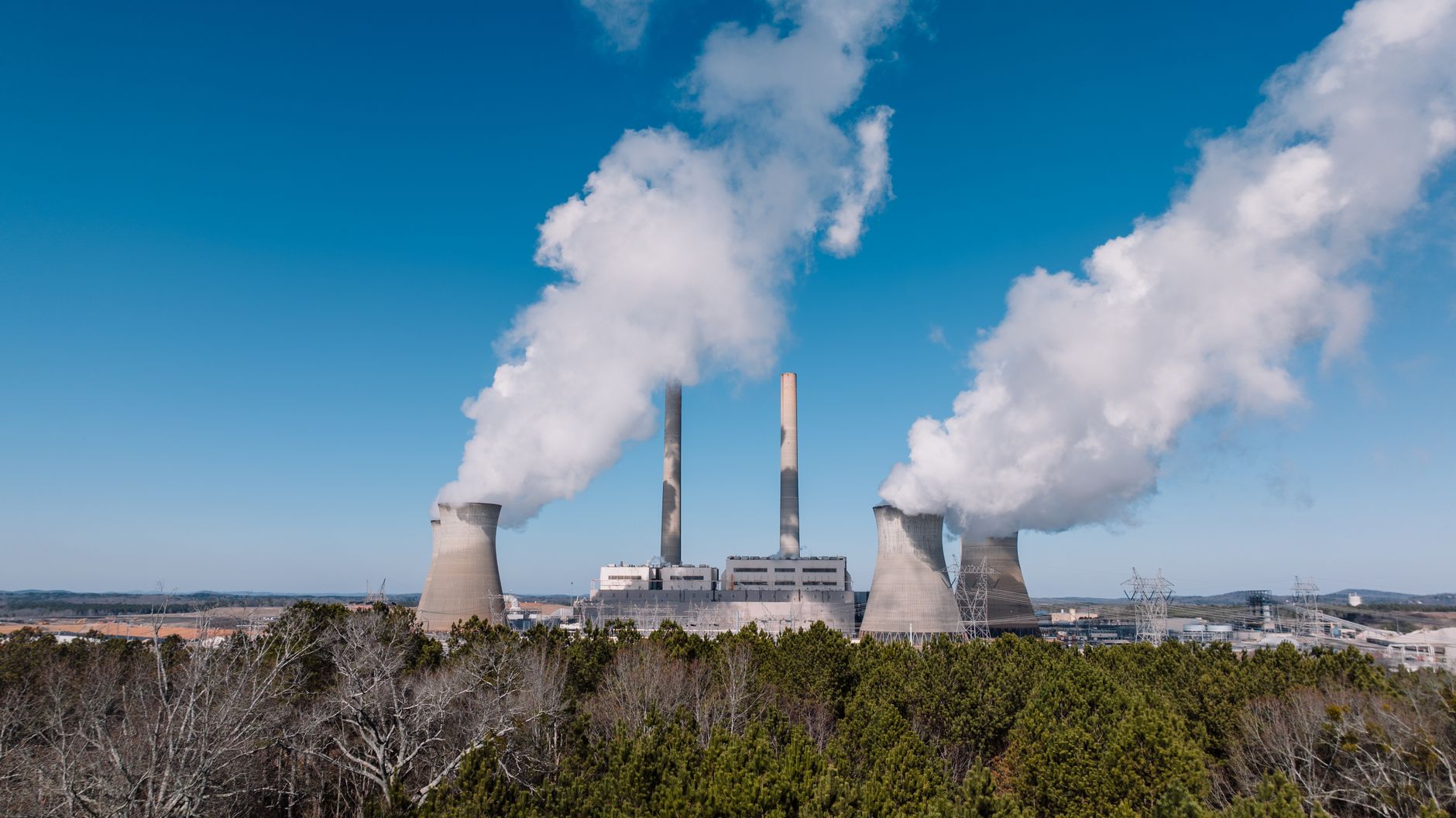
The debate of natural gas vs renewable energy is heating up in Nevada, as policymakers and residents alike grapple with the future of the state’s energy landscape. With the increasing demand for sustainable solutions, understanding the pros and cons of various fuel sources has never been more crucial. This article explores the fundamentals of natural gas and renewable energy, delving into the current state of energy policy in Nevada and how it shapes electricity generation. We’ll analyze the economic implications of these two energy options and their potential impacts on the state’s future. As we navigate through the energy debate in Nevada, we aim to help you make an informed choice about what fuels our homes and businesses. Whether you’re a resident, a business owner, or simply curious about energy policy, this conversation about natural gas vs renewable energy is essential for Nevada’s energy future. For more detailed insights, visit resources like the U.S. Department of Energy or the Nevada Energy website.
Natural Gas vs Renewable Energy: Understanding the Basics
What is Natural Gas?
Natural gas is a fossil fuel primarily composed of methane, and it plays a significant role in Nevada’s energy landscape. As a cleaner-burning alternative to coal, natural gas is used extensively for electricity generation and heating. In fact, it accounted for approximately 50% of Nevada’s electricity generation in recent years, according to data from the U.S. Energy Information Administration. This reliance on natural gas has made it a focal point in the ongoing energy debate, as stakeholders weigh its benefits against the environmental impact of fossil fuels.
What Are Renewable Energy Sources?
Renewable energy sources, such as solar and wind, harness natural processes to generate power without depleting resources or contributing to greenhouse gas emissions. Nevada is particularly well-suited for solar energy due to its abundant sunshine, making it one of the leading states for solar electricity generation in the country. Wind energy also plays a part, although to a lesser extent, contributing to the state’s diverse energy portfolio. As policymakers and energy advocates engage in discussions about the future of Nevada’s energy mix, the comparison of natural gas vs renewable energy is increasingly pertinent. Understanding both fuel sources is essential for developing effective energy policy that prioritizes sustainability while meeting the state’s growing energy demands.

The Current State of Energy Policy in Nevada
Natural Gas Policies
Nevada’s energy policy has long included a strong emphasis on natural gas as a primary fuel source for electricity generation. The state relies significantly on natural gas plants, which supplied approximately 65% of Nevada’s electricity in 2022 according to the California Energy Commission. This reliance is supported by legislation, such as the Nevada Energy Choice Initiative, which encourages competition among utility providers and aims to enhance the state’s energy landscape.
Additionally, the state’s Natural Gas Utility Act provides a regulatory framework that facilitates the development and maintenance of natural gas infrastructure. However, with the growing focus on reducing greenhouse gas emissions, the debate surrounding natural gas vs renewable energy has intensified. The state has set ambitious goals to reduce carbon emissions by 28% by 2025, creating a complex landscape for natural gas policies.
Renewable Energy Initiatives
On the other hand, Nevada has emerged as a leader in renewable energy initiatives. The state boasts an abundance of solar resources, with the Nevada Solar Energy Association reporting that solar energy accounted for around 28% of the state’s electricity generation in 2022. Under the Renewable Portfolio Standard (RPS), utilities are required to obtain a specific percentage of their energy from renewable sources, with a target of 50% by 2030.
Furthermore, the state offers various incentives for renewable energy adoption, such as tax credits and rebates for solar installations. This progressive energy policy not only supports the transition to cleaner fuel sources but also aligns with Nevada’s commitment to sustainability. As the energy debate continues, the implications of these policies will shape the future of energy generation in Nevada, making the choice between natural gas vs renewable energy more critical than ever.

Electricity Generation: Natural Gas vs Renewable Energy
The debate surrounding natural gas vs renewable energy is particularly relevant in Nevada today, as the state navigates its energy future amidst climate concerns and evolving energy policies. With the push for cleaner energy sources, understanding the efficiency and reliability of different fuel sources is crucial for Nevada’s electricity generation landscape.
Efficiency and Reliability of Natural Gas
Natural gas power plants have long been lauded for their efficiency and reliability. According to the U.S. Energy Information Administration, as of 2022, natural gas accounted for approximately 43% of Nevada’s electricity generation, making it the dominant energy source in the state. Natural gas plants can ramp up production quickly to meet peak demand, providing a stable energy supply that is often less intermittent than renewable sources like solar and wind. This reliability is especially critical during the hot summer months when air conditioning use spikes.
Moreover, natural gas plants typically have a thermal efficiency of around 50%, which is higher compared to many renewable energy systems that, while sustainable, may not provide continuous power generation due to weather variations. This ensures that natural gas remains a key player in Nevada’s energy mix as the state works to balance its grid.
The Growing Role of Renewables in Electricity Generation
Despite the advantages of natural gas, renewable energy is increasingly carving out its niche in Nevada’s electricity generation. The state has made significant investments in solar energy, which accounted for about 22% of the total electricity generation in 2022. This growth is driven by Nevada’s abundant sunshine and supportive energy policies aimed at transitioning towards a cleaner energy future. Wind and geothermal energy also contribute to the state’s renewable portfolio, albeit to a lesser extent.
While renewable sources are generally less reliable on their own, advancements in energy storage technology are helping to mitigate some of these challenges, allowing for better integration into the grid. As Nevada continues to explore options in the energy debate, balancing the immediate reliability of natural gas with the long-term sustainability of renewables will be vital.
As we look ahead, the question of natural gas vs renewable energy will shape not only Nevada’s energy policy but also its economic and environmental landscape. Striking the right balance will require collaboration among stakeholders, innovative solutions, and a commitment to sustainable development.
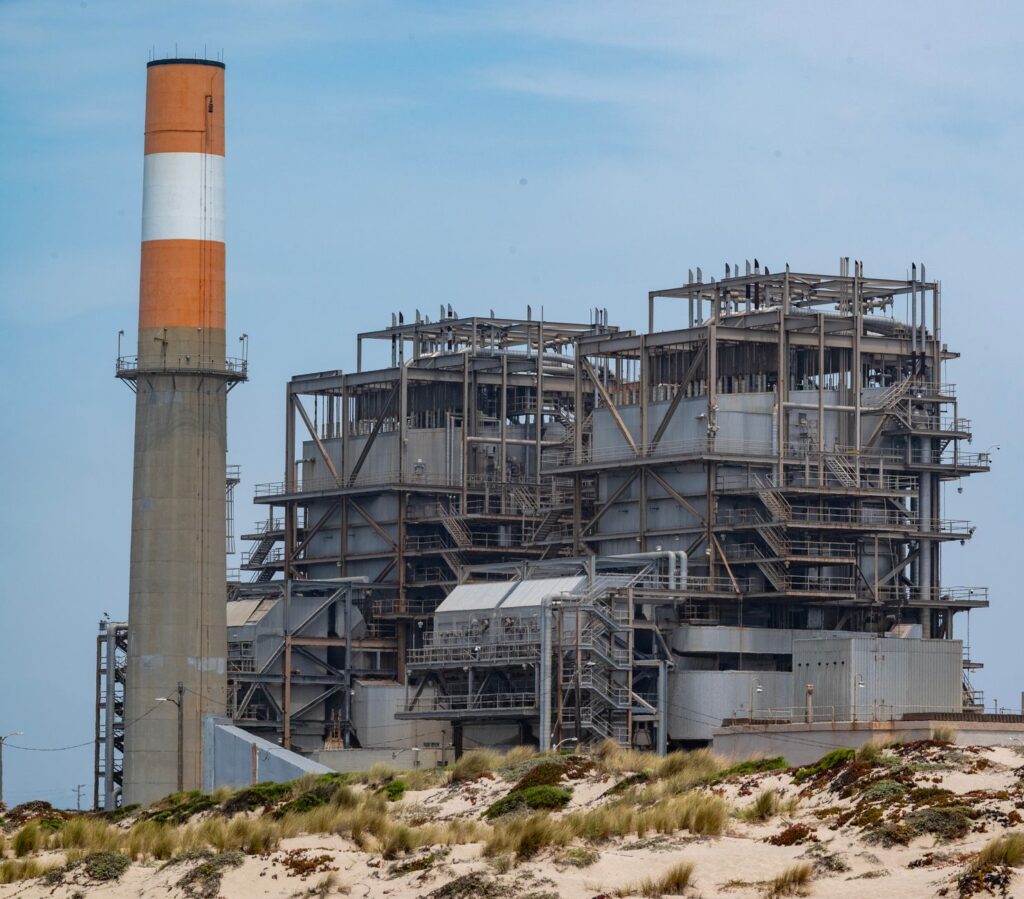
Economic Implications of Natural Gas vs Renewable Energy
Cost Analysis of Natural Gas vs Renewable Energy
The economic implications of choosing between natural gas and renewable energy are profound, especially for Nevada. As of 2023, the cost of natural gas has been relatively low, making it an attractive option for electricity generation. The U.S. Energy Information Administration (EIA) reports that natural gas prices have stabilized, often coming in under $3 per million British thermal units (MMBtu) source. This affordability allows utilities to keep electricity rates competitive, benefiting local economies.
However, it’s essential to consider the long-term costs associated with natural gas, including environmental regulations and the volatility of fossil fuel prices. As the energy debate heats up, the financial implications of transitioning to renewable energy sources, such as solar and wind, become increasingly clear. The initial investment for renewable infrastructure is higher, but operational costs are typically lower, leading to potential savings over time.
Investment in Renewable Energy
Investing in renewable energy not only aligns with sustainable energy policy but also creates significant job opportunities. According to the National Renewable Energy Laboratory, the solar and wind sectors employed over 400,000 workers in the U.S. in 2020, a number that continues to grow. For Nevada, transitioning to renewables can stimulate local job markets while reducing reliance on imported fuel sources.
Moreover, renewable energy projects often enhance local economies through increased tax revenues and infrastructure improvements. As Nevada continues to explore its energy future, the balance between natural gas vs renewable energy will not only impact electricity generation but also the overall economic landscape of the state.

Future Outlook: The Energy Debate in Nevada
Trends in Renewable Energy Adoption
Nevada has emerged as a frontrunner in renewable energy adoption, particularly in solar and wind power. As of 2023, the state generates over 30% of its electricity from renewable sources, with ambitious goals to reach 50% by 2030. This shift is largely driven by favorable state policies and an increasing public demand for cleaner energy options. The Nevada Clean Energy Standard mandates substantial investments in renewable infrastructure, making it easier for businesses and homeowners alike to transition to sustainable energy solutions.
Furthermore, technological advancements are making renewables more efficient and cost-effective. The price of solar energy has dropped significantly in the past decade, and innovations in energy storage are addressing reliability concerns. This trend highlights the growing viability of renewable energy as a primary electricity generation source, prompting a crucial discussion in the ongoing energy debate: is Nevada ready to fully commit to renewables, or will natural gas remain a staple in its energy portfolio? Paul For Nevada Renewable Energy Initiatives Explained
The Role of Natural Gas Moving Forward in the Natural Gas vs Renewable Energy Debate
Natural gas has historically served as a bridge fuel, offering a cleaner alternative to coal while supporting the transition to renewables. However, as the demand for greener fuel sources escalates, the role of natural gas in Nevada’s energy landscape is being re-evaluated. While it currently accounts for about 60% of the state’s electricity generation, reliance on natural gas poses risks, such as fluctuating prices and environmental concerns associated with extraction and transportation.
Looking ahead, the implications of continuing this reliance could be significant. A prolonged dependency on natural gas may hinder investment in renewables and delay achieving climate goals. Conversely, a strategic pivot towards renewable energy could position Nevada as a leader in sustainable practices, attracting investment and fostering job creation in the green sector. The energy policy decisions made today will shape the state’s energy future, making the natural gas vs renewable energy debate not just a matter of preference, but a critical component of Nevada’s economic and environmental strategy. Paul For Nevada’s Renewable Energy Vision for 2026

Making the Right Choice for Nevada’s Energy Future
Policy Recommendations for Natural Gas vs Renewable Energy
As Nevada stands at a crossroads in its energy journey, the decision between natural gas and renewable energy has never been more critical. Policymakers should focus on creating a balanced energy policy that maximizes the benefits of both fuel sources while minimizing environmental impacts. This includes incentivizing investment in renewable energy technologies like solar and wind, which align with Nevada’s abundant natural resources. For instance, the state could enhance tax credits for solar panel installation and streamline the permitting process for wind farms. Additionally, establishing a clear timeline to phase down dependence on natural gas will encourage utilities to explore cleaner alternatives.
Moreover, regulatory frameworks should promote energy efficiency programs aimed at reducing consumption, which can significantly lower greenhouse gas emissions. Policymakers can also support research in energy storage technologies that are essential for integrating renewable energy into the grid. By prioritizing these strategies, Nevada can lead the nation in sustainable energy practices while also addressing the immediate concerns surrounding electricity generation and supply stability.
Community Involvement in the Energy Debate
Community engagement is crucial in shaping Nevada’s energy future. Residents should be encouraged to participate in discussions about energy policy and the implications of choosing between natural gas vs renewable energy. Hosting public forums and workshops can facilitate this engagement, allowing citizens to voice their concerns and preferences. Local governments and organizations can collaborate to educate communities on the benefits and costs associated with different energy sources. By fostering an inclusive dialogue, Nevada can ensure that its energy strategies reflect the values and priorities of its residents.
Ultimately, the decisions made today will have lasting effects on the state’s environmental health and economic stability. As Nevadans assess their options, it is essential to understand that their voices matter in the energy debate. Together, they can steer the state toward a more sustainable and resilient energy future.

The ongoing energy debate between natural gas vs renewable energy in Nevada presents a complex landscape for policymakers and citizens alike. While natural gas remains a reliable fuel source for electricity generation, the increasing push for renewables reflects a growing commitment to sustainable energy policy. The choice between these options isn’t just about current needs; it also shapes the future of energy in the state.
As Nevada continues to explore its energy options, understanding the implications of this energy debate is crucial. The transition towards renewable sources can lead to a more sustainable and resilient energy system, while natural gas can provide the stability needed during this shift. To stay informed and actively participate in Nevada’s energy landscape, consider engaging with local energy discussions and advocating for balanced energy policy that promotes both reliable and clean electricity generation.
“`html
What are the benefits of natural gas in Nevada?
Natural gas offers several benefits for Nevada, including lower greenhouse gas emissions compared to coal and oil, making it a cleaner fossil fuel option. It also provides a reliable energy source, supporting electricity generation during peak demand. Natural gas infrastructure is well-established in Nevada, which facilitates its use for heating, cooking, and power generation. Additionally, it can be a cost-effective solution in the short term, contributing to energy stability while the state transitions to more renewable options.
How does renewable energy impact electricity generation?
Renewable energy significantly impacts electricity generation by providing cleaner alternatives to fossil fuels. In Nevada, solar and wind power are leading sources of renewables, which reduce dependency on natural gas and other fuels. These sources are essential in diversifying the energy mix, improving grid resilience, and lowering emissions. However, the intermittent nature of renewables requires effective storage solutions and backup systems to ensure consistent electricity generation, which is a critical aspect of the ongoing energy debate.
What is the current energy policy in Nevada?
Nevada’s current energy policy emphasizes a transition towards renewable energy, aiming for 50% renewable energy by 2030, as outlined in the state’s Renewable Portfolio Standard. This policy supports investments in solar, wind, and other renewable sources, while also addressing energy efficiency and conservation measures. The state is also focused on reducing greenhouse gas emissions, promoting electric vehicle adoption, and implementing programs that facilitate the integration of renewables into the grid.
Which fuel source is more cost-effective?
The cost-effectiveness of fuel sources can vary based on market conditions, infrastructure, and technology advancements. Currently, natural gas tends to be more cost-effective than renewables for electricity generation due to its established infrastructure and lower short-term costs. However, the price of renewable energy, especially solar, has been decreasing significantly, making it increasingly competitive. Long-term projections suggest that as technology improves and economies of scale are realized, renewables may become the more cost-effective option in the natural gas vs renewable energy debate.
What are the environmental impacts of natural gas and renewables?
Natural gas, while cleaner than coal, still contributes to greenhouse gas emissions and potential methane leaks, which can negate some of its environmental benefits. Renewables, on the other hand, have minimal operational emissions and help combat climate change. However, their production and installation can impact land use and wildlife. Overall, transitioning to renewables is seen as a crucial step in reducing environmental impacts and promoting a sustainable energy future for Nevada.
How is Nevada transitioning towards renewable energy?
Nevada is actively transitioning towards renewable energy through state policies, financial incentives, and infrastructure investments. The Nevada Clean Energy Fund supports solar and wind projects, while utilities are required to meet renewable energy targets. The state also promotes energy efficiency programs and encourages public participation in renewable initiatives. This transition is vital for reducing reliance on fossil fuels, ensuring energy security, and addressing climate change, making Nevada a leader in the renewable energy landscape.
“`