

Natural gas energy Nevada is emerging as a pivotal player in the state’s energy landscape, offering a reliable source of power amid evolving energy demands. As Nevada looks to balance its energy transition, understanding the role of the Nevada gas supply becomes essential. This article explores the significance of natural gas energy in shaping Nevada’s future, delving into the viability of natural gas alternatives and assessing how they fit within the broader context of sustainability. We’ll also discuss the energy transition Nevada is undergoing, focusing on the delicate balance between meeting current energy needs and pursuing greener initiatives. Critiques of natural gas energy will be addressed, providing a comprehensive view of the debates surrounding this resource. By the end, you’ll have a clearer understanding of how a balanced approach can guide Nevada towards a sustainable and efficient energy future. Join us as we navigate this crucial topic for Nevada’s energy landscape.
The Importance of Natural Gas Energy in Nevada’s Future
Natural Gas as a Reliable Energy Source
As Nevada grapples with its energy future, natural gas energy Nevada emerges as a cornerstone for reliable and efficient energy production. Unlike some renewable sources that can be intermittent, natural gas offers a consistent supply, making it an excellent partner in the state’s energy transition. This reliability is crucial, especially in a state where tourism and economic activities depend heavily on a stable energy supply. According to NV Energy, natural gas accounts for approximately 70% of Nevada’s electricity generation, emphasizing its pivotal role in our current energy landscape.
Additionally, natural gas is more efficient than many coal alternatives, producing about 50% less carbon dioxide when burned. As Nevada aims for ambitious climate goals, the shift to cleaner energy sources while still ensuring reliability is essential. Many see natural gas energy Nevada not just as a transitional fuel but as a fundamental component of the state’s long-term energy strategy, balancing economic growth with environmental responsibility.
The Current State of Nevada’s Gas Supply
The current status of Nevada’s gas supply is indicative of the state’s commitment to maintaining a robust energy infrastructure. Recent reports show that Nevada has a reliable gas supply network, with major pipelines bringing in natural gas from neighboring states, ensuring that demand is met even during peak periods. With the state’s population and energy needs growing, the importance of maintaining and enhancing this supply cannot be overstated.
According to the U.S. Energy Information Administration, Nevada’s natural gas consumption has been steadily increasing, reflecting a broader trend in energy consumption patterns. While some advocate for a rapid transition to natural gas alternatives, such as wind and solar, it is essential to recognize that a balanced approach is vital. The Nevada gas supply is not only about meeting current needs but also about laying the groundwork for future energy demands.
While there are valid concerns regarding over-reliance on fossil fuels, the facts suggest that natural gas can play an essential role in the energy transition Nevada is currently undergoing. It can serve as a bridge, providing the necessary stability while renewable technologies continue to develop and mature.
It is clear that natural gas energy Nevada is not just a temporary solution to current energy demands; it is a critical player in shaping a sustainable, reliable, and economically viable energy future for the state. As we move forward, embracing natural gas as part of a diversified energy portfolio will be crucial for ensuring that Nevada remains a leader in both environmental stewardship and economic growth.
Natural Gas Alternatives: Are They Viable for Nevada?
As Nevada looks to the future, the question of whether natural gas alternatives can effectively replace or supplement natural gas energy in Nevada is becoming increasingly critical. While options like solar and wind energy are often touted as cleaner and more sustainable, their viability depends on several factors, including efficiency, cost, and infrastructure.
Comparing Natural Gas and Renewable Options
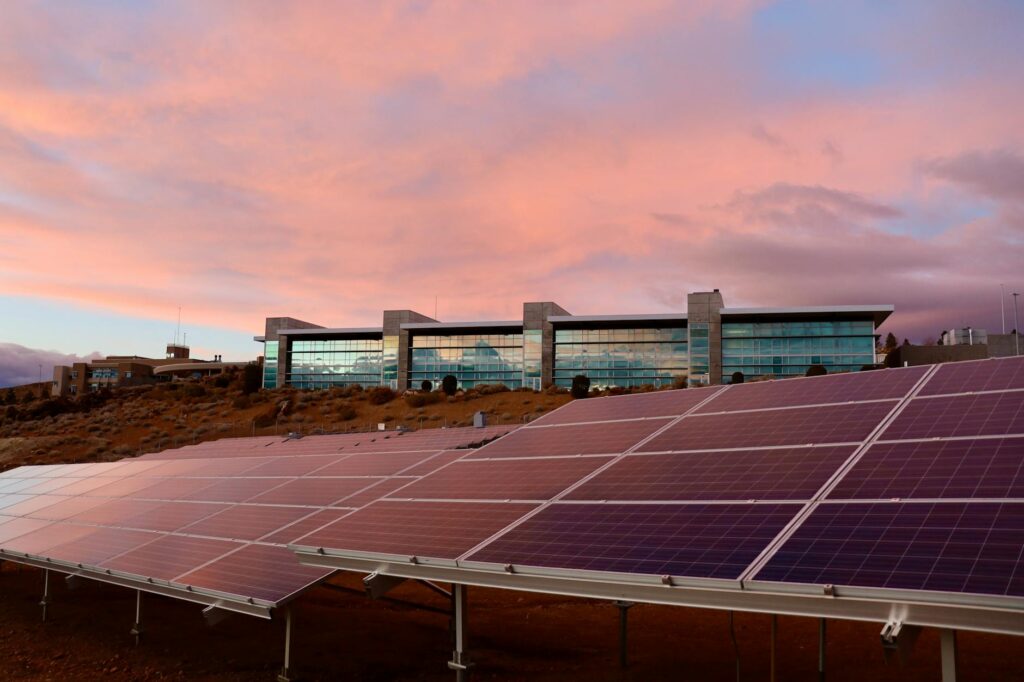
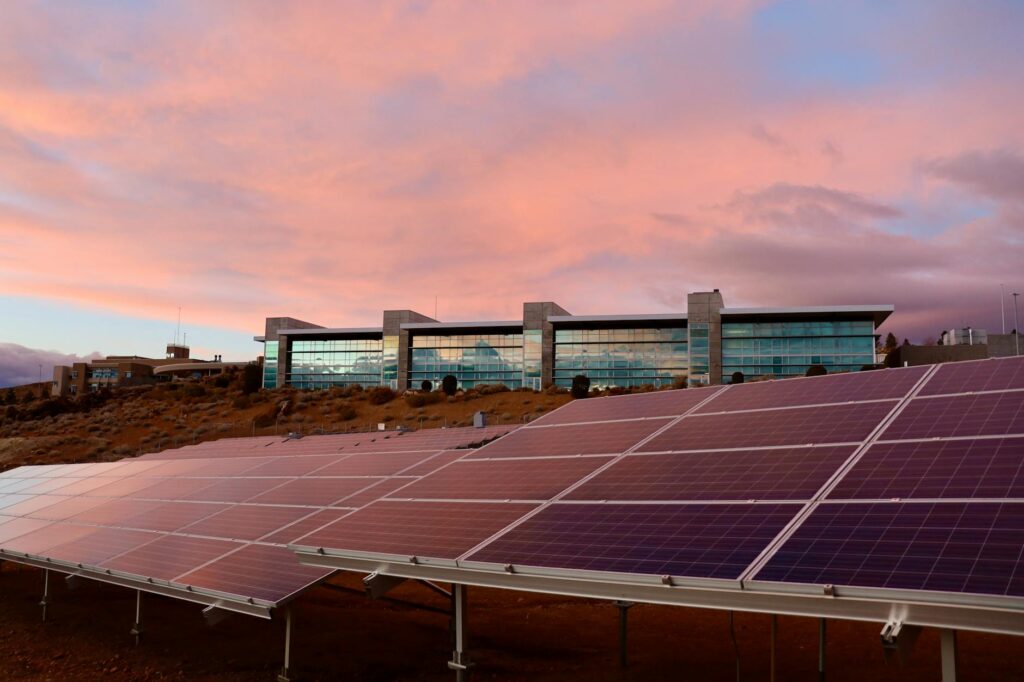
Natural gas has been a cornerstone of Nevada’s energy supply, providing reliable electricity at comparatively lower costs. However, renewable options such as solar and wind energy are gaining traction. According to the U.S. Department of Energy, Nevada ranks among the top states for solar energy potential, thanks to its abundant sunlight. In fact, solar energy could meet a significant portion of the state’s energy needs, especially when paired with advancements in battery storage technology.
Wind energy, while less prevalent in Nevada compared to solar, also presents a viable alternative. The state has areas with high wind potential that could be harnessed. However, both solar and wind face challenges in terms of efficiency and grid integration. Unlike natural gas, which can provide a steady supply of energy, renewables are intermittent and require robust infrastructure to store and distribute energy effectively. This raises concerns about reliability and potential disruptions in the Nevada gas supply.
Furthermore, the initial costs of transitioning to renewable energy can be substantial, creating a barrier for widespread adoption. While the long-term savings are significant, the upfront investment may deter some stakeholders from making the switch. For a deeper dive into the pros and cons of renewables, check out this insightful resource: The Future of Energy Supply in Nevada: Challenges Ahead.
Barriers to Adoption of Alternatives
The energy transition in Nevada is not without its hurdles. Regulatory frameworks, existing infrastructure, and public perception all play a role in how quickly natural gas alternatives can be adopted. For instance, existing natural gas facilities are deeply integrated into the state’s energy landscape, making it difficult to shift to renewables without substantial investment in new technologies and grid enhancements.
Moreover, while the environmental benefits of solar and wind are clear, local communities may resist changes that could disrupt their current energy systems or lead to job losses in traditional energy sectors. Balancing these concerns with the need for sustainability will be crucial as Nevada moves forward.
Ultimately, while natural gas alternatives like solar and wind energy present exciting possibilities for Nevada, significant barriers must be addressed. The effectiveness of these options will depend on strategic planning, investment, and community buy-in. As we navigate this energy transition in Nevada, it is essential to weigh the benefits of embracing renewable sources against the stability and familiarity offered by natural gas energy in Nevada.
Energy Transition Nevada: Balancing Sustainability and Demand
The Role of Natural Gas in the Energy Transition
Nevada is at a crossroads as it navigates the complex landscape of energy transition. With an ambitious goal to achieve 100% carbon-free energy by 2050, the state is under pressure to reduce emissions while still meeting the growing demands of its consumers. This is where natural gas energy Nevada plays a pivotal role. As a cleaner-burning fossil fuel, natural gas serves as a reliable bridge in the transition toward renewable energy sources.
Natural gas has a lower carbon footprint compared to coal and oil, making it a more sustainable choice for power generation. The Nevada gas supply is critical in ensuring that energy needs are met during peak demand periods, especially as the state incorporates more intermittent renewable sources like solar and wind. By utilizing natural gas power plants as backup during fluctuations in renewable output, Nevada can maintain grid stability while gradually phasing in cleaner alternatives.
Moreover, the affordability of natural gas makes it an attractive option for consumers. As electricity rates fluctuate, having a stable source of natural gas can help keep costs contained, ensuring that energy remains accessible for all Nevadans. Reports from organizations like NV Energy highlight how integrating natural gas into the energy mix can support the transition while protecting consumers from sudden price spikes associated with renewable energy dependency.
Future Projections for Nevada’s Energy Landscape with Natural Gas Energy
Looking ahead, the future energy needs of Nevada will undoubtedly require a balanced approach. The state’s population is projected to grow, increasing the demand for reliable energy. According to California Energy Commission, the western U.S. will see significant energy demand spikes, and Nevada will not be exempt. This situation necessitates a thoughtful consideration of how natural gas can complement the state’s renewable energy initiatives.
While some advocate for a complete shift toward natural gas alternatives, such as hydrogen or battery storage, these technologies are still in their infancy. Transitioning too quickly away from natural gas could lead to energy shortages and higher costs for consumers. Therefore, a gradual and strategic energy transition in Nevada is essential to ensure both sustainability and demand are adequately balanced. NV Energy’s renewable initiatives support this notion, emphasizing a phased approach that integrates natural gas within the renewable framework.
while the ambitious goals of an energy transition Nevada may be commendable, the reality is that natural gas energy Nevada remains a crucial component in achieving these targets. By balancing sustainability with consumer demand, Nevada can ensure a stable energy future that prioritizes both environmental responsibility and economic viability.
Counterpoints: Critiques of Natural Gas Energy in Nevada
While the advocacy for natural gas energy in Nevada is prevalent, it’s essential to scrutinize the critiques surrounding this energy source. Concerns about its environmental impact, economic viability, and the availability of natural gas alternatives warrant serious consideration.
Environmental Concerns
One of the primary critiques of relying on natural gas energy in Nevada is its environmental footprint. Although natural gas burns cleaner than coal, it is not without its issues. Methane emissions, a potent greenhouse gas, can occur during extraction, transportation, and distribution. According to the EPA, methane is over 25 times more effective at trapping heat in the atmosphere compared to carbon dioxide over a 100-year period. This significantly undermines the perceived benefits of natural gas as a cleaner energy source.
Furthermore, the extraction processes such as hydraulic fracturing can lead to water contamination and disrupt local ecosystems. As we shift towards an energy transition in Nevada, it’s crucial to evaluate whether natural gas can truly align with state and national goals to reduce greenhouse gas emissions. Renewable energy sources, like solar and wind, are becoming increasingly efficient and cost-effective, suggesting they may outperform natural gas in the long run.
Economic Implications
From an economic standpoint, the long-term viability of Nevada’s gas supply raises questions. Investments in infrastructure for natural gas may lock the state into a dependency that could become economically unfeasible as renewable technologies advance. As noted by the National Renewable Energy Laboratory, the cost of solar energy has dropped significantly, making it a compelling alternative to natural gas. The rapid decrease in renewable energy prices could render natural gas a less attractive option in the energy market.
Moreover, the shift towards natural gas can detract from investments in truly sustainable energy alternatives. If Nevada continues to expand its natural gas infrastructure, it risks missing out on the potential economic benefits of leading the charge in renewable energy innovation. The transition to cleaner energy must be holistic, integrating not just a shift in fuel type but also a commitment to sustainable practices moving forward.

Ultimately, while natural gas energy in Nevada presents certain advantages, the environmental and economic critiques cannot be overlooked. As we navigate the future of energy in the state, it’s imperative to weigh these counterpoints seriously and consider a broader approach that embraces sustainable solutions.
Conclusion: A Balanced Approach to Nevada’s Energy Future
As Nevada stands at the crossroads of energy innovation and environmental responsibility, the role of natural gas energy Nevada must not be underestimated. With the state’s growing energy demands, natural gas serves as a crucial transitional energy source that can bridge the gap between current needs and future sustainability goals. This balance is essential not only for meeting immediate energy demands but also for paving the way toward a greener future.
One of the strongest arguments for incorporating natural gas into Nevada’s energy strategy is its ability to provide reliable and affordable energy. The Nevada gas supply has proven to be a stable backbone for the state’s energy grid, helping to reduce reliance on more polluting energy sources. Furthermore, natural gas emits significantly fewer greenhouse gases compared to coal and oil, making it a more environmentally friendly option during this critical energy transition Nevada is experiencing.
However, some may argue that investing heavily in natural gas could slow down the adoption of renewable energy sources. While this concern is valid, it is essential to recognize that natural gas can complement and support the growth of natural gas alternatives. By utilizing natural gas as a bridge fuel, Nevada can enhance its renewable energy infrastructure and ensure that the transition is both seamless and sustainable.
Ongoing investment in natural gas alternatives, such as solar and wind, is equally important. As technology advances and costs decline, these sources will play a more prominent role in Nevada’s energy landscape. The key is to maintain a balanced approach that leverages the strengths of natural gas while simultaneously promoting the development of cleaner energy solutions.
a pragmatic energy strategy for Nevada must incorporate natural gas energy Nevada as a vital component. By doing so, the state can ensure it meets its immediate energy demands while setting a course toward a sustainable and environmentally responsible future. For those interested in exploring more about the future of energy strategies, Energy Storage Solutions: Key to Nevada’s Energy Crisis?.

Natural gas energy Nevada stands out as a pivotal component in the state’s energy landscape, providing a reliable and efficient source of power. With growing concerns about climate change and energy sustainability, the role of the Nevada gas supply becomes even more vital as we consider various natural gas alternatives. By embracing this resource, Nevada can ensure a smoother energy transition while continuing to meet its electricity demands.
As we look to the future, it’s clear that natural gas energy Nevada will play a significant role in shaping both local and national energy policies. For those interested in supporting this shift, consider advocating for policies that enhance the use of natural gas while also exploring innovative alternatives. Engaging in community discussions and staying informed on energy initiatives can help promote a sustainable energy future in Nevada.
“`html
What role does natural gas play in Nevada’s energy landscape?
Natural gas energy in Nevada serves as a crucial component of the state’s energy mix. It provides a reliable and flexible power source that complements renewable energy sources like solar and wind. As Nevada increases its renewable capacity, natural gas acts as a backup to ensure a stable energy supply, especially during peak demand periods. This balance helps Nevada transition smoothly toward a more sustainable energy future while meeting the needs of its growing population.
How does Nevada’s gas supply compare to renewable sources?
Nevada’s gas supply is significant, but it is increasingly supplemented by renewable sources. While natural gas energy in Nevada still plays a dominant role in providing electricity, the state has made substantial investments in solar and wind energy, aiming to diversify its energy portfolio. As of recent years, renewable energy generation has been on the rise, yet natural gas remains essential for maintaining grid reliability, especially when renewable output is variable.
What are the alternatives to natural gas in Nevada?
Natural gas alternatives in Nevada include renewable energy sources such as solar, wind, and geothermal. Solar energy is particularly abundant due to the state’s sunny climate, while wind and geothermal energy provide additional options. Additionally, energy storage technologies and battery systems are rapidly evolving, offering new ways to harness and store renewable energy. These alternatives contribute to Nevada’s goals of reducing greenhouse gas emissions and enhancing energy independence.
How is Nevada transitioning to a more sustainable energy future?
Nevada is actively pursuing an energy transition by increasing its reliance on renewable energy sources while gradually reducing dependence on fossil fuels, including natural gas. State policies aim to achieve a 50% renewable energy requirement by 2030, promoting investments in solar and wind technologies. Furthermore, initiatives to enhance energy efficiency and implement smart grid technologies are also key components of this transition, ensuring a sustainable and resilient energy future for all Nevadans.
What are the environmental impacts of natural gas energy in Nevada?
The environmental impacts of natural gas energy in Nevada include lower carbon emissions compared to coal and oil, contributing to cleaner air quality. However, natural gas extraction and transportation can lead to methane leaks, which are potent greenhouse gases. Addressing these leaks is essential for minimizing environmental effects. Overall, while natural gas plays a role in reducing emissions, the state aims to transition further to more sustainable energy sources to mitigate its environmental footprint.
What is the future of natural gas in Nevada’s energy strategy?
The future of natural gas in Nevada’s energy strategy appears to be one of gradual decline as the state aims for increased renewable energy adoption. Natural gas will continue to serve as a transitional energy source, providing necessary backup power as renewable capacity expands. However, the long-term goal is to minimize reliance on fossil fuels, aligning with Nevada’s commitment to sustainability and reducing greenhouse gas emissions, while still ensuring grid reliability during the transition.
“`