
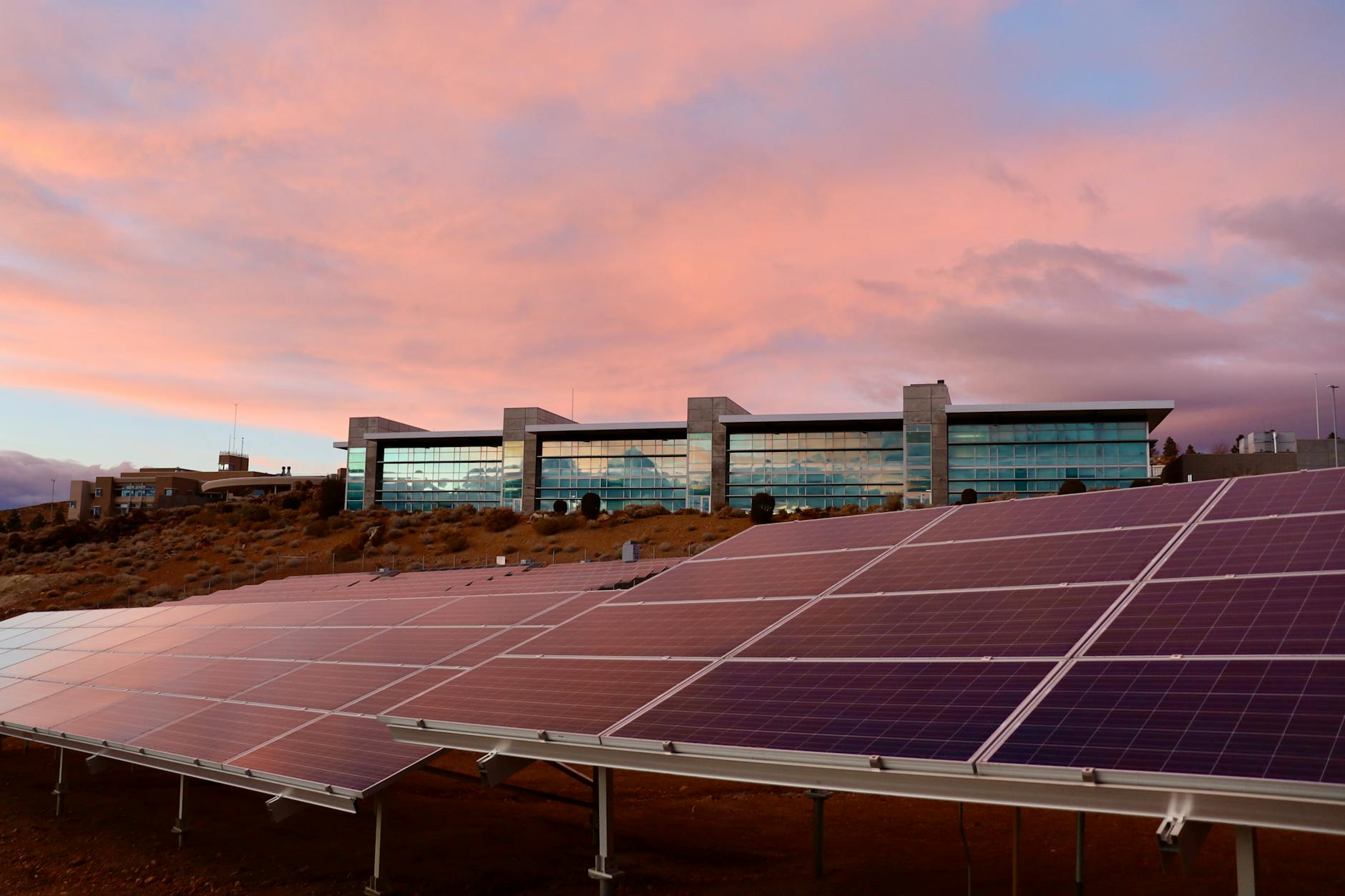
Starting a home solar project in Nevada is an exciting opportunity to harness the sun’s power while embracing sustainability and saving on energy costs. As more Nevadans recognize the solar energy benefits, from reduced utility bills to lower carbon footprints, the interest in solar installation in Nevada has soared. In this article, we’ll guide you through the essential steps to launch your home solar project, including how to navigate the various Nevada solar incentives available to homeowners. We will also address common concerns about solar energy, provide insights into the installation process, and highlight the long-term advantages of adopting solar technology. Whether you are just exploring the idea or ready to take the plunge, this guide will equip you with the knowledge to make informed decisions for your home solar project in Nevada. Get ready to embrace a cleaner, more efficient future!
Introduction to Your Home Solar Project in Nevada
The decision to embark on a home solar project in Nevada is more than just a trend; it’s a transformative choice that can lead to significant financial and environmental benefits. As solar energy gains traction, especially in sunny states like Nevada, homeowners are increasingly recognizing the advantages of harnessing the sun’s power. With some of the highest solar energy potential in the nation, Nevada presents a unique opportunity for those looking to invest in solar installation.
Understanding Solar Energy Benefits
Solar energy offers a myriad of benefits that extend beyond just lowering your electricity bills. By investing in solar panels, you are contributing to a cleaner environment, reducing your carbon footprint, and supporting the broader transition to renewable energy. According to the U.S. Department of Energy, solar energy helps diminish reliance on fossil fuels, thus improving air quality and public health.
Additionally, significant financial incentives exist for those considering a solar installation in Nevada. Homeowners can take advantage of various Nevada solar incentives, which can help offset initial costs and enhance the return on investment. These incentives can include tax credits, rebates, and financing options designed to make solar energy more accessible.
Why Choose Solar in Nevada?
Choosing solar in Nevada is particularly advantageous due to the state’s abundant sunshine, which makes for an ideal setting for solar power generation. With the potential to produce more energy than traditional sources, solar panels can significantly reduce your utility bills. Furthermore, as demand for solar energy grows, homeowners can expect the value of their properties to increase, making it a sound long-term investment.
However, some may argue that the upfront costs of a home solar project in Nevada can be intimidating. While it’s true that initial expenses can be substantial, the long-term savings and environmental benefits often outweigh these concerns. Moreover, with available financing and incentives, your solar project can become a more affordable reality.
engaging in a home solar project in Nevada is not just a smart investment, it’s a proactive step towards a sustainable future. As you consider your options, remember that the benefits of solar energy are both immediate and enduring, paving the way for a cleaner, greener tomorrow.
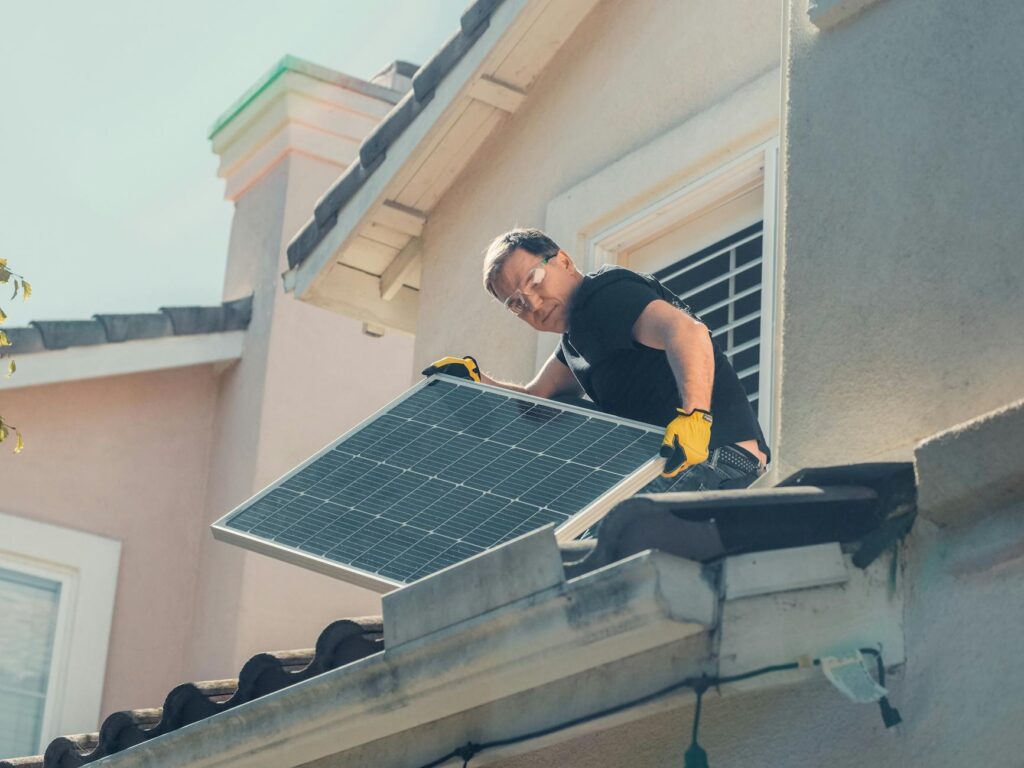
Steps to Launch Your Home Solar Project in Nevada
If you’re considering a home solar project in Nevada, you’re on the right track to harnessing renewable energy and potentially saving on utility bills. But before you dive into the installation phase, it’s crucial to take some preparatory steps. These actions will help ensure you get the most out of your investment.
Assessing Your Energy Needs
The first step in your home solar project Nevada is to evaluate your current energy consumption. Review your past utility bills to understand your usage patterns. This assessment will not only guide the size of the solar system you need but will also help you identify potential savings. According to the U.S. Department of Energy, knowing your energy consumption can help you maximize the solar energy benefits by ensuring your system meets your needs without overspending.
Choosing the Right Solar Installation in Nevada
After assessing your energy requirements, it’s time to find a reputable solar installation service in Nevada. Start by researching local contractors online and checking their reviews. Look for companies with strong credentials and experience in the Nevada market, as they will be familiar with local regulations and available Nevada solar incentives.
When selecting a contractor, consider factors such as warranty offerings, customer service, and financing options. Some companies may offer package deals that include installation, maintenance, and monitoring, which can enhance your solar energy experience. Don’t hesitate to ask for references or view previous installations to ensure quality.
With proper assessment and the right contractor, your home solar project in Nevada can lead to significant energy savings and contribute positively to the environment.
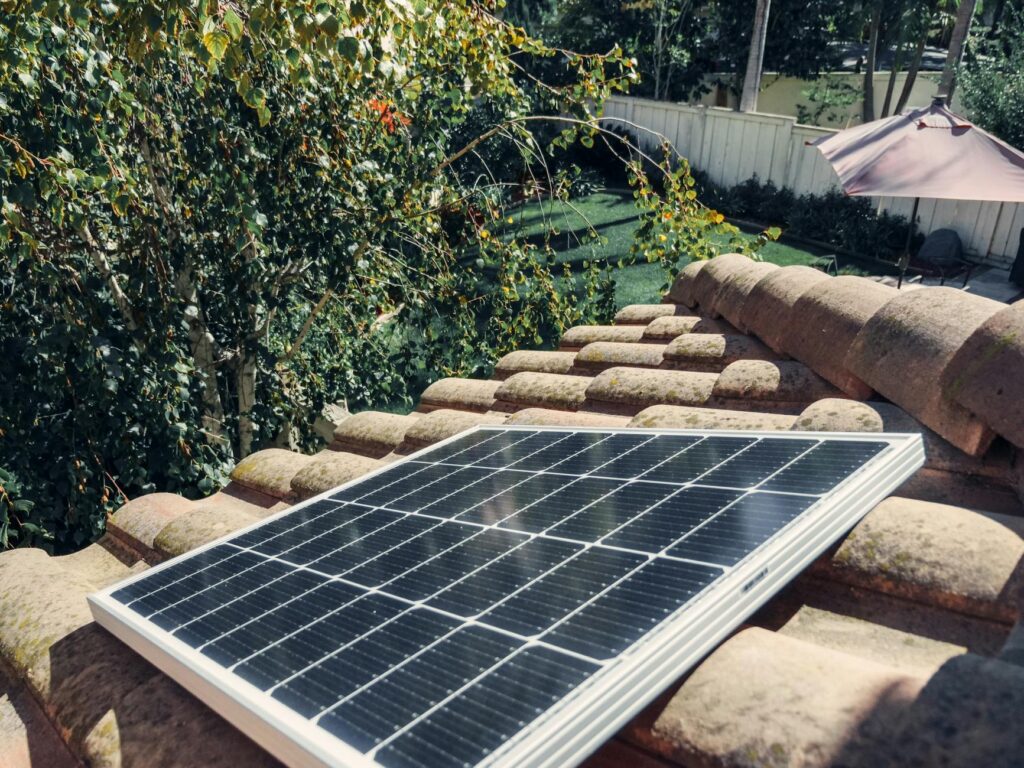
Navigating Nevada Solar Incentives for Your Home Solar Project
Federal vs. State Incentives for Your Home Solar Project in Nevada
Understanding the financial landscape of your home solar project in Nevada is crucial for maximizing savings and ensuring a successful installation. The state offers a variety of Nevada solar incentives that can significantly reduce your upfront costs. On the federal level, homeowners can take advantage of the Investment Tax Credit (ITC), which allows for a 30% tax credit on the cost of solar systems installed before the end of 2032. This can make a substantial difference in your overall expenditure.
In addition to federal incentives, Nevada has its own set of programs, such as the Net Metering program and the SolarGenerations program, which can further increase your savings. These programs not only help offset your initial investment but also provide ongoing benefits through energy credits. However, it’s essential to research and understand which incentives apply, as they can vary based on your specific situation.
How to Apply for Incentives
Applying for these incentives can seem daunting, but it doesn’t have to be. Start by gathering all necessary documentation, including proof of your solar installation and any required forms from your installer. Working with reputable solar installation Nevada companies can simplify this process, as many are well-versed in helping homeowners navigate the paperwork.
To apply for the federal ITC, you’ll include the credit on your tax return, while state incentives may require separate applications. Be sure to keep track of deadlines, as missing a submission could lead to lost savings. For optimal benefit, consult with your solar provider or a financial advisor to ensure you’re making the most of the available solar energy benefits.
understanding the various incentives available for your home solar project in Nevada is essential for maximizing your investment and reaping long-term benefits. With both federal and state programs in place, the potential for significant savings is greater than ever. By taking the time to research and apply for these incentives, you can make a significant impact on your financial future while contributing to a more sustainable energy system.
Understanding Solar Energy Benefits
Long-term Financial Savings from a Home Solar Project in Nevada
Investing in a home solar project in Nevada is not just a trend; it’s a smart financial decision. One of the most compelling reasons to go solar is the significant long-term savings on electricity bills. According to the National Renewable Energy Laboratory, homeowners can save thousands over the lifespan of their solar panels. These savings will only increase as utility rates rise, making solar a hedge against future energy costs.
Moreover, solar installation in Nevada can boost your property value. A study from Zillow found that homes with solar systems sell for an average of 4.1% more than those without. When you consider the Nevada solar incentives available, such as tax credits and rebates, the initial investment becomes even more appealing. Homeowners can recoup their costs faster than they might think.
Environmental Impact of Solar Energy
Beyond financial benefits, the environmental impact of adopting solar energy is profound. By reducing reliance on fossil fuels, a home solar project in Nevada significantly lowers your carbon footprint. The Environmental Protection Agency states that energy production is one of the largest contributors to greenhouse gas emissions. By harnessing solar energy, you contribute to a cleaner environment and promote renewable resources.
Additionally, solar energy benefits extend to improving air quality. Fewer emissions from traditional power plants mean less smog and better health outcomes for communities. Making the switch to solar is not just a personal benefit; it’s a step toward a sustainable future for Nevada.

In a state blessed with abundant sunshine, the choice to invest in a solar installation is both a personal and collective responsibility. Embracing solar energy isn’t just about saving money, it’s about making a meaningful contribution to the planet. Whether you’re motivated by financial savings or environmental stewardship, the benefits of a home solar project in Nevada are clear and compelling.
Addressing Common Concerns About Home Solar Projects in Nevada
When considering a home solar project in Nevada, many potential homeowners grapple with concerns such as the upfront costs and maintenance requirements. It’s essential to confront these apprehensions head-on, as they often cloud the clear advantages of solar energy.
Is Solar Energy Worth It?
One of the most common objections is the initial investment. While it’s true that solar installation in Nevada requires a significant upfront cost, the long-term savings often outweigh this initial expense. According to the U.S. Department of Energy, the cost of solar panel installation has dropped by over 70% in the past decade. With Nevada solar incentives such as tax credits and rebates, homeowners can significantly reduce these costs even further. In fact, the Database of State Incentives for Renewables and Efficiency (DSIRE) notes that Nevada offers several financial incentives that make solar adoption more accessible.
Moreover, the state boasts an average of 252 sunny days each year. This abundance of sunlight means that solar energy systems can produce substantial electricity, potentially eliminating monthly utility bills. Homeowners can also benefit from net metering, allowing them to sell excess energy back to the grid. The long-term financial benefits, paired with these incentives, make solar energy a smart investment.
What About Maintenance Costs?
Another concern often raised is maintenance. Many worry that solar panels will require extensive upkeep. However, modern solar technology is designed to be low-maintenance. Most solar panels come with warranties of 25 years or more, and routine maintenance is minimal, primarily just cleaning the panels occasionally and ensuring they remain free of debris. In fact, a study by the National Renewable Energy Laboratory found that the average annual maintenance cost for solar installations is only about $20 per panel.
Ultimately, investing in a home solar project in Nevada is not just about immediate costs; it’s about the long-term value it brings. With the state’s favorable climate, robust solar energy benefits, and available Nevada solar incentives, homeowners can confidently overcome initial concerns. Transitioning to solar is not just a choice for today but a sustainable decision for the future.
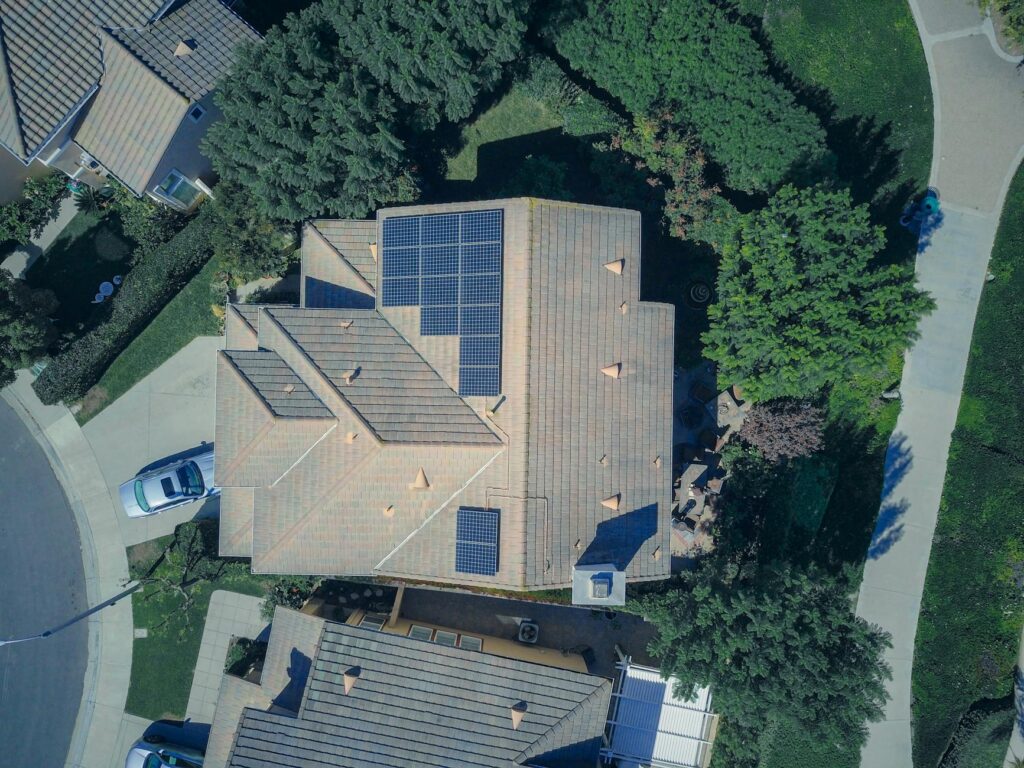
Conclusion: Embrace the Future with a Home Solar Project in Nevada
Choosing to embark on a home solar project in Nevada is not just a step towards energy independence; it’s an investment in a sustainable future. Throughout this article, we have explored the myriad benefits of solar energy, from significant cost savings on utility bills to the environmental impact of reducing your carbon footprint. With abundant sunshine and favorable climate conditions, Nevada is one of the best states for solar energy generation.
Why Start Your Home Solar Project in Nevada?
The advantages of solar installation in Nevada are profound. First, the solar energy benefits extend beyond personal savings, they contribute to a larger movement toward renewable energy. By harnessing the sun’s power, you’re actively participating in combating climate change and promoting a cleaner environment. Additionally, Nevada solar incentives, such as tax credits and rebates, make solar installation more accessible and financially viable for homeowners.
While some may argue that the initial investment in solar panels is a barrier, it’s essential to consider the long-term savings and the increasing affordability of solar technology. Moreover, with various financing options available, including solar loans and leases, going solar has never been easier or more affordable.
As you contemplate the next steps, remember that investing in a home solar project in Nevada is more than just a financial decision; it’s a commitment to your community and the planet. The transition to solar energy is a powerful choice that aligns with global efforts to create a more sustainable future.
Now is the perfect time to explore your options for solar installation in Nevada. With the right resources and knowledge, you can take this significant step towards a cleaner, more sustainable lifestyle. electric vehicles Nevada energy shortages.
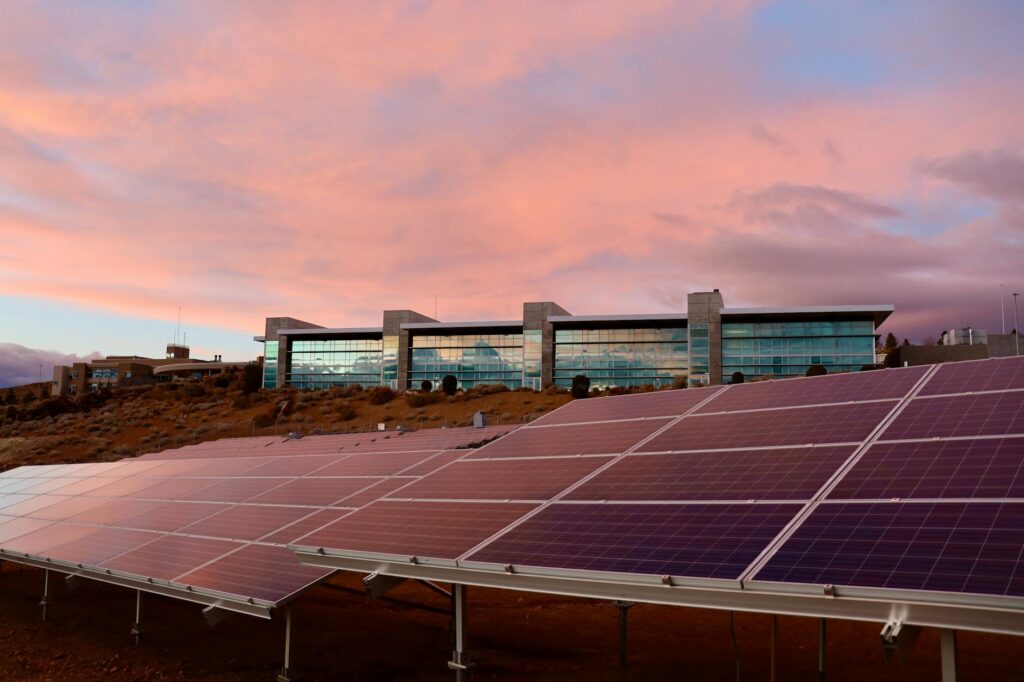
Taking the plunge into a home solar project in Nevada can be a rewarding investment in both your finances and the environment. With abundant sunshine and various solar energy benefits, residents can significantly reduce their energy bills while contributing to a greener future. Remember, exploring Nevada solar incentives can help make your project even more affordable, providing financial relief during installation and beyond.
As you move forward, consider reaching out to local experts to discuss your options for solar installation in Nevada. They can guide you through the entire process, from selecting the right system to understanding the paperwork for incentives. Start your journey today to harness the power of the sun and enjoy the long-term benefits of solar energy in your home.
“`html
What are the steps to start a home solar project in Nevada?
Starting a home solar project in Nevada involves several key steps. First, assess your energy needs and evaluate your home’s solar potential. Next, research local solar installation companies and obtain multiple quotes. Review the options for solar panel systems, whether to buy or lease, and consider financing options. After selecting a contractor, they will help you complete necessary permits and paperwork. Finally, the installation will occur, followed by inspections to ensure everything meets state regulations.
What are the solar installation requirements in Nevada?
In Nevada, solar installation requirements include obtaining a building permit from your local jurisdiction, ensuring compliance with the National Electric Code, and passing an inspection after installation. Additionally, systems must be connected to the grid through NV Energy, which may require interconnection agreements. Contractors must be licensed and certified. Homeowners should also check local zoning laws and homeowners association guidelines that may affect solar installations.
How much can I save by installing solar panels in Nevada?
The savings from installing solar panels in Nevada can be significant, often ranging from 20 to 50 percent on your electricity bills. The exact amount depends on your energy usage, system size, and available incentives. With Nevada’s abundant sunshine, many homeowners find that their systems pay for themselves within five to seven years. Additionally, solar energy benefits include increased home value and potential long-term savings as utility rates rise.
What incentives are available for solar energy in Nevada?
Nevada offers several incentives for solar energy, including a state tax credit of up to 25 percent of the installation cost, with a maximum of $10,000. Additionally, the federal solar tax credit allows homeowners to deduct 26 percent of the installation cost from their federal taxes. There are also local rebates and net metering programs that can enhance savings. These Nevada solar incentives make investing in a home solar project Nevada more appealing.
Are there any financing options for home solar projects in Nevada?
Yes, there are several financing options available for home solar projects in Nevada. Homeowners can choose to purchase solar panels outright, which may qualify for tax credits, or opt for financing through solar loans, which allow for monthly payments. Additionally, many companies offer leasing options, where you pay a monthly fee to use the system without upfront costs. Be sure to explore all options to find the best fit for your financial situation.
What maintenance is required for solar panels in Nevada?
Solar panels generally require minimal maintenance, particularly in Nevada’s dry climate. Regular cleaning is recommended to remove dust and debris, which can affect efficiency. Homeowners should inspect the panels and inverters periodically for any visible damage and ensure that no shading occurs from nearby trees or structures. Most installation companies offer maintenance services, and it is advisable to conduct an annual check-up to keep the system operating efficiently.
“`