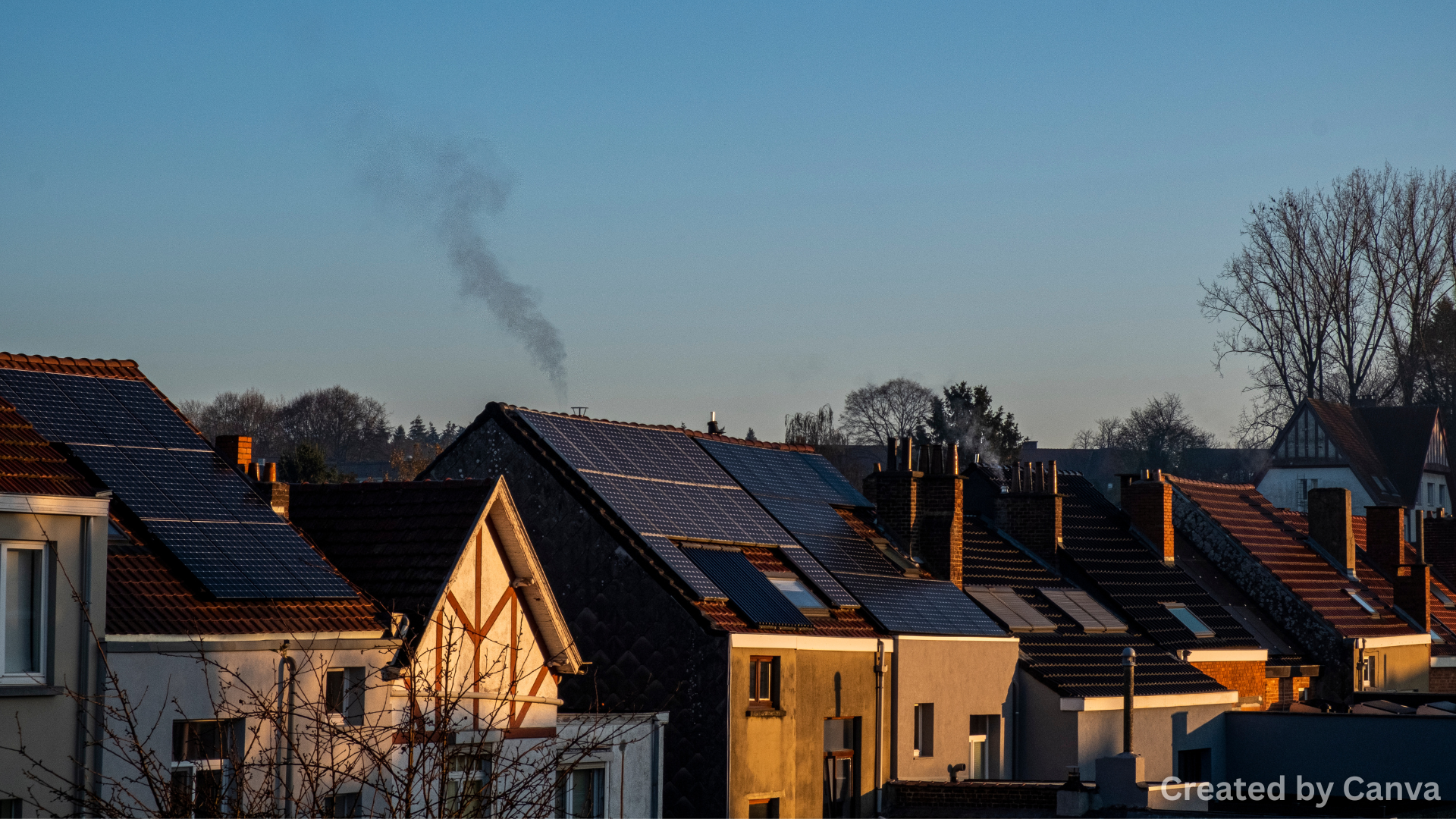
I have seen both the energy and housing sectors change in Nevada, and I know that our state’s growth brings both real problems and real chances. When we talk about Energy Development Nevada Housing, we’re talking about how the state’s push for clean energy and infrastructure can change not only our skyline, but also our neighborhoods, our wallets, and our future. At Paul For Nevada, I can see how these changes can affect everyone, from first-time buyers in Summerlin to renters in Sparks.
Linking the growth of energy to trends in the housing market
Everyone wants a home that doesn’t cost a lot of money. Prices have gone up, and competition has gotten fierce in Nevada’s housing market, especially in cities that are growing like Henderson, Las Vegas, and Reno. Energy development gives us new tools. When we put money into renewable energy sources and update our grid, we do more than just cut down on emissions and create jobs. We are lowering utility costs and making it easier for builders to make homes that are cheaper to live in.
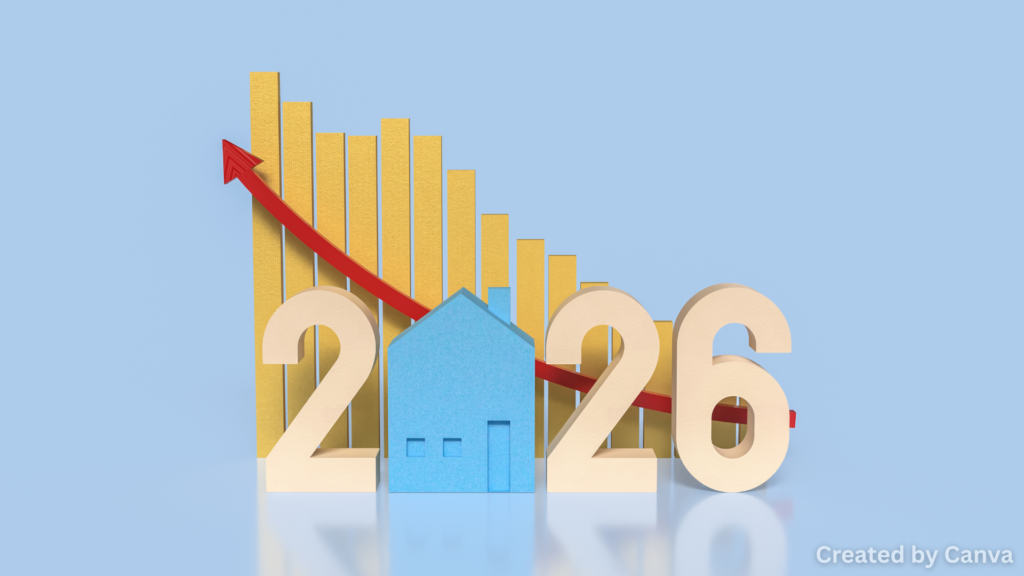
As someone who works with Paul For Nevada, I know that energy costs are more than just the power bill. New solar farms, wind projects, and building codes that make buildings more energy efficient make it easier for developers to build communities that are cheaper to keep up. As these savings build up, both landlords and homeowners have to pay less to live. These changes mean that families living in places like North Las Vegas or looking to move near the University District will have more affordable options and stronger budgets.
How new ideas in energy make housing more affordable
One of the biggest problems with affordable housing is the monthly costs that keep coming up. We can change that if energy-efficient buildings become the norm. Less energy use means lower bills, which means more money for everyone. I’ve seen how this change helps people stay in their homes and even move up in the housing market when they’re ready.
Energy development also creates jobs in Nevada. These projects create jobs from the start of construction to the end of operations. More jobs and higher pay can help more people get loans and rent homes. When energy companies work with local developers, they build new neighborhoods. Inspirada and the newly revitalized downtown areas are examples of places that are both affordable and environmentally friendly.
The Real Energy Effect on the Cost of Living
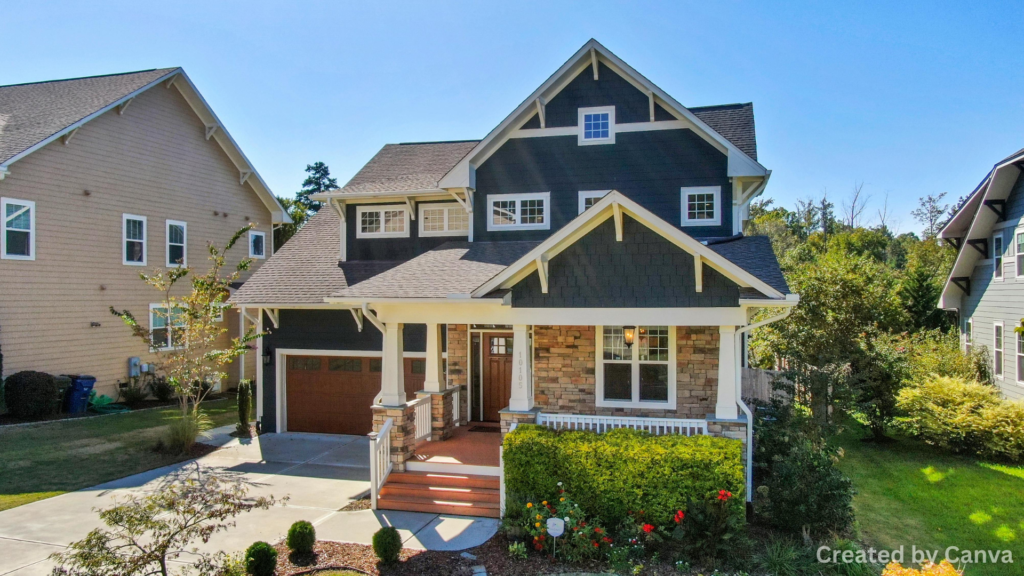
Our goal at Paul For Nevada is to make life easier for working families by lowering the cost of living. Because of Nevada’s energy development housing efforts, we can pass savings directly on to residents. When neighborhoods get their power from solar or geothermal sources, their utility bills go down. That helps everyone, but especially those who are short on cash.
We know that building more houses isn’t the only thing that matters. It’s also about making sure those homes stay affordable for a long time. We can keep our promise to Nevada families by putting energy efficiency first and backing renewable projects.
Questions that are often asked
How does developing energy make homes in Nevada more affordable?
Building more energy-efficient homes and businesses costs less for families and developers, which means they can offer lower prices.
Will projects that use renewable energy in Nevada create jobs?
Yes, new projects create a variety of jobs, from building to ongoing maintenance. This helps more people support their families and make a living.
Does making homes more energy efficient really help the housing market?
Of course. Homes are more appealing and affordable when energy costs are lower. This helps more Nevadans find stable housing and makes the housing market as a whole better.
Featured Image
Images are by Canva.com
Read more about: Why Nevada’s Energy Policies Should Support Clean, Efficient Oil Technology